Annie E. Coombes – författare
Visar alla böcker från författaren Annie E. Coombes. Handla med fri frakt och snabb leverans.
10 produkter
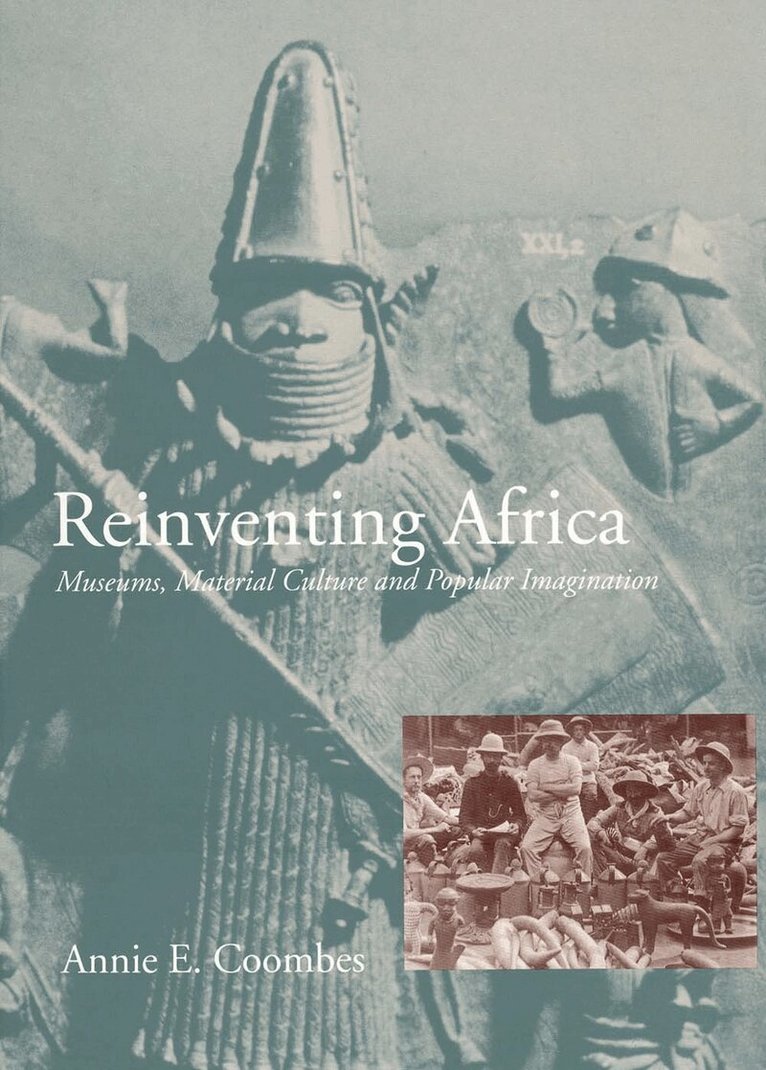
Reinventing Africa
Museums, Material Culture and Popular Imagination in Late Victorian and Edwardian England
Häftad, 1997
695 kr
Lägg i varukorg
Between 1890 and 1918, British colonial expansion in Africa led to the removal of many African artifacts that were subsequently brought to Britain and displayed. Annie Coombes argues that this activity had profound repercussions for the construction of a national identity within Britain itself—the …
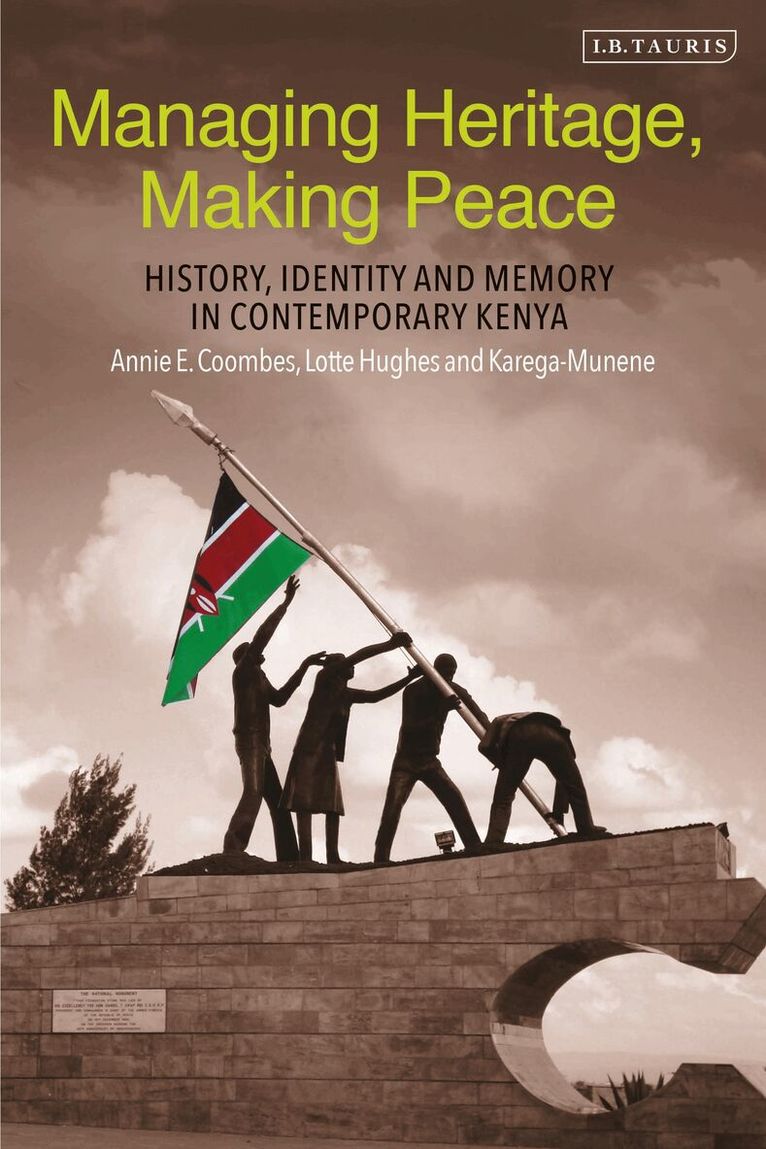
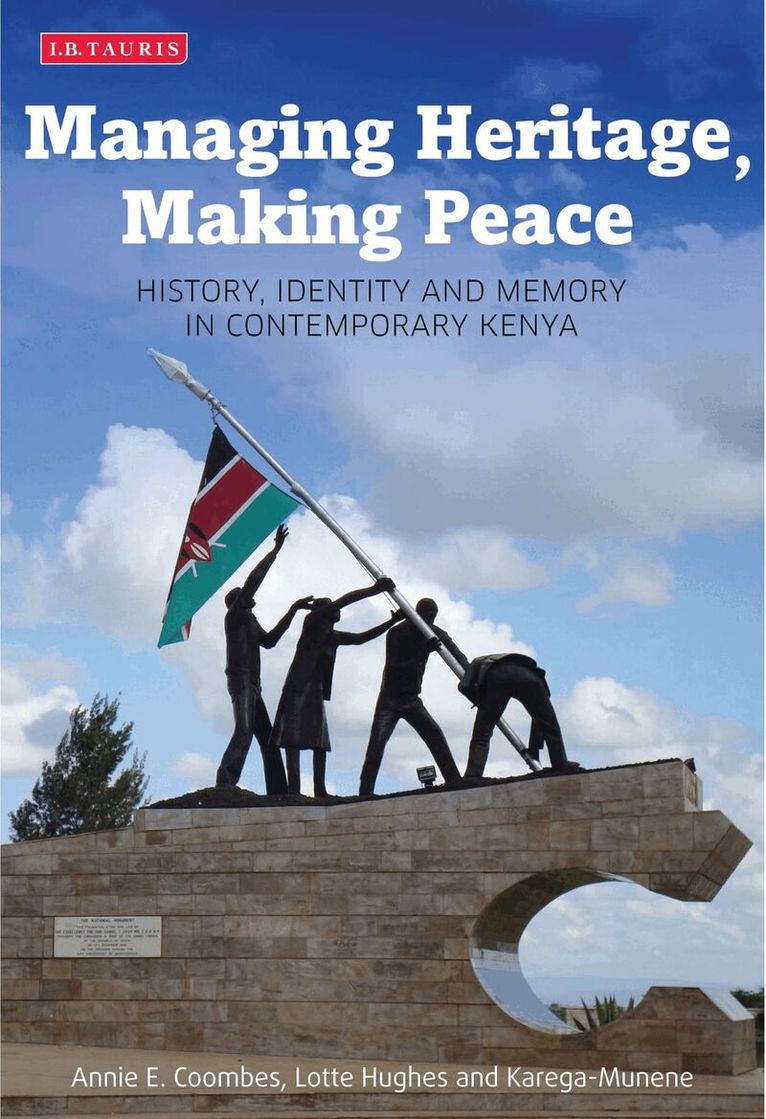
Managing Heritage, Making Peace
History, Identity and Memory in Contemporary Kenya
Av Annie E. Coombes, Lotte Hughes m. fl.
Häftad, 2019
516 kr
Lägg i varukorg
Kenya stands at a crossroads in its history and heritage, as the nation celebrates its fiftieth anniversary of independence from Britain in 2013. At this important juncture, what parts of its history, including the Mau Mau uprising, do citizens and state wish to remember and commemorate and what is …
Managing Heritage, Making Peace
History, Identity and Memory in Contemporary Kenya
Av Annie E. Coombes, Lotte Hughes m. fl.
E-bok, 2019
562 kr
Lägg i varukorg
Kenya stands at a crossroads in its history and heritage, as the nation celebrates its fiftieth anniversary of independence from Britain in 2013. At this important juncture, what parts of its history, including the Mau Mau uprising, do citizens and state wish to remember and commemorate and what is …
Managing Heritage, Making Peace
History, Identity and Memory in Contemporary Kenya
Av Annie E. Coombes, Lotte Hughes m. fl.
E-bok, 2019
562 kr
Lägg i varukorg
Kenya stands at a crossroads in its history and heritage, as the nation celebrates its fiftieth anniversary of independence from Britain in 2013. At this important juncture, what parts of its history, including the Mau Mau uprising, do citizens and state wish to remember and commemorate and what is …
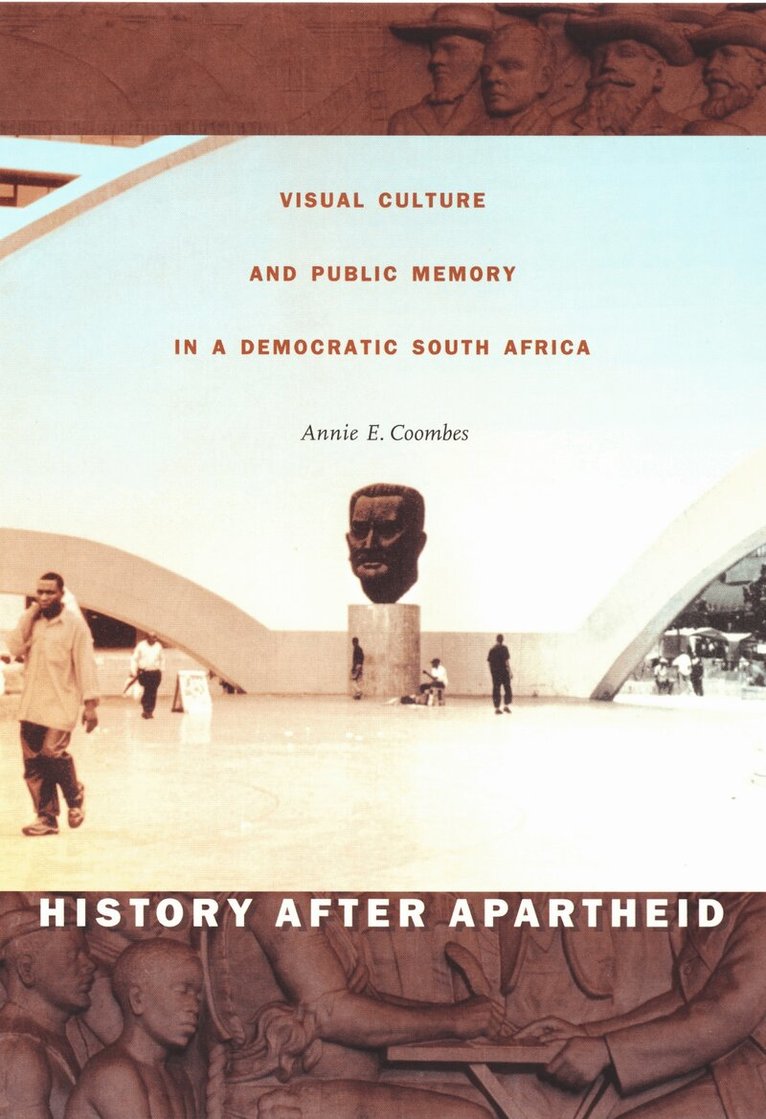
History After Apartheid
Visual Culture and Public Memory in a Democratic South Africa
Häftad, 2003
512 kr
Lägg i varukorg
The democratic election of Nelson Mandela as president of South Africa in 1994 marked the demise of apartheid and the beginning of a new struggle to define the nation’s past. History after Apartheid analyzes how, in the midst of the momentous shift to an inclusive democracy, South Africa’s visual …
History after Apartheid
Visual Culture and Public Memory in a Democratic South Africa
E-bok, 2003
732 kr
Lägg i varukorg
The democratic election of Nelson Mandela as president of South Africa in 1994 marked the demise of apartheid and the beginning of a new struggle to define the nation’s past. History after Apartheid analyzes how, in the midst of the momentous shift to an inclusive democracy, South Africa’s visual …
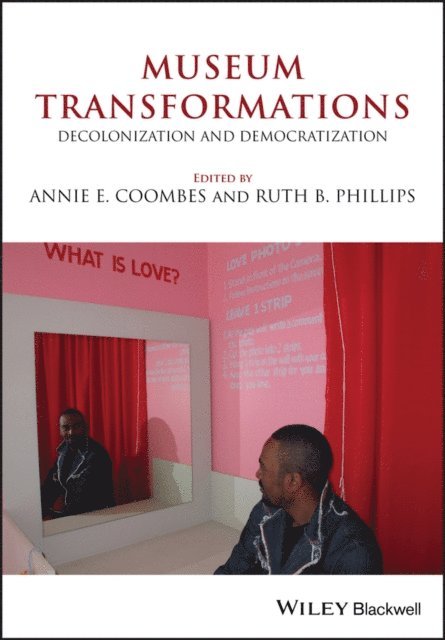
Museum Transformations
Decolonization and Democratization
Av Annie E. Coombes, Ruth B. Phillips
Häftad, 2020
831 kr
Lägg i varukorg
MUSEUM TRANSFORMATIONS DECOLONIZATION AND DEMOCRATIZATIONEdited By ANNIE E. COOMBES AND RUTH B. PHILLIPSMuseum Transformations: Decolonization and Democratization addresses contemporary approaches to decolonization, greater democratization, and revisionist narratives in museum exhibition and …
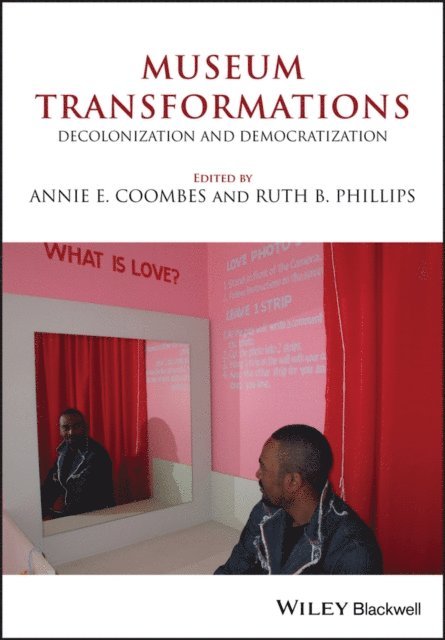
Museum Transformations
Decolonization and Democratization
Av Ruth B. Phillips, Annie E. Coombes
E-bok, 2020
919 kr
Lägg i varukorg
MUSEUM TRANSFORMATIONS DECOLONIZATION AND DEMOCRATIZATION Edited B y ANNIE E. COOMBES AND RUTH B. PHILLIPS Museum Transformations: Decolonization and Democratization addresses contemporary approaches to decolonization, greater democratization, and revisionist narratives in museum exhibition and …
Museum Transformations
Decolonization and Democratization
Av Ruth B. Phillips, Annie E. Coombes
E-bok, 2020
939 kr
Lägg i varukorg
MUSEUM TRANSFORMATIONS DECOLONIZATION AND DEMOCRATIZATION Edited B y ANNIE E. COOMBES AND RUTH B. PHILLIPS Museum Transformations: Decolonization and Democratization addresses contemporary approaches to decolonization, greater democratization, and revisionist narratives in museum exhibition and …
Managing Heritage, Making Peace
History, Identity and Memory in Contemporary Kenya
Av Annie E. Coombes, Lotte Hughes m. fl.
Inbunden, 2013
2051 kr
Lägg i varukorg
Kenya stands at a crossroads in its history and heritage, as the nation celebrates its fiftieth anniversary of independence from Britain in 2013. At this important juncture, what parts of its history, including the Mau Mau uprising, do citizens and state wish to remember and commemorate and what is …