Louis F. Groarke – författare
Visar alla böcker från författaren Louis F. Groarke. Handla med fri frakt och snabb leverans.
8 produkter
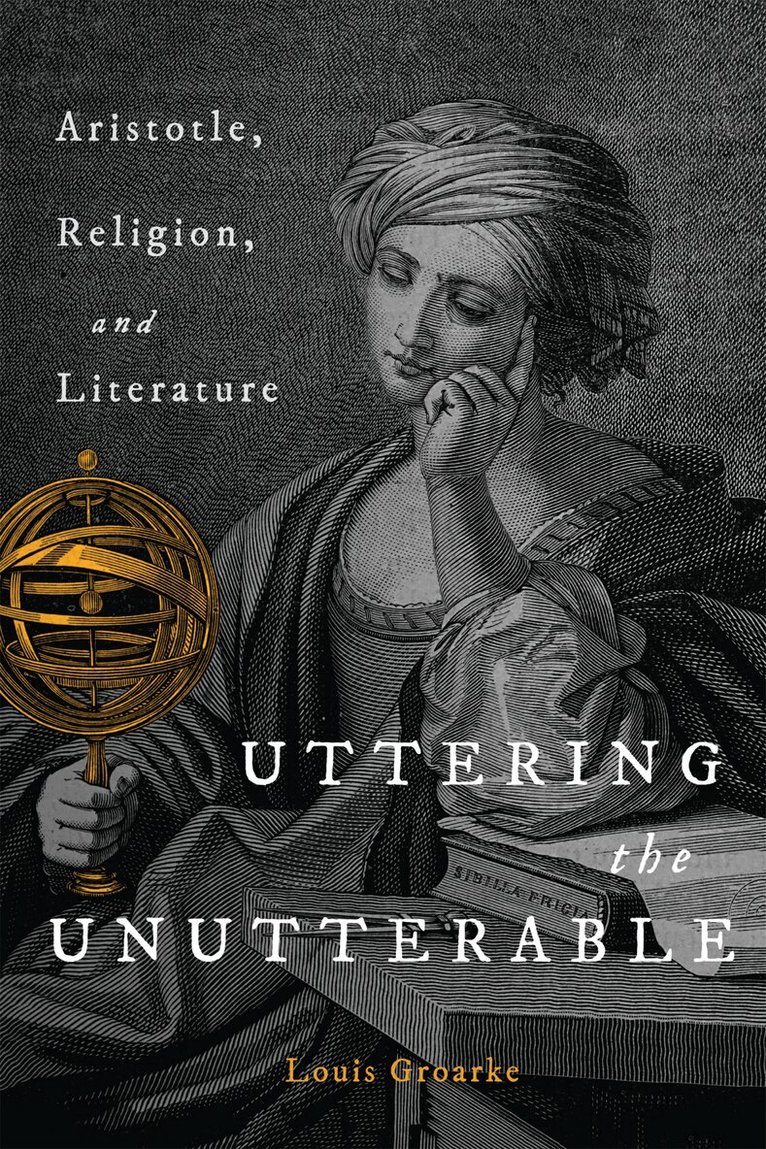
Uttering the Unutterable
Aristotle, Religion, and Literature
Inbunden, 2023
1553 kr
Lägg i varukorg
Literature utters the unutterable, not through logic, not through science, not through argument, but through a pitch of eloquence so pronounced the conscientious reader cannot fail to pay attention.Louis Groarke argues that literature is an honorific term we use to describe texts that are so …
Uttering the Unutterable
Aristotle, Religion, and Literature
E-bok, 2023
1722 kr
Lägg i varukorg
Literature utters the unutterable, not through logic, not through science, not through argument, but through a pitch of eloquence so pronounced the conscientious reader cannot fail to pay attention. Louis Groarke argues that literature is an honorific term we use to describe texts that are so …
Uttering the Unutterable
Aristotle, Religion, and Literature
E-bok, 2023
1722 kr
Lägg i varukorg
Literature utters the unutterable, not through logic, not through science, not through argument, but through a pitch of eloquence so pronounced the conscientious reader cannot fail to pay attention. Louis Groarke argues that literature is an honorific term we use to describe texts that are so …
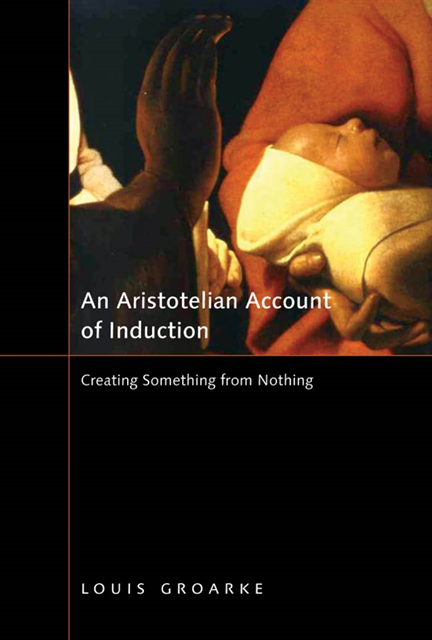
Aristotelian Account of Induction
Creating Something from Nothing
E-bok, 2010
1041 kr
Lägg i varukorg
In An Aristotelian Account of Induction Groarke discusses the intellectual process through which we access the "first principles" of human thought - the most basic concepts, the laws of logic, the universal claims of science and metaphysics, and the deepest moral truths. Following Aristotle and …
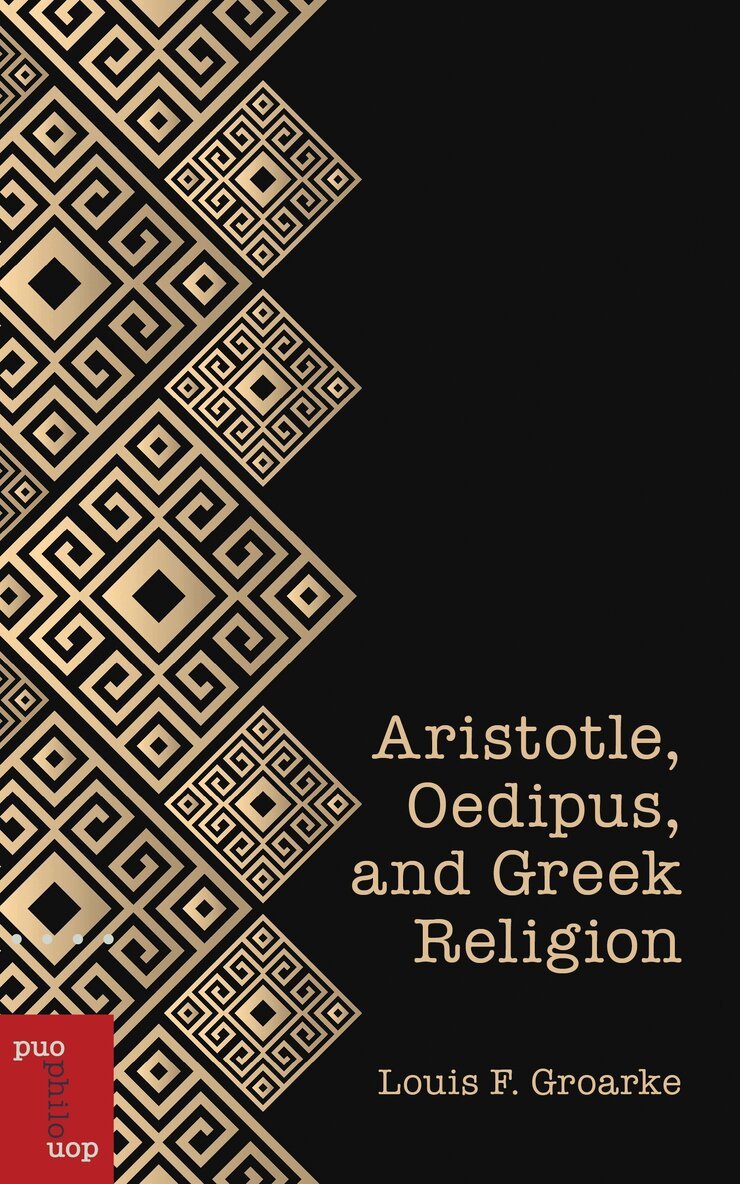
Aristotle, Oedipus, and Greek Religion
Av Louis F. Groarke, William Sweet
Häftad, 2025
371 kr
Lägg i varukorg
Aristotle, Oedipus, and Greek Religion explores an important religious side to ancient Aristotelianism that has an impact on contemporary philosophical debates. _x000D__x000D_Louis F. Groarke shows how an exegetical perspective open to and respectful of Greek Pagan religion allows readers to …
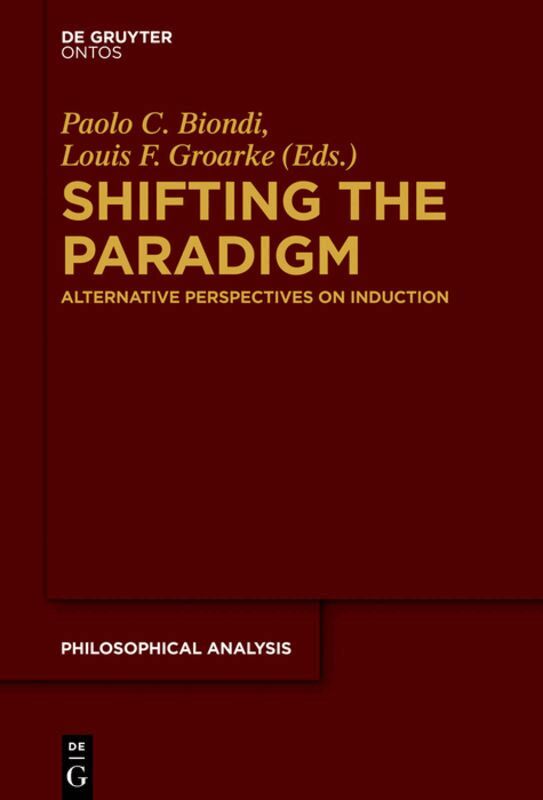
Shifting the Paradigm
Alternative Perspectives on Induction
Av Paolo C. Biondi, Louis F. Groarke
Inbunden, 2014
2141 kr
Lägg i varukorg
Induction, which involves a leap from the particular to the universal, has always been a puzzling phenomenon for those attempting to investigate the origins of knowledge. Although traditionally accepted as the engine of first principles, the authority of inductive reasoning has been undermined in …
Shifting the Paradigm
Alternative Perspectives on Induction
Av Louis F. Groarke, Paolo C. Biondi
E-bok, 2014
2121 kr
Lägg i varukorg
Induction, which involves a leap from the particular to the universal, has always been a puzzling phenomenon for those attempting to investigate the origins of knowledge. Although traditionally accepted as the engine of first principles, the authority of inductive reasoning has been undermined in …
Shifting the Paradigm
Alternative Perspectives on Induction
Av Louis F. Groarke, Paolo C. Biondi
E-bok, 2014
2168 kr
Lägg i varukorg
Induction, which involves a leap from the particular to the universal, has always been a puzzling phenomenon for those attempting to investigate the origins of knowledge. Although traditionally accepted as the engine of first principles, the authority of inductive reasoning has been undermined in …