Louise M. Burkhart - Böcker
Visar alla böcker från författaren Louise M. Burkhart. Handla med fri frakt och snabb leverans.
9 produkter
9 produkter
Nahuatl Theater
Nahuatl Theater Volume 1: Death and Life in Colonial Nahua Mexico
Inbunden, Engelska, 2004
555 kr
Skickas inom 10-15 vardagar
Death and Life in Colonial Nahua Mexico presents seven dramas from the first truly American theater. Composed in Nahuatl during the sixteenth and seventeenth centuries, most of these plays survive only in later copies. Five are morality plays. Presenting Christian views of moral reform, death, judgment, and punishment for sin, they reveal how these themes were adapted into Nahua culture. The other two plays dramatize biblical narratives: the stories of Abraham and Isaac and of the three wise men.In this volume, Barry D. Sell and Louise M. Burkhart offer faithful transcriptions of the Nahuatl as well as new English translations of these remarkable dramas. Accompanying the plays are four interpretive essays and a foreword that broaden our understanding of these rare works.This volume is the first in a four-volume set entitled Nahuatl Theater, edited by Barry D. Sell and Louise M. Burkhart
672 kr
Skickas inom 7-10 vardagar
The foundation legend of the Mexican devotion to Our Lady of Guadalupe is one of the most appealing and beloved of all religious stories. In this volume, editors Barry D. Sell, Louise M. Burkhart, and Stafford Poole present the only known colonial Nahuatl-language dramas based on the Virgin of Guadalupe story: the Dialogue of the Apparition of the Virgin Saint Mary of Guadalupe, an anonymous work from the late seventeenth or early eighteenth century, and The Mexican Portent, authored by creole priest Joseph Pérez de la Fuente in the early eighteenth century. The plays, never before published in English translation, are vital works in the history of the Guadalupe devotion, for they show how her story was presented to native people at a time when it was not universally known.Faithful transcriptions and translations of the plays are accompanied here by introductory essays by Poole and Burkhart and by three additional previously unpublished Guadalupan texts in Nahuatl.This volume is the second in a four-volume series titled Nahuatl Theater, edited by Sell and Burkhart.
299 kr
Skickas inom 10-15 vardagar
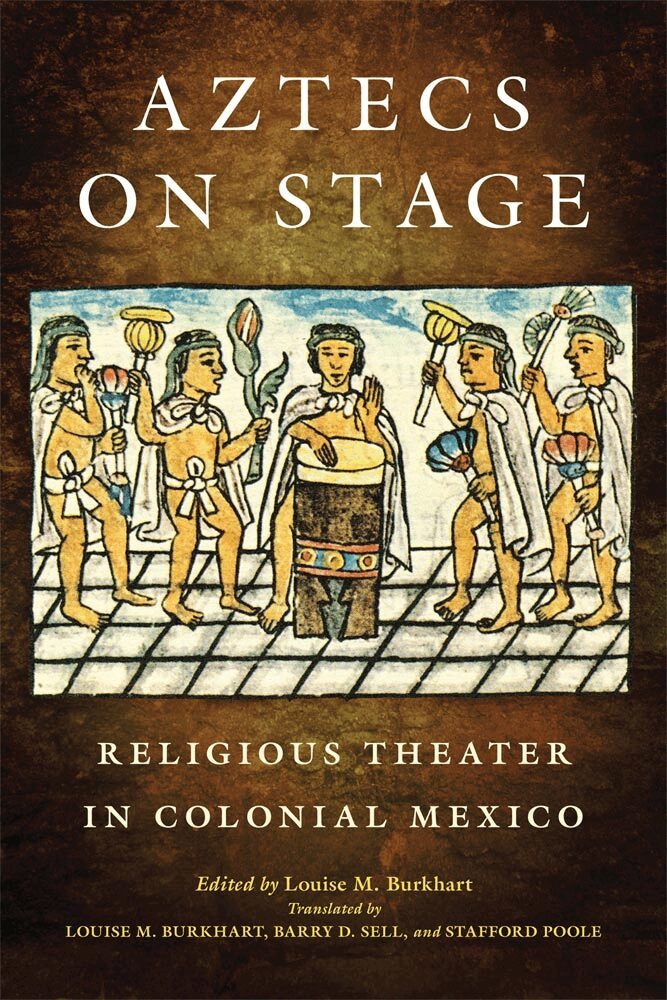
Nahuatl drama, one of the most surprising results of the Catholic presence in colonial Mexico, merges medieval European religious theater with the language and performance traditions of the Aztec (Nahua) people of central Mexico. Franciscan missionaries, seeking effective tools for evangelization, fostered this new form of theater after observing the Nahuas' enthusiasm for elaborate performances. The plays became a controversial component of native Christianity, allowing Nahua performers to present Christian discourse in ways that sometimes effected subtle changes in meaning. The Indians' enthusiastic embrace of alphabetic writing enabled the use of scripts, but the genre was so unorthodox that Spanish censors prevented the plays' publication. As a result, colonial Nahuatl drama survives only in scattered manuscripts, most of them anonymous, some of them passed down and recopied over generations.Aztecs on Stage presents accessible English translations of six of these seventeenth- and eighteenth-century Nahuatl plays. All are based on European dramatic traditions, such as the morality and passion plays; indigenous actors played the roles of saints, angels, devils - and even the Virgin Mary and Jesus Christ. Louise M. Burkhart's engaging introduction places the plays in historical context, while stage directions and annotations in the works provide insight into the Nahuas' production practices, which often incorporated elaborate sets, props, and special effects including fireworks and music. The translations facilitate classroom readings and performances while retaining significant artistic features of the Nahuatl originals.
Nahuatl Theater
Nahuatl Theater Volume 1: Death and Life in Colonial Nahua Mexico
Häftad, Engelska, 2021
360 kr
Skickas inom 10-15 vardagar
Death and Life in Colonial Nahua Mexico presents seven dramas from the first truly American theater. Composed in Nahuatl during the sixteenth and seventeenth centuries, most of these plays survive only in later copies. Five are morality plays. Presenting Christian views of moral reform, death, judgment, and punishment for sin, they reveal how these themes were adapted into Nahua culture. The other two plays dramatize biblical narratives: the stories of Abraham and Isaac and of the three wise men.In this volume, Barry D. Sell and Louise M. Burkhart offer faithful transcriptions of the Nahuatl as well as new English translations of these remarkable dramas. Accompanying the plays are four interpretive essays and a foreword that broaden our understanding of these rare works.
391 kr
Skickas inom 10-15 vardagar
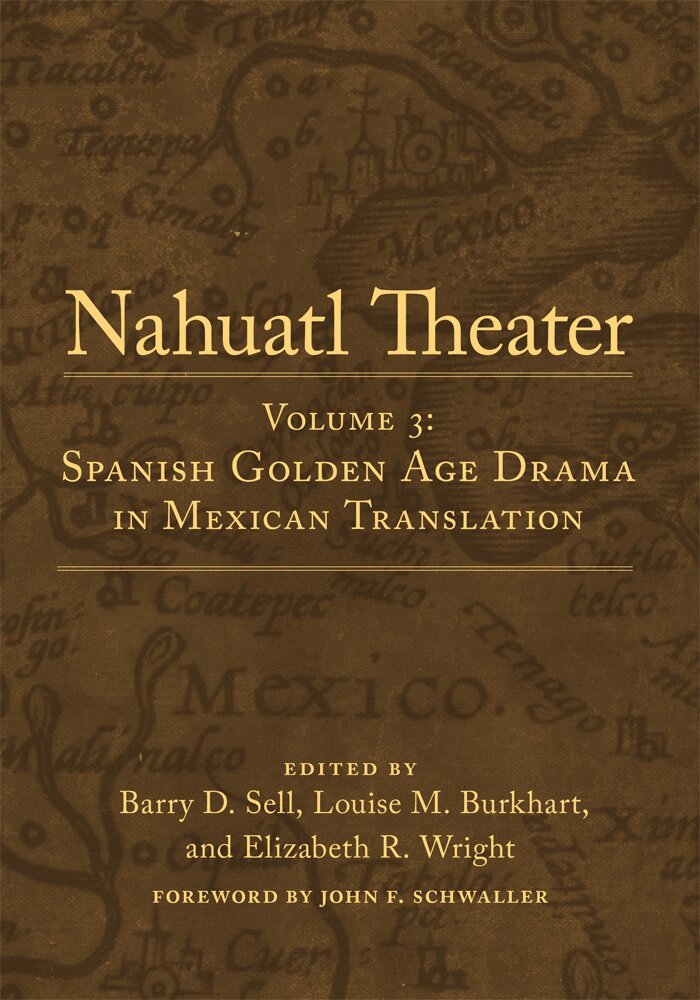
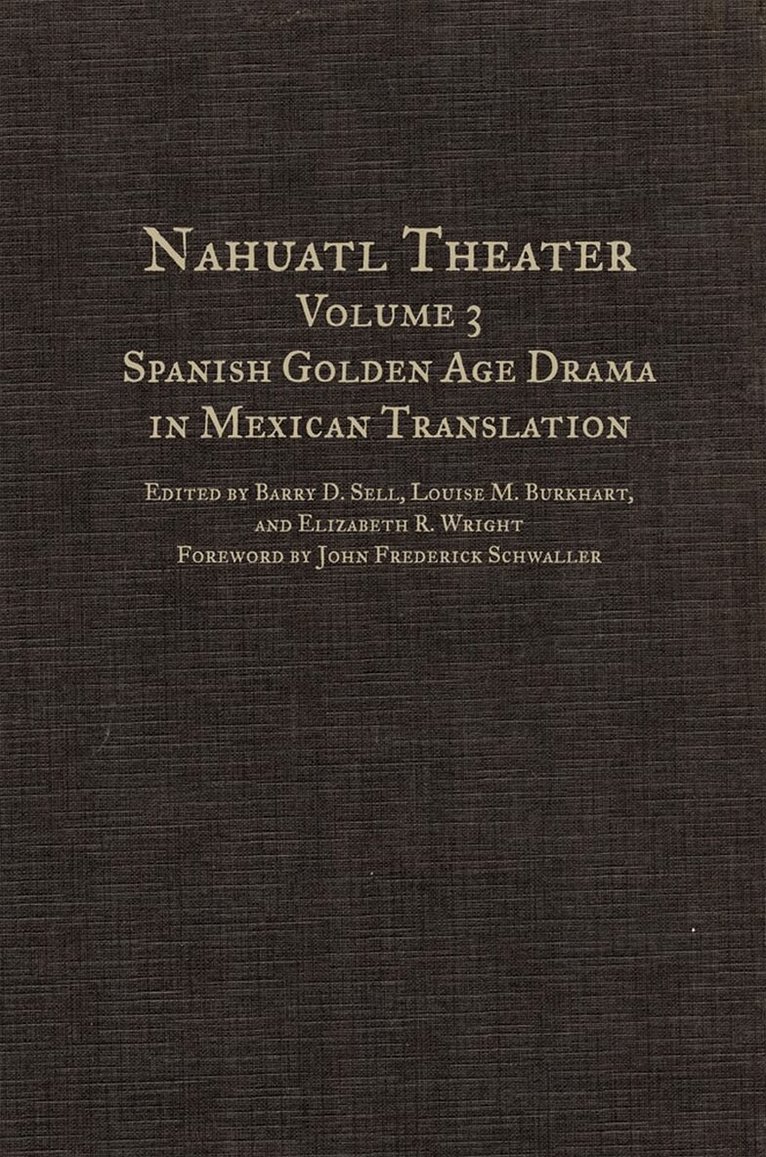
Don BartolomÉ de Alva was a mestizo who rose within New Spain’s ecclesiastical hierarchy when people of indigenous heritage were routinely excluded from the priesthood. In 1640 and 1641 he translated several theatrical pieces from Spanish into Nahuatl, yet this prodigious accomplishment remained virtually unknown for centuries.Nahuatl Theater, Volume 3 presents for the first time in English the complete dramatic works of Alva, the only known plays from Spain’s Golden Age adapted into the lively world of Nahuatl-language theater. Alva’s translations—“The Great Theater of the World,” “The Animal Prophet and the Fortunate Patricide,” “The Mother of the Best,” and a farcical intermezzo—represent ambitious attempts to add complex, Baroque dramatic pieces by such literary giants as Lope de Vega and Pedro CalderÓn de la Barca to the repertory of Nahuatl theater, otherwise dominated by sober one-act religious plays grounded in medieval tradition. The Spanish sources and Alva’s Nahuatl, set on facing pages with their English translations, show how Alva “Mexicanized” the plays by incorporating Nahuatl linguistic conventions and referencing local symbolism and social life. In their introductory essays, the editors offer contextual and interpretive information that provides an entrÉe into this rich material.As the only known adaptations of these theatrical works into a Native American language, these plays stand as fine literature in their own right.
421 kr
Skickas inom 10-15 vardagar
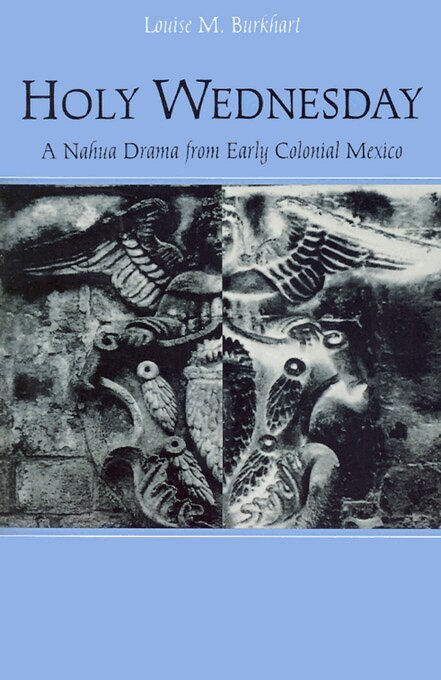
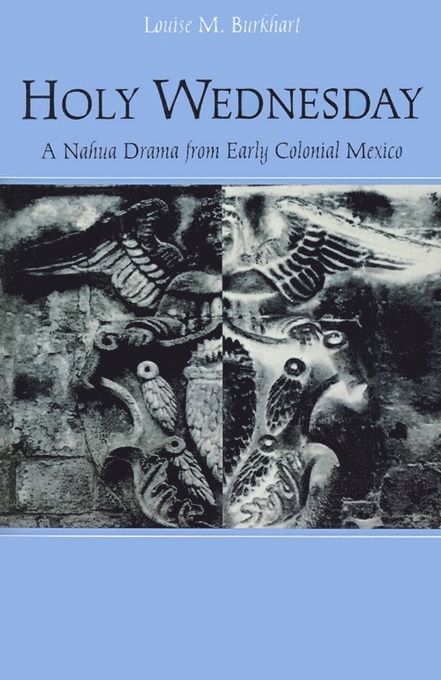
Identified only in 1986, the Nahuatl Holy Week play is the earliest known dramatic script in any Native American language. In Holy Wednesday, Louise Burkhart presents side-by-side English translations of the Nahuatl play and its Spanish source. An accompanying commentary analyzes the differences between the two versions to reveal how the native author altered the Spanish text to fit his own aesthetic sensibility and the broader discursive universe of the Nahua church. A richly detailed introduction places both works and their creators within the cultural and political contexts of late sixteenth-century Mexico and Spain.978-0-8122-3368-1 = IBM compatible disc978-0-8122-3367-4 = Mac compatible disc
Del 39 - Dumbarton Oaks Pre-Columbian Art and Archaeology Studies Series
Painted Words
Nahua Catholicism, Politics, and Memory in the Atzaqualco Pictorial Catechism
Häftad, Engelska, 2017
557 kr
Skickas inom 7-10 vardagar
1 088 kr
Tillfälligt slut
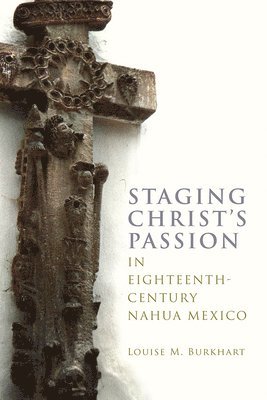
Copublished with the Institute for Mesoamerican Studies, University at AlbanyIMS Monograph SeriesStaging Christ’s Passion in Eighteenth-Century Nahua Mexico explores the Passion plays performed in Nahuatl (Aztec) by Indigenous Mexicans living under Spanish colonial occupation. Though sourced from European writings and devotional practices that emphasized the suffering of Christ and his mother, this Nahuatl theatrical tradition grounded the Passion story in the Indigenous corporate community. Passion plays had courted controversy in Europe since their twelfth-century origin, but in New Spain they faced Catholic authorities who questioned the spiritual and intellectual capacity of Indigenous people and, in the eighteenth century, sought to suppress these performances. Six surviving eighteenth-century scripts, variants of an original play possibly composed early in the seventeenth century, reveal how Nahuas passed along this model text while modifying it with new dialogue, characters, and stage techniques. Louise M. Burkhart explores the way Nahuas merged the Passion story with their language, cultural constructs, social norms, and religious practices while also responding to surveillance by Catholic churchmen. Analytical chapters trace significant themes through the six plays and key these to a composite play in English included in the volume.A cast with over fifty distinct roles acted out events extending from Palm Sunday to Christ’s death on the cross. One actor became a localized embodiment of Jesus through a process of investiture and mimesis that carried aspects of pre-Columbian materialized divinity into the later colonial period. The play told afar richer version of the Passion story than what later colonial Nahuas typically learned from their priests or catechists. And by assimilating Jesus to an Indigenous, or macehualli, identity, the players enacted a protest against colonial rule.The situation in eighteenth-century New Spain presents both a unique confrontation between Indigenous communities and Enlightenment era religious reformers and a new chapter in an age-old power game between popular practice and religious orthodoxy. By focusing on how Nahuas localized the universalizing narrative of Christ’s Passion, Staging Christ’s Passion in Eighteenth-Century Nahua Mexico offers an unusually in-depth view of religious life under colonial rule.Burkhart’s accompanying website also makes available transcriptions and translations of the six Nahuatl-language plays, four Spanish-language plays composed in response to the suppression of the Nahuatl practice, and related documentation, providing a valuable resource for anyone interested in consulting the original material.
525 kr
Skickas inom 5-8 vardagar
Staging Christ’s Passion in Eighteenth-Century Nahua Mexico explores the Passion plays performed in Nahuatl (Aztec) by Indigenous Mexicans living under Spanish colonial occupation. Though sourced from European writings and devotional practices that emphasized the suffering of Christ and his mother, this Nahuatl theatrical tradition grounded the Passion story in the Indigenous corporate community. Passion plays had courted controversy in Europe since their twelfth-century origin, but in New Spain they faced Catholic authorities who questioned the spiritual and intellectual capacity of Indigenous people and, in the eighteenth century, sought to suppress these performances. Six surviving eighteenth-century scripts, variants of an original play possibly composed early in the seventeenth century, reveal how Nahuas passed along this model text while modifying it with new dialogue, characters, and stage techniques. Louise M. Burkhart explores the way Nahuas merged the Passion story with their language, cultural constructs, social norms, and religious practices while also responding to surveillance by Catholic churchmen. Analytical chapters trace significant themes through the six plays and key these to a composite play in English included in the volume.A cast with over fifty distinct roles acted out events extending from Palm Sunday to Christ’s death on the cross. One actor became a localized embodiment of Jesus through a process of investiture and mimesis that carried aspects of pre-Columbian materialized divinity into the later colonial period. The play told afar richer version of the Passion story than what later colonial Nahuas typically learned from their priests or catechists. And by assimilating Jesus to an Indigenous, or macehualli, identity, the players enacted a protest against colonial rule.The situation in eighteenth-century New Spain presents both a unique confrontation between Indigenous communities and Enlightenment era religious reformers and a new chapter in an age-old power game between popular practice and religious orthodoxy. By focusing on how Nahuas localized the universalizing narrative of Christ’s Passion, Staging Christ’s Passion in Eighteenth-Century Nahua Mexico offers an unusually in-depth view of religious life under colonial rule.Burkhart’s accompanying website also makes available transcriptions and translations of the six Nahuatl-language plays, four Spanish-language plays composed in response to the suppression of the Nahuatl practice, and related documentation, providing a valuable resource for anyone interested in consulting the original material. Comments restricted to single pageplays composed in response to the suppression of the Nahuatl practice, and related documentation,providing a valuable resource for anyone interested in consulting the original material