Luba Freedman – författare
Visar alla böcker från författaren Luba Freedman. Handla med fri frakt och snabb leverans.
2 produkter
2 produkter
1 987 kr
Skickas
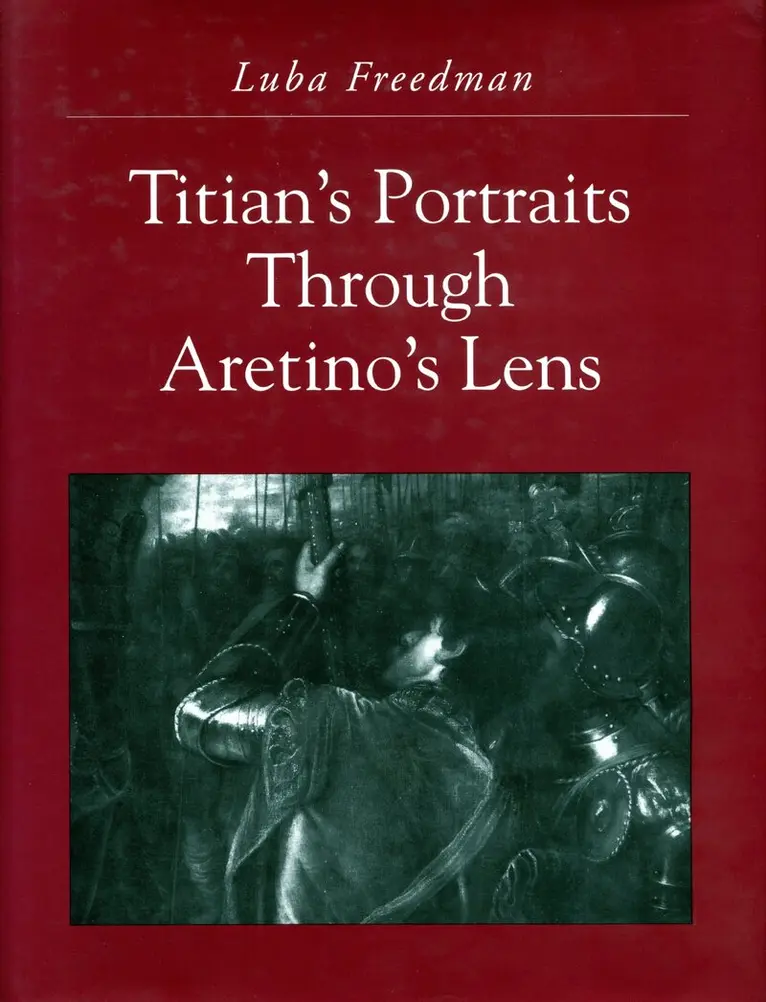
After classical antiquity, the Italian Renaissance raised the portrait, whether literary or pictorial, to the status of an important art form. Among sixteenth-century Renaissance painters, Titian made his reputation, and much of his living, by portraiture. Titian's portraits were promoted by his friend, Pietro Aretino, an eminent poet and critic, who addressed his letters and sonnets to the same personages whom Titian portrayed. In many of these letters (which often included sonnets), Aretino described both an individual patron and Titian's portrait of that patron, thus stimulating the reciprocal relation between a verbal and pictorial portrait. By investigating this unprecedented historical phenomenon, Luba Freedman elucidates the meaning conveyed by the portrait as an artistic form in Renaissance Italy.Fusing iconographical analysis of the most famous Titian portraits with rhetorical analysis of Aretino's literary legacy as compared to contemporary reactions, Freedman demonstrates that it is due to Titian's many portraits and to Aretino's repeated simultaneous writings about them that the portrait ceased being primarily a social-historical document, preserving the sitter's likeness for posterity. It gradually became, as it is today, a work of art, the artist's invention, which gives its viewer an aesthetic pleasure.
523 kr
Skickas inom 7-10 vardagar
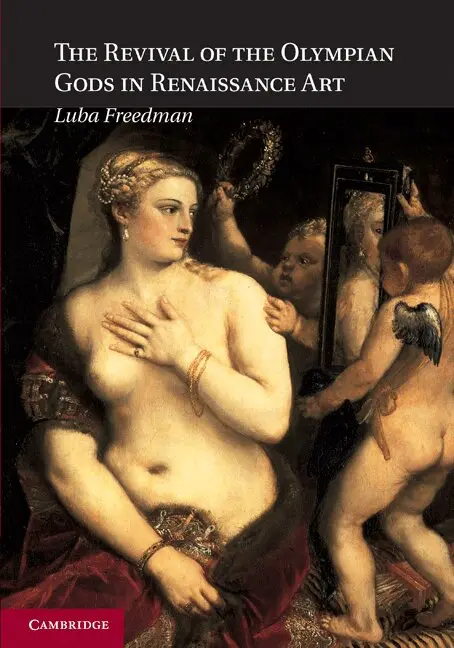
In this study, Luba Freedman examines the revival of the twelve Olympian deities in the visual arts of sixteenth-century Italy. Renaissance representations of the Olympians as autonomous figures in paintings, sculpture and drawing were not easily integrated into a Christian society. While many patrons and artists venerated the ancient artworks for their artistic qualities, others, nourished by religious beliefs, felt compelled to adapt ancient representations to Christian subjects. These conflicting attitudes influenced the representation of deities intentionally made all'antica, often resulting in an interweaving of classical and non-classical elements that is alien to the original, ancient sources. This study, the first devoted to this problem, highlights how problematic it was during the Cinquecento to display and receive images of pagan gods, whether shaped by ancient or contemporary artists. It offers new insights into the uneven absorption of the classical heritage during the early modern era.