Lubomira Radoilska – författare
Visar alla böcker från författaren Lubomira Radoilska. Handla med fri frakt och snabb leverans.
5 produkter
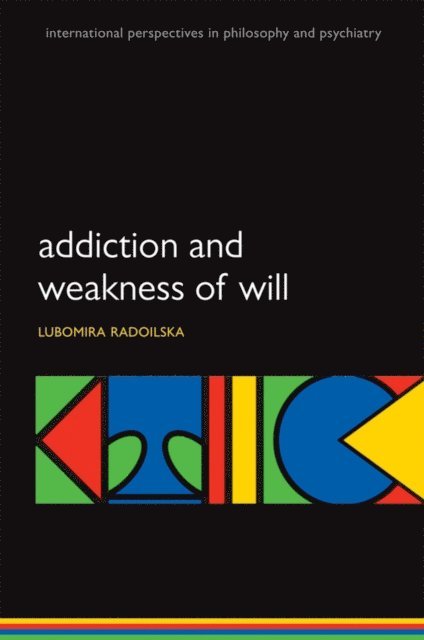
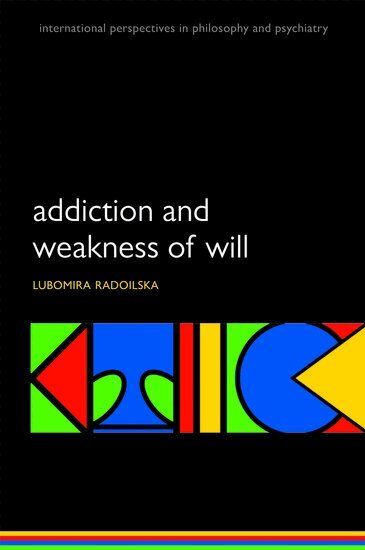
Addiction and Weakness of Will
E-bok, 2013
514 kr
Lägg i varukorg
The way in which society views addiction underlies how it treats, understands, blames, or even punishes those with addictive behaviours. This thought-provoking new book presents an original philosophical analysis bringing together addiction and weakness of will. Within the book, the author develops …
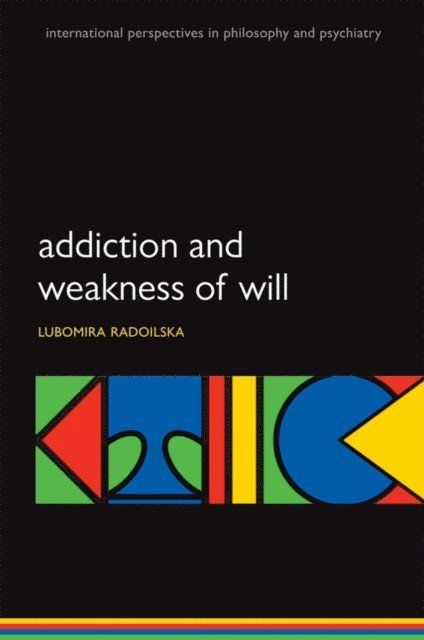
Addiction and Weakness of Will
E-bok, 2013
514 kr
Lägg i varukorg
The way in which society views addiction underlies how it treats, understands, blames, or even punishes those with addictive behaviours. This thought-provoking new book presents an original philosophical analysis bringing together addiction and weakness of will. Within the book, the author develops …
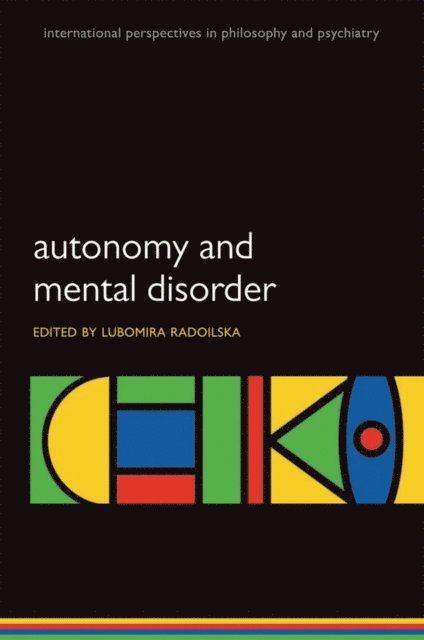
Autonomy and Mental Disorder
E-bok, 2012
615 kr
Lägg i varukorg
Autonomy is a fundamental though contested concept. For instance, most of us place great value on the opportunity to make our own decisions and to be able to lead a life of our own choosing. Yet there is stark disagreement on what is involved in being able to decide autonomously, as well as how …
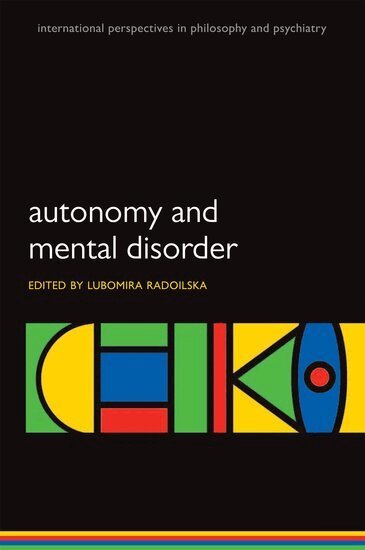
Autonomy and Mental Disorder
Häftad, 2012
1006 kr
Lägg i varukorg
Autonomy is a fundamental though contested concept. For instance, most of us place great value on the opportunity to make our own decisions and to be able to lead a life of our own choosing. Yet there is stark disagreement on what is involved in being able to decide autonomously, as well as how …
Addiction and Weakness of Will
Häftad, 2013
950 kr
Lägg i varukorg
The way in which society views addiction underlies how it treats, understands, blames, or even punishes those with addictive behaviours. This thought-provoking new book presents an original philosophical analysis bringing together addiction and weakness of will. Within the book, the author develops …