Lucy E. Bailey - Böcker
Visar alla böcker från författaren Lucy E. Bailey. Handla med fri frakt och snabb leverans.
7 produkter
7 produkter
665 kr
Skickas inom 10-15 vardagar
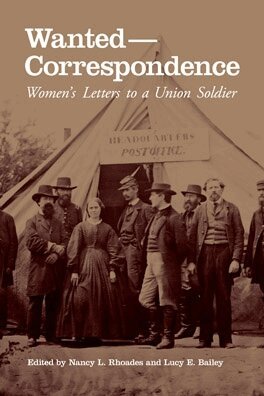
A unique collection of more than 150 letters written to an Ohio serviceman during the American Civil War that offers glimpses of women's lives as they waited, worked, and wrote from the Ohio home front. The letters reveal fascinating details of the lives of mostly young, single women—friends, acquaintances, love interests, and strangers who responded to one Union soldier's advertisement for correspondents. Almost all of the women who responded to Lieutenant Edwin Lewis Lybarger's lonely-hearts newspaper advertisement lived in Ohio and supported the Union. Lybarger carried the collection of letters throughout three years of military service, preserved them through his life, and left them to be discovered in an attic trunk more than a century after Lee's surrender.Women's letter writing functioned as a form of "war work" that bolstered the spirits of enlisted men and "kinship work" that helped forge romantic relationships and sustain community bonds across the miles. While men's letters and diaries abound in Civil War history, less readily available are comprehensive collections of letters from middle-class and rural women that survived the weathering of marches, camp life, and battles to emerge unscathed from men's knapsacks at war's end.The collection is accompanied by a detailed editorial introduction that highlights significant themes in the letters. Together, they contribute to the still-unfolding historical knowledge concerning Northern women's lives and experiences during this significant period in American history.
322 kr
Skickas inom 10-15 vardagar
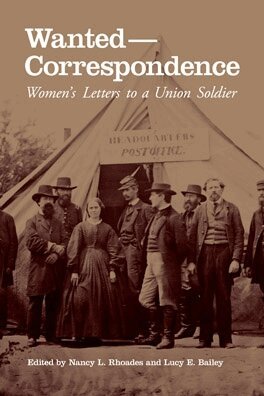
A unique collection of more than 150 letters written to an Ohio serviceman during the American Civil War that offers glimpses of women's lives as they waited, worked, and wrote from the Ohio home front. The letters reveal fascinating details of the lives of mostly young, single women—friends, acquaintances, love interests, and strangers who responded to one Union soldier's advertisement for correspondents. Almost all of the women who responded to Lieutenant Edwin Lewis Lybarger's lonely-hearts newspaper advertisement lived in Ohio and supported the Union. Lybarger carried the collection of letters throughout three years of military service, preserved them through his life, and left them to be discovered in an attic trunk more than a century after Lee's surrender.Women's letter writing functioned as a form of "war work" that bolstered the spirits of enlisted men and "kinship work" that helped forge romantic relationships and sustain community bonds across the miles. While men's letters and diaries abound in Civil War history, less readily available are comprehensive collections of letters from middle-class and rural women that survived the weathering of marches, camp life, and battles to emerge unscathed from men's knapsacks at war's end.The collection is accompanied by a detailed editorial introduction that highlights significant themes in the letters. Together, they contribute to the still-unfolding historical knowledge concerning Northern women's lives and experiences during this significant period in American history.
1 178 kr
Skickas inom 5-8 vardagar
In Foundations of Inquiry, Guoping Zhao and Lucy E. Bailey consider paradigms and how they connect to methodologies. The authors explore a rich body of paradigms (historical and contemporary) and how they form, support, and justify different methodologies and connect to designing and carrying out research.
1 027 kr
Skickas inom 7-10 vardagar
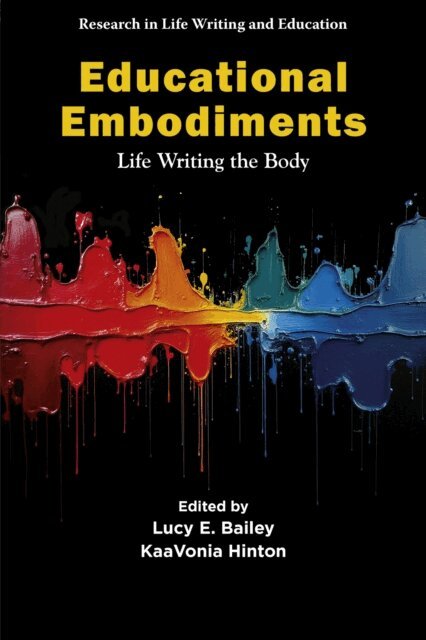
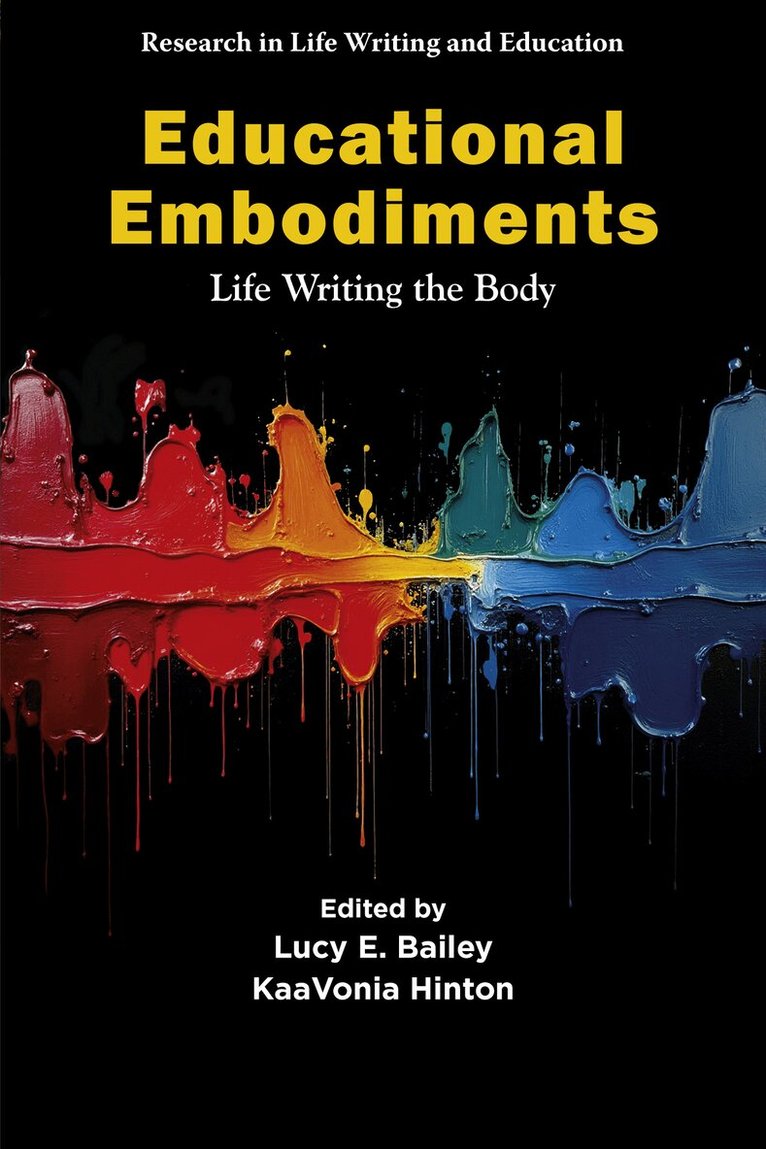
Educational Embodiments: Life Writing the Body focuses on life writing that centers body politics and embodiment in educational spaces. The aim of the book is to consider, examine, and voice the lived, fleshy, textured body as a site of politics, a site of embodied educative experiences, and a site of learning and teaching. Researchers and educators alike have long championed the disembodied researcher and teacher as the ideal collectors and vehicles for knowledge production and emphasized the intellect over the body in pedagogies, analyses, and fieldwork. We are always enfleshed in diverse ways in various locales, always changing, moving, becoming, aging, singing, aching, growing, becoming marred and scarred and stronger and bigger, and smaller again. We are embodied with others, interacting with other body-mind-souls that awaken interrelational proxemics and kinesthetic experiences. Educational Embodiments offers perspectives from which scholars, teachers, and students can draw to support their work. The 14 chapters in this collection attend to national, international, and local concerns, include varied theoretical and methodological approaches, and reflect a range of class, ethnic, and racial heritages. Chapters consider practical, theoretical, ethical, and educational issues. The authors include established and emerging scholars. The book sparks conversation, debate, and reflection and is a valuable resource that inspires scholarship about how embodied intersections shape the life-writing inquiry process.
581 kr
Skickas inom 7-10 vardagar
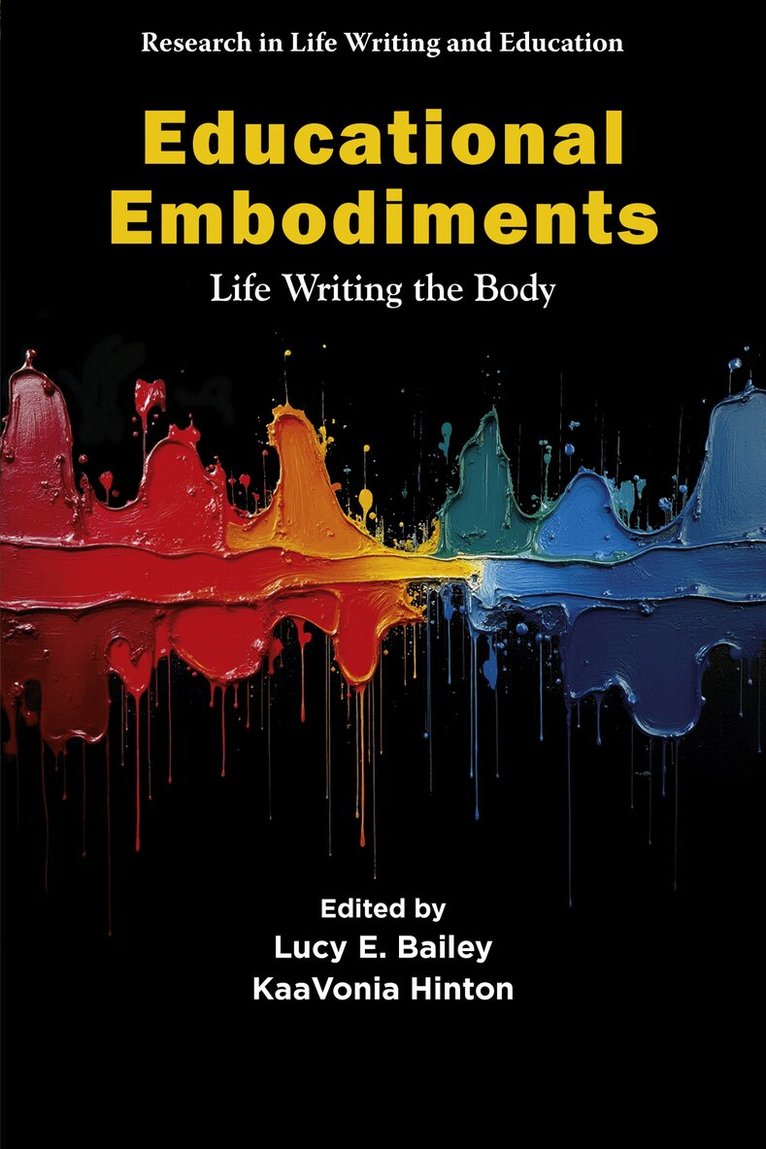
Educational Embodiments: Life Writing the Body focuses on life writing that centers body politics and embodiment in educational spaces. The aim of the book is to consider, examine, and voice the lived, fleshy, textured body as a site of politics, a site of embodied educative experiences, and a site of learning and teaching. Researchers and educators alike have long championed the disembodied researcher and teacher as the ideal collectors and vehicles for knowledge production and emphasized the intellect over the body in pedagogies, analyses, and fieldwork. We are always enfleshed in diverse ways in various locales, always changing, moving, becoming, aging, singing, aching, growing, becoming marred and scarred and stronger and bigger, and smaller again. We are embodied with others, interacting with other body-mind-souls that awaken interrelational proxemics and kinesthetic experiences. Educational Embodiments offers perspectives from which scholars, teachers, and students can draw to support their work. The 14 chapters in this collection attend to national, international, and local concerns, include varied theoretical and methodological approaches, and reflect a range of class, ethnic, and racial heritages. Chapters consider practical, theoretical, ethical, and educational issues. The authors include established and emerging scholars. The book sparks conversation, debate, and reflection and is a valuable resource that inspires scholarship about how embodied intersections shape the life-writing inquiry process.
581 kr
Skickas inom 7-10 vardagar
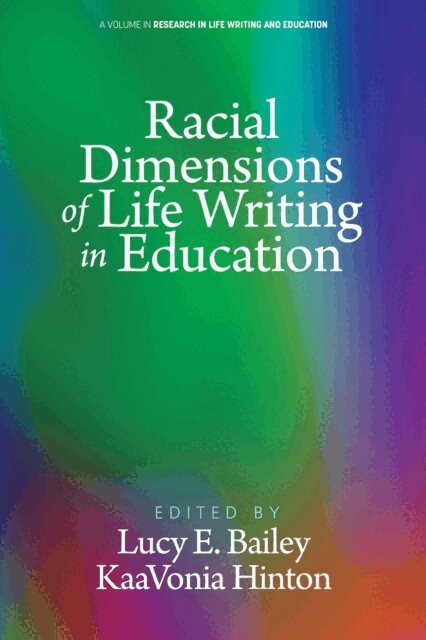
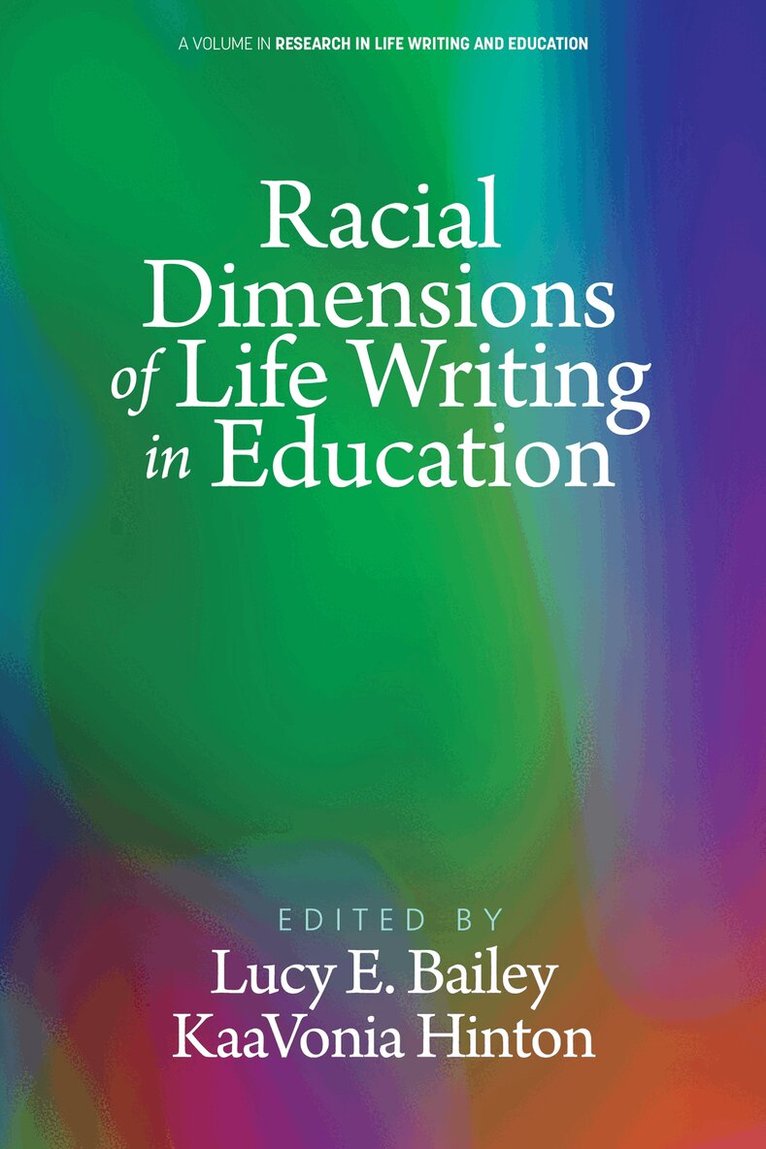
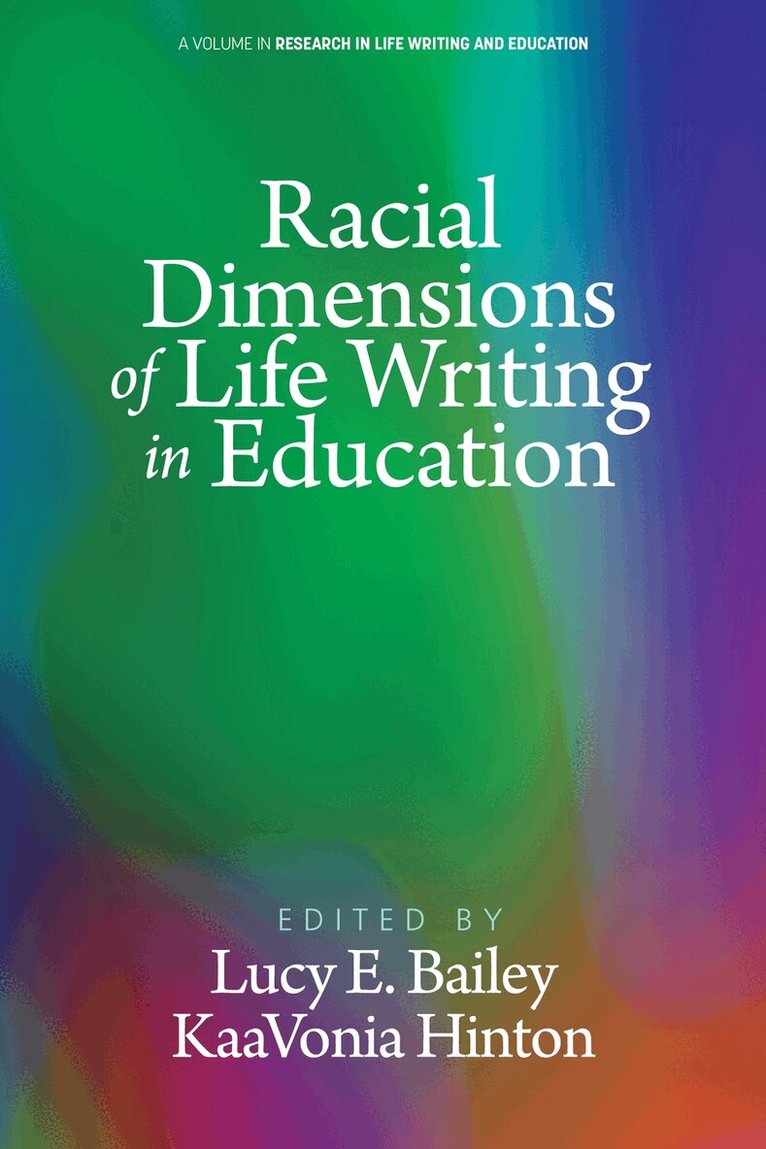
This collection presents life writing projects that explore or represent the racial dimensions of life writing research in diverse educational spaces using diverse methodologies and inquiry approaches. We believe this collection is long overdue. To quote Melva R. Grant and Signe E. Kastberg’s succinct phrasing (this volume) “racialized inquiry matters.” While some rich texts explore the racial aspects and anti-racist potential of social science research (Blee, 2018; Lopez & Parker, 2003; Sefa Dei & Johal, 2005; Twine & Warren, 2000), and include examples from educational contexts, there are no collections which focus on the intersections of life writing inquiry as educative projects that highlight racial dimensions of the work and lives under study. Drawing from Toni Morrison’s enduring wisdom, a visionary writer whose work has explored the racial dimensions of culture and lived experience, we centralize race in life writing in this collection rather than obscuring it or leaving it as a lurking, absent presence in the craft.Racial Dimensions of Life Writing Research offers a wealth of ideas and perspectives from which scholars, teachers, and students can draw to support their work. The 14 chapters in this collection attend to national, international, and local concerns, include varied theoretical and methodological approaches, and reflect a range of ethnic and racial heritages. Chapters consider practical, theoretical, ethical, and educational issues involved in projects concerning under-represented educational actors important for the terrain of life writing. The authors include established and emerging scholars— university researchers, directors, and professors, academic advisors, graduate and undergraduate students, activists, and former elementary and secondary school teachers. It is our hope that this volume will spark conversation, debate, and reflection and will be a valuable resource that inspires scholarship about how race and its intersections shape the life-writing inquiry process.
1 027 kr
Skickas inom 7-10 vardagar
This collection presents life writing projects that explore or represent the racial dimensions of life writing research in diverse educational spaces using diverse methodologies and inquiry approaches. We believe this collection is long overdue. To quote Melva R. Grant and Signe E. Kastberg’s succinct phrasing (this volume) “racialized inquiry matters.” While some rich texts explore the racial aspects and anti-racist potential of social science research (Blee, 2018; Lopez & Parker, 2003; Sefa Dei & Johal, 2005; Twine & Warren, 2000), and include examples from educational contexts, there are no collections which focus on the intersections of life writing inquiry as educative projects that highlight racial dimensions of the work and lives under study. Drawing from Toni Morrison’s enduring wisdom, a visionary writer whose work has explored the racial dimensions of culture and lived experience, we centralize race in life writing in this collection rather than obscuring it or leaving it as a lurking, absent presence in the craft.Racial Dimensions of Life Writing Research offers a wealth of ideas and perspectives from which scholars, teachers, and students can draw to support their work. The 14 chapters in this collection attend to national, international, and local concerns, include varied theoretical and methodological approaches, and reflect a range of ethnic and racial heritages. Chapters consider practical, theoretical, ethical, and educational issues involved in projects concerning under-represented educational actors important for the terrain of life writing. The authors include established and emerging scholars— university researchers, directors, and professors, academic advisors, graduate and undergraduate students, activists, and former elementary and secondary school teachers. It is our hope that this volume will spark conversation, debate, and reflection and will be a valuable resource that inspires scholarship about how race and its intersections shape the life-writing inquiry process.