Luke T. Johnson – författare
Visar alla böcker från författaren Luke T. Johnson. Handla med fri frakt och snabb leverans.
2 produkter
2 produkter
275 kr
Skickas inom 5-8 vardagar
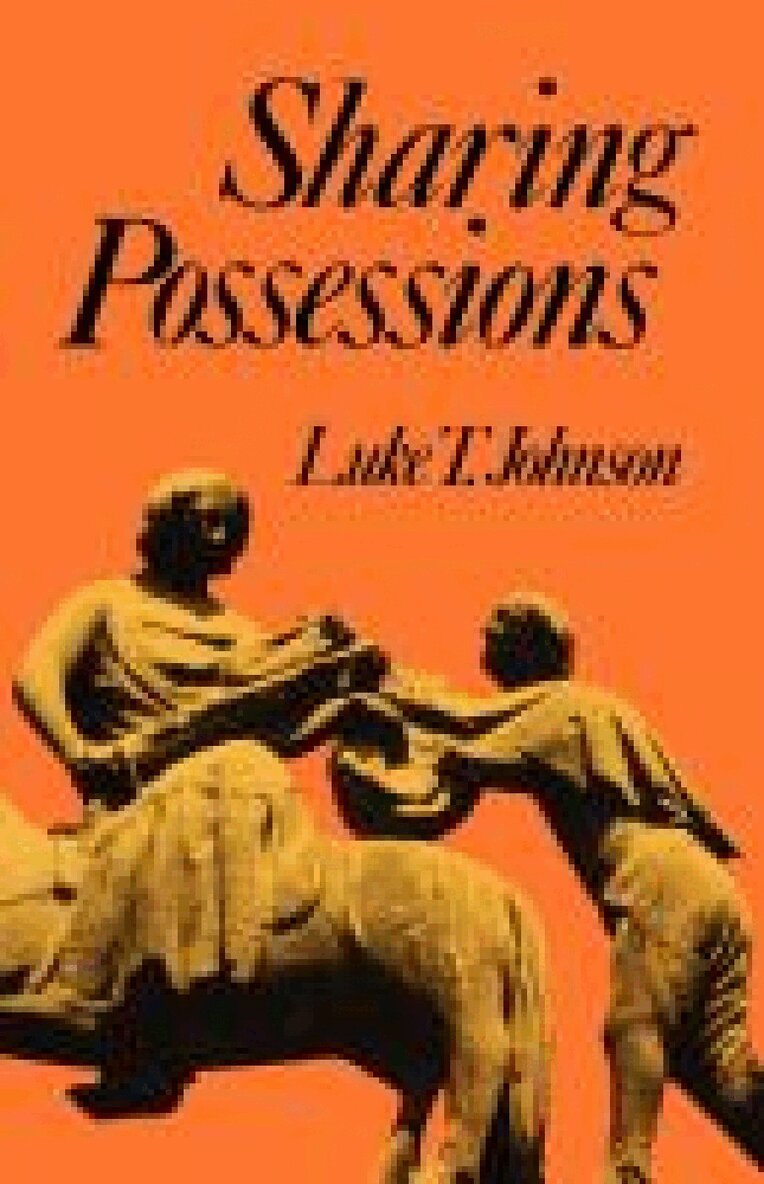
This book is written as an exercise in theological reflection on one of the knottiest questions imaginable: the connection between being a Christian and the way we own and use things. Thinking is always hard work, and thinking about the things we own and use brings us to the very heart of our individual and collective sense of identity. Much of the book is devoted to what is said about possessions in the Bible; however, that cannot be presented as a neatly wrapped package. First, it is doubtful whether there is such a package, and second, even if there were, it could all too easily become just one more possession. Individuals have to struggle through to their own personal choice on the basis of serious thought. One point at which the author, who spent nine years as a monk, takes issue with the Christian tradition, is over communal possessions. Although this has been an ideal from the book of Acts onwards, it carries with it many dangers, from motivation to social control, and in a modern world other forms of sharing, above all almsgiving, are shown to have a more satisfactory theological foundation.
Del 146 - Novum Testamentum, Supplements
Contested Issues in Christian Origins and the New Testament
Collected Essays
Inbunden, Engelska, 2013
5 266 kr
Skickas inom 3-6 vardagar
In a collection of essays spanning some 35 years, Luke Timothy Johnson takes on some of the most contested issues in the study of Christian Origins and the New Testament --- from the historical Jesus and the Jesus of the Gospels, through exegetical studies of Luke-Acts and Paul, to questions pertaining to the development of early Christian history, relations with Judaism, the uses of polemic, sexuality, and law.Johnson's work is characterized by close attention to texts and a concern for methodological rigor. Far from representing scholarly consensus, these essays consistently display independence of judgment, whether concerning the authorship of Paul's disputed letters, the legitimacy of the quest for the historical Jesus, or the toxic character of some early Christian texts.