Lyndan Warner – författare
Visar alla böcker från författaren Lyndan Warner. Handla med fri frakt och snabb leverans.
16 produkter
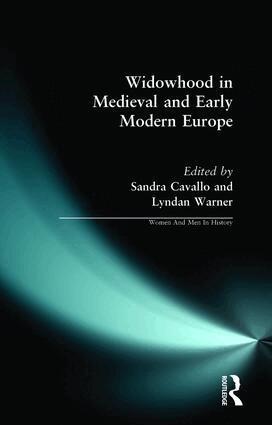
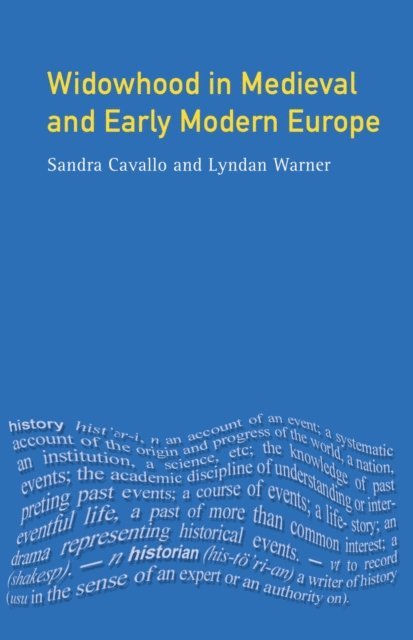
Widowhood in Medieval and Early Modern Europe
Av Sandra Cavallo, Lyndan Warner
Häftad, 1999
891 kr
Lägg i varukorg
This new collection of essays brings together brand new research on widowhood in medieval and early modern Europe. The volume opens with an introductory chapter by the Editors which looks generally at the conditions and constructions of widowhood in this period. This is followed by a range of …
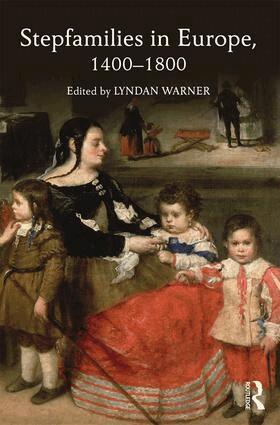
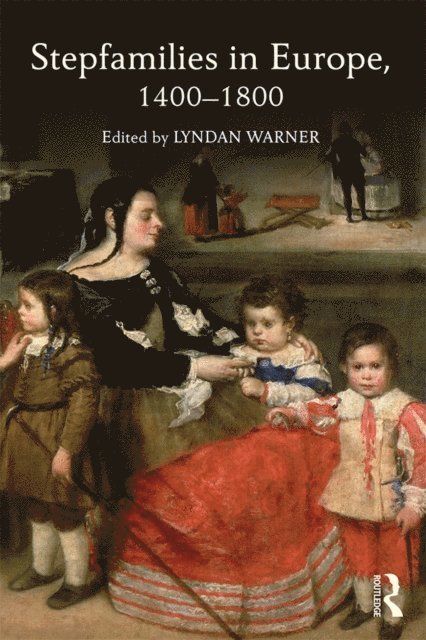
Stepfamilies in Europe, 1400-1800
Häftad, 2018
727 kr
Lägg i varukorg
Stepfamilies were as common in the European past as they are today. Stepfamilies in Europe, 1400–1800 is the first in-depth study to chart four centuries of continuity and change for these complex families created by the death of a parent and the remarriage of the survivor. With geographic coverage …
Stepfamilies across Europe and Overseas, 1550-1900
Av Gabriella Erdelyi, Lyndan Warner
E-bok, 2024
856 kr
Lägg i varukorg
This book emphasizes diverse perspectives on the new and expanding history of stepfamilies in Europe and some of its overseas territories from 1550 to 1900. The chapters examine the life stages within stepfamilies from the half-orphans and illegitimate children who experienced the introduction of a …
Stepfamilies across Europe and Overseas, 1550-1900
Av Gabriella Erdelyi, Lyndan Warner
E-bok, 2024
856 kr
Lägg i varukorg
This book emphasizes diverse perspectives on the new and expanding history of stepfamilies in Europe and some of its overseas territories from 1550 to 1900. The chapters examine the life stages within stepfamilies from the half-orphans and illegitimate children who experienced the introduction of a …
Stepfamilies across Europe and Overseas, 1550–1900
Av Lyndan Warner, Gabriella Erdélyi
Inbunden, 2024
2585 kr
Lägg i varukorg
This book emphasizes diverse perspectives on the new and expanding history of stepfamilies in Europe and some of its overseas territories from 1550 to 1900.The chapters examine the life stages within stepfamilies from the half-orphans and illegitimate children who experienced the introduction of a …
Stepfamilies across Europe and Overseas, 1550–1900
Av Lyndan Warner, Gabriella Erdélyi
Häftad, 2025
727 kr
Lägg i varukorg
This book emphasizes diverse perspectives on the new and expanding history of stepfamilies in Europe and some of its overseas territories from 1550 to 1900.The chapters examine the life stages within stepfamilies from the half-orphans and illegitimate children who experienced the introduction of a …
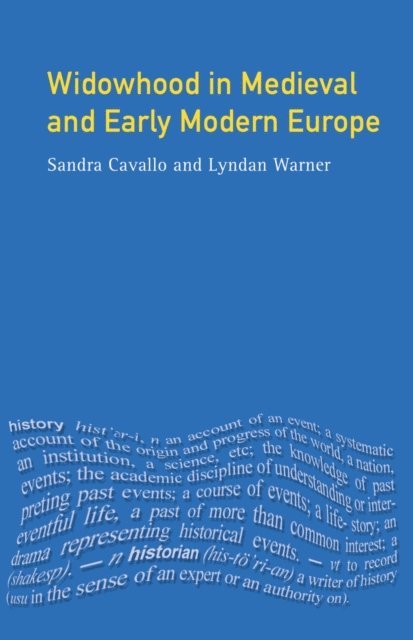
Widowhood in Medieval and Early Modern Europe
Av Sandra Cavallo, Lyndan Warner
Inbunden, 2016
2585 kr
Lägg i varukorg
This new collection of essays brings together brand new research on widowhood in medieval and early modern Europe. The volume opens with an introductory chapter by the Editors which looks generally at the conditions and constructions of widowhood in this period. This is followed by a range of …
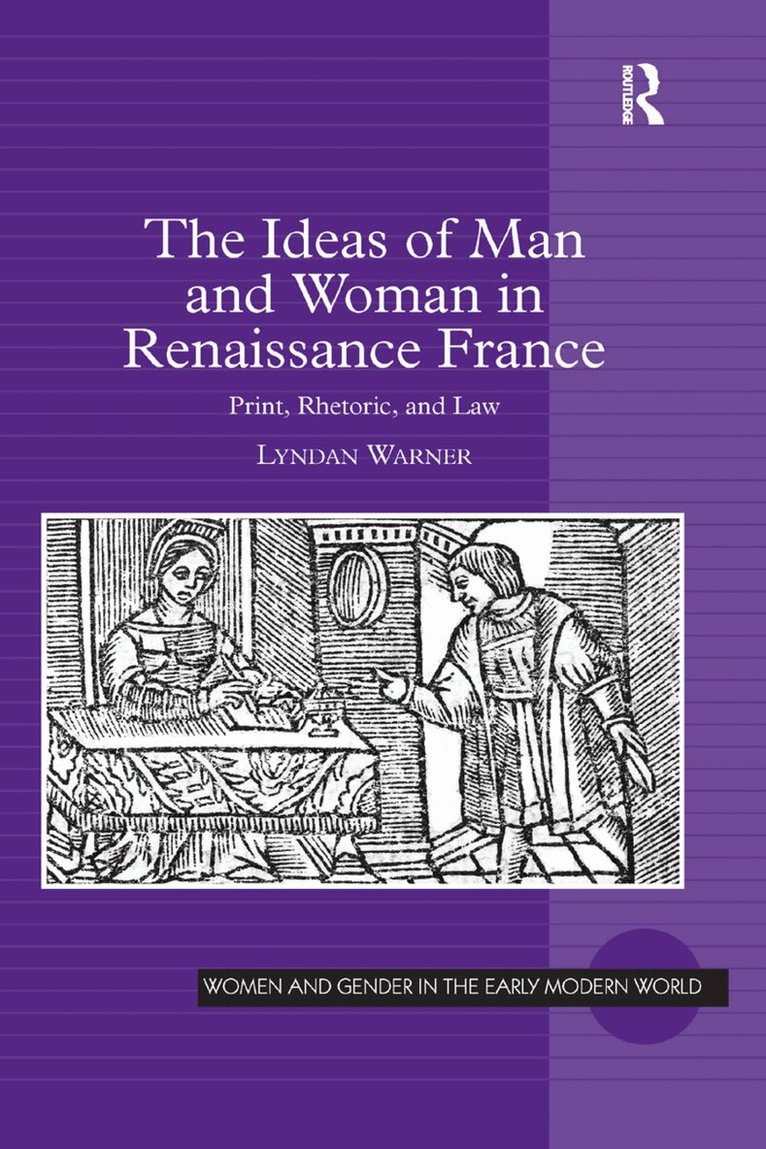
Ideas of Man and Woman in Renaissance France
Print, Rhetoric, and Law
Häftad, 2019
928 kr
Lägg i varukorg
The Ideas of Man and Woman in Renaissance France provides the first comprehensive comparison of the printed debates in the 1500s over the superiority or inferiority of woman - the Querelle des femmes - and the dignity and misery of man. Analysing these writings side by side, Lyndan Warner reveals …
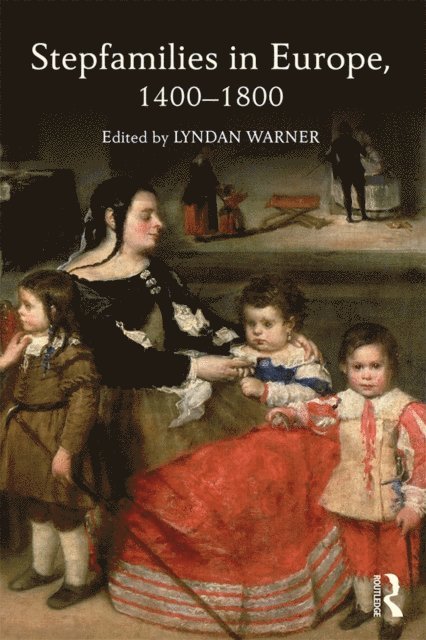
Stepfamilies in Europe, 1400-1800
Inbunden, 2018
2585 kr
Lägg i varukorg
Stepfamilies were as common in the European past as they are today. Stepfamilies in Europe, 1400–1800 is the first in-depth study to chart four centuries of continuity and change for these complex families created by the death of a parent and the remarriage of the survivor. With geographic coverage …
Ideas of Man and Woman in Renaissance France
Print, Rhetoric, and Law
E-bok, 2016
981 kr
Lägg i varukorg
The Ideas of Man and Woman in Renaissance France provides the first comprehensive comparison of the printed debates in the 1500s over the superiority or inferiority of woman - the Querelle des femmes - and the dignity and misery of man. Analysing these writings side by side, Lyndan Warner reveals …
Ideas of Man and Woman in Renaissance France
Print, Rhetoric, and Law
E-bok, 2016
981 kr
Lägg i varukorg
The Ideas of Man and Woman in Renaissance France provides the first comprehensive comparison of the printed debates in the 1500s over the superiority or inferiority of woman - the Querelle des femmes - and the dignity and misery of man. Analysing these writings side by side, Lyndan Warner reveals …
Widowhood in Medieval and Early Modern Europe
Av Lyndan Warner, Sandra Cavallo
E-bok, 2014
1052 kr
Lägg i varukorg
This new collection of essays brings together brand new research on widowhood in medieval and early modern Europe. The volume opens with an introductory chapter by the Editors which looks generally at the conditions and constructions of widowhood in this period. This is followed by a range of …
Widowhood in Medieval and Early Modern Europe
Av Lyndan Warner, Sandra Cavallo
E-bok, 2014
1030 kr
Lägg i varukorg
This new collection of essays brings together brand new research on widowhood in medieval and early modern Europe. The volume opens with an introductory chapter by the Editors which looks generally at the conditions and constructions of widowhood in this period. This is followed by a range of …
Stepfamilies in Europe, 1400-1800
E-bok, 2018
838 kr
Lägg i varukorg
Stepfamilies were as common in the European past as they are today . Stepfamilies in Europe, 1400 – 1800 is the first in-depth study to chart four centuries of continuity and change for these complex families created by the death of a parent and the remarriage of the survivor. With geographic …
Stepfamilies in Europe, 1400-1800
E-bok, 2018
856 kr
Lägg i varukorg
Stepfamilies were as common in the European past as they are today . Stepfamilies in Europe, 1400 – 1800 is the first in-depth study to chart four centuries of continuity and change for these complex families created by the death of a parent and the remarriage of the survivor. With geographic …
Ideas of Man and Woman in Renaissance France
Print, Rhetoric, and Law
Inbunden, 2011
2887 kr
Lägg i varukorg
The Ideas of Man and Woman in Renaissance France provides the first comprehensive comparison of the printed debates in the 1500s over the superiority or inferiority of woman - the Querelle des femmes - and the dignity and misery of man. Analysing these writings side by side, Lyndan Warner reveals …