M. A. Stewart – författare
Visar alla böcker från författaren M. A. Stewart. Handla med fri frakt och snabb leverans.
8 produkter
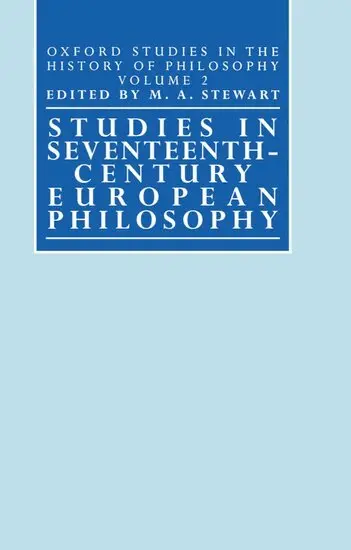
Studies in Seventeenth-Century European Philosophy
Av Columba Stewart, M. A. Stewart
Inbunden, 1997
2765 kr
Lägg i varukorg
Studies in Seventeenth-Century European Philosophy is a collection of new, specially written essays on the flowering of modern philosophy on the continent of Europe. It is the second volume in a series designed to combine historical and analytical commentary on significant topics or periods in the …
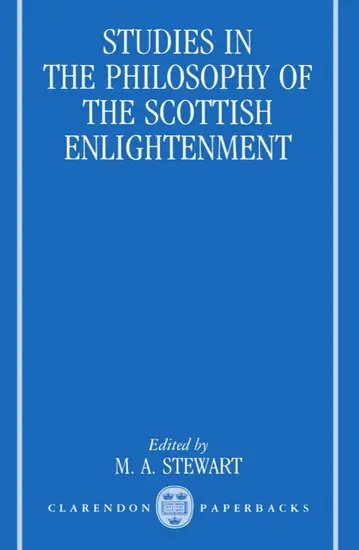
Studies in the Philosophy of the Scottish Enlightenment
Häftad, 1991
965 kr
Lägg i varukorg
This is the first volume of the series Oxford Studies in the History of Philosophy. Each volume of the series is organized around a particular theme, and is cross-disciplinary in its approach. In this collection of substantial new studies in Scottish Philosophy in the age of Hutcheson and Hume, …
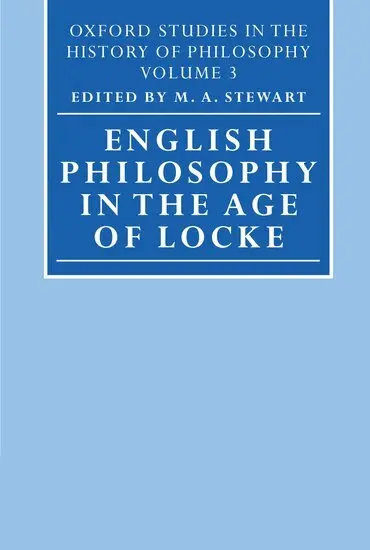
English Philosophy in the Age of Locke
Inbunden, 2000
3794 kr
Lägg i varukorg
English Philosophy in the Age of Locke presents a set of new essays investigating key issues in English philosophical, political, and religious thought in the second half of the seventeenth century. Particular emphasis is given to the interaction between philosophy and religion in the leading …
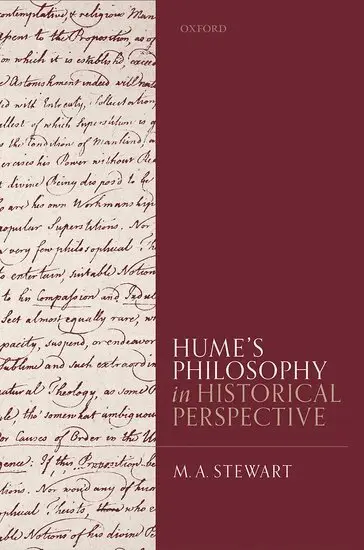
Hume's Philosophy in Historical Perspective
Inbunden, 2022
1682 kr
Lägg i varukorg
David Hume was a highly original thinker. Nevertheless, he was a writer of his time and place in the history of philosophy. In this book, M. A. Stewart puts Hume's writing in context, particularly that of his native Scotland, but also that of British and European philosophy more generally. Through …
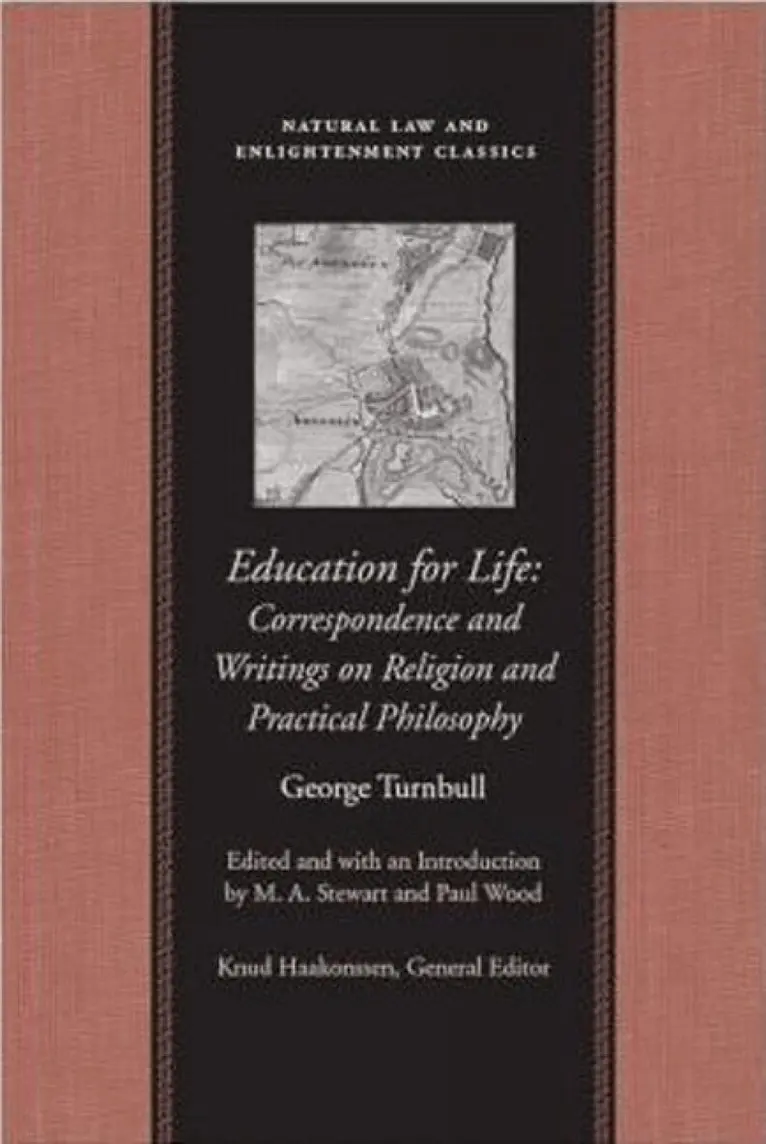
Education for Life
Correspondence & Writings on Religion & Practical Philosophy
Av George Turnbull, M A Stewart m. fl.
Inbunden, 2015
338 kr
Lägg i varukorg
Liberty Fund recognises the significance of George Turnbull, one of the earliest of the authors in the Scottish tradition, with the publication of new editions of his 'Principles of Moral and Christian Philosophy', his 'Observations upon Liberal Education', and his translation of Heineccius. These …
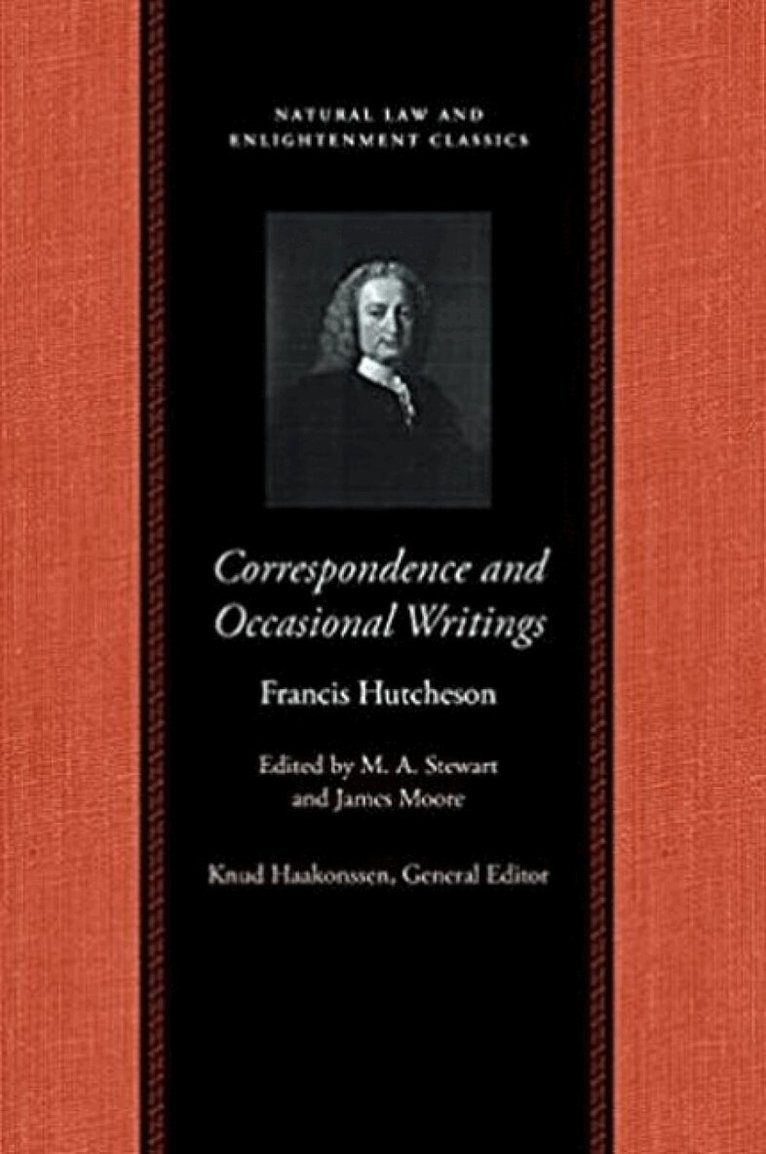
Correspondence & Occasional Writings of Francis Hutcheson
Av Francis Hutcheson, M. a. Stewart m. fl.
Inbunden, 2022
338 kr
Lägg i varukorg
In light of the fact that Francis Hutcheson (1694-1746) was one of the most influential philosophers of the Scottish Enlightenment, it is remarkable that there has never been an edition of his correspondence. Hutcheson's epistolary offerings include letters published in journals in England, …
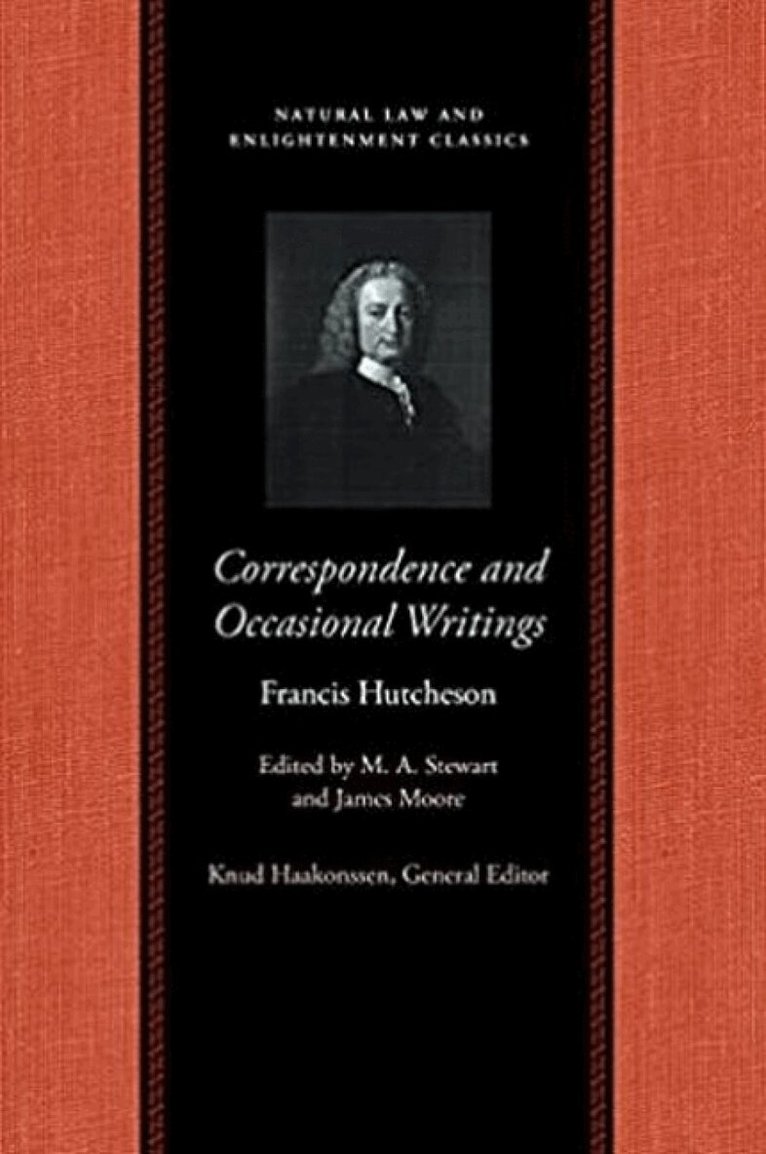
Correspondence & Occasional Writings of Francis Hutcheson
Av Francis Hutcheson, M. a. Stewart m. fl.
Häftad, 2022
152 kr
Lägg i varukorg
In light of the fact that Francis Hutcheson (1694-1746) was one of the most influential philosophers of the Scottish Enlightenment, it is remarkable that there has never been an edition of his correspondence. Hutcheson's epistolary offerings include letters published in journals in England, …
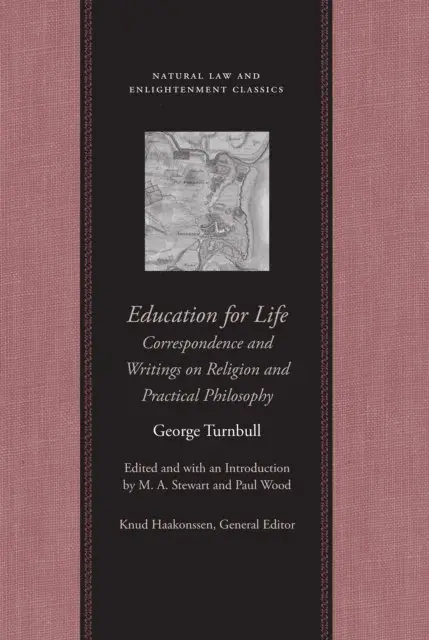
Education for Life
Correspondence and Writings on Religion and Practical Philosophy
Av George Turnbull, Paul Wood m. fl.
E-bok, 2015
82 kr
Lägg i varukorg
George Turnbull belongs with a group of early Scottish Enlightenment thinkers, including Francis Hutcheson, who found their native Calvinism too repressive. They sought to relocate religion within a context of reason and science and to establish a tolerant and humane ethic upon values rooted in …