M. Bianet Castellanos - Böcker
Visar alla böcker från författaren M. Bianet Castellanos. Handla med fri frakt och snabb leverans.
4 produkter
4 produkter
321 kr
Skickas inom 7-10 vardagar
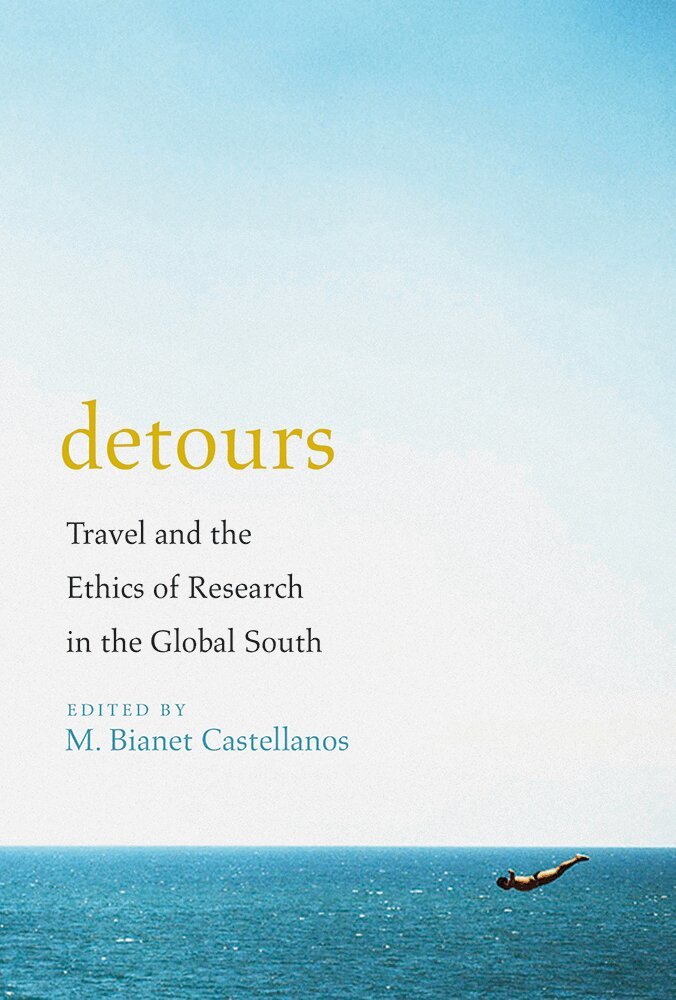
Touring. Seeing. Knowing. Travel often evokes strong reactions and engagements. But what of the ethics and politics of this experience? Through critical, personal reflections, the essays in Detours grapple with the legacies of cultural imperialism that shape travel, research, and writing.Influenced by the works of anthropologists Ruth Behar and Renato Rosaldo, the scholars and journalists in this volume consider how first encounters-those initial, awkward attempts to learn about a culture and a people-evolved into enduring and critical engagements. Contemplating the ethics and racial politics of traveling and doing research abroad, they call attention to the power and privilege that permit researchers to enter people's lives, ask intimate questions, and publish those disclosures. Focusing on Latin America and the Caribbean, they ask, Why this place? What keeps us coming back? And what role do we play in producing narratives of inequality, uneven development, and global spectacle?The book examines the 'politics of return'-the experiences made possible by revisiting a field site over extended periods of time-of scholars and journalists who have spent decades working in and writing about Latin America and the Caribbean. Contributors aren't telling a story of enlightenment and goodwill; they focus instead on the slippages and conundrums that marked them and raised questions of their own intentions and intellectual commitments.Speaking from the intersection of race, class, and gender, the contributors explore the hubris and nostalgia that motivate returning again and again to a particular place. Through personal stories, they examine their changing ideas of Latin America and the Caribbean and how those places have shaped the people they've become, as writers, as teachers, and as activists.
285 kr
Skickas inom 10-15 vardagar
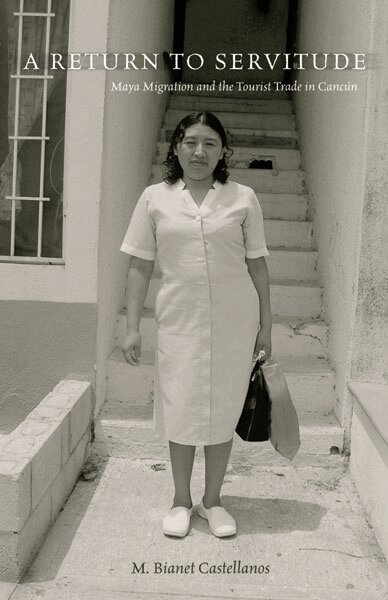
As a free trade zone and Latin America's most popular destination, CancÚn, Mexico, is more than just a tourist town. It is not only actively involved in the production of transnational capital but also forms an integral part of the state's modernization plan for rural, indigenous communities. Indeed, Maya migrants make up over a third of the city's population.A Return to Servitude is an ethnography of Maya migration within Mexico that analyzes the foundational role indigenous peoples play in the development of the modern nation-state. Focusing on tourism in the YucatÁn Peninsula, M. Bianet Castellanos examines how CancÚn came to be equated with modernity, how this city has shaped the political economy of the peninsula, and how indigenous communities engage with this vision of contemporary life. More broadly, she demonstrates how indigenous communities experience, resist, and accommodate themselves to transnational capitalism.Tourism and the social stratification that results from migration have created conflict among the Maya. At the same time, this work asserts, it is through engagement with modernity and its resources that they are able to maintain their sense of indigeneity and community.
1 105 kr
Skickas inom 7-10 vardagar
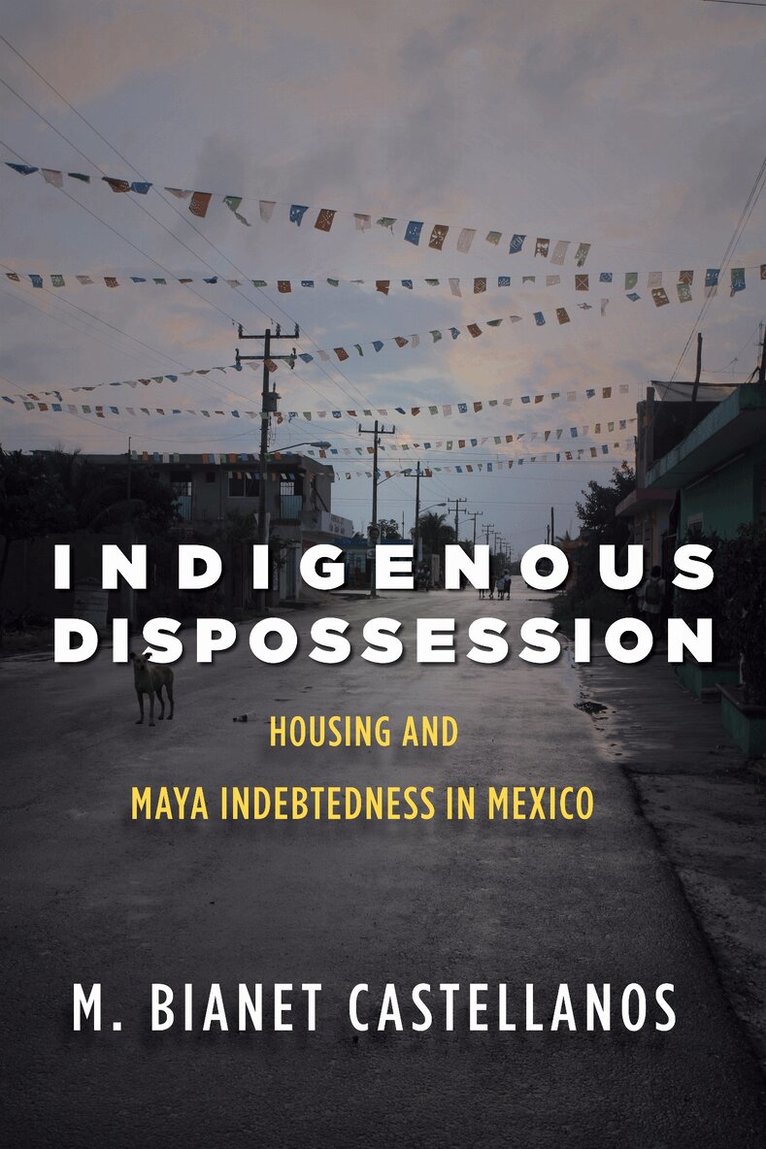
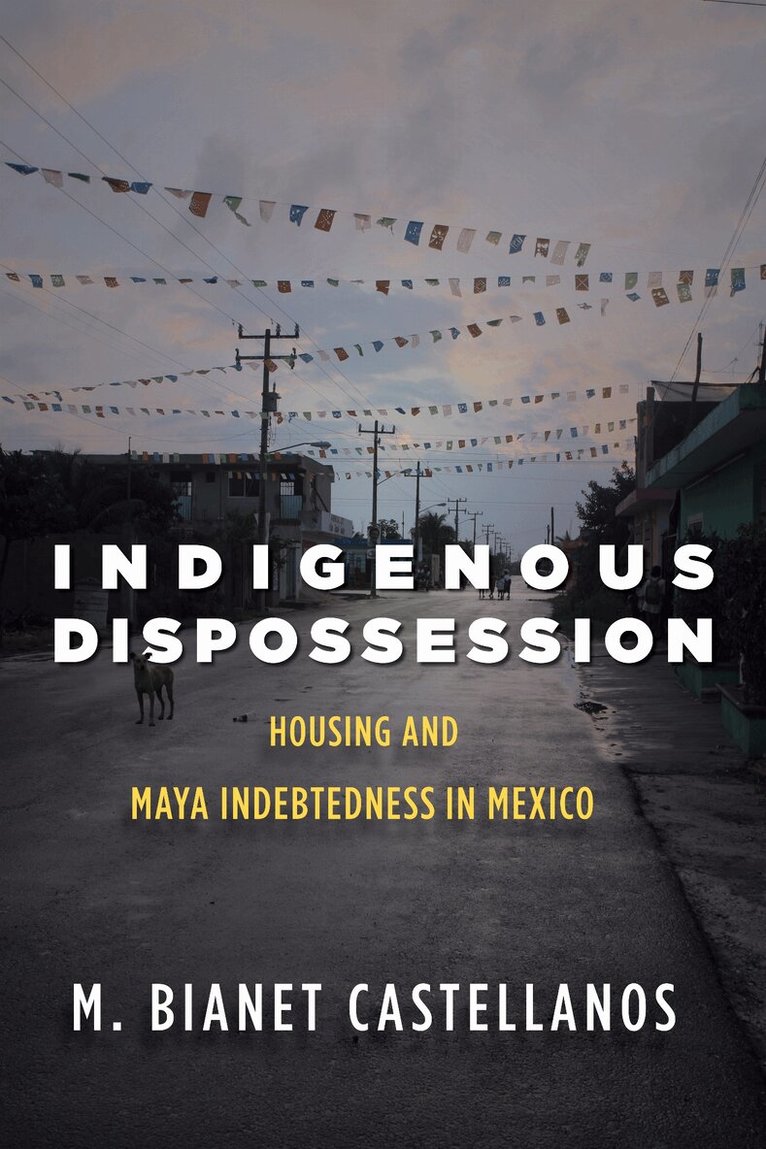
Following the recent global housing boom, tract housing development became a billion-dollar industry in Mexico. At the national level, neoliberal housing policy has overtaken debates around land reform. For Indigenous peoples, access to affordable housing remains crucial to alleviating poverty. But as palapas, traditional thatch and wood houses, are replaced by tract houses in the Yucatán Peninsula, Indigenous peoples' relationship to land, urbanism, and finance is similarly transformed, revealing a legacy of debt and dispossession.Indigenous Dispossession examines how Maya families grapple with the ramifications of neoliberal housing policies. M. Bianet Castellanos relates Maya migrants' experiences with housing and mortgage finance in Cancún, one of Mexico's fastest-growing cities. Their struggle to own homes reveals colonial and settler colonial structures that underpin the city's economy, built environment, and racial order. But even as Maya people contend with predatory lending practices and foreclosure, they cultivate strategies of resistance—from "waiting out" the state, to demanding Indigenous rights in urban centers. As Castellanos argues, it is through these maneuvers that Maya migrants forge a new vision of Indigenous urbanism.
268 kr
Skickas inom 7-10 vardagar
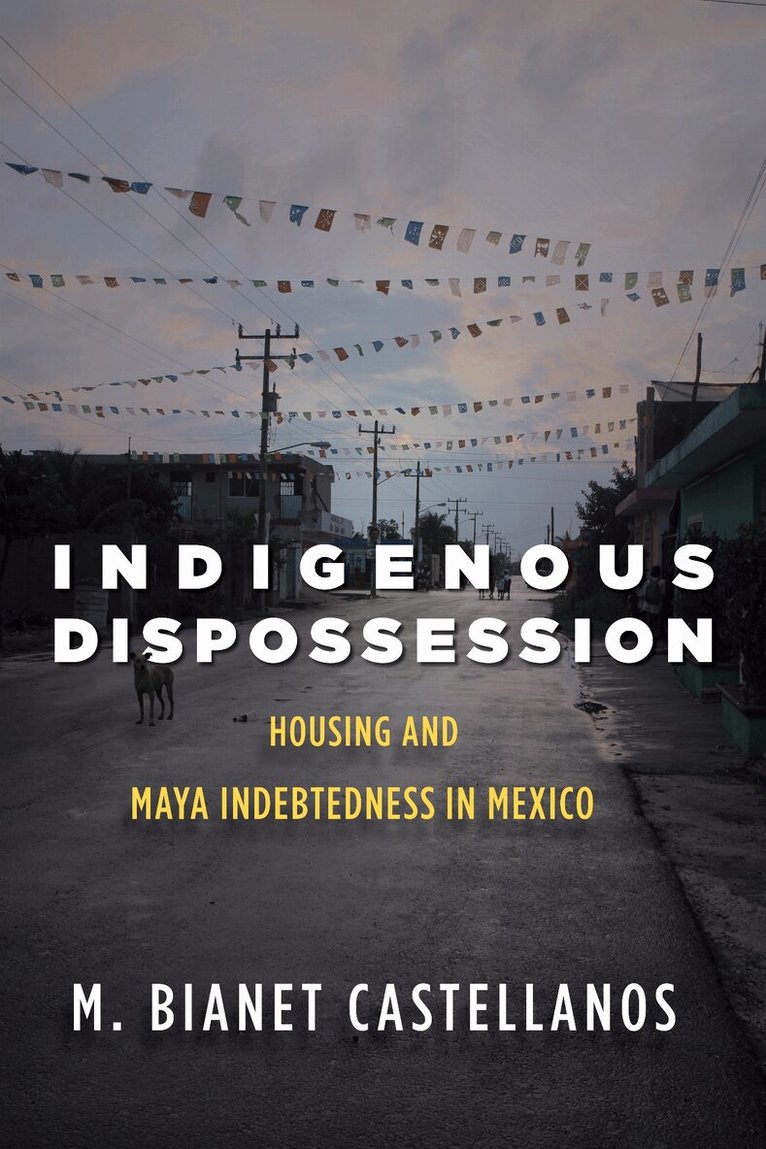
Following the recent global housing boom, tract housing development became a billion-dollar industry in Mexico. At the national level, neoliberal housing policy has overtaken debates around land reform. For Indigenous peoples, access to affordable housing remains crucial to alleviating poverty. But as palapas, traditional thatch and wood houses, are replaced by tract houses in the Yucatán Peninsula, Indigenous peoples' relationship to land, urbanism, and finance is similarly transformed, revealing a legacy of debt and dispossession.Indigenous Dispossession examines how Maya families grapple with the ramifications of neoliberal housing policies. M. Bianet Castellanos relates Maya migrants' experiences with housing and mortgage finance in Cancún, one of Mexico's fastest-growing cities. Their struggle to own homes reveals colonial and settler colonial structures that underpin the city's economy, built environment, and racial order. But even as Maya people contend with predatory lending practices and foreclosure, they cultivate strategies of resistance—from "waiting out" the state, to demanding Indigenous rights in urban centers. As Castellanos argues, it is through these maneuvers that Maya migrants forge a new vision of Indigenous urbanism.