M. Katherine B. Darmer – författare
Visar alla böcker från författaren M. Katherine B. Darmer. Handla med fri frakt och snabb leverans.
3 produkter
3 produkter
Häftad, Engelska, 2004
290 kr
Skickas inom 3-6 vardagar
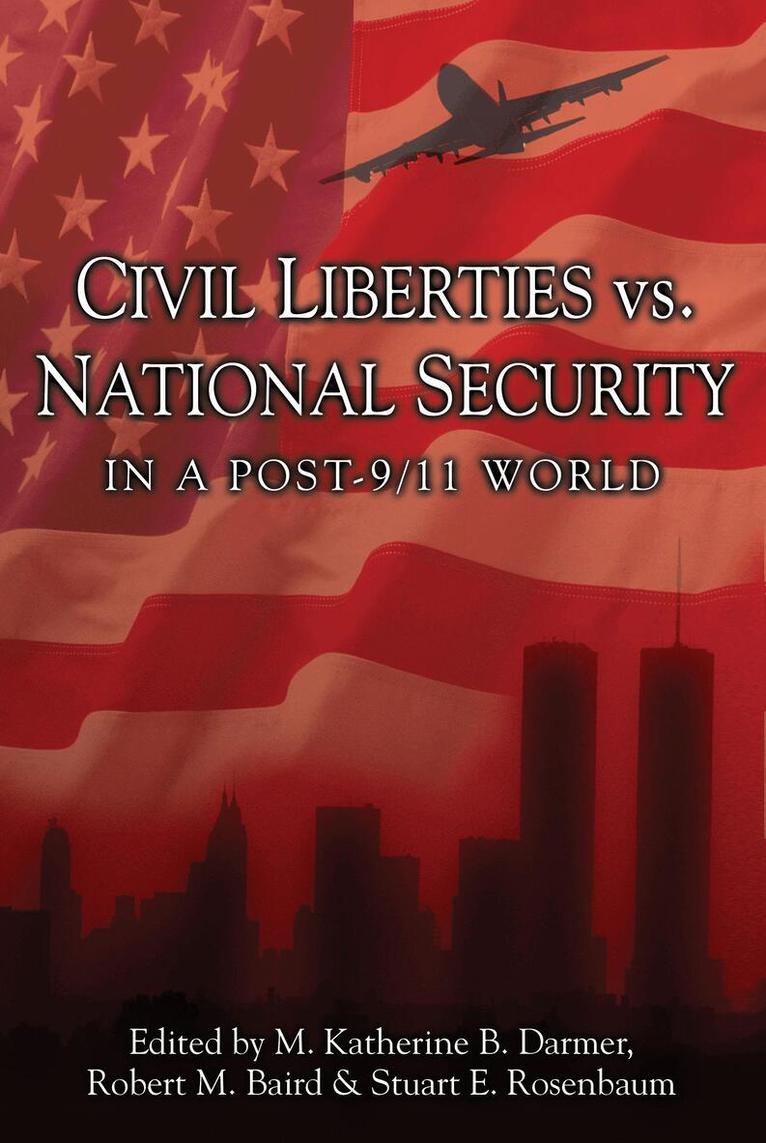
In the aftermath of September 11, 2001, national security concerns have been in the forefront of public consciousness and federal authorities. But with the speedy passage of the U.S.A. PATRIOT Act after 9/11, some citizens have criticized the government for unduly curtailing civil liberties under the veil of national security. Others argue that the gravity of the terrorist threat warrants the increased security measures that have been implemented.This timely and balanced collection by leading experts on the trade-offs between national security and civil liberties is divided into six informative sections addressing the main issues of this crucial debate:the history of civil liberties in wartimedomestic surveillance, with a particular focus on the controversial USA PATRIOT Actracial profiling, including selections from the Supreme Court opinion that legitimized the internment of Japanese Americans during World War IIthe use of torture in confessionsthe designation of "enemy combatants"PLUS recent developments, such as the Abu Ghraib prison scandal.In addition to excerpts from important recent US Supreme Court decisions on these topics, this volume includes selections from such widely recognized and respected authors as Richard Cohen, Alan M. Dershowitz, Viet D. Dinh, David A. Harris, Nat Hentoff, Philip B. Heymann, Aryeh Neier, Christian Parenti, John T. Parry, Eyal Press, Chief Justice William Rehnquist, Stephen J. Schulhofer, Jay Stanley, Barry Steinhardt, Stuart Taylor Jr., Welsh S. White, Frank H. Wu, and John C. Yoo.This intriguing collection of expert opinion from across the political and philosophical spectrums will inform average readers on this timely and critical topic and will be especially useful for undergraduate courses in political philosophy, political science, and criminal justice, as well as law school courses in criminal law and criminal procedure.
Häftad, Engelska, 2007
274 kr
Skickas inom 5-8 vardagar
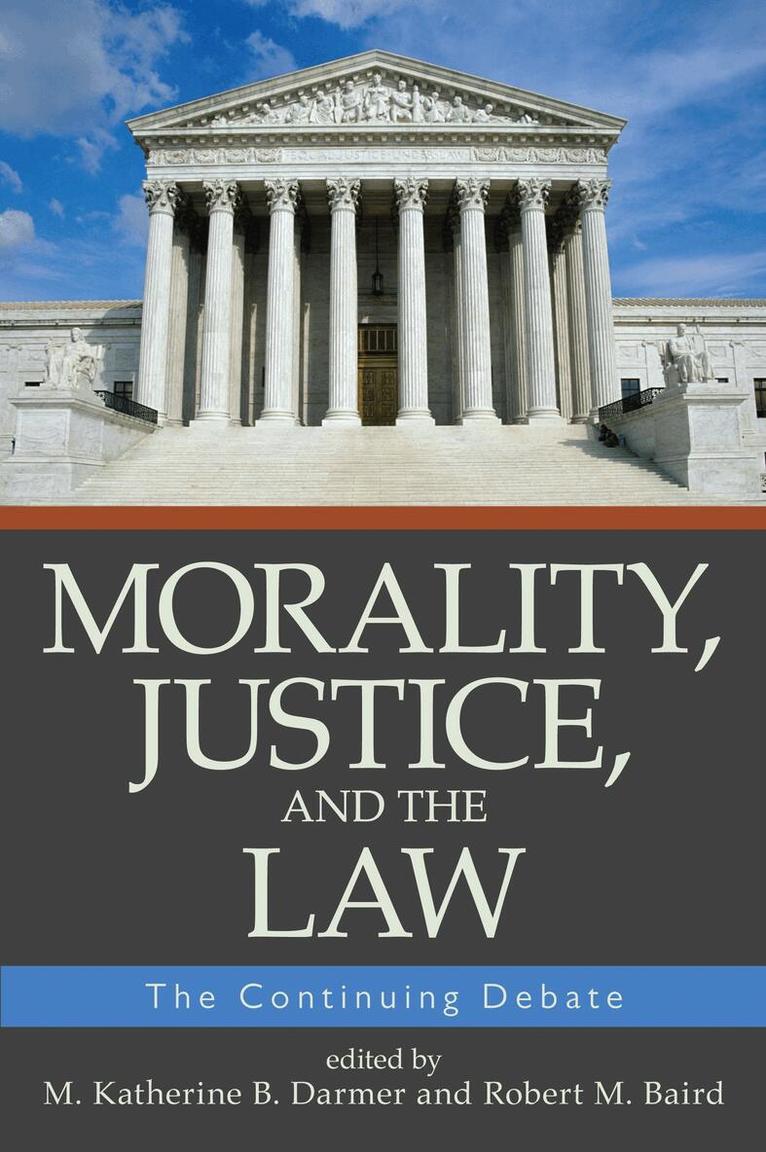
What should society or individuals do when the compelling dictates of personal conscience conflict with the law? To what extent should lawyers and lawmakers be influenced by considerations of morality? Are there principles that go beyond legal jurisdiction to justify acts of civil disobedience? Is it right to violate the laws of society when they are opposed to personal moral convictions? Is it ever appropriate for religious considerations to influence lawyers or the law? Few questions have had and will continue to have a more compelling effect on the human community. For this reason the editors have brought together this collection of intellectually stimulating articles, which grapple with the tough issues involving morality, justice, and the law. Part One contains articles on the connection between morality and the law by such eminent thinkers as Oliver Wendell Holmes, Cass R. Sunstein, and others. Part Two focuses on issues of morality and lawyering by looking at such questions as how lawyers should represent clients with whom they disagree ethically and how criminal defence lawyers can represent guilty clients. This section also addresses the recent law and religion movement.Part Three addresses the question concerning when civil disobedience is justified and includes an important essay by Ronald Dworkin. Part Four explores moral and legal questions related to capital punishment and includes the Supreme Court's most recent decision on capital punishment, in which the majority and the dissent had radically different views. Finally, Part Five examines the highly charged debate about immigration. This balanced anthology will be of interest to philosophers, legal scholars, and anyone concerned about the relation of law to morality.
Häftad, Engelska, 2011
225 kr
Tillfälligt slut
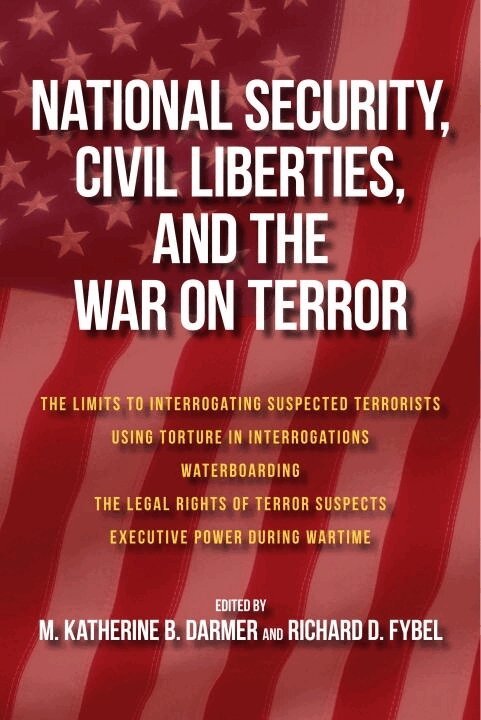
This timely collection of recent articles and judicial commentary provides a balance of perspectives on concrete issues under the umbrella of national security and civil liberties. It includes court judgments as well as opinion pieces both from those who believe the United States needs to be more protective of civil liberties and also from those who argue that national security concerns are paramount. It addresses some of the most hotly debated issues of the day, including the detentions at Guantanamo Bay, the use of torture, holding enemy combatants indefinitely, the question of whether terrorism suspects should be given the Miranda warnings, and the limits of executive power during wartime. To stress the importance of an impartial, independent judiciary, Richard Fybelexplains the history of the German judiciary and judges during the Nazi Era.This balanced selection of expert opinion from widely recognized and respected authors will inform and educate readers on this critical topic. It will be especially useful for undergraduate courses in political philosophy, political science, and criminal justice, as well as law school courses addressing issues of the constitutional balance of powers, national security, interrogation practices, due process and habeas corpus.