Robert M. Baird - Böcker
Visar alla böcker från författaren Robert M. Baird. Handla med fri frakt och snabb leverans.
13 produkter
13 produkter
270 kr
Skickas inom 5-8 vardagar
All civilised societies share a common desire for internal order and security. For this reason, among others, moral codes and legal structures are developed to give form to social belief systems, to regulate interpersonal relations, and to promulgate ideals of appropriate behaviour. But what should society or individuals do when the compelling dictates of personal conscience conflict strongly with statutory law? Can the morality of some be visited upon the rest of society by giving it the authority and power of law? Are there principles that go beyond legal jurisdiction to justify acts of civil disobedience? Is it right to violate the laws of society when they are opposed to personal moral convictions? Few questions have had a more compelling effect on the history and future of the human community. For this reason, the editors have brought together a fascinating collection of essays by some of the most astute minds in law and philosophy to grapple with the tough issues facing Morality and the Law.
269 kr
Tillfälligt slut
The direct mail campaigns of powerful animal rights lobbies and their guerrilla tactics against animal laboratories certainly demonstrate where they stand. Equally compelling are those who argue that medical progress and consumer safety are significantly enhanced by research using animals. This balanced collection focuses attention on the clash of opposing positions in this national debate, whose intensity is sure to weigh heavy on society as demands for more research make the need for rational, informed discussion all the more urgent.
671 kr
Skickas inom 10-15 vardagar
This book stands as a testimony to the creative impact of W. J. Kilgore's teaching on the minds of his students. The contributors were each once students of Dr. Kilgore, and this collection of essays is designed to contribute to scholarly work in philosophy, at the same time serving as a tribute to Dr. Kilgore's intellectual depth, philosophical rigor, and steadfastness of character.
361 kr
Skickas inom 3-6 vardagar
This could be the most controversial book yet. Its balanced approach could risk the wrath of advocates and critics alike, offering powerful essays on four key issues: the causes of homosexuality, disputes about the role the courts should play, gays and the military, and religious attitudes toward homosexuality.
261 kr
Tillfälligt slut
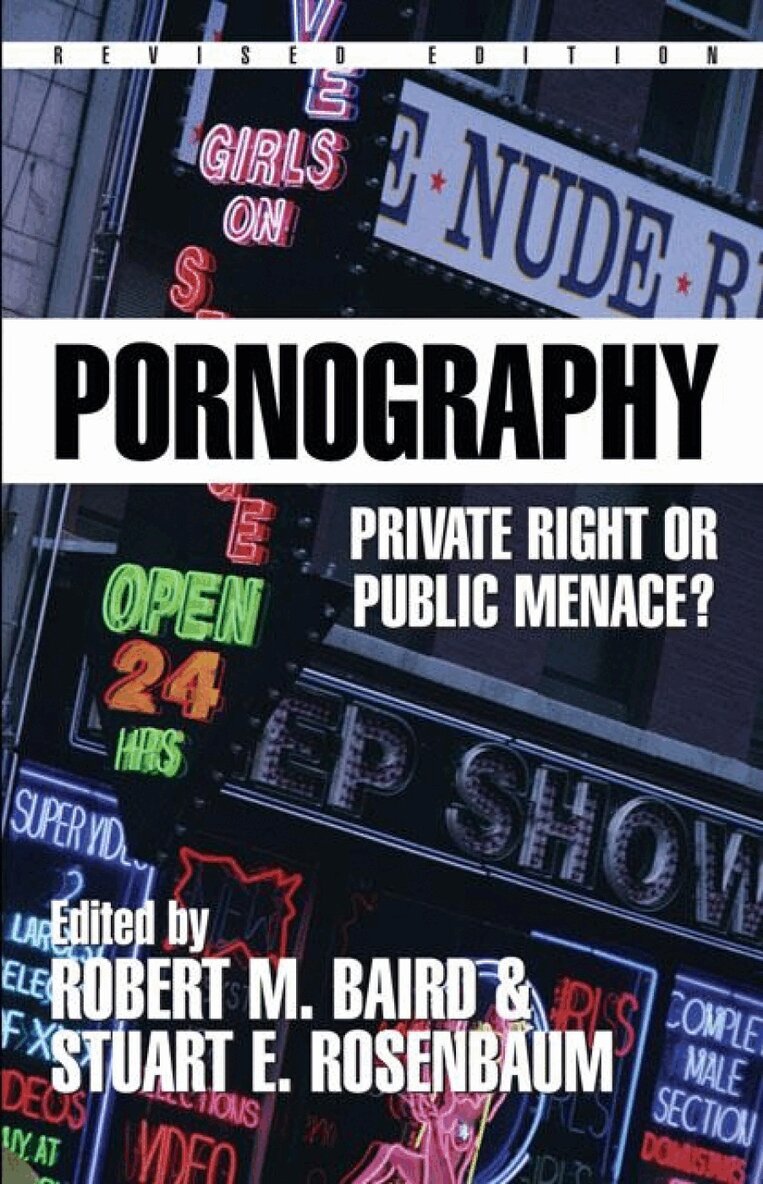
The marketing of sexual products and services in cyberspace has propelled the pornography debate into new and unchartered territory. Congressmen and anti-porn activists are lobbying just as hard today against "cyberporn" as they were thirty years ago against "dirty" magazines.An all new section in this revised edition of Pornography examines the booming computer sex business. "Pornography and the Internet" opens with the Supreme Court decision in Reno vs. ACLU, commentary from Justices Stevens and O'Connor, and includes seven works on the Communications Decency Act.Pornography explores the battlelines drawn between those who argue in favor of censorship and those who defend free speech, including essays on defining pornography; social and psychological effects; the differences between pornography, erotica, and artistic expression; sexism, violent pornography, and women's rights.Contributors include Harry Brod, Barbara Dority, Andrea Dworkin, Theodore A. Gracyk, Judith Hill, Helen E. Longino, Thomas Parker, Alan Soble, Gloria Steinem, George F. Will, and more.
294 kr
Skickas inom 5-8 vardagar
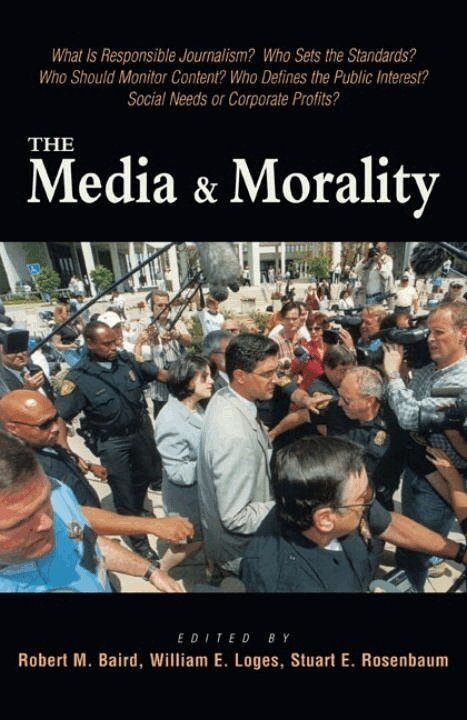
From the blaming of Princess Diana's death on news photographers to the public apology by CNN over its erroneous Vietnam-nerve-gas story, journalism and the American media in general are being placed under the microscope. The media-now more powerful than ever before due to computer advances, cable television, and the internet-controls our opinions, tastes, and, as some would have us believe, our actions. But has the media shed its ethics and become completely out of control? Has the quest to get the big scoop crippled the news media into believing 'first' is better than factual? To whom is the media responsible-the public, the stockholders, the advertisers? Who decides what may 'harm' an audience or what is unsuitable for children? Who, if anyone, should regulate the media? How do political agendas play into censorship (the FCC) and funding of the media? These questions and more are probed in "The Media and Morality", a wide-ranging selection of important essays that explores relationships between the media and its diverse audiences, its sponsors, stockholders, governments, and others.The authors attempt to define the obligations of the media in these relationships as well as the risks, benefits, and limits.
294 kr
Skickas inom 5-8 vardagar
An armed assault on a Jewish community centre in Los Angeles, synagogues set ablaze in Sacramento, the shootings of ethnic minorities in Illinois, the murder of a gay couple in northern California - these hate crimes have all been linked to white supremacists and are painful reminders that violent bigotry remains stubbornly entrenched in American culture. What, in today's seemingly enlightened society, compels a bigot? How do prejudice and hatred emerge, and sometimes lead to such horrific violence? What can be done to overcome this subversive social undercurrent? This concise and relevant collection of essays explores the definitions, origins, and outcomes of intolerance in America.
372 kr
Skickas inom 3-6 vardagar
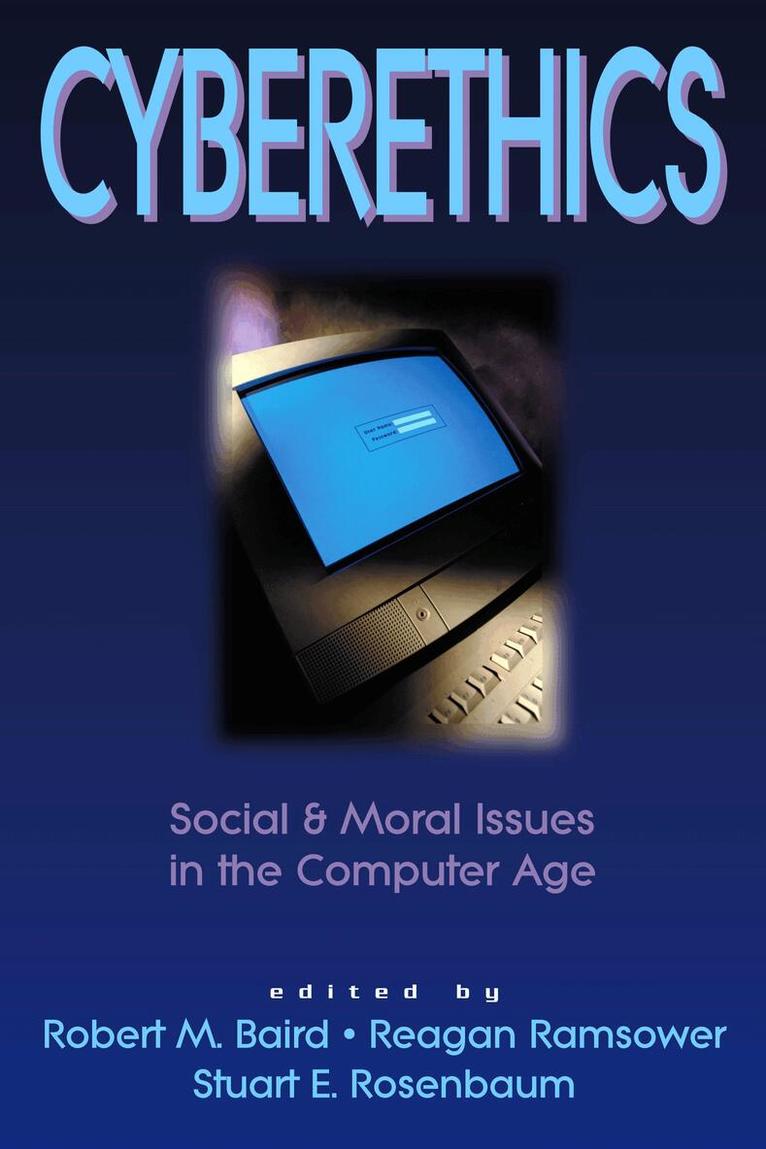
The amazing transformation of society brought about by the wide dispersion of computers has given rise to new moral dilemmas. With the rapid development of this technology, the impact of computers on privacy, personal identity, intellectual property, and the form and practice of democracy is becoming more apparent every day. Inevitably, this penetration of computer technology into our private and social lives has a moral dimension, which raises questions about our conduct and requires moral reflection and decision-making. The twenty-six groundbreaking essays collected in this insightful anthology define the nature of this new moral landscape and offer thoughtful answers to the ethical questions raised by the interaction of people and computers.Divided into five sections, the volume begins with a definition of cyberethics. There is general agreement with James H. Moor's basic definition of the field as "the formulation and justification of policies for the ethical use of computers." Next the issues of anonymity and personal identity are considered. Computers provide individuals with a unique opportunity to create personae for the virtual world that are quite distinct from their normal identities. What are the moral dimensions of creating virtual personalities?Perhaps the most pressing ethical issue is addressed in the next section on privacy. The ability of computers to store vast amounts of information on any individual raises the harrowing specter of a Big Brother society in the not-too-distant future. How should information be used and how might it be abused? What safeguards are needed to protect privacy as information technology becomes ever more sophisticated?In the fourth section, questions concerning ownership of intellectual property and copyright law are considered. How can the rights of authorship be protected in the context of the internet?Finally, the fifth section explores the debate now taking place regarding the impact of computers on democracy. Do computers offer new possibilities for enhancing democracy or will this prospect turn out to be a myth?This is a much needed anthology of thought-provoking articles on the critical moral issues facing our "brave new world."
249 kr
Tillfälligt slut
Since 1997, when Oregon enacted a law permitting physician-assisted suicide, the public debate over end-of-life issues has turned in a new direction. A major response to this law has been increased attention to providing support for the dying in ways that lessen the felt need for assisted suicide. The result has been renewed emphasis on hospice, palliative care, and the spiritual needs of the dying, as well as on advanced directives to settle legal matters. These are the four critical issues addressed by leading experts in this outstanding collection of recent articles on this controversial topic.The essays in section one clarify the role of hospice in providing care for the dying and debunk some commonly believed myths about hospice. Section two focuses on palliative care, considering when and to what extent suffering should be alleviated, and the use of drugs in palliative intervention. The articles in section three, on the spiritual needs of the dying, stress that caregivers must remain sensitive to the diverse traditions in which spiritual needs are rooted. The concluding section addresses, among other things, the importance of the advance directive and durable power of attorney, and litigation to remove restrictions that might impede physicians from prescribing adequate pain-management drugs.An underlying theme of all the contributions is that end-of-life needs vary for each individual. Awareness of this fact is crucial both for the dying and for their caregivers. The essays in this collection will help readers recognize and prepare for difficult end-of-life decisions.
242 kr
Tillfälligt slut
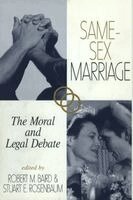
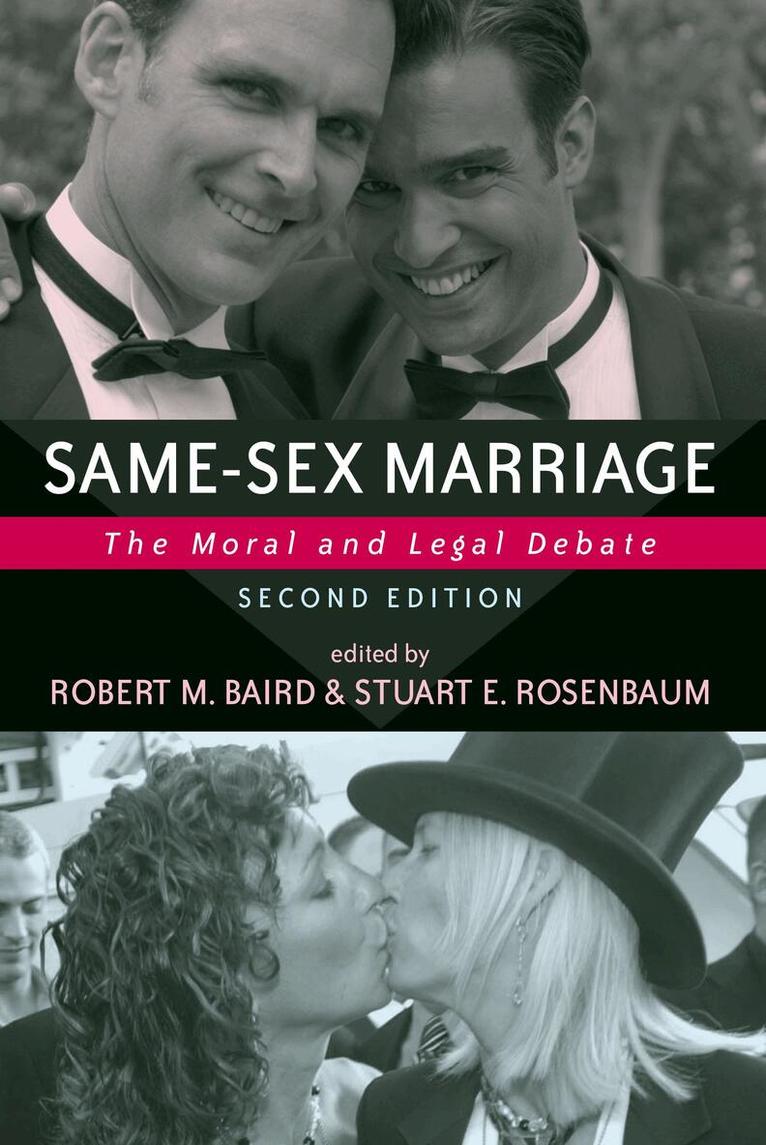
On May 17, 2004, Massachusetts began performing marriages of same-sex couples. That state's Supreme Judicial Court had ruled in Goodridge v. Massachusetts Department of Public Health that "barring an individual from the protections, benefits, and obligations of civil marriage solely because that person would marry a person of the same sex violates the Massachusetts Constitution." Fearing that courts in other states would follow suit, President George W. Bush called for a federal constitutional amendment defining marriage as the union of one man and one woman. More than a decade ago, the Hawaii Supreme Court came to a decision similar to Goodridge in Baehr v. Lewin, which prompted the passage of the Defense of Marriage Act.The issue of same-sex marriage has attracted the attention of the nation and has become one of the most heated social controversies. This completely revised and updated second edition of Same-Sex Marriage presents a balanced selection of the latest, the most diverse, and the most clearly argued positions advocated by academics, politicians, journalists, attorneys, judges, and activists. Divided into three sections, the first section covers the Massachusetts decision and reactions to it. Section 2 explores the emotional dimensions of the debate. Section 3 examines the philosophical arguments for and against officially sanctioning same-sex marriage.
242 kr
Tillfälligt slut
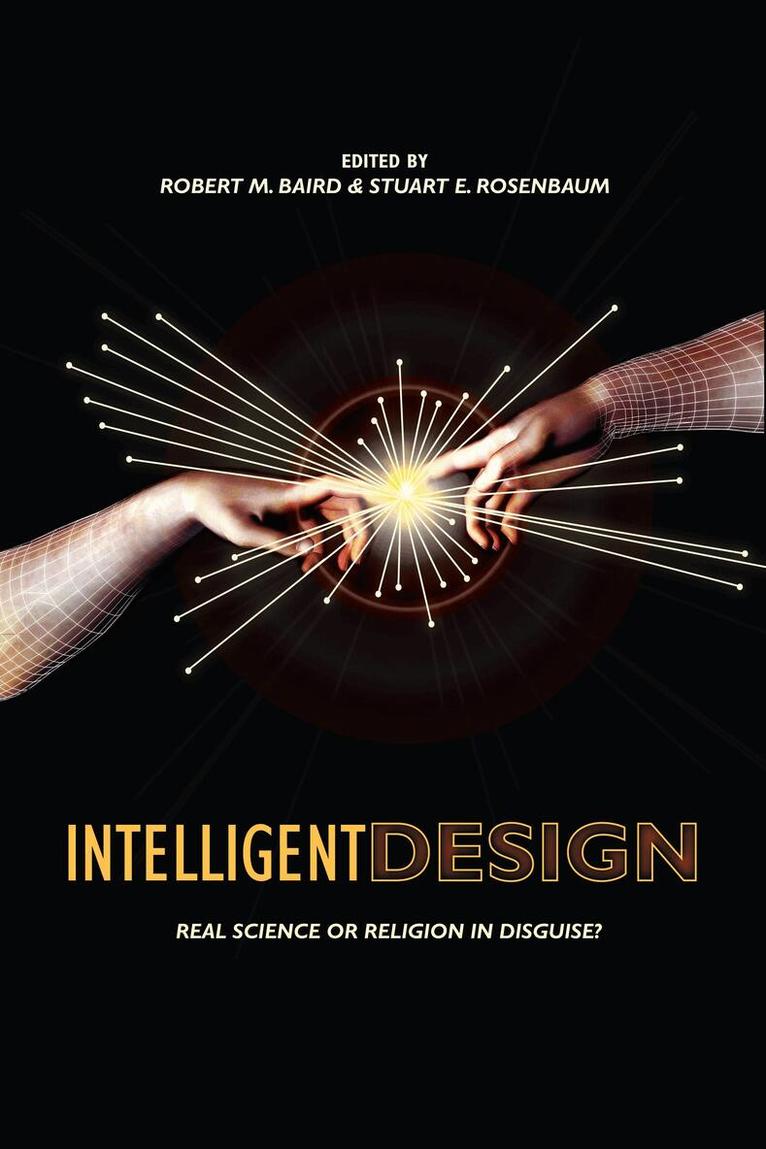
On December 20, 2005, Federal District Court Judge John E. Jones III ruled that Intelligent Design was not science but an unconstitutional intrusion of religion into the school curriculum. His decision upheld contentions by parents in the Dover, PA, school district that school board members substituted personal religious beliefs for science. The ruling came despite calls by President George W. Bush for Intelligent Design to be taught as a theory alongside the theory of evolution. This hotly contested issue continues to grip the nation and spark intense debate.But what is Intelligent Design? Can Intelligent Design stand up to the rigors of scientific method? Or is it a nonscientific, faith-inspired interpretation of experience? This collection of essays addresses such questions and includes analyses from scientists, journalists, philosophers, and religious leaders and thinkers. This volume provides a variety of perspectives in the hope that readers will be better prepared to reach their own conclusions about the issues involved.Divided into five sections, the first section provides analyses of Judge Jones's decision. Section two includes a report on and a response to President Bush's call for Intelligent Design to be taught in schools. The third section outlines the origins of the debate, including excerpts from the classic works of Charles Darwin and theologian William Paley. Section four analyzes the scientific validity of Intelligent Design and includes statements from key scientific associations. The highly important concluding section asks whether religion and evolution are compatible. This essential volume features selections from: Elisabeth Bumiller, Matt Cartmill, Charles Darwin, Daniel C. Dennett, Barbara Forrest, Owen Gingerich, Stephen Jay Gould, John Paul II, Philip Kitcher, Ernan McMullen, Kenneth R. Miller, Nancey Murphy, William Paley, Robert T. Pennock, Holmes Rolston III, Michael Ruse, Alfred Tauber, Michael W. Tkacz, James Q. Wilson, and Carl Zimmer.
278 kr
Skickas inom 5-8 vardagar
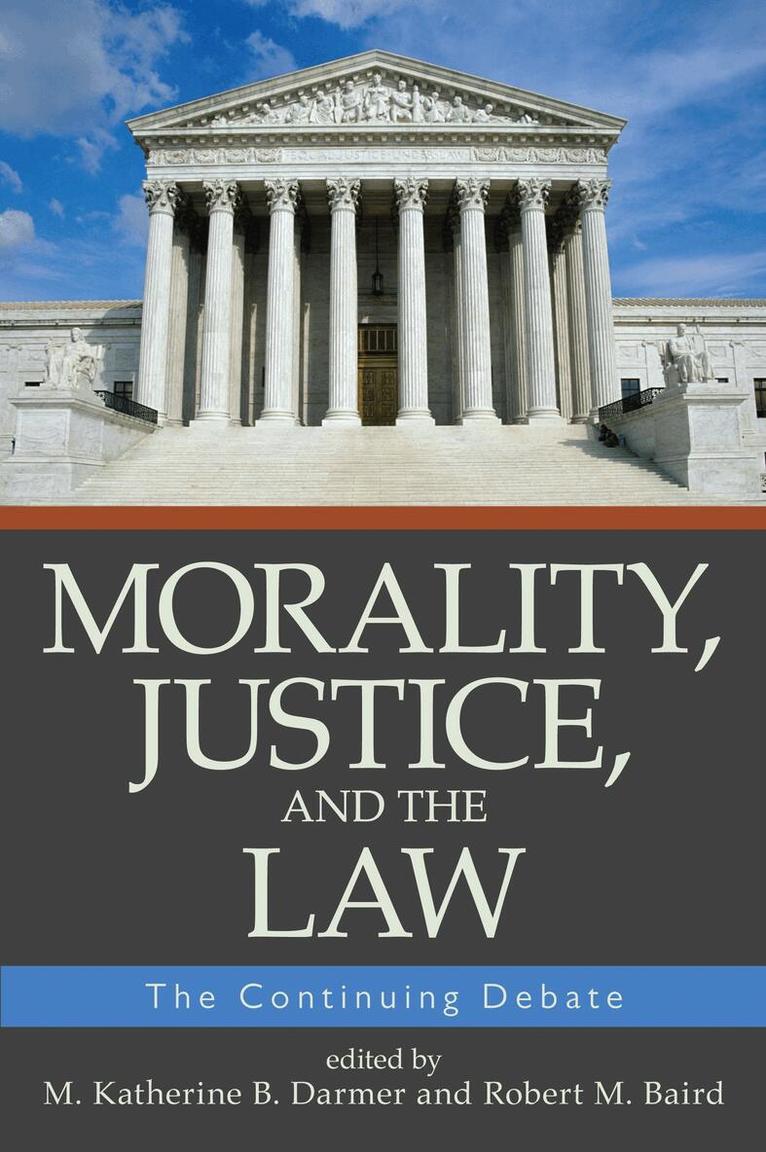
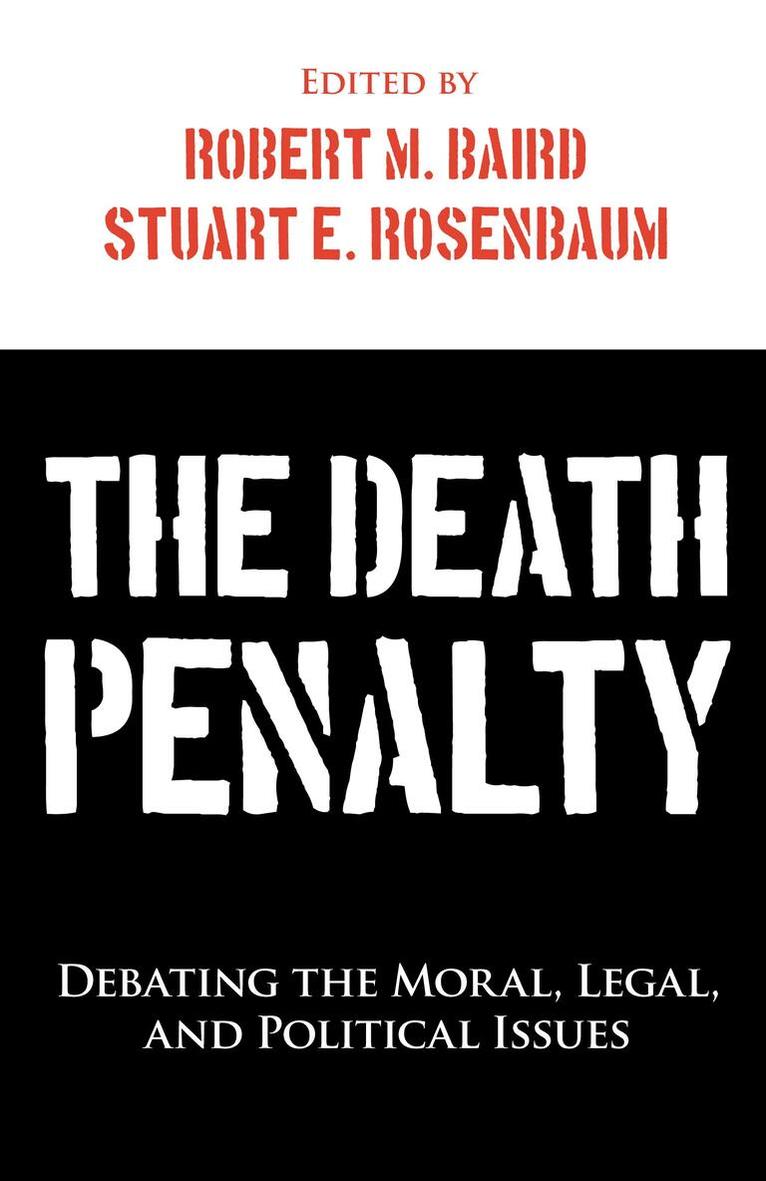
What should society or individuals do when the compelling dictates of personal conscience conflict with the law? To what extent should lawyers and lawmakers be influenced by considerations of morality? Are there principles that go beyond legal jurisdiction to justify acts of civil disobedience? Is it right to violate the laws of society when they are opposed to personal moral convictions? Is it ever appropriate for religious considerations to influence lawyers or the law? Few questions have had and will continue to have a more compelling effect on the human community. For this reason the editors have brought together this collection of intellectually stimulating articles, which grapple with the tough issues involving morality, justice, and the law. Part One contains articles on the connection between morality and the law by such eminent thinkers as Oliver Wendell Holmes, Cass R. Sunstein, and others. Part Two focuses on issues of morality and lawyering by looking at such questions as how lawyers should represent clients with whom they disagree ethically and how criminal defence lawyers can represent guilty clients. This section also addresses the recent law and religion movement.Part Three addresses the question concerning when civil disobedience is justified and includes an important essay by Ronald Dworkin. Part Four explores moral and legal questions related to capital punishment and includes the Supreme Court's most recent decision on capital punishment, in which the majority and the dissent had radically different views. Finally, Part Five examines the highly charged debate about immigration. This balanced anthology will be of interest to philosophers, legal scholars, and anyone concerned about the relation of law to morality.
196 kr
Skickas inom 7-10 vardagar
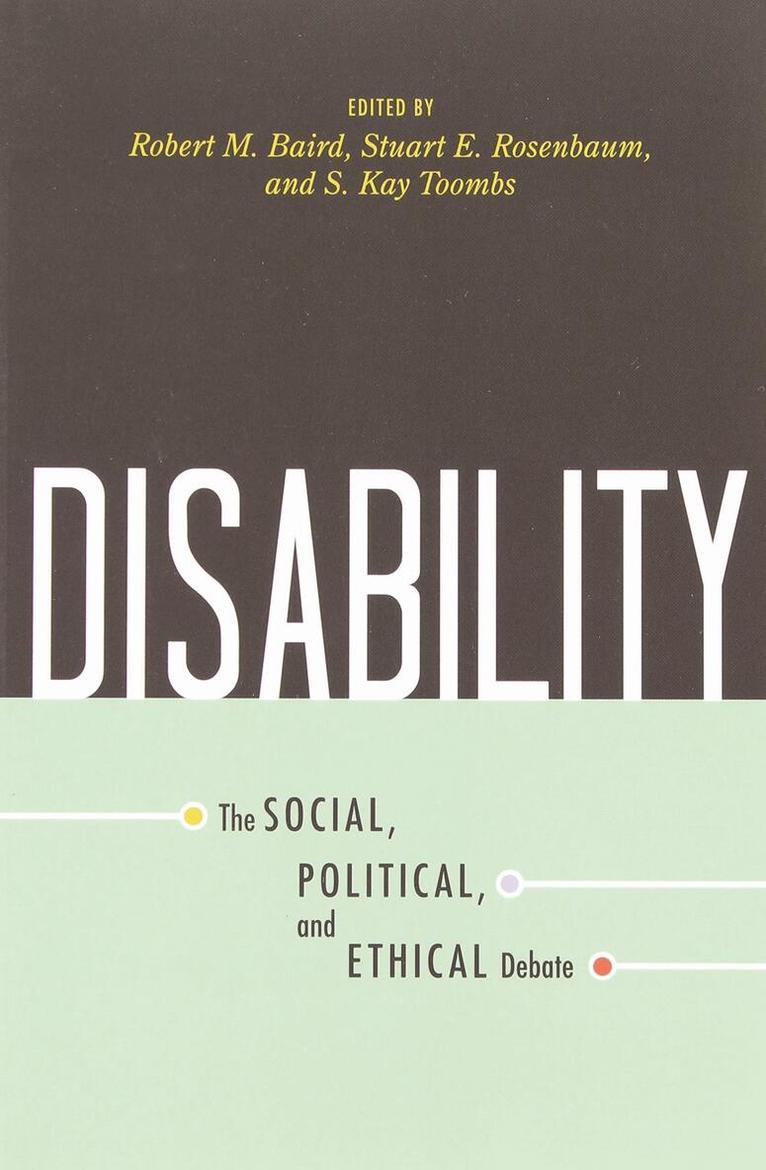
What is it like to experience disability? What are the prevailing cultural attitudes toward those who experience disability? How do social norms and public policies affect those experiencing disability? This book provides a vivid and concrete introduction to the wealth of social, political and ethical debates that surround the experience of disability.Beginning with an exploration of the perspective of persons with disabilities, the essays demonstrate the extent to which the disability experience is affected by social and cultural values, attitudes, and policies. In addition to these first-person reflections, there are essays relating to such issues as:-The disability rights movement-Disability studies-Social policy relating to disabilityPhysician-assisted suicide, genetic testing, selective abortion, the moral status of handicapped newborns, and living and dying with dignityWritten in an engaging style with a focus on the concrete, this collection of essays includes contributions by John Hockenberry, Oiver Sacks, Peter Singer, and others. It is a marvelous resource for enabling the reader to comprehend the experience of disability and to explore contemporary issues involving the disability community.