Mai Yamani – författare
Visar alla böcker från författaren Mai Yamani. Handla med fri frakt och snabb leverans.
8 produkter
Feminism and Islam
Legal and Literary Perspectives
Av Mai Yamani
Inbunden, 1996
1481 kr
Lägg i varukorg
In an age when Western feminism is continuously undergoing redefinition, the struggles of women in Muslim countries are often overlooked. This volume illustrates how women in Islamic societies have become more actively involved not only in learning their rights under the sharia (Islamic law) but in …
Feminism and Islam
Legal and Literary Perspectives
Häftad, 1996
491 kr
Lägg i varukorg
In an age when Western feminism is continuously undergoing redefinition, the struggles of women in Muslim countries are often overlooked. This volume illustrates how women in Islamic societies have become more actively involved not only in learning their rights under the sharia (Islamic law) but in …
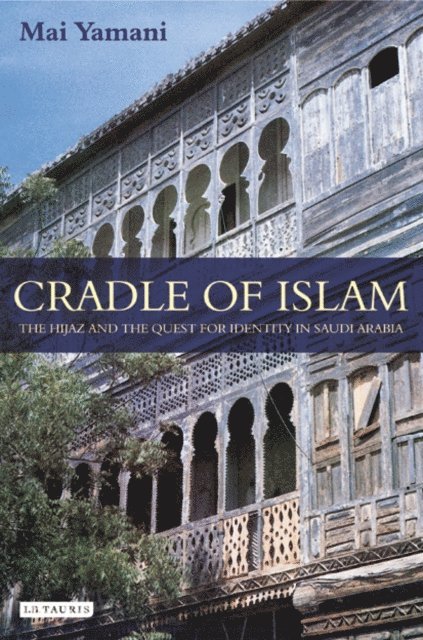
Cradle of Islam
The Hijaz and the Quest for an Arabian Identity
Av Mai Yamani
E-bok, 2009
424 kr
Lägg i varukorg
Is Saudi Arabia really a homogeneous Wahhabi dominated state? In 1932 the Al Saud family incorporated the kingdom of Hijaz, once the cultural hub of the Arabian world, in to the kingdom of Saudi Arabia. The urban, cosmopolitan Hijazis were absorbed in to a new state whose codes of behavior and …
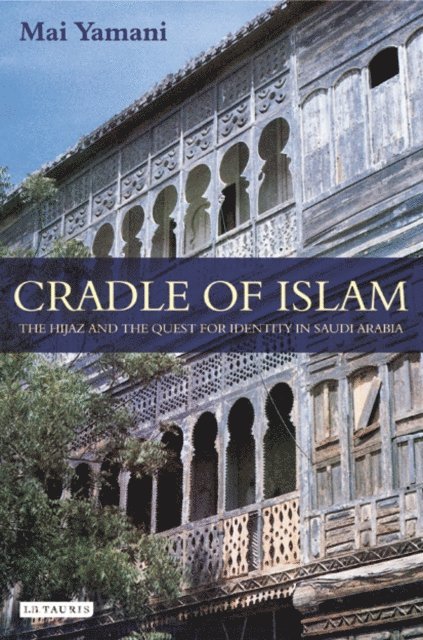
Cradle of Islam
The Hijaz and the Quest for an Arabian Identity
Av Mai Yamani
E-bok, 2009
434 kr
Lägg i varukorg
Is Saudi Arabia really a homogeneous Wahhabi dominated state? In 1932 the Al Saud family incorporated the kingdom of Hijaz, once the cultural hub of the Arabian world, in to the kingdom of Saudi Arabia. The urban, cosmopolitan Hijazis were absorbed in to a new state whose codes of behavior and …
Cradle of Islam
The Hijaz and the Quest for an Arabian Identity
Av Mai Yamani
Häftad, 2009
400 kr
Lägg i varukorg
Is Saudi Arabia really a homogeneous Wahhabi dominated state? In 1932 the Al Saud family incorporated the kingdom of Hijaz, once the cultural hub of the Arabian world, in to the kingdom of Saudi Arabia. The urban, cosmopolitan Hijazis were absorbed in to a new state whose codes of behavior and …
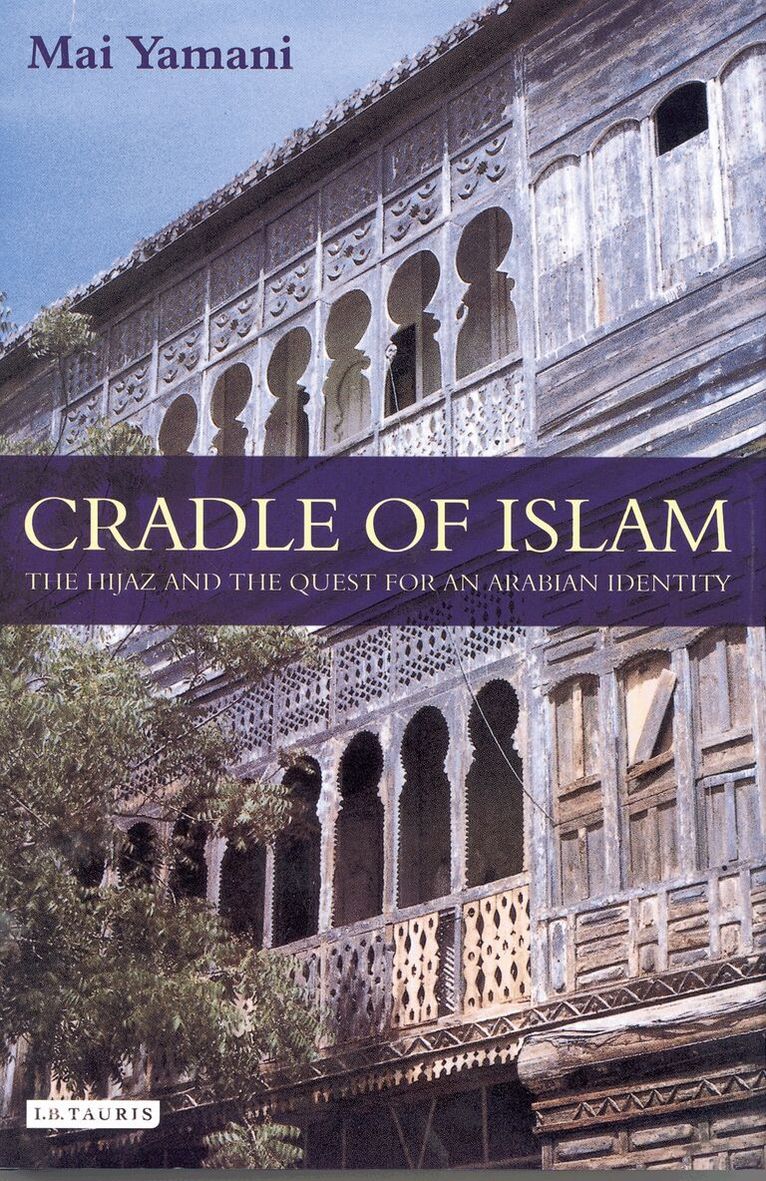
Cradle of Islam
The Hijaz and the Quest for an Arabian Identity
Av Mai Yamani
Inbunden, 2004
952 kr
Lägg i varukorg
In 1932, the Al Saud family officially incorporated the Kingdom of the Hijaz into the new Kingdom of Saudi Arabia. The Hijazis became a people without a country of their own. Cradle of Islam focuses on contemporary Hijazi life and culture made subservient to the dominant national rules of Saudi …
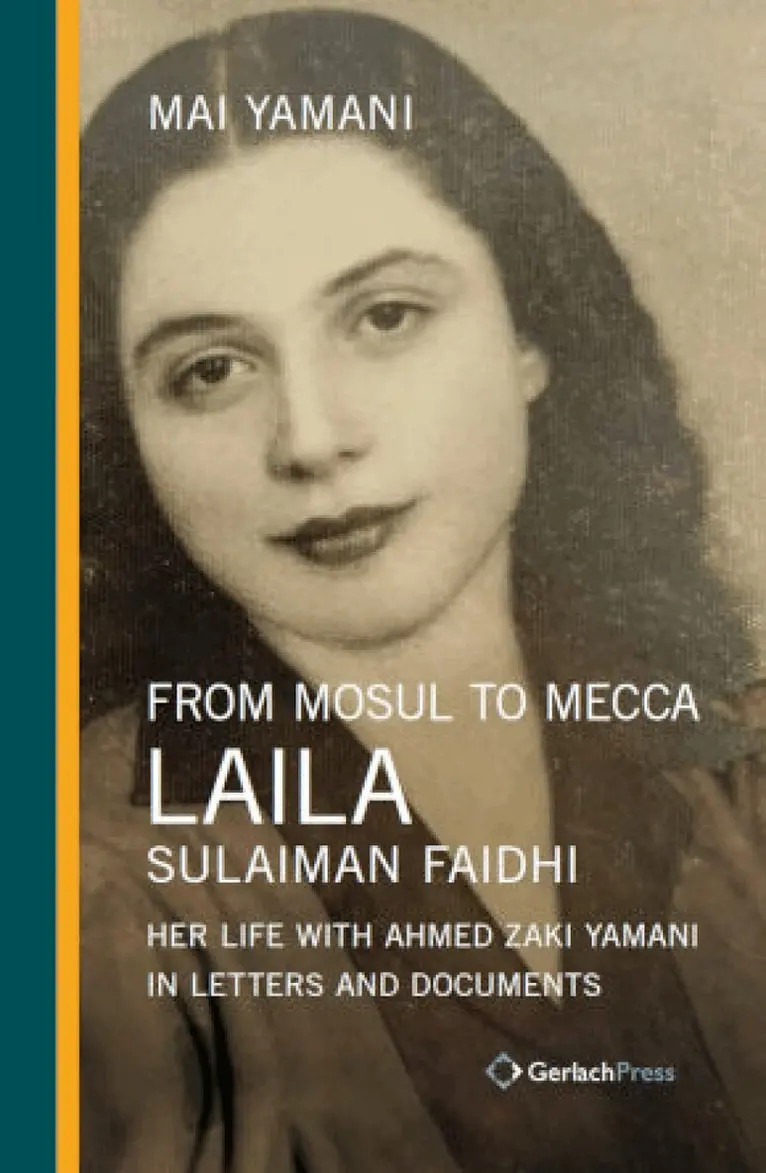
From Mosul to Mecca: Laila Sulaiman Faidhi
Her Life with Ahmed Zaki Yamani in Letters and Documents
Av Mai Yamani
Inbunden, 2026
1748 kr
Lägg i varukorg
This political memoir is about Laila Sulaiman Faidhi, a highly educated and captivating Iraqi woman, and wife of one of the most powerful men in Saudi and global history. The book also provides a unique insight into Arab social and political life, in particular Iraq and Saudi Arabia – the homeland …
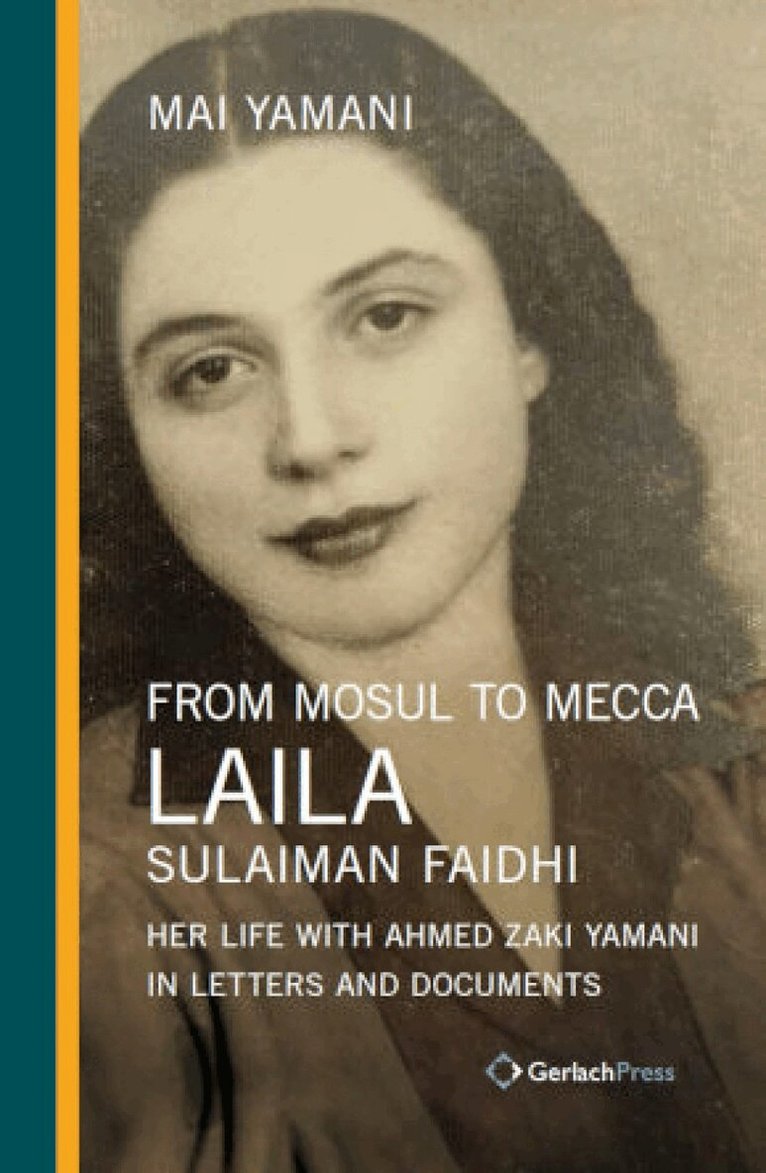
From Mosul to Mecca: Laila Sulaiman Faidhi
Her Life with Ahmed Zaki Yamani in Letters and Documents
Av Mai Yamani
Häftad, 2026
786 kr
Lägg i varukorg
This political memoir is about Laila Sulaiman Faidhi, a highly educated and captivating Iraqi woman, and wife of one of the most powerful men in Saudi and global history. The book also provides a unique insight into Arab social and political life, in particular Iraq and Saudi Arabia – the homeland …