Maia Chankseliani – författare
Visar alla böcker från författaren Maia Chankseliani. Handla med fri frakt och snabb leverans.
8 produkter
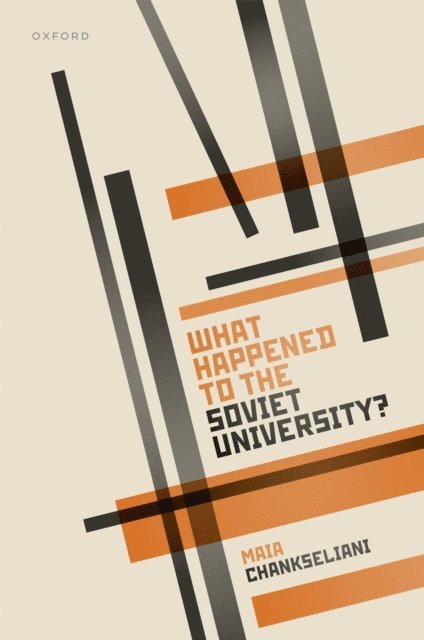
What Happened to the Soviet University?
E-bok, 2022
1284 kr
Lägg i varukorg
What Happened to the Soviet University? explores how one of the largest geopolitical changes of the twentieth century—the dissolution of the Soviet Union— triggered and inspired the reconfiguration of the Soviet university. The reader is invited to engage in a historical and sociological analysis …
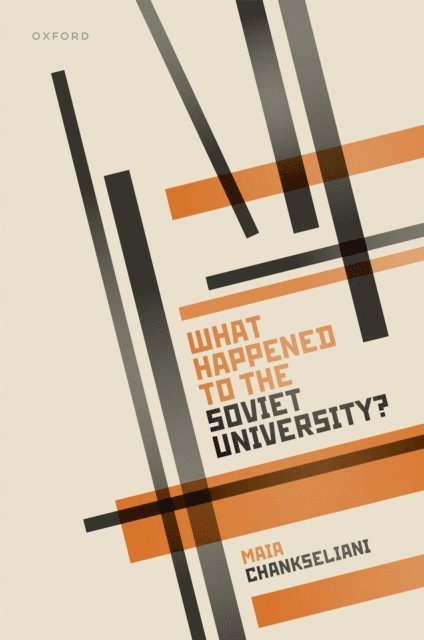
What Happened to the Soviet University?
E-bok, 2022
1284 kr
Lägg i varukorg
What Happened to the Soviet University? explores how one of the largest geopolitical changes of the twentieth century—the dissolution of the Soviet Union— triggered and inspired the reconfiguration of the Soviet university. The reader is invited to engage in a historical and sociological analysis …
What Happened to the Soviet University?
Inbunden, 2022
1432 kr
Lägg i varukorg
What Happened to the Soviet University? explores how one of the largest geopolitical changes of the twentieth century—the dissolution of the Soviet Union— triggered and inspired the reconfiguration of the Soviet university. The reader is invited to engage in a historical and sociological analysis …
Seeing Otherwise
International Higher Education and the Possibility of Change
Häftad, 2026
514 kr
Kommande
What happens when people cross borders to learn and then return to the worlds that shaped them? This book follows 391 returnees from sixty-nine countries to show how international higher education reshapes how individuals see, judge, and engage in their societies. Drawing on vivid cases from …
Seeing Otherwise
International Higher Education and the Possibility of Change
Inbunden, 2026
1828 kr
Kommande
What happens when people cross borders to learn and then return to the worlds that shaped them? This book follows 391 returnees from sixty-nine countries to show how international higher education reshapes how individuals see, judge, and engage in their societies. Drawing on vivid cases from …
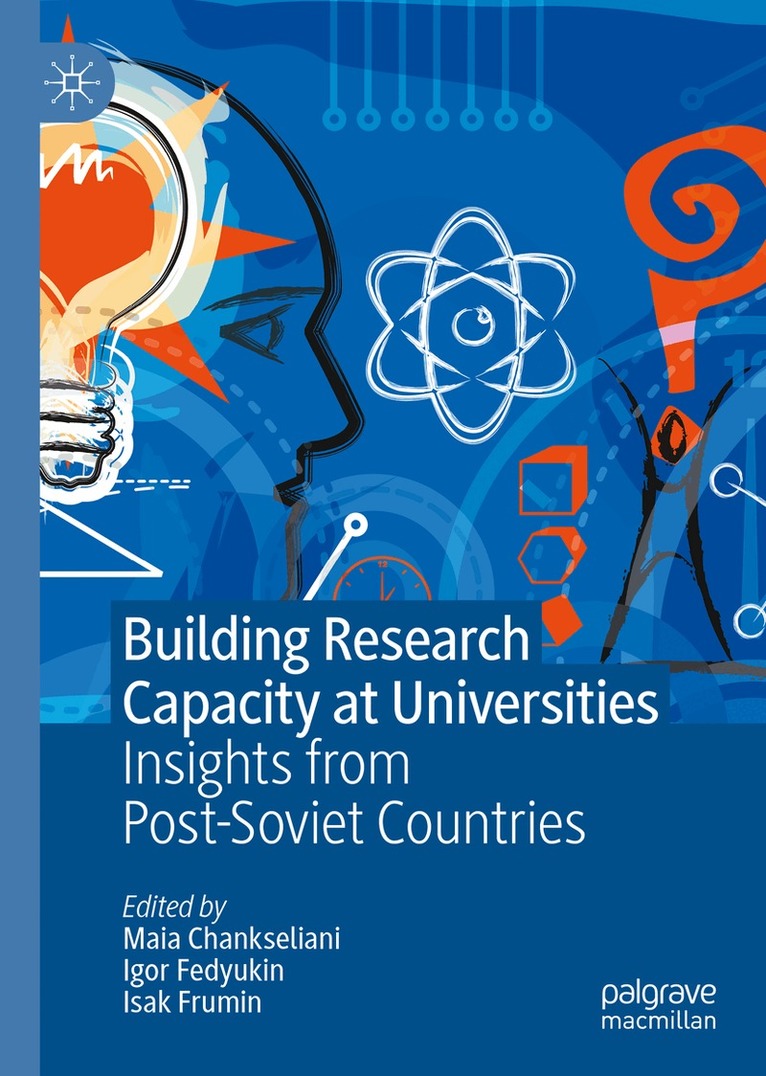
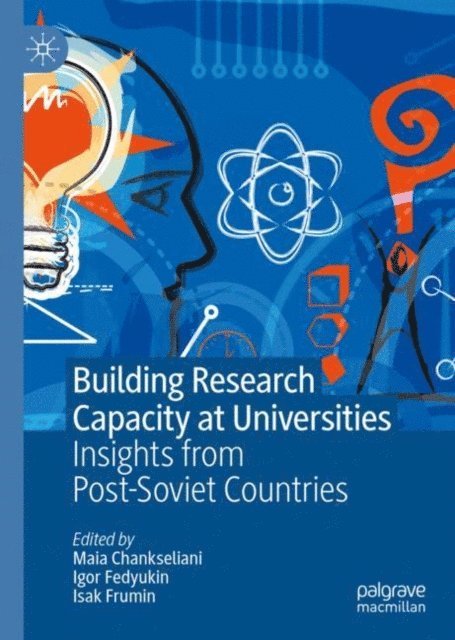
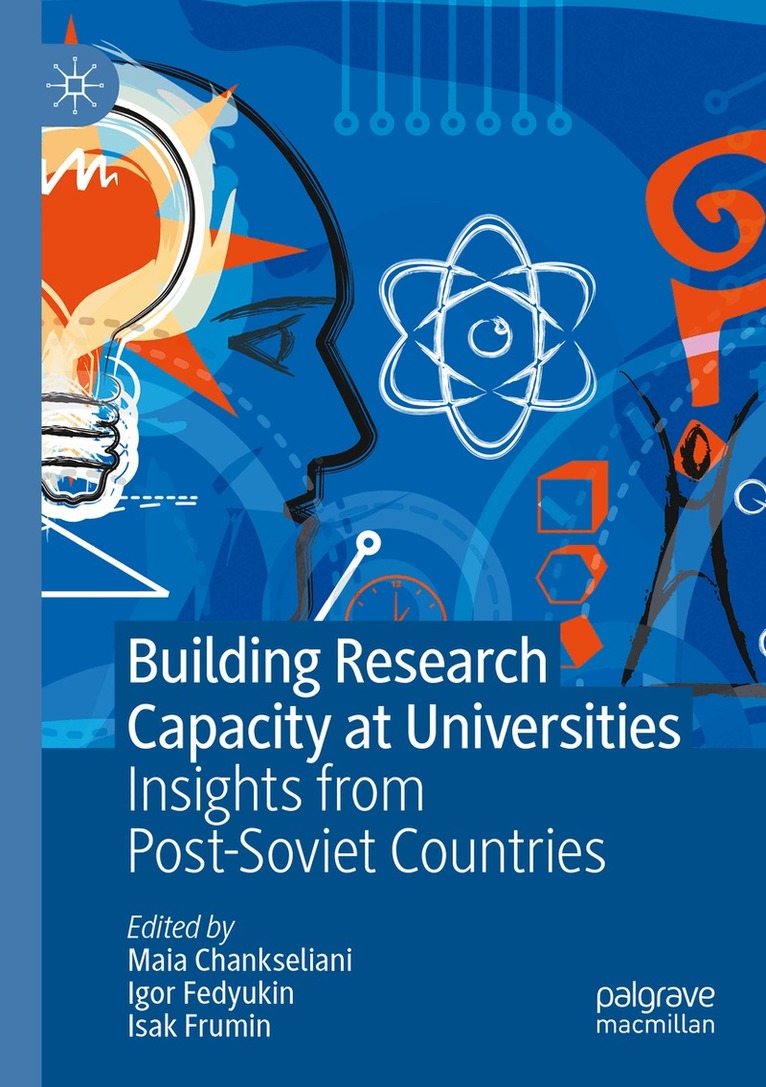
Building Research Capacity at Universities
Insights from Post-Soviet Countries
Av Maia Chankseliani, Igor Fedyukin m. fl.
Inbunden, 2022
1173 kr
Lägg i varukorg
This edited volume represents a collective contribution to the current debates on developing university research capacity. The chapters in this volume offer empirical case studies from post-Soviet countries which share a common history, common policies and practices of higher education. These …
Building Research Capacity at Universities
Insights from Post-Soviet Countries
Av Isak Frumin, Igor Fedyukin m. fl.
E-bok, 2022
1526 kr
Lägg i varukorg
This edited volume represents a collective contribution to the current debates on developing university research capacity. The chapters in this volume offer empirical case studies from post-Soviet countries which share a common history, common policies and practices of higher education. These …
Building Research Capacity at Universities
Insights from Post-Soviet Countries
Av Maia Chankseliani, Igor Fedyukin m. fl.
Häftad, 2023
1173 kr
Lägg i varukorg
This edited volume represents a collective contribution to the current debates on developing university research capacity. The chapters in this volume offer empirical case studies from post-Soviet countries which share a common history, common policies and practices of higher education. These …