Mansour Bonakdarian – författare
Visar alla böcker från författaren Mansour Bonakdarian. Handla med fri frakt och snabb leverans.
5 produkter
5 produkter
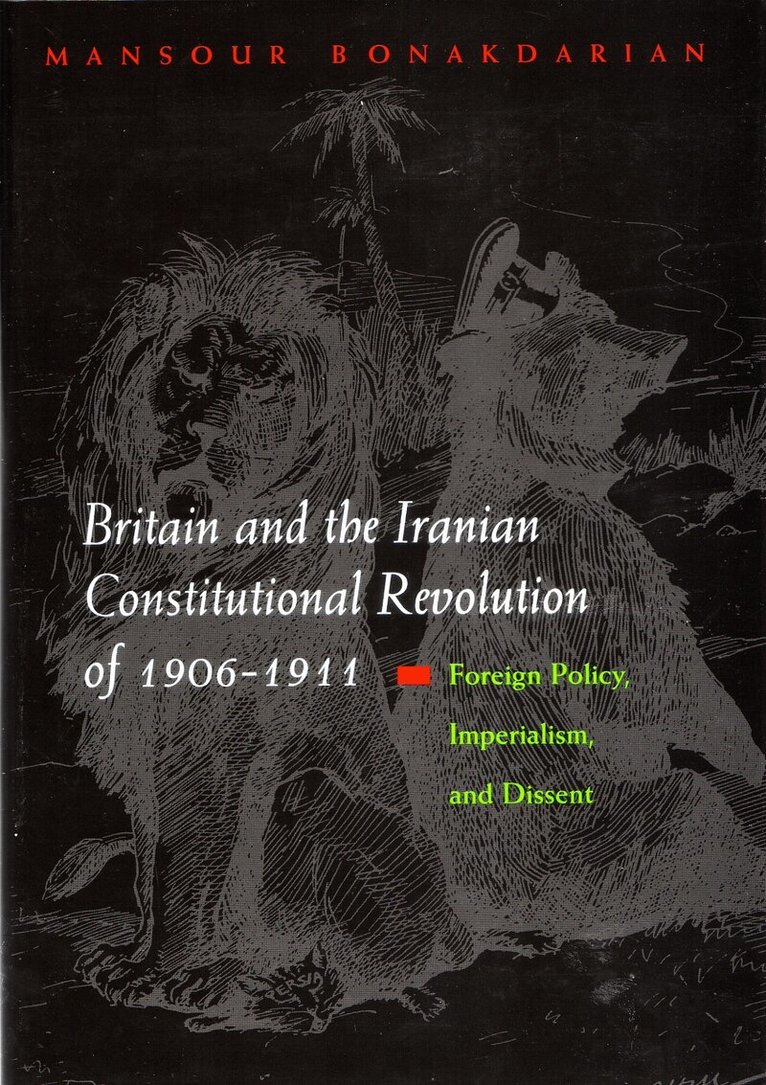
Britain and the Iranian Constitutional Revolution of 1906-1911
Foreign Policy, Imperialism, and Dissent
Inbunden, Engelska, 2006
659 kr
Skickas inom 7-10 vardagar
In this book, Mansour Bonakdarian provides a detailed account of the British involvement and support of the Iranian constitutional and national struggle of 1906-1911, which was directed against the Iranian autocracy and Anglo-Russian imperial intervention of Iran. In particular, Bonakdarian examines the role of the Persia Committee, a lobbying group founded in 1908 for the sole purpose of changing Britain's policy towards Iran. This book's strength lies in its coverage of how Edward Grey's policy towards Iran was shaped and the extent to which it was affected by sustained criticism from a number of disparate group of dissenters, radicals, socialists, liberal imperialists, and conservatives. The volume and breadth of primary archival materials used is extensive. Not only have all the standard collections been examined, such as the Foreign Office files and the Cabinet and Grey papers but also numerous private archives in international libraries have been consulted. Bonakdarian's deep understanding of the Iranian issues adds a rich and balanced approach to the literature in the field. With clear and systematic arguments, he offers an account of diplomatic history that is accessible and persuasive. His scholarship is certain to reinvigorate dialogue on the subject of Anglo-Iranian relations.
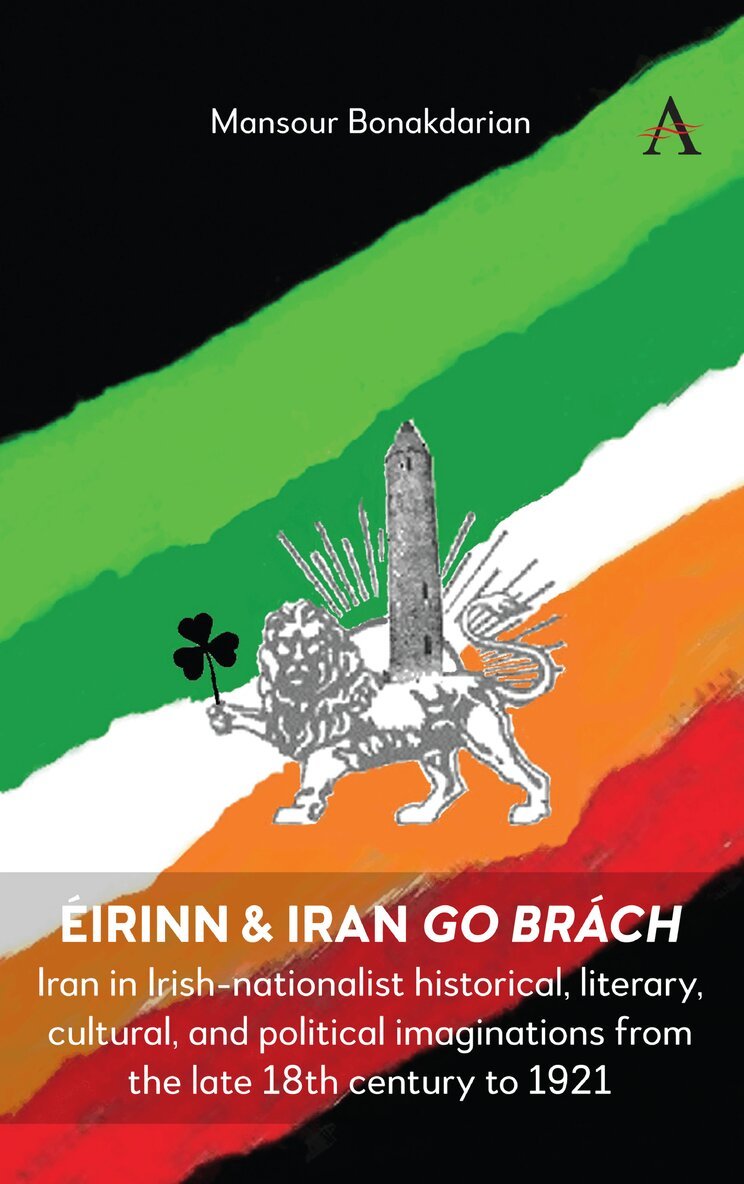
Éirinn & Iran go Brách
Iran in Irish-nationalist historical, literary, cultural, and political imaginations from the late 18th century to 1921
Inbunden, Engelska, 2023
1 291 kr
Skickas inom 5-8 vardagar
This book analyzes particular patterns of nationalist self-configuration and nationalist uses of memory, counter-memory, and historical amnesia in Ireland from roughly around the time of the emergence of a broad-based non-sectarian Irish nationalist platform in the late eighteenth century (the Society of United Irishmen) until Ireland’s partition and the founding of the Irish Free State in 1922. In approaching Irish nationalism through the particular historical lens of “Iran,” this book underscores the fact that Irish nationalism during this period (and even earlier) always utilized a historical paradigm that grounded Anglo-Irish encounters and Irish nationalism in the broader world history, a process that I term “worlding of Ireland.” In effect, Irish nationalism was always politically and culturally cosmopolitan in outlook in some formulations, even in the case of many nationalists who resorted to insular and narrowly defined exclusionary ethnic and/or religious formulations of the Irish “nation.” Irish nationalists, as nationalists in many other parts of the world, recurrently imagined their own history either in contrast to or as reflected in, the histories of peoples and lands elsewhere, even while claiming the historical uniqueness of the Irish experience. Present in a wide range of Irish nationalist political, cultural, and historical utterances were assertions of past and/or present affinities with other peoples and lands.
459 kr
Tillfälligt slut
459 kr
Tillfälligt slut
Éirinn & Iran go Brách
Iran in Irish-nationalist historical, literary, cultural, and political imaginations from the late 18th century to 1921
Häftad, Engelska, 2025
414 kr
Skickas inom 5-8 vardagar
This book analyzes particular patterns of nationalist self-configuration and nationalist uses of memory, counter-memory, and historical amnesia in Ireland from roughly around the time of the emergence of a broad-based non-sectarian Irish nationalist platform in the late eighteenth century (the Society of United Irishmen) until Ireland’s partition and the founding of the Irish Free State in 1922. In approaching Irish nationalism through the particular historical lens of “Iran,” this book underscores the fact that Irish nationalism during this period (and even earlier) always utilized a historical paradigm that grounded Anglo-Irish encounters and Irish nationalism in the broader world history, a process that I term “worlding of Ireland.” In effect, Irish nationalism was always politically and culturally cosmopolitan in outlook in some formulations, even in the case of many nationalists who resorted to insular and narrowly defined exclusionary ethnic and/or religious formulations of the Irish “nation.” Irish nationalists, as nationalists in many other parts of the world, recurrently imagined their own history either in contrast to or as reflected in, the histories of peoples and lands elsewhere, even while claiming the historical uniqueness of the Irish experience. Present in a wide range of Irish nationalist political, cultural, and historical utterances were assertions of past and/or present affinities with other peoples and lands.