Manuel F. Montes – författare
Visar alla böcker från författaren Manuel F. Montes. Handla med fri frakt och snabb leverans.
4 produkter
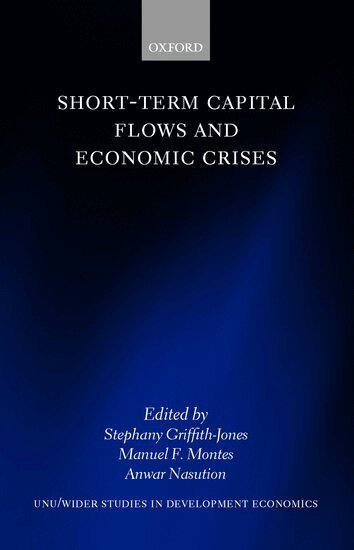
Short-Term Capital Flows and Economic Crises
Av World Institute for Development Economic, Stephany Griffith-Jones m. fl.
Inbunden, 2001
1356 kr
Lägg i varukorg
The currency crises that engulfed East Asian economies in 1997 and Mexico in 1994 - and their high development costs - raise a serious concern about the net benefits for developing countries of large flows of potentially reversible short-term international capital. Written by senior policy-makers …
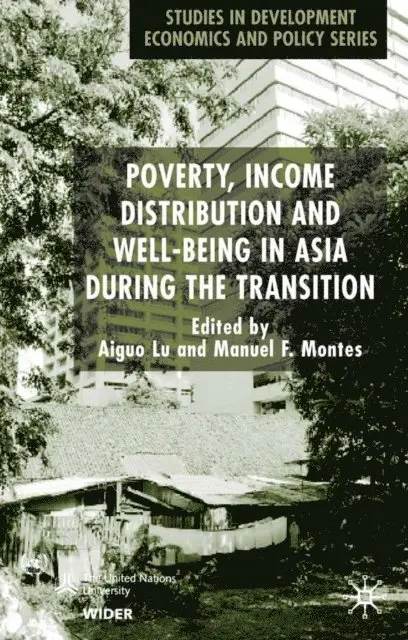
Poverty, Income Distribution and Well-Being in Asia During the Transition
E-bok, 2002
1550 kr
Lägg i varukorg
The Asian road to the market has generally been seen as a model of success and the object of widespread admiration. This volume evaluates the actual experience and debunks some of the most widespread myths. It does so by identifying the link between alternative transition models, public policies …
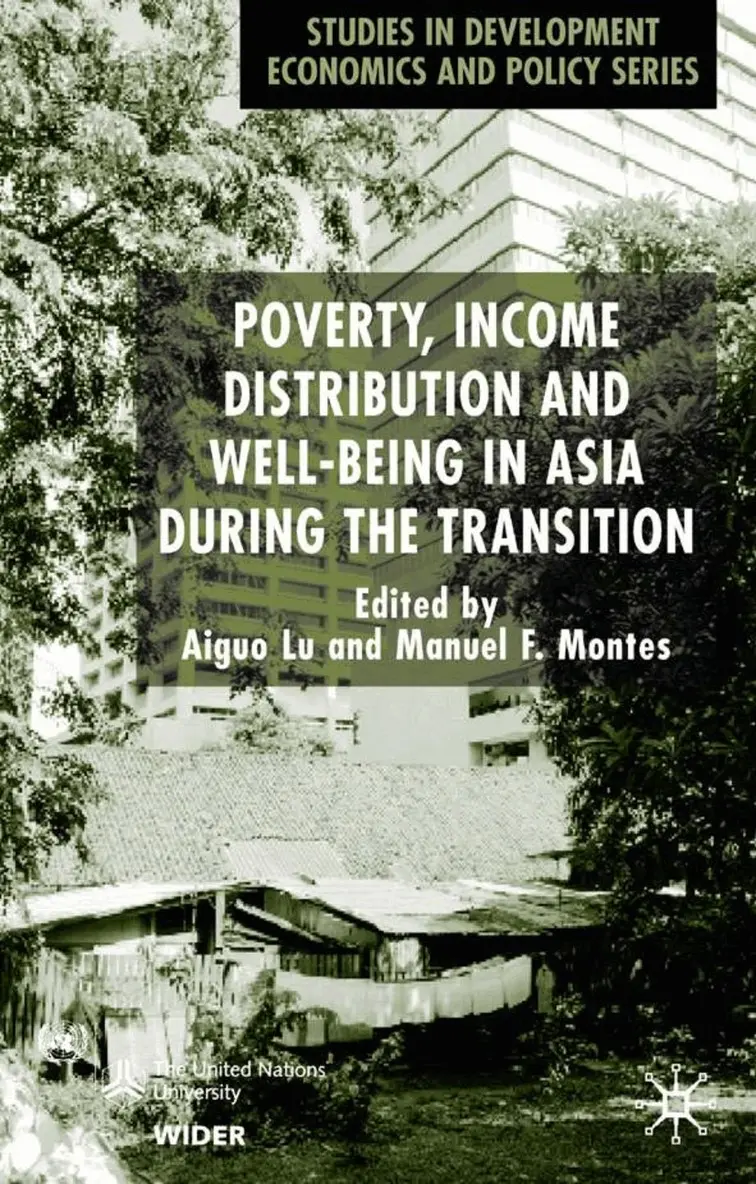
Poverty, Income Distribution and Well-Being in Asia During the Transition
Inbunden, 2002
1093 kr
Lägg i varukorg
The Asian road to the market has generally been seen as a model of success and the object of widespread admiration. This volume evaluates the actual experience and debunks some of the most widespread myths. It does so by identifying the link between alternative transition models, public policies …
Poverty, Income Distribution and Well-Being in Asia During the Transition
Häftad, 2002
1093 kr
Lägg i varukorg
The Asian road to the market has generally been seen as a model of success and the object of widespread admiration. This volume evaluates the actual experience and debunks some of the most widespread myths. It does so by identifying the link between alternative transition models, public policies …