Marc Mendoza – författare
Visar alla böcker från författaren Marc Mendoza. Handla med fri frakt och snabb leverans.
6 produkter
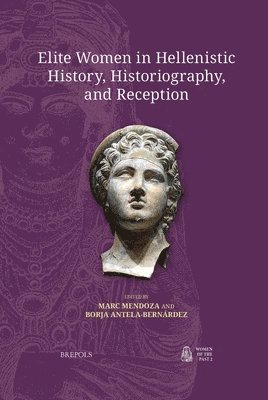
Elite Women in Hellenistic History, Historiography, and Reception
Av Borja Antela-Bernardez, Marc Mendoza
Inbunden, 2024
1091 kr
Lägg i varukorg
Decapitation in Sources on Alexander the Great
Av Marc Mendoza
Inbunden, 2022
604 kr
Lägg i varukorg
This book explores cases of decapitation found in sources on the reign of Alexander the Great. Despite the enormous literature on the career of Alexander the Great, this is the first study on the characterisation of violent deaths during his hectic reign. This historiographical omission has …
Decapitation in Sources on Alexander the Great
Av Marc Mendoza
E-bok, 2022
803 kr
Lägg i varukorg
This book explores cases of decapitation found in sources on the reign of Alexander the Great. Despite the enormous literature on the career of Alexander the Great, this is the first study on the characterisation of violent deaths during his hectic reign. This historiographical omission has …
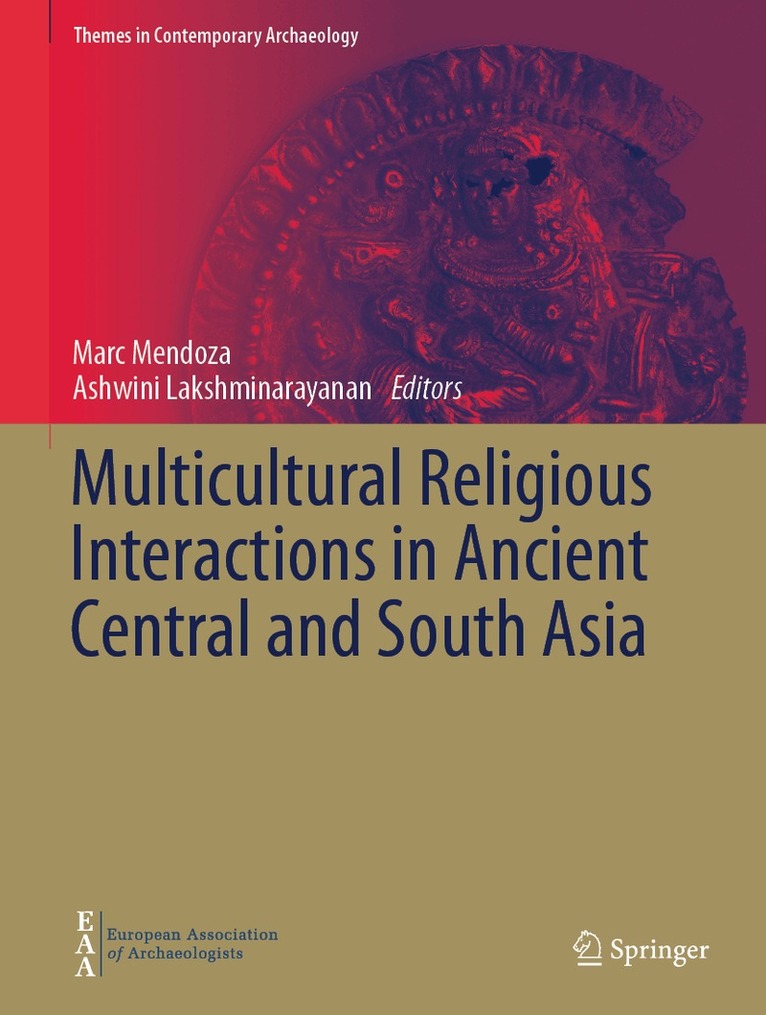
Multicultural Religious Interactions in Ancient Central and South Asia
Av Marc Mendoza, Ashwini Lakshminarayanan
Inbunden, 2026
1532 kr
Lägg i varukorg
This book explores multicultural religious interactions in Ancient Central and South Asia. Besides encompassing a vast chronological and geographical range, the themes of this book represent a broad illustration of the current main approaches, methodologies, and perspectives on Ancient Central and …
Multicultural Religious Interactions in Ancient Central and South Asia
Av Ashwini Lakshminarayanan, Marc Mendoza
E-bok, 2026
1948 kr
Lägg i varukorg
This book explores multicultural religious interactions in Ancient Central and South Asia. Besides encompassing a vast chronological and geographical range, the themes of this book represent a broad illustration of the current main approaches, methodologies, and perspectives on Ancient Central and …