Marcel Roberfroid - Böcker
Visar alla böcker från författaren Marcel Roberfroid. Handla med fri frakt och snabb leverans.
3 produkter
3 produkter
956 kr
Skickas inom 10-15 vardagar
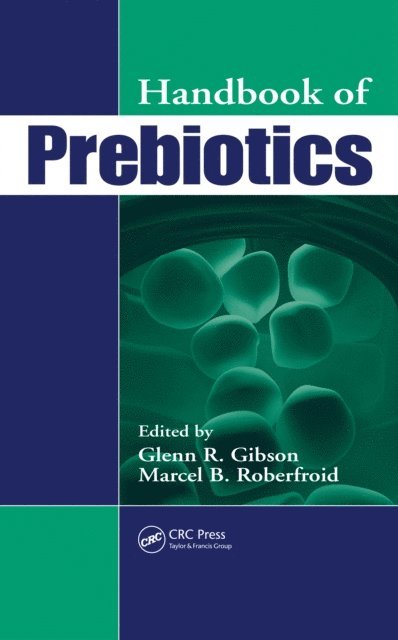
In order to achieve optimal digestion, absorption, and nutritional health, we must have appropriate populations of positive microflora. Prebiotics are functional foods that improve health by fortifying indigenous probiotics within the gut. This fast-growing area of nutrition and microbiology is rapidly amassing data and answering many questions about the necessity and benefit of such functional foods.Gathering contributions from leading experts in a range of disciplines, Handbook of Prebiotics presents a balanced view of the current knowledge in many different areas of the field. It discusses concept, definition and criteria for classification of a food component as prebiotics It then describes interactions with gut microbiota. Highlighting varying levels of evidence and agreement, the book presents current arguments for and against prebiotic intake. Contributions discuss the biomechanics of prebiotics and their effects on immune status, serum lipid concentrations, mineral bioavailability, and satiety modulation. They consider the health implications of prebiotic intake such as reduced incidence of gastroenteritis and chronic pathogenic gut disorders, including intestinal cancers and inflammatory bowel diseases. Providing well-rounded coverage, the book explores the varying effects of prebiotics in different populations and age groups such as infants and the elderly, as well as livestock and pets. The final chapters describe food avenues and the safety implications for prebiotic use. Spanning several disciplines including food science, nutrition, microbiology, biotechnology, and the health sciences, this seminal work makes a point to include sound research science and well-balanced views on the potential of prebiotics for promoting good health.
2 772 kr
Skickas inom 10-15 vardagar
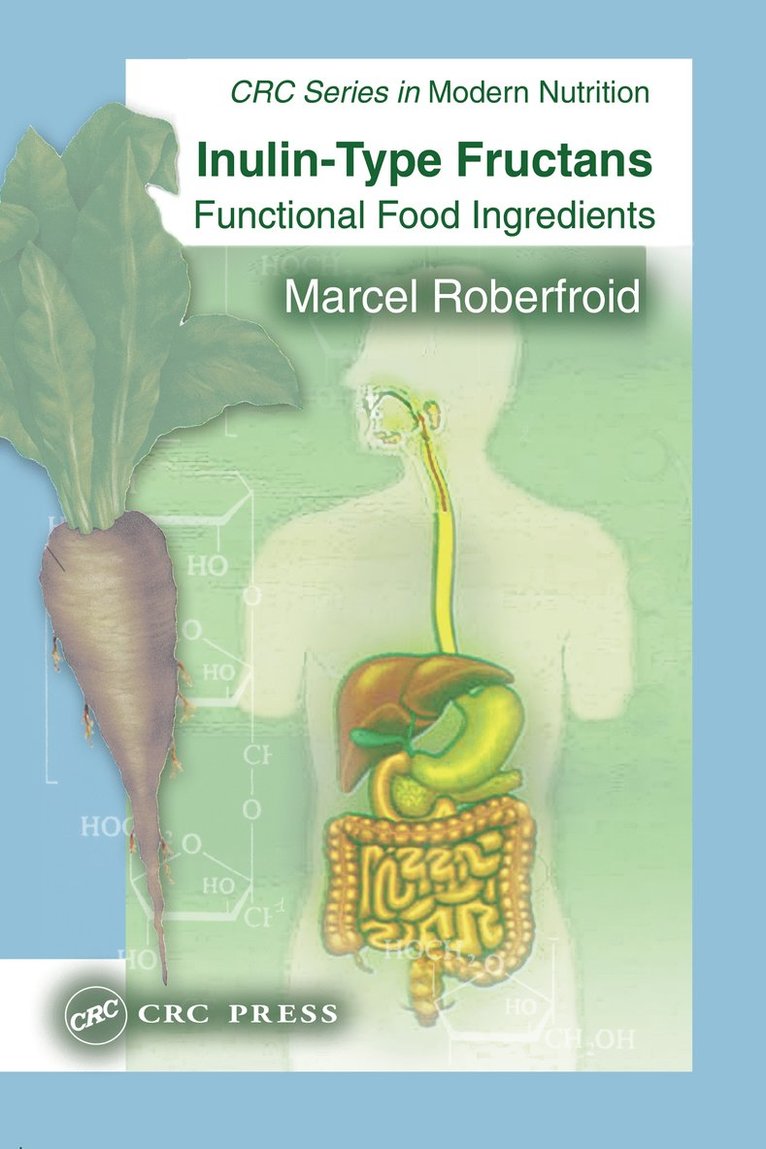
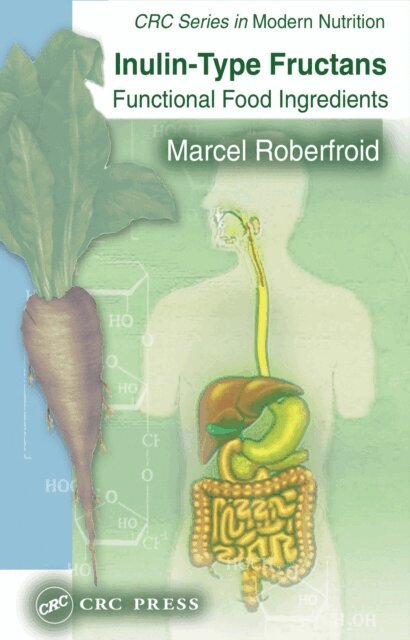
Inulin and oligofructose are naturally occurring resistant carbohydrates that have a variety of uses as functional food ingredients. In addition to their role as prebiotics that selectively stimulate the growth of beneficial bacteria in the intestines, these inulin-type fructans act as dietary fiber in the digestive system and have applications as a sugar substitute and fat replacer.Written by one of the leading researchers in the field, Inulin-Type Fructans: Functional Food Ingredients describes inulin-type fructans and explains how they can be analyzed, quantified, and used in a wide variety of food products. The text evaluates the nutritional properties of inulin-type fructans, focusing on their behavior in the upper gastrointestinal tract that have led to their classification as dietary fiber and low calorie carbohydrates. Following a review of the selective and beneficial modification of the intestinal microflora that led to the discovery of prebiotics, the book concentrates on the relationship of inulin and oligofructose to lipid metabolism, carcinogenesis, mineral absorption, and the immune system. The text concludes with a general discussion of the classification of inulin-type fructans as functional food ingredients. Each chapter begins with background information on the physiology and biochemistry of the particular function covered as well as on the methodology used to assess these functions, and concludes with a summary of the results and perspectives on future development. The combination of authoritative research data and insightful perspectives provides a comprehensive overview of this growing field.
3 256 kr
Skickas inom 10-15 vardagar
In order to achieve optimal digestion, absorption, and nutritional health, we must have appropriate populations of positive microflora. Prebiotics are functional foods that improve health by fortifying indigenous probiotics within the gut. This fast-growing area of nutrition and microbiology is rapidly amassing data and answering many questions about the necessity and benefit of such functional foods.Gathering contributions from leading experts in a range of disciplines, Handbook of Prebiotics presents a balanced view of the current knowledge in many different areas of the field. It discusses concept, definition and criteria for classification of a food component as prebiotics It then describes interactions with gut microbiota. Highlighting varying levels of evidence and agreement, the book presents current arguments for and against prebiotic intake. Contributions discuss the biomechanics of prebiotics and their effects on immune status, serum lipid concentrations, mineral bioavailability, and satiety modulation. They consider the health implications of prebiotic intake such as reduced incidence of gastroenteritis and chronic pathogenic gut disorders, including intestinal cancers and inflammatory bowel diseases. Providing well-rounded coverage, the book explores the varying effects of prebiotics in different populations and age groups such as infants and the elderly, as well as livestock and pets. The final chapters describe food avenues and the safety implications for prebiotic use. Spanning several disciplines including food science, nutrition, microbiology, biotechnology, and the health sciences, this seminal work makes a point to include sound research science and well-balanced views on the potential of prebiotics for promoting good health.