Marcus Boon - Böcker
Visar alla böcker från författaren Marcus Boon. Handla med fri frakt och snabb leverans.
7 produkter
7 produkter
793 kr
Skickas inom 7-10 vardagar
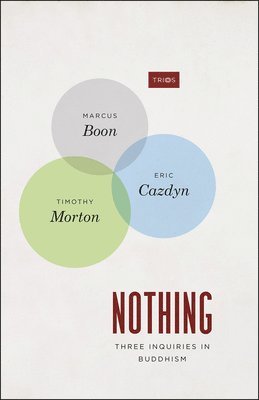
Though contemporary European philosophy and critical theory have long had a robust engagement with Christianity, there has been no similar engagement with Buddhism-a surprising lack, given Buddhism's global reach and obvious affinities with much of Continental philosophy. This volume fills that gap, bringing together three scholars to offer individual, distinct, yet complementary philosophical takes on Buddhism. Focused on "nothing"-essential to Buddhism, of course, but also a key concept in critical theory from Hegel and Marx through deconstruction, queer theory, and contemporary speculative philosophy-the book explores different ways of rethinking Buddhism's nothing. Through an elaboration of "sunyata," or emptiness, in both critical and Buddhist traditions; an examination of the problem of praxis in Buddhism, Marxism, and psychoanalysis; and an explication of a "Buddaphobia" that is rooted in modern anxieties about nothingness, Marcus Boon, Eric Cazdyn, and Timothy Morton open up new spaces in which the radical cores of Buddhism and critical theory are renewed and revealed.
229 kr
Skickas inom 7-10 vardagar
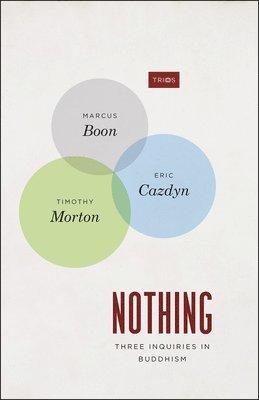
Though contemporary European philosophy and critical theory have long had a robust engagement with Christianity, there has been no similar engagement with Buddhism-a surprising lack, given Buddhism's global reach and obvious affinities with much of Continental philosophy. This volume fills that gap, bringing together three scholars to offer individual, distinct, yet complementary philosophical takes on Buddhism. Focused on "nothing"-essential to Buddhism, of course, but also a key concept in critical theory from Hegel and Marx through deconstruction, queer theory, and contemporary speculative philosophy-the book explores different ways of rethinking Buddhism's nothing. Through an elaboration of "sunyata," or emptiness, in both critical and Buddhist traditions; an examination of the problem of praxis in Buddhism, Marxism, and psychoanalysis; and an explication of a "Buddaphobia" that is rooted in modern anxieties about nothingness, Marcus Boon, Eric Cazdyn, and Timothy Morton open up new spaces in which the radical cores of Buddhism and critical theory are renewed and revealed.
373 kr
Skickas inom 7-10 vardagar
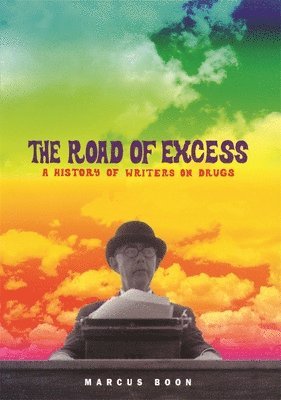
From the antiquity of Homer to yesterday's Naked Lunch, writers have found inspiration, and readers have lost themselves, in a world of the imagination tinged and oftentimes transformed by drugs. The age-old association of literature and drugs receives its first comprehensive treatment in this far-reaching work. Drawing on history, science, biography, literary analysis, and ethnography, Marcus Boon shows that the concept of drugs is fundamentally interdisciplinary, and reveals how different sets of connections between disciplines configure each drug's unique history.In chapters on opiates, anesthetics, cannabis, stimulants, and psychedelics, Boon traces the history of the relationship between writers and specific drugs, and between these drugs and literary and philosophical traditions. With reference to the usual suspects from De Quincey to Freud to Irvine Welsh and with revelations about others such as Milton, Voltaire, Thoreau, and Sartre, The Road of Excess provides a novel and persuasive characterization of the "effects" of each class of drug--linking narcotic addiction to Gnostic spirituality, stimulant use to writing machines, anesthesia to transcendental philosophy, and psychedelics to the problem of the imaginary itself. Creating a vast network of texts, personalities, and chemicals, the book reveals the ways in which minute shifts among these elements have resulted in "drugs" and "literature" as we conceive of them today.
298 kr
Skickas inom 10-15 vardagar
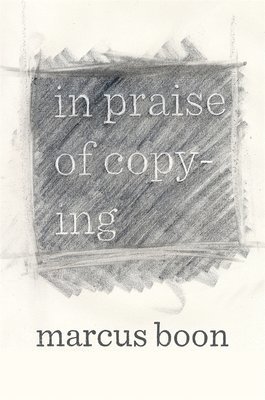
This book is devoted to a deceptively simple but original argument: that copying is an essential part of being human, that the ability to copy is worthy of celebration, and that, without recognizing how integral copying is to being human, we cannot understand ourselves or the world we live in.In spite of the laws, stigmas, and anxieties attached to it, the word “copying” permeates contemporary culture, shaping discourse on issues from hip hop to digitization to gender reassignment, and is particularly crucial in legal debates concerning intellectual property and copyright. Yet as a philosophical concept, copying remains poorly understood. Working comparatively across cultures and times, Marcus Boon undertakes an examination of what this word means—historically, culturally, philosophically—and why it fills us with fear and fascination. He argues that the dominant legal-political structures that define copying today obscure much broader processes of imitation that have constituted human communities for ages and continue to shape various subcultures today. Drawing on contemporary art, music and film, the history of aesthetics, critical theory, and Buddhist philosophy and practice, In Praise of Copying seeks to show how and why copying works, what the sources of its power are, and the political stakes of renegotiating the way we value copying in the age of globalization.
1 226 kr
Skickas inom 7-10 vardagar
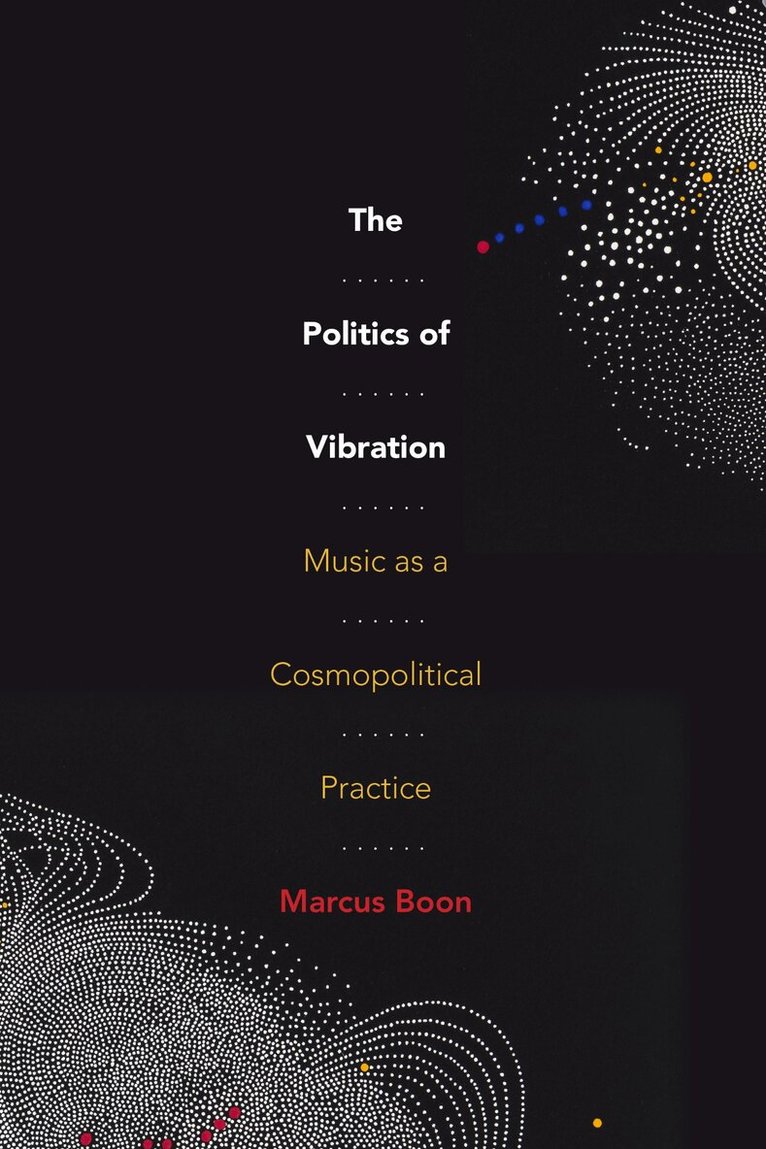
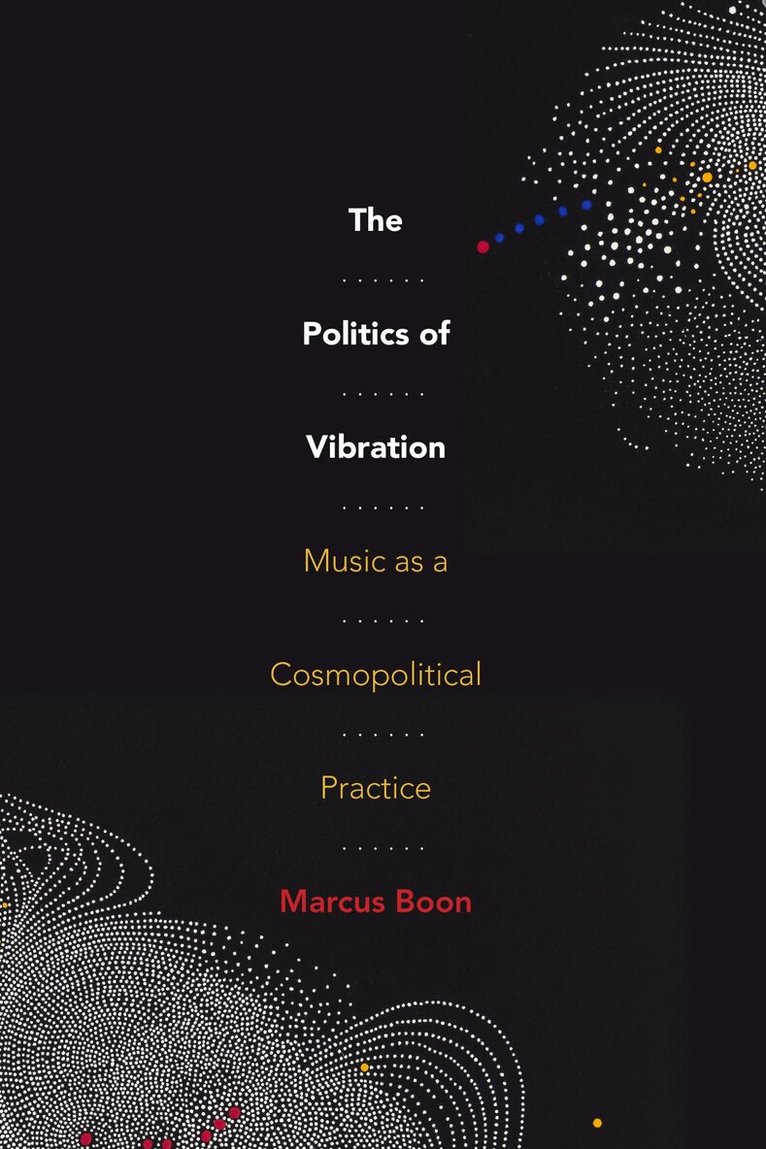
In The Politics of Vibration Marcus Boon explores music as a material practice of vibration. Focusing on the work of three contemporary musicians-Hindustani classical vocalist Pandit Pran Nath, Swedish drone composer and philosopher Catherine Christer Hennix, and Houston-based hip-hop musician DJ Screw-Boon outlines how music constructs a vibrational space of individual and collective transformation. Contributing to a new interdisciplinary field of vibration studies, he understands vibration as a mathematical and a physical concept, as a religious or ontological force, and as a psychological determinant of subjectivity. Boon contends that music, as a shaping of vibration, needs to be recognized as a cosmopolitical practice-in the sense introduced by Isabelle Stengers-in which what music is within a society depends on what kinds of access to vibration are permitted, and to whom. This politics of vibration constitutes the hidden ontology of contemporary music because the organization of vibration shapes individual music scenes as well as the ethical choices that participants in these scenes make about how they want to live in the world.
313 kr
Skickas inom 7-10 vardagar
In The Politics of Vibration Marcus Boon explores music as a material practice of vibration. Focusing on the work of three contemporary musicians-Hindustani classical vocalist Pandit Pran Nath, Swedish drone composer and philosopher Catherine Christer Hennix, and Houston-based hip-hop musician DJ Screw-Boon outlines how music constructs a vibrational space of individual and collective transformation. Contributing to a new interdisciplinary field of vibration studies, he understands vibration as a mathematical and a physical concept, as a religious or ontological force, and as a psychological determinant of subjectivity. Boon contends that music, as a shaping of vibration, needs to be recognized as a cosmopolitical practice-in the sense introduced by Isabelle Stengers-in which what music is within a society depends on what kinds of access to vibration are permitted, and to whom. This politics of vibration constitutes the hidden ontology of contemporary music because the organization of vibration shapes individual music scenes as well as the ethical choices that participants in these scenes make about how they want to live in the world.
225 kr
Skickas inom 5-8 vardagar