Eric Cazdyn – författare
Visar alla böcker från författaren Eric Cazdyn. Handla med fri frakt och snabb leverans.
15 produkter
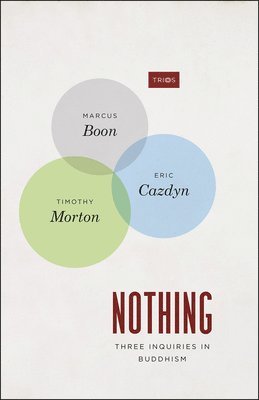
Nothing
Three Inquiries in Buddhism
Av Marcus Boon, Eric Cazdyn m. fl.
Inbunden, 2015
858 kr
Lägg i varukorg
Though contemporary European philosophy and critical theory have long had a robust engagement with Christianity, there has been no similar engagement with Buddhism-a surprising lack, given Buddhism's global reach and obvious affinities with much of Continental philosophy. This volume fills that …
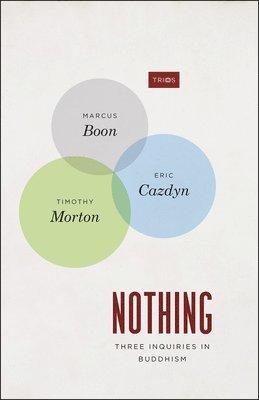
Nothing
Three Inquiries in Buddhism
Av Marcus Boon, Eric Cazdyn m. fl.
Häftad, 2015
282 kr
Lägg i varukorg
Though contemporary European philosophy and critical theory have long had a robust engagement with Christianity, there has been no similar engagement with Buddhism-a surprising lack, given Buddhism's global reach and obvious affinities with much of Continental philosophy. This volume fills that …
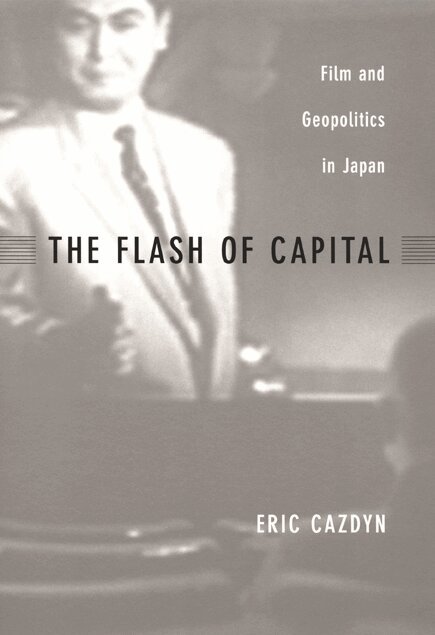
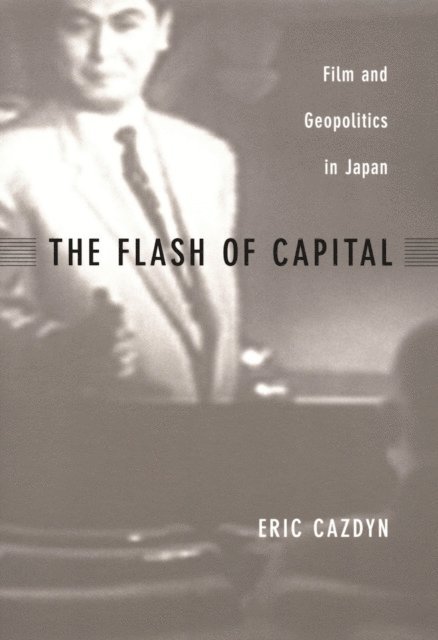
Flash of Capital
Film and Geopolitics in Japan
Av Eric Cazdyn
Häftad, 2002
385 kr
Lägg i varukorg
The Flash of Capital analyzes the links between Japan’s capitalist history and its film history, illuminating what these connections reveal about film culture and everyday life in Japan. Looking at a hundred-year history of film and capitalism, Eric Cazdyn theorizes a cultural history that …
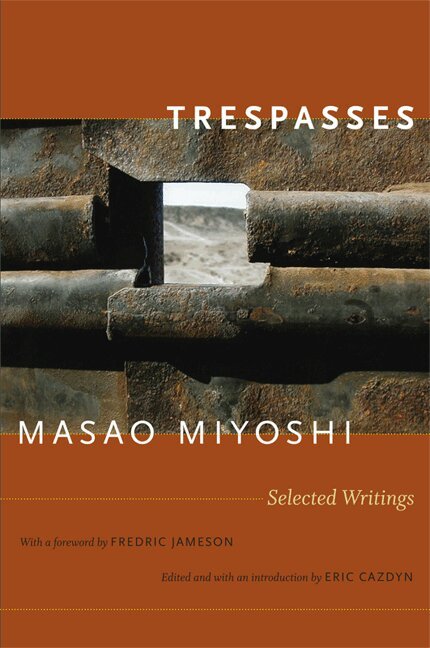
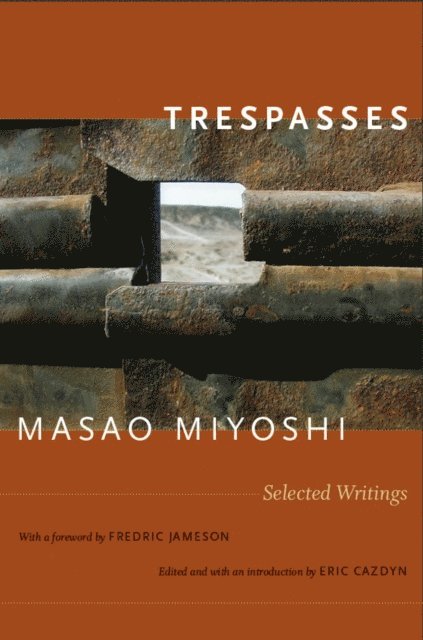
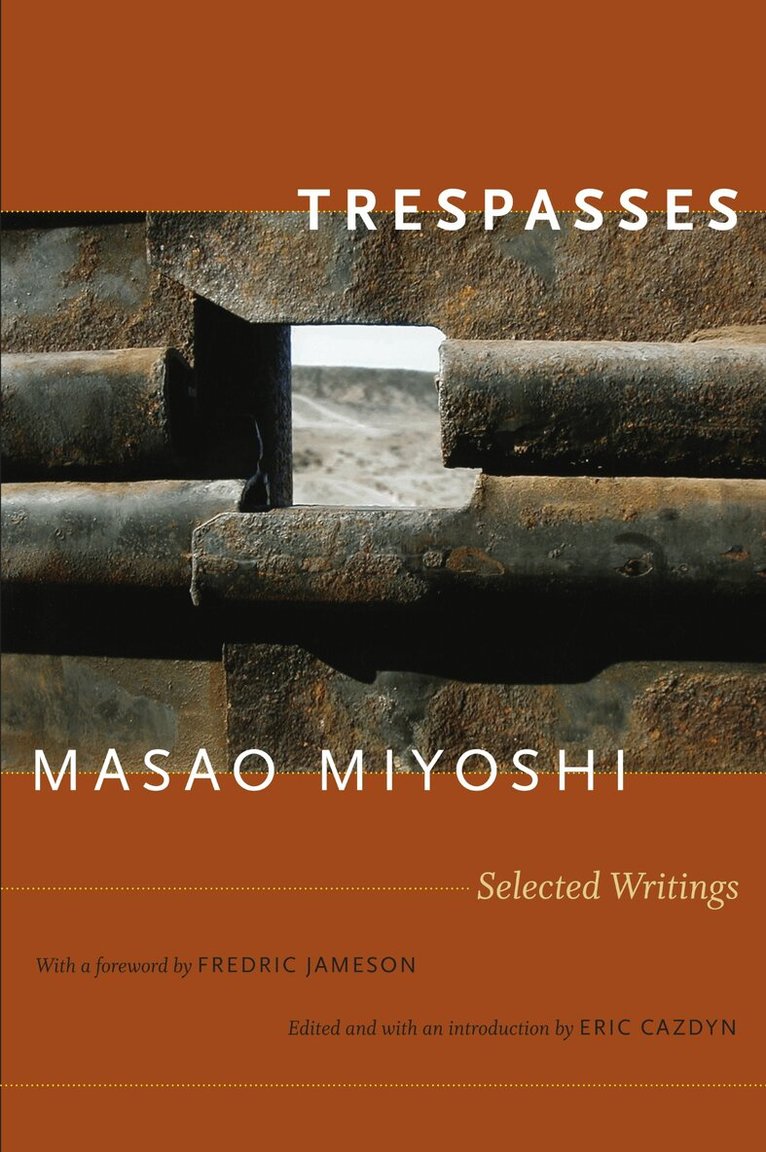
Trespasses
Selected Writings
Häftad, 2010
343 kr
Lägg i varukorg
Trespasses presents key writings of the Tokyo-born literary scholar Masao Miyoshi, one of the most important postwar intellectuals to link culture with politics and a remarkable critical voice within the academy. For more than four decades, Miyoshi worked outside the mainstream, trespassing into …
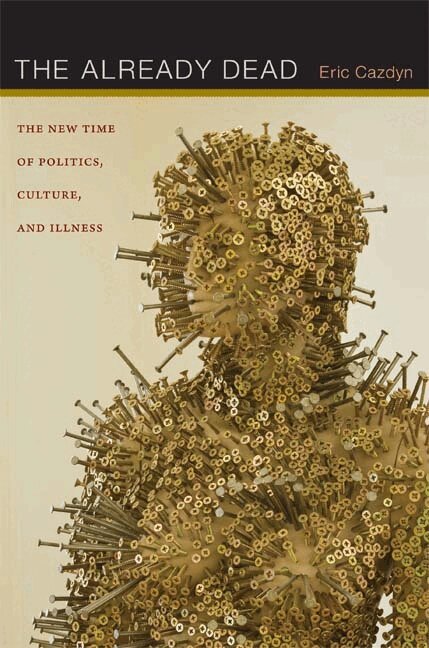
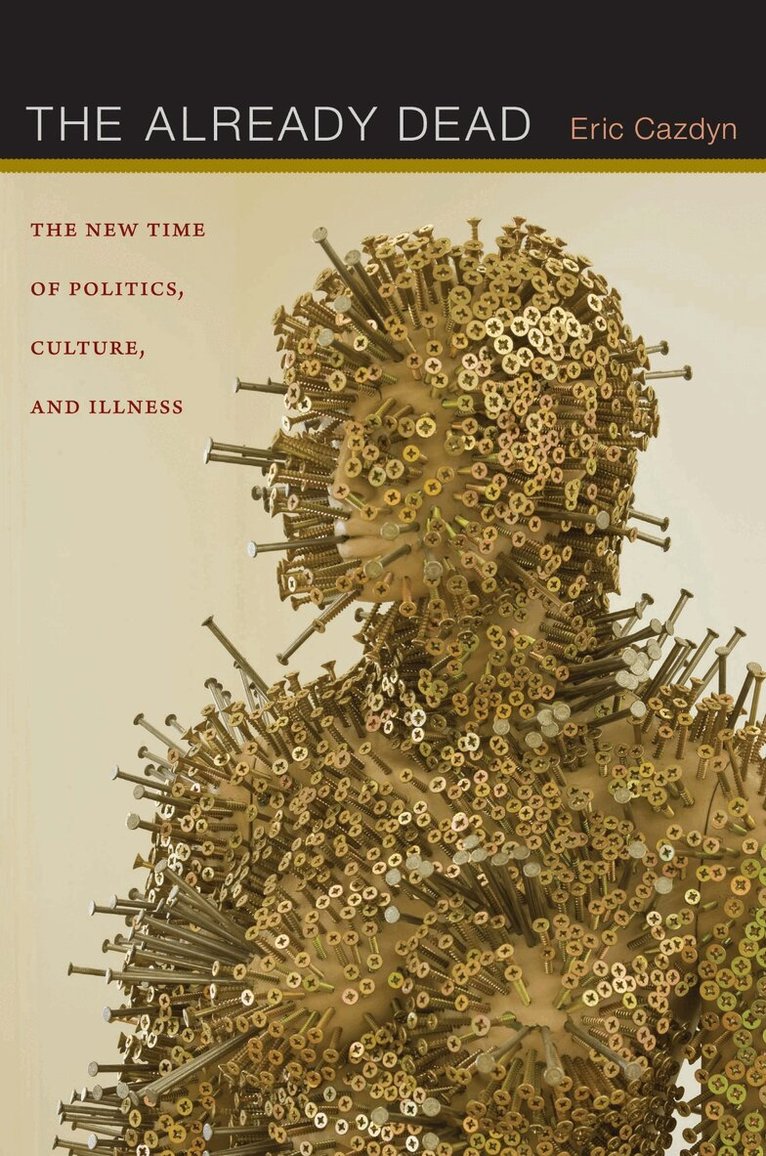
Already Dead
The New Time of Politics, Culture, and Illness
Av Eric Cazdyn
Häftad, 2012
353 kr
Lägg i varukorg
In The Already Dead, Eric Cazdyn examines the ways that contemporary medicine, globalization, politics, and culture intersect to produce a condition and concept that he names "the new chronic." Cazdyn argues that just as contemporary medicine uses targeted drug therapies and biotechnology to manage …
Flash of Capital
Film and Geopolitics in Japan
Av Eric Cazdyn
E-bok, 2002
570 kr
Lägg i varukorg
The Flash of Capital analyzes the links between Japan’s capitalist history and its film history, illuminating what these connections reveal about film culture and everyday life in Japan. Looking at a hundred-year history of film and capitalism, Eric Cazdyn theorizes a cultural history that …
Trespasses
Selected Writings
E-bok, 2010
505 kr
Lägg i varukorg
Trespasses presents key writings of the Tokyo-born literary scholar Masao Miyoshi, one of the most important postwar intellectuals to link culture with politics and a remarkable critical voice within the academy. For more than four decades, Miyoshi worked outside the mainstream, trespassing into …
Already Dead
The New Time of Politics, Culture, and Illness
Av Eric Cazdyn
E-bok, 2012
505 kr
Lägg i varukorg
In The Already Dead , Eric Cazdyn examines the ways that contemporary medicine, globalization, politics, and culture intersect to produce a condition and concept that he names "the new chronic." Cazdyn argues that just as contemporary medicine uses targeted drug therapies and biotechnology to …
After Globalization
Häftad, 2013
398 kr
Lägg i varukorg
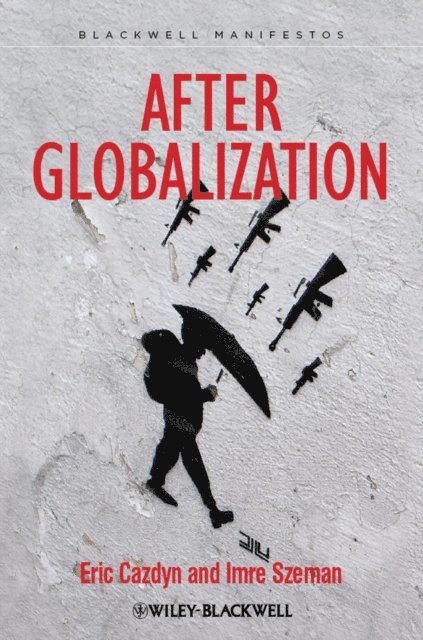
AFTER GLOBALIZATION “Relentlessly, remorselessly, endlessly, we are told there is no alternative to globalization, whether our lecturers are bourgeois economists, progressive journalists, or imaginative litterateurs. Eric Cazdyn and Imre Szeman dare to go beyond the standard thinking of the day and …
After Globalization
Inbunden, 2011
1180 kr
Lägg i varukorg
AFTER GLOBALIZATION “Relentlessly, remorselessly, endlessly, we are told there is no alternative to globalization, whether our lecturers are bourgeois economists, progressive journalists, or imaginative litterateurs. Eric Cazdyn and Imre Szeman dare to go beyond the standard thinking of the day and …
After Globalization
E-bok, 2011
524 kr
Lägg i varukorg
AFTER GLOBALIZATION “ Relentlessly, remorselessly, endlessly, we are told there is no alternative to globalization, whether our lecturers are bourgeois economists, progressive journalists, or imaginative litterateurs . Eric Cazdyn and Imre Szeman dare to go beyond the standard thinking of the day …
After Globalization
E-bok, 2011
1367 kr
Lägg i varukorg
AFTER GLOBALIZATION “ Relentlessly, remorselessly, endlessly, we are told there is no alternative to globalization, whether our lecturers are bourgeois economists, progressive journalists, or imaginative litterateurs . Eric Cazdyn and Imre Szeman dare to go beyond the standard thinking of the day …
Flash of Capital
Film and Geopolitics in Japan
Av Eric Cazdyn
Inbunden, 2002
1323 kr
Tillfälligt slut
The Flash of Capital analyzes the links between Japan’s capitalist history and its film history, illuminating what these connections reveal about film culture and everyday life in Japan. Looking at a hundred-year history of film and capitalism, Eric Cazdyn theorizes a cultural history that …
Trespasses
Selected Writings
Inbunden, 2010
1407 kr
Tillfälligt slut
Trespasses presents key writings of the Tokyo-born literary scholar Masao Miyoshi, one of the most important postwar intellectuals to link culture with politics and a remarkable critical voice within the academy. For more than four decades, Miyoshi worked outside the mainstream, trespassing into …
Already Dead
The New Time of Politics, Culture, and Illness
Av Eric Cazdyn
Inbunden, 2012
1478 kr
Tillfälligt slut
In The Already Dead, Eric Cazdyn examines the ways that contemporary medicine, globalization, politics, and culture intersect to produce a condition and concept that he names "the new chronic." Cazdyn argues that just as contemporary medicine uses targeted drug therapies and biotechnology to manage …