Margaret Bender – författare
Visar alla böcker från författaren Margaret Bender. Handla med fri frakt och snabb leverans.
6 produkter
Foreign at Home and Away
Foreign-Born Wives in the U.S. Foreign Service
Häftad, 2002
231 kr
Lägg i varukorg
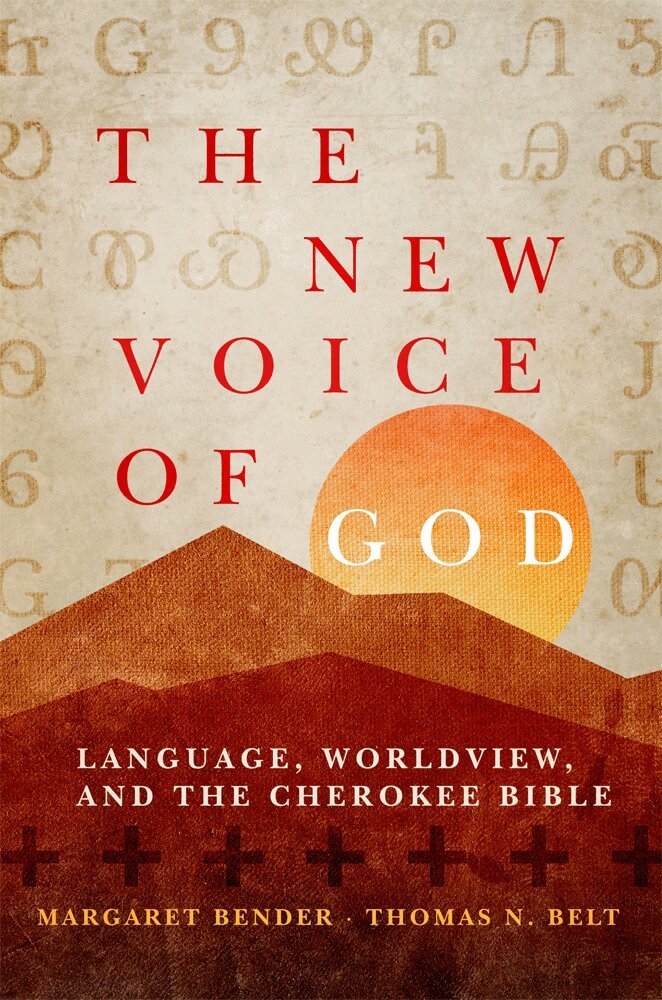
New Voice of God
Language, Worldview, and the Cherokee Bible
Av Margaret Bender, Thomas N Belt
Inbunden, 2025
514 kr
Lägg i varukorg
For Christian European missionaries among the Cherokees at the turn of the eighteenth century, translating the Bible meant wrestling with the extreme structural differences between Cherokee and English. The New Voice of God reveals how these linguistic differences encoded basic predispositions and …
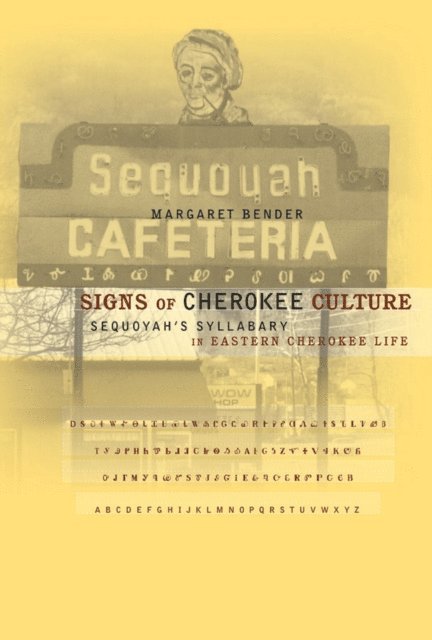
Signs of Cherokee Culture
Sequoyah's Syllabary in Eastern Cherokee Life
Häftad, 2002
472 kr
Lägg i varukorg
Based on extensive fieldwork in the community of the Eastern Band of Cherokee Indians in western North Carolina, this book uses a semiotic approach to investigate the historic and contemporary role of the Sequoyan syllabary - the written system for representing the sounds of the Cherokee language - …
Signs of Cherokee Culture
Sequoyah''s Syllabary in Eastern Cherokee Life
E-bok, 2003
508 kr
Lägg i varukorg
Based on extensive fieldwork in the community of the Eastern Band of Cherokee Indians in western North Carolina, this book uses a semiotic approach to investigate the historic and contemporary role of the Sequoyan syllabary--the written system for representing the sounds of the Cherokee …
Foreign at Home and Away
Foreign-Born Wives in the U.S. Foreign Service
E-bok, 2002
53 kr
Lägg i varukorg
An Indian-born foreign service officer killed in the U.S. embassy bombing in Nairobi, Kenya. An Austrian-born doctor who volunteered her medical skills in Japan, South Vietnam, and Iran. A French-speaking woman from a remote village in Gabon. These are just three of the women whose stories are told …
Signs of Cherokee Culture
Sequoyah''s Syllabary in Eastern Cherokee Life
E-bok, 2003
520 kr
Lägg i varukorg
Based on extensive fieldwork in the community of the Eastern Band of Cherokee Indians in western North Carolina, this book uses a semiotic approach to investigate the historic and contemporary role of the Sequoyan syllabary--the written system for representing the sounds of the Cherokee …