Thomas N Belt - Böcker
Visar alla böcker från författaren Thomas N Belt. Handla med fri frakt och snabb leverans.
2 produkter
2 produkter
488 kr
Skickas inom 10-15 vardagar
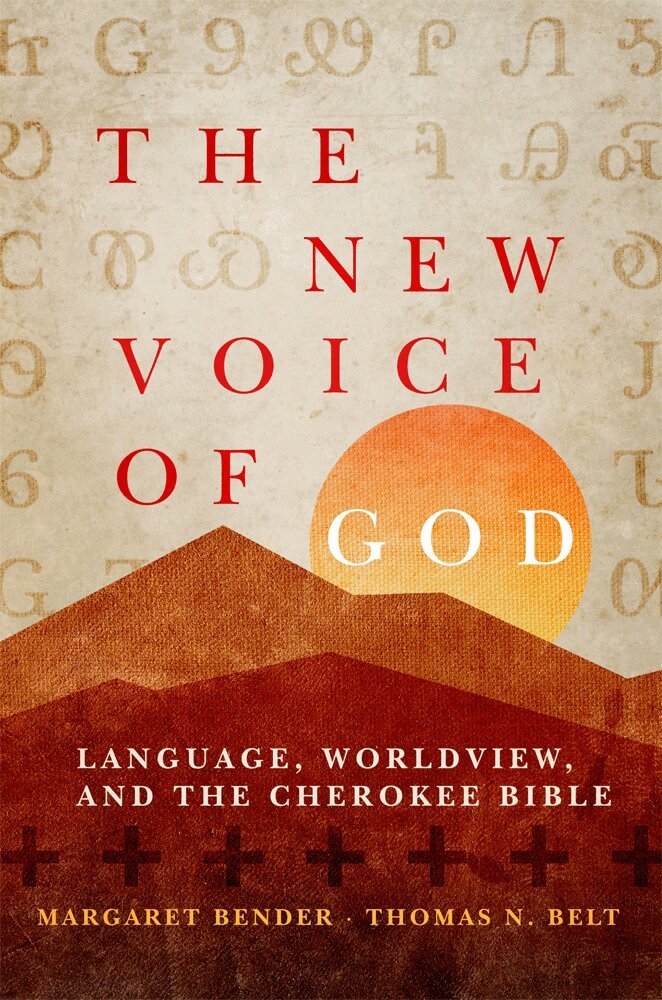
For Christian European missionaries among the Cherokees at the turn of the eighteenth century, translating the Bible meant wrestling with the extreme structural differences between Cherokee and English. The New Voice of God reveals how these linguistic differences encoded basic predispositions and orientations toward the physical, spiritual, and social worlds— and how their translation in turn encodes the profound linguistic and cultural exchange manifested in the making of the Cherokee Bible. While the introduction of Christianity shaped Cherokee communicative practices and culture, the Cherokee language also reshaped the Bible to reflect a definitive Native worldview. Focusing on three books of the Cherokee Bible - Genesis, John, and Matthew - Margaret Bender and Thomas N. Belt demonstrate how Christianity, written in and on Cherokee terms, can be uniquely and distinctly Cherokee, while remaining undeniably Christian. For example, Cherokee's rich and complex grammar work against English's noun-centeredness, yielding creative approximations of European objects as conditions and essences as events. Cherokee's radically different pronoun structure includes the reader in Biblical conversation in surprising ways. The authors also explain the relevance of the Cherokee Indigenous writing system - invented by Sequoyah, a non-Christian native speaker - to the complex spiritual landscape of the nineteenth century. Their analysis suggests that the Cherokee Bible records this cross-cultural encounter at a deep philosophical level, providing evidence that microlinguistic detail powerfully and intricately reflects macrosociological phenomena. In showing how Cherokee Christians ingeniously adapted Christian practices to create unique social and spiritual identities, The New Voice of God documents how this adaptation - manifest in the translation of Christian texts into Cherokee - not only bridged two vastly different languages but also exposed deep philosophical differences, challenging Western cultural norms and reshaping spiritual discourse.
319 kr
Skickas inom 7-10 vardagar
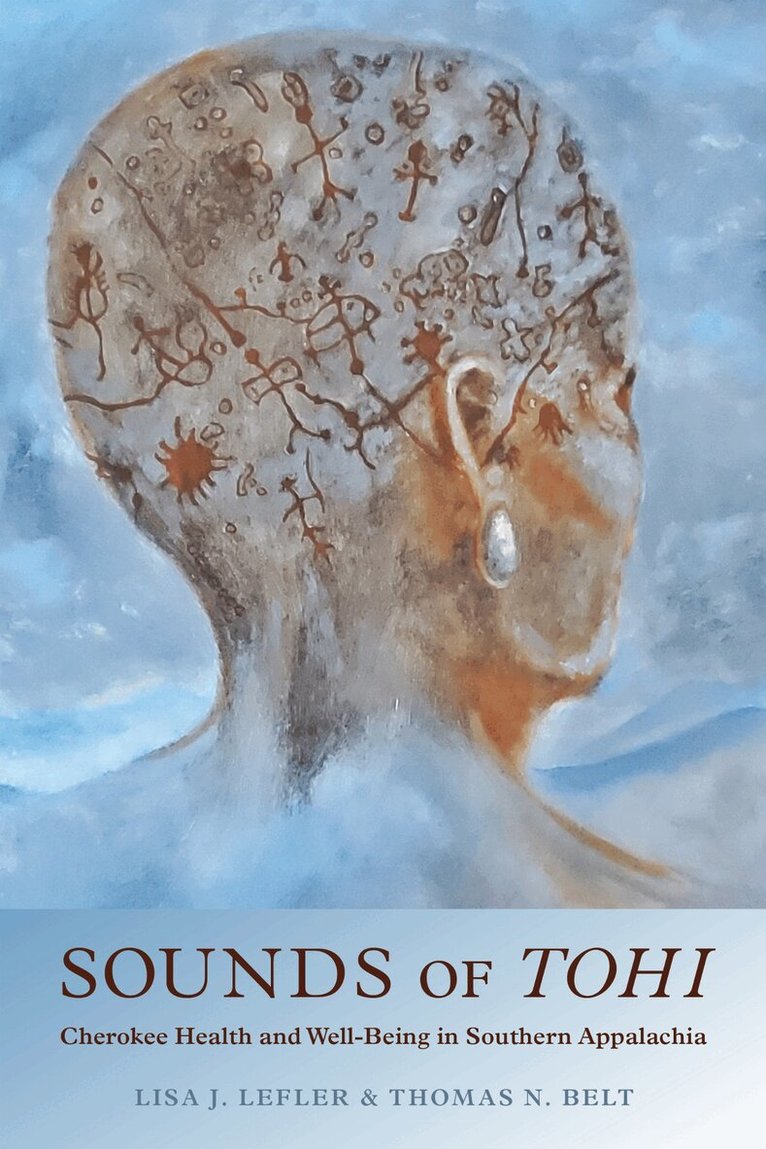
Dialogue between a medical anthropologist and a Cherokee linguist about health, well-being, and environmental issuesSounds of Tohi: Cherokee Health and Well-Being in Southern Appalachia is the result of almost two decades of work by medical anthropologist Lisa J. Lefler and Cherokee elder and traditionalist Thomas N. Belt. The narrative consists of a dialogue between them that displays traditional Indigenous knowledge as well as the importance of place for two people from cultures and histories that intersect in the mountains of Southern Appalachia. Together, Lefler and Belt decolonize thinking about health, well-being, and environmental issues through the language and experiences of people whose identity is inextricably linked to the mountains and landscape of western North Carolina.Lefler and Belt discuss several critical cultural concepts that explain the science of relationships with this world, with the spirit world, and with people. They explore tohi, the Cherokee concept of health, which offers a more pervasive understanding of relationships in life as balanced and moving forward in a good way. They converse about the importance of matrilineality, particularly in light of community healing, the epistemologies of Cherokee cosmography, and decolonizing counseling approaches.The discussions here offer a different way of approaching the issues that face Americans in this difficult time of division. Lefler and Belt share their urgency to take action against the wholesale exploitation of public lands and the shared environment, to work to perpetuate tribal languages, to preserve the science that can make a difference in how people treat one another, and to create more forums that are inclusive of Native and marginalized voices and that promote respect and appreciation of one another and the protection of sacred places. Throughout, they rely on the preservation of traditional knowledge, or Native science, via Native language to provide insight as to why people should recognize a connection to the land.