Margaret Benefiel – Författare
Visar alla böcker från författaren Margaret Benefiel. Handla med fri frakt och snabb leverans.
7 produkter
7 produkter
258 kr
Skickas inom 5-8 vardagar
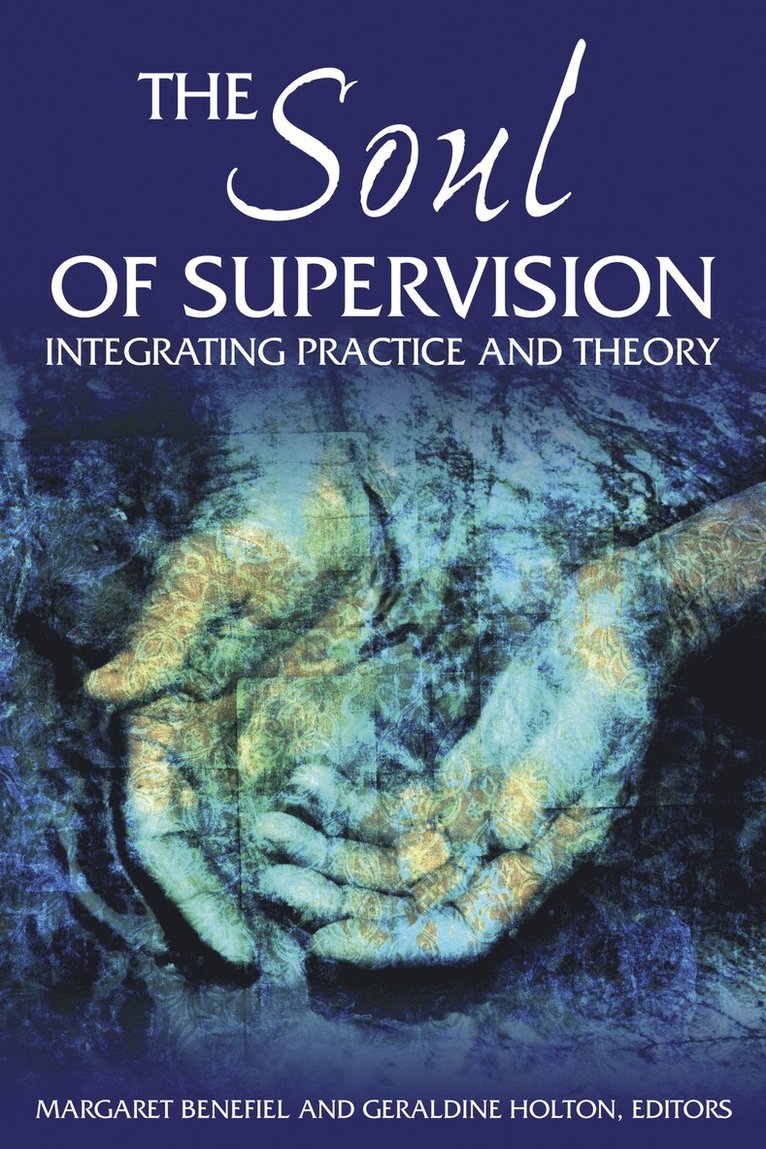
With national and international concern around issues of abuse, burnout, meaninglessness, and spiritual bankruptcy in every profession, supervision is becoming increasingly necessary for people who desire life-giving care and understanding in their work and ministry. This new book provides a framework of theory and experience to develop the strengths and address the challenges of professional supervision with particular focus on developing spiritual sensitivity and competency.
287 kr
Skickas inom 3-6 vardagar
Demonstrating the principle that soulfulness at work is a way of being and doing, this guide provides new perspectives on the qualities of leadership. Three main sections elaborate on the themes of choosing the path, staying on track, and persevering to the end. Drawing from interviews with outstanding leaders--including Tom and Kate Chappell, the founders of Tom's of Maine; Bob Glassman, co-chairman of Wainwright Bank & Trust; Desmond Tutu; and The Edge of rock band U2--and supported with guided questions in each section, this book is an essential addition to the bookshelf of anyone who wants to lead with soul. In an environment where leaders are rewarded for their drive, decisiveness, productivity, and long work hours, the spiritual well-being of a leader may get short shrift, and harm can come to both the leader and the organization this individual serves. Challenging the assumptions that effective leaders must sell their souls, cut corners, cook the books, and let go of their vision, a new model of spiritual leadership is offered. Teachers, parents, committee chair leaders, and other individuals in organizations of any size are exhorted to aim higher and lead with soul in any sphere, large or small.
235 kr
Skickas inom 5-8 vardagar
136 kr
Skickas inom 5-8 vardagar
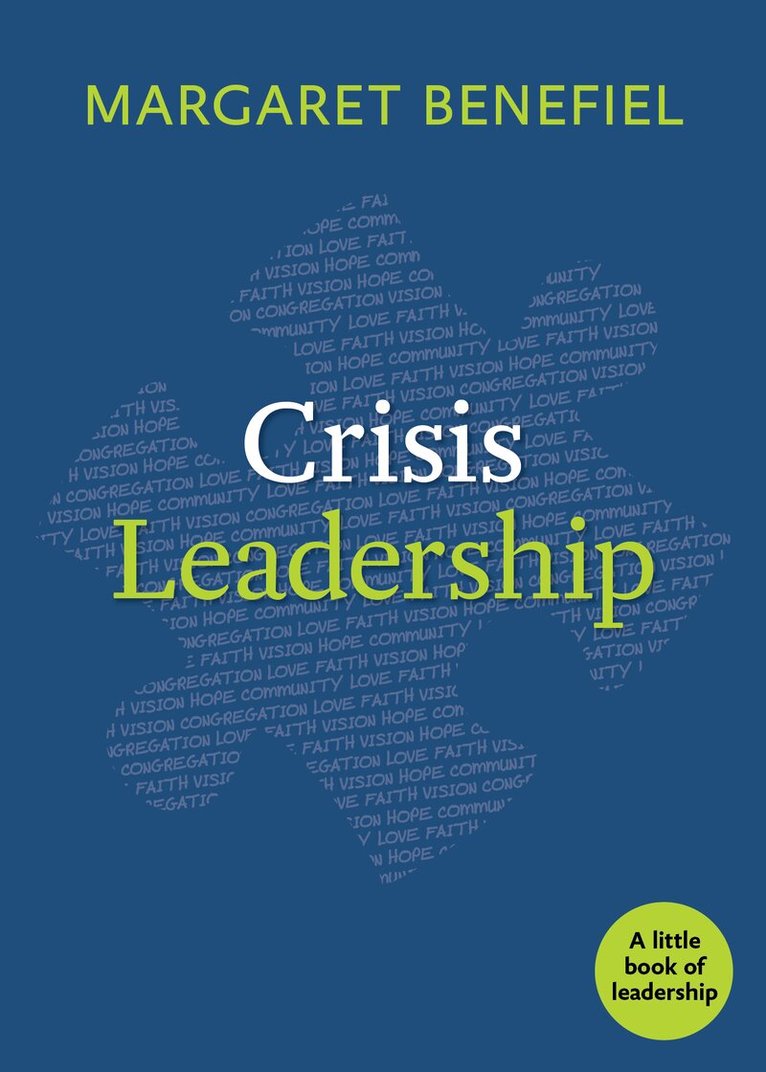
Recent crises have revealed the desperate need for wise, grounded leadership.Too often, leaders have little experience and even less training in how to address crises in a way that strengthens their communities and guides them into the future. Drawing on examples from government, business, health care, non-profits, and the church, this book helps leaders in those sectors in the present crises and beyond. When a pandemic closes down churches, schools, and offices; when protests rage over racist police brutality; when everything you’ve always done as a leader becomes irrelevant, where can you turn? This book examines leaders who creatively navigated crises, drawing out principles of crisis leadership from them. This series of Little Books of Leadership is designed to foster conversations within congregations around certain principles and practices that nurture community and growth in the ongoing life of the church.
247 kr
Skickas inom 5-8 vardagar
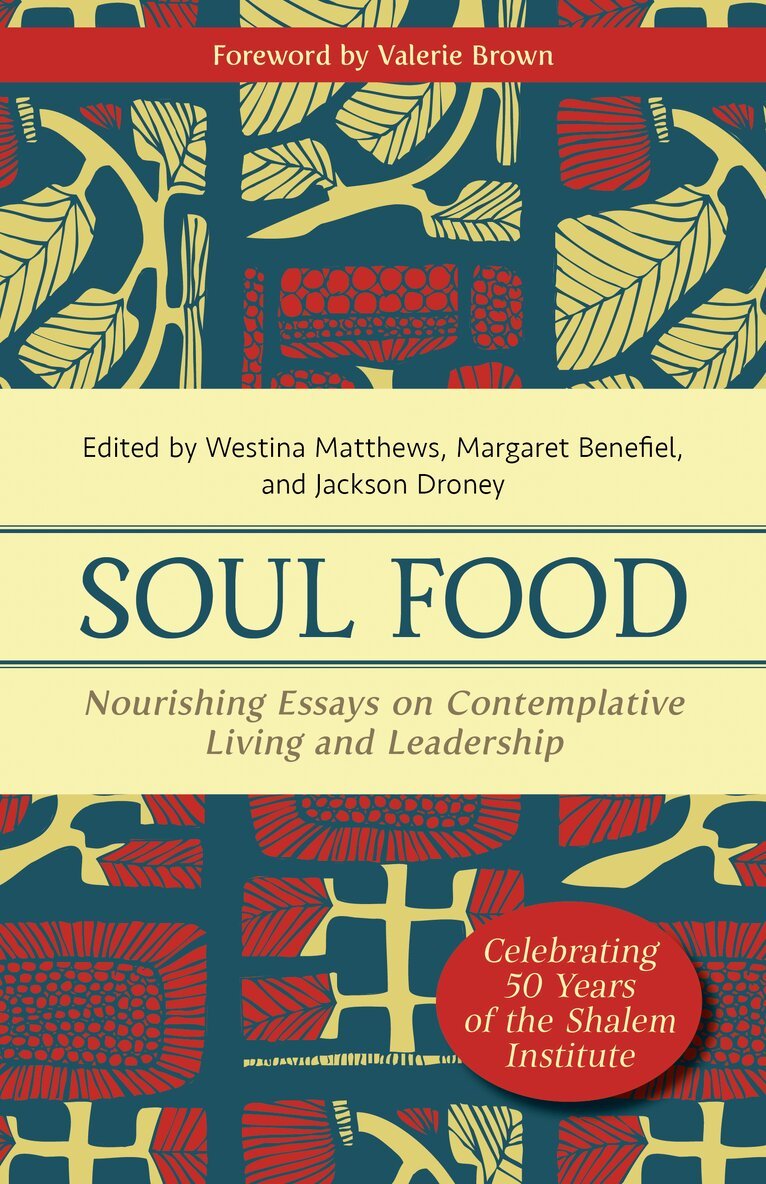
Commemorating the 50th anniversary of the Shalem Institute, this collection of experiential and academic essays offers modern contemplative reflections from new and renowned voices in spiritual leadership.Founded in 1973 by the Rev. Dr. Tilden H. Edwards, Jr., Shalem Institute for Spiritual Formation offers retreats, workshops, and groups centered around contemplative spirituality. The culmination of half a century of charitable ministry, this commemorative anthology features essays written by Shalem graduates, as well as current and former board members and program directors. Its release will coincide with the Shalem Institute’s 50th anniversary.Co-edited by Shalem graduate and board member Westina Matthews, Shalem’s Executive Director Margaret Benefiel, and Jackson Droney, Shalem’s Director of Operations and Online Learning, Soul Food takes an inclusive and contemporary approach to contemplative living and leadership. Designed in alignment with Diversity, Equity, and Inclusion initiatives, this vital book spotlights authors of different ethnicities, faith backgrounds, and gender identities, while consistently centering the development of day-to-day practices designed to deepen engagement with the divine. With essays from notable contributors from Shalem's past and present, such as Tilden Edwards, the institute's founder and former director; Gay Byron, Professor of New Testament and Early Christianity at Howard University; and Carl McColman, well-known Christian mystic and spiritual director, this collection looks to the future, set to serve as an invaluable resource in spiritual formation for the next 50 years, and beyond.
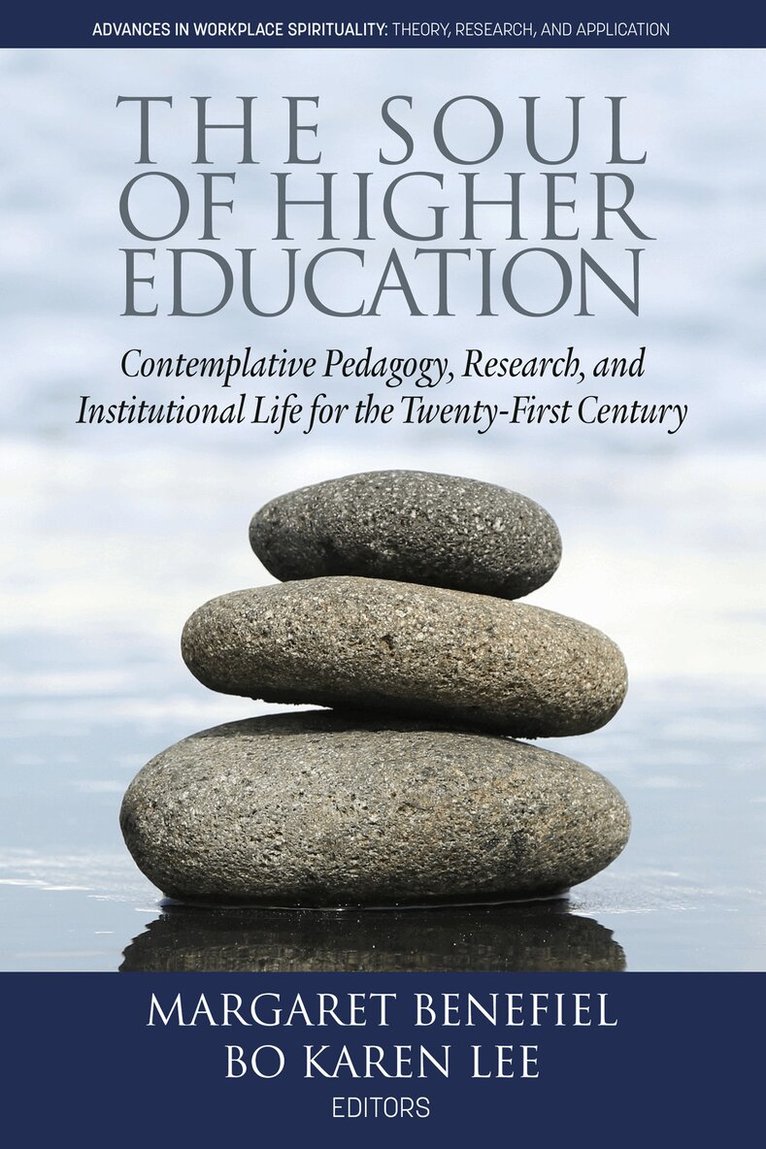
Soul of Higher Education
Contemplative Pedagogy, Research and Institutional Life for the Twenty-First Century
Häftad, Engelska, 2019
403 kr
Skickas inom 7-10 vardagar
The Soul of Higher Education: Contemplative Pedagogy, Research and Institutional Life for the Twenty-first Century contributes to an understanding of the importance and implications of a contemplative grounding for higher education. It is the sixth in a series entitled Advances in Workplace Spirituality: Theory, Research and Application, which is intended to be an authoritative and comprehensive series in the field.This volume consists of chapters written by noted scholars from both Eastern and Western traditions that shed light on the following questions:• What is an appropriate epistemological grounding for contemplative higher education? How dues the current dominant epistemology in higher education mitigate against contemplative teaching, learning, and research? What alternatives can be offered?• How can a contemplative culture be nurtured in the classroom? What difference does that culture make in teaching and learning? What is the role of individual and institutional leadership in creating and sustaining this culture?• What is contemplative research? How can the emerging field of contemplative studies fit into the twenty-first-century university?• What can faculty and students learn from contemplative practices about how to find peace of mind in a world of higher education characterized by increasing complexity, financial pressures, and conflicts?• What does a contemplative organizational structure look like in higher education? How can committees, faculty meetings, and administrative teams use contemplative practices to work more effectively together?• How can contemplative decision-making processes be used in higher education? Given hierarchies, turf wars, and academics’ propensity for using argument as a weapon, is it possible to introduce contemplative practices into decision-making situations in appropriate ways?
Soul of Higher Education
Contemplative Pedagogy, Research and Institutional Life for the Twenty-First Century
Inbunden, Engelska, 2019
585 kr
Skickas inom 7-10 vardagar
The Soul of Higher Education: Contemplative Pedagogy, Research and Institutional Life for the Twenty-first Century contributes to an understanding of the importance and implications of a contemplative grounding for higher education. It is the sixth in a series entitled Advances in Workplace Spirituality: Theory, Research and Application, which is intended to be an authoritative and comprehensive series in the field.This volume consists of chapters written by noted scholars from both Eastern and Western traditions that shed light on the following questions:• What is an appropriate epistemological grounding for contemplative higher education? How dues the current dominant epistemology in higher education mitigate against contemplative teaching, learning, and research? What alternatives can be offered?• How can a contemplative culture be nurtured in the classroom? What difference does that culture make in teaching and learning? What is the role of individual and institutional leadership in creating and sustaining this culture?• What is contemplative research? How can the emerging field of contemplative studies fit into the twenty-first-century university?• What can faculty and students learn from contemplative practices about how to find peace of mind in a world of higher education characterized by increasing complexity, financial pressures, and conflicts?• What does a contemplative organizational structure look like in higher education? How can committees, faculty meetings, and administrative teams use contemplative practices to work more effectively together?• How can contemplative decision-making processes be used in higher education? Given hierarchies, turf wars, and academics’ propensity for using argument as a weapon, is it possible to introduce contemplative practices into decision-making situations in appropriate ways?