Margarita Marinova – författare
Visar alla böcker från författaren Margarita Marinova. Handla med fri frakt och snabb leverans.
11 produkter
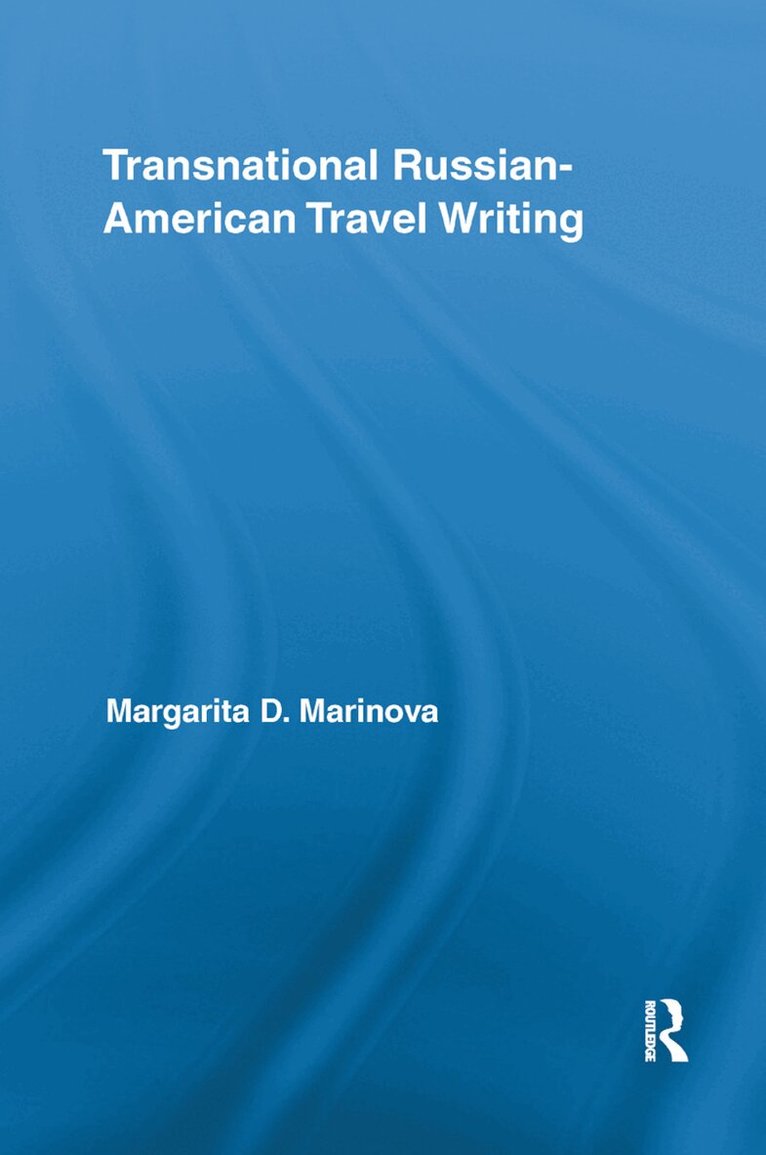
Transnational Russian-American Travel Writing
Häftad, 2019
809 kr
Lägg i varukorg
In this study, Marinova examines the diverse practices of crossing boundaries, tactics of translation, and experiences of double and multiple political and national attachments evident in texts about Russo-American encounters from the end of the American Civil War to the Russian Revolution of 1905. …
Transnational Russian-American Travel Writing
Inbunden, 2011
3146 kr
Lägg i varukorg
In this study, Marinova examines the diverse practices of crossing boundaries, tactics of translation, and experiences of double and multiple political and national attachments evident in texts about Russo-American encounters from the end of the American Civil War to the Russian Revolution of 1905. …
Transnational Russian-American Travel Writing
E-bok, 2012
956 kr
Lägg i varukorg
In this study, Marinova examines the diverse practices of crossing boundaries, tactics of translation, and experiences of double and multiple political and national attachments evident in texts about Russo-American encounters from the end of the American Civil War to the Russian Revolution of 1905. …
Transnational Russian-American Travel Writing
E-bok, 2012
956 kr
Lägg i varukorg
In this study, Marinova examines the diverse practices of crossing boundaries, tactics of translation, and experiences of double and multiple political and national attachments evident in texts about Russo-American encounters from the end of the American Civil War to the Russian Revolution of 1905. …
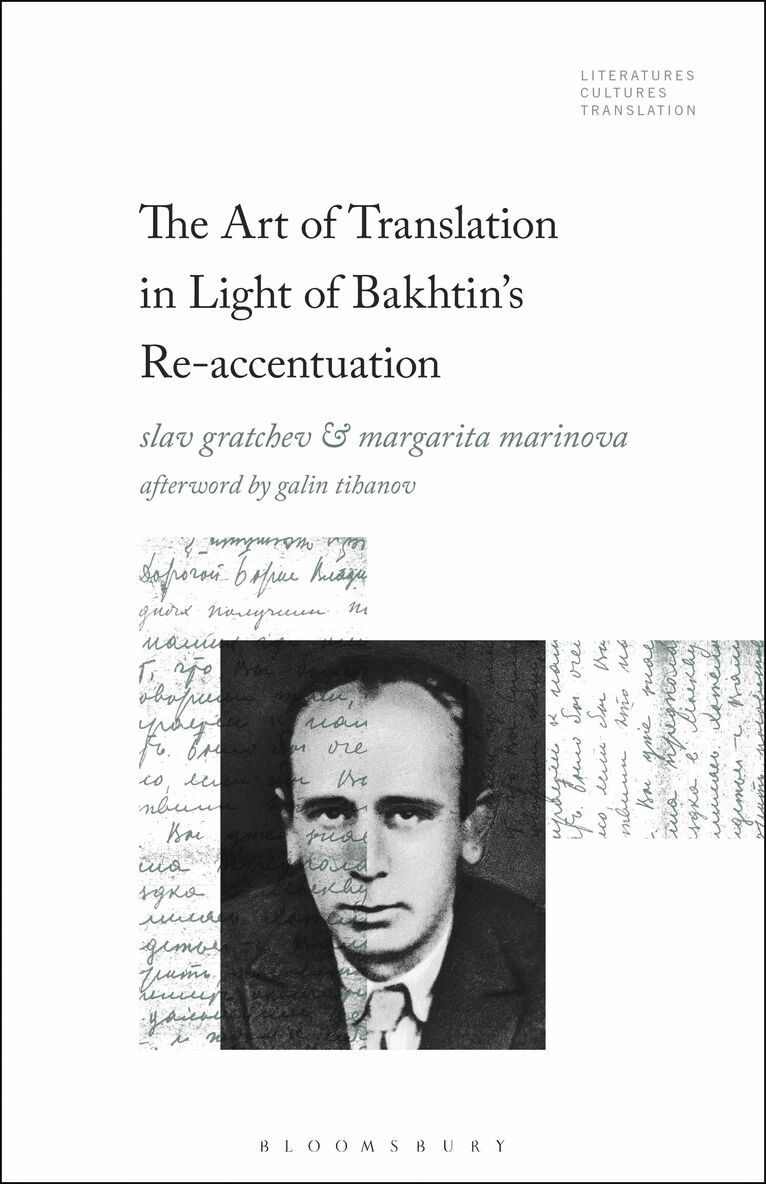
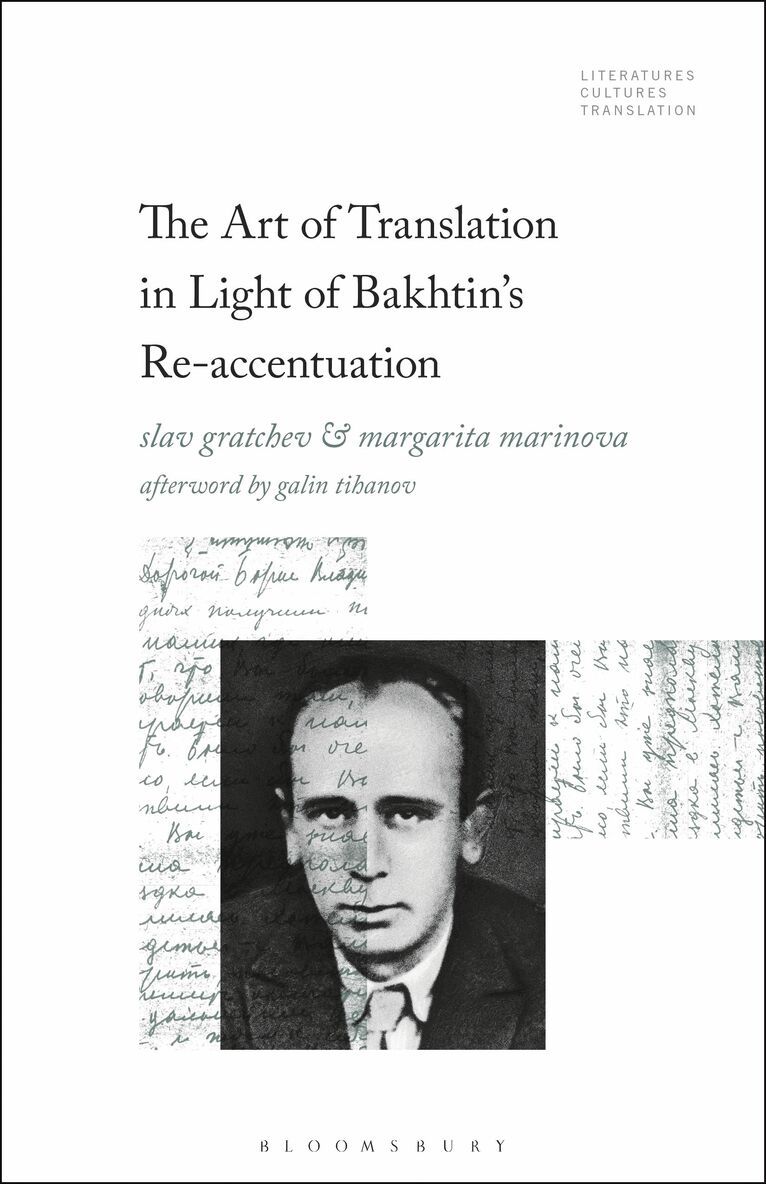
Art of Translation in Light of Bakhtin's Re-accentuation
Av Slav Gratchev, Margarita Marinova
Inbunden, 2022
1628 kr
Lägg i varukorg
Although Mikhail Bakhtin’s study of the novel does not focus in any systematic way on the role that translation plays in the processes of novelistic creation and dissemination, when he does broach the topic he grants translation'a disproportionately significant role in the emergence and …
Art of Translation in Light of Bakhtin's Re-accentuation
Av Slav Gratchev, Margarita Marinova
E-bok, 2022
538 kr
Lägg i varukorg
Although Mikhail Bakhtin's study of the novel does not focus in any systematic way on the role that translation plays in the processes of novelistic creation and dissemination, when he does broach the topic he grants translation'a disproportionately significant role in the emergence and …
Art of Translation in Light of Bakhtin's Re-accentuation
Av Slav Gratchev, Margarita Marinova
E-bok, 2022
521 kr
Lägg i varukorg
Although Mikhail Bakhtin's study of the novel does not focus in any systematic way on the role that translation plays in the processes of novelistic creation and dissemination, when he does broach the topic he grants translation'a disproportionately significant role in the emergence and …
Art of Translation in Light of Bakhtin's Re-accentuation
Av Slav Gratchev, Margarita Marinova
Häftad, 2024
494 kr
Lägg i varukorg
Although Mikhail Bakhtin’s study of the novel does not focus in any systematic way on the role that translation plays in the processes of novelistic creation and dissemination, when he does broach the topic he grants translation'a disproportionately significant role in the emergence and …
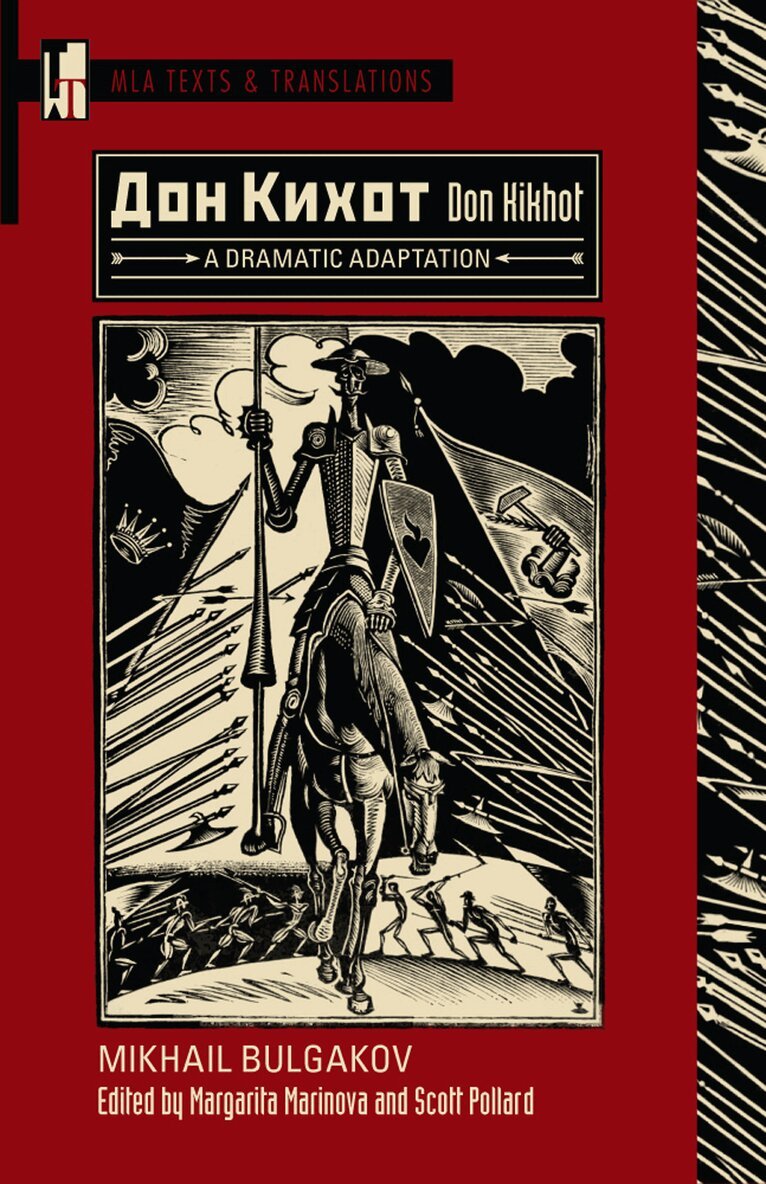
Don Kikhot (Russian)
A Dramatic Adaptation
Av Mikhail Bulgakov, Margarita Marinova m. fl.
Häftad, 2014
361 kr
Lägg i varukorg
When Soviet censors approved Mikhail Bulgakov's Don Kikhot [ ], a stage adaptation of Don Quixote, they were unaware that they were sanctioning a subtle but powerful criticism of Stalinist rule. The author, whose novel Master i Margarita would eventually bring him world renown, achieved this …
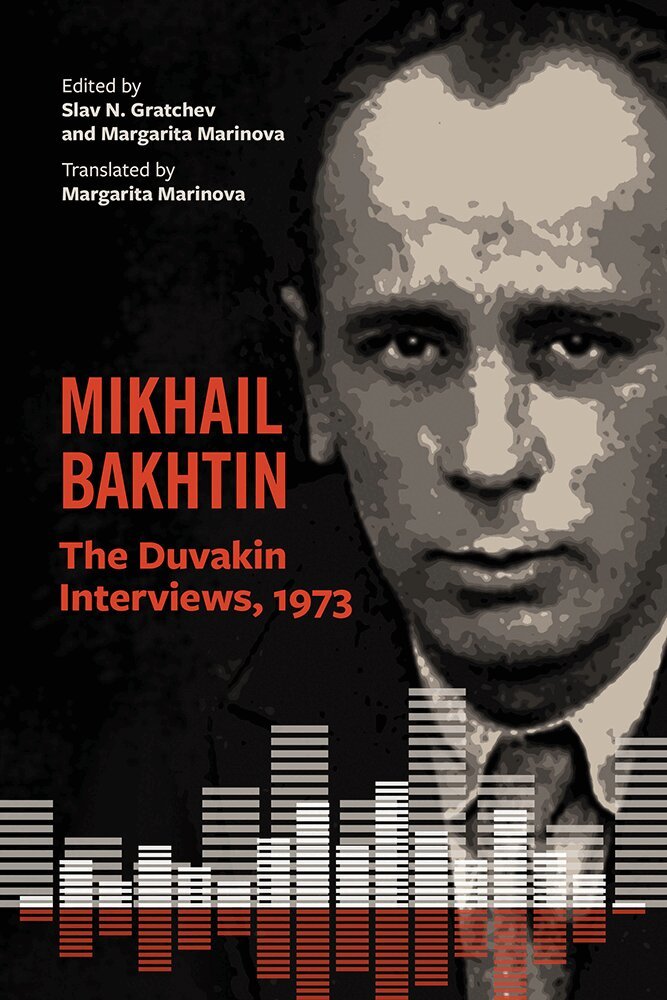
Mikhail Bakhtin
The Duvakin Interviews, 1973
Av Mikhail Bakhtin, Slav N Gratchev m. fl.
Häftad, 2019
297 kr
Lägg i varukorg
Whenever Bakhtin, in his final decade, was queried about writing his memoirs, he shrugged it off. Unlike many of his Symbolist generation, Bakhtin was not fascinated by his own self-image. This reticence to tell his own story was the point of access for Viktor Duvakin, Mayakovsky scholar, fellow …
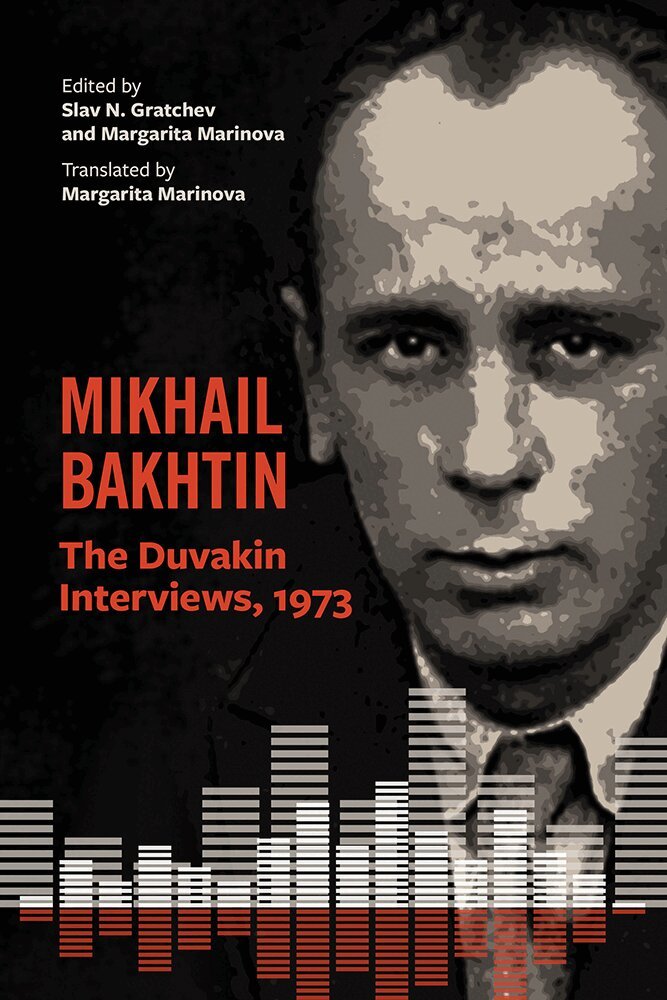
Mikhail Bakhtin
The Duvakin Interviews, 1973
Av Mikhail Bakhtin, Slav N Gratchev m. fl.
Inbunden, 2019
1388 kr
Lägg i varukorg
Whenever Bakhtin, in his final decade, was queried about writing his memoirs, he shrugged it off. Unlike many of his Symbolist generation, Bakhtin was not fascinated by his own self-image. This reticence to tell his own story was the point of access for Viktor Duvakin, Mayakovsky scholar, fellow …