Maria Nieves Zedeno – författare
Visar alla böcker från författaren Maria Nieves Zedeno. Handla med fri frakt och snabb leverans.
5 produkter
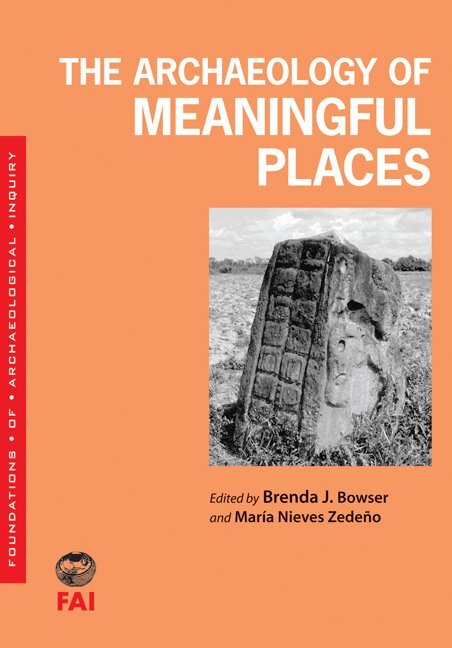
Archaeology of Meaningful Places
Av Maria Nieves Zedeno, Brenda J. Bowser
Häftad, 2009
395 kr
Lägg i varukorg
In the broadest sense this book is concerned with describing and explaining how particular places contain the key elements necessary for understanding the social worlds constructed, maintained, and modified by those who once inhabited them. This is achieved through the investigation of …
Cultural Affiliation Statement: Buffalo National River, Arkansas
Av Maria Nieves Zedeno, Nicolas Laluk
Häftad
308 kr
Lägg i varukorg
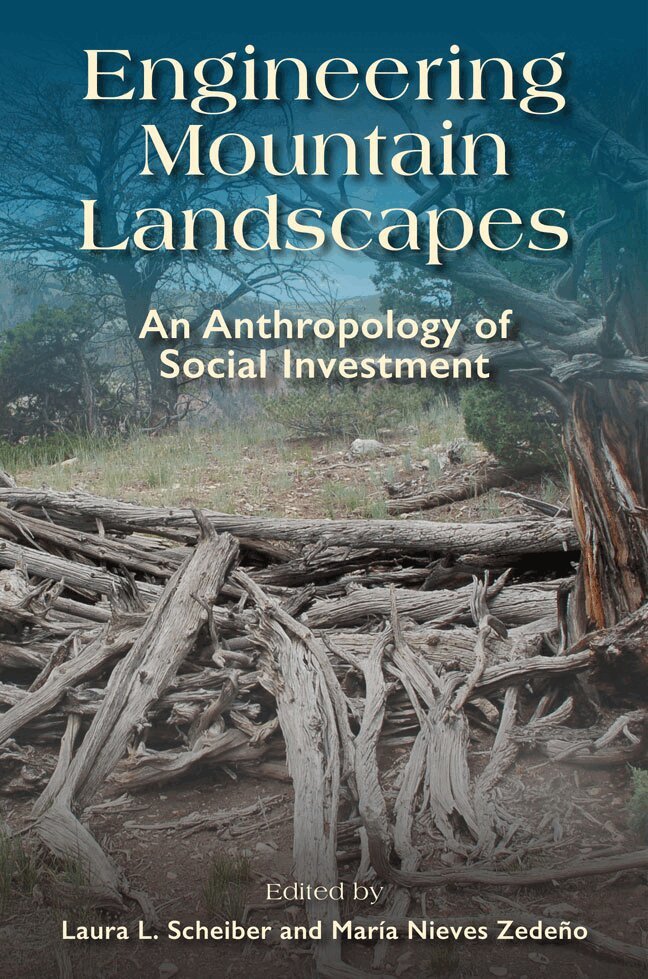
Engineering Mountain Landscapes
An Anthropology of Social Investment
Av Laura L. Scheiber, Maria Nieves Zedeño
Häftad, 2015
553 kr
Lägg i varukorg
Humans have occupied mountain environments and relied on mountain resources since the terminal Pleistocene. Their continuous interaction with the land from generation to generation has left material imprints ranging from anthropogenic fires to vision quest sites. The diverse case studies presented …
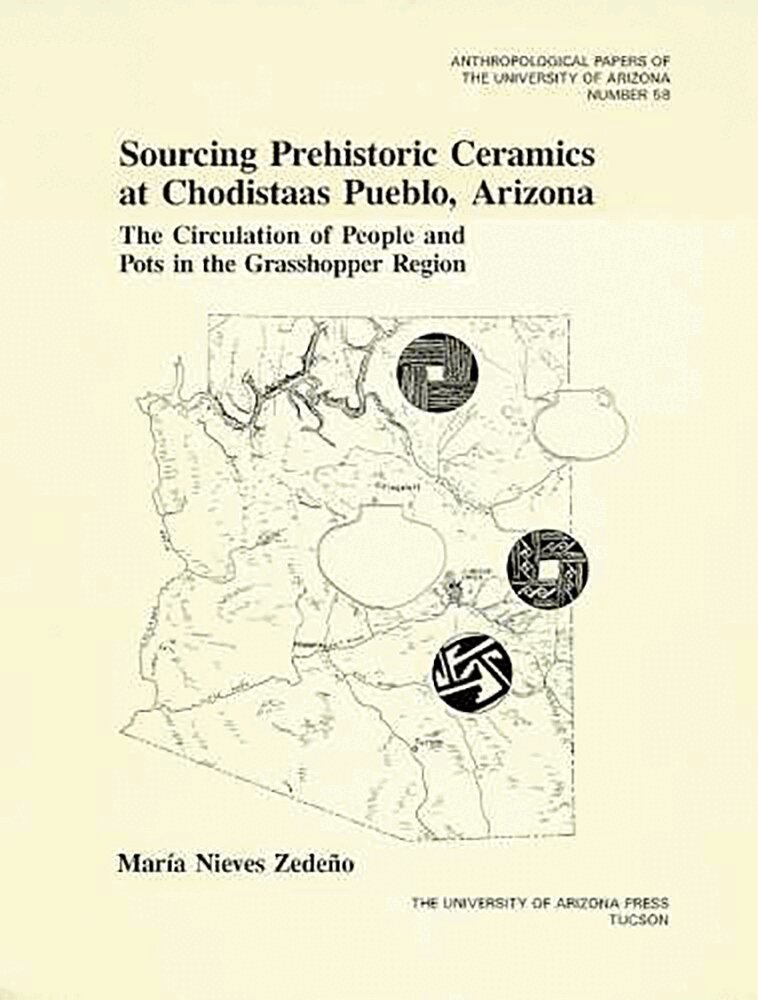
Sourcing Prehistoric Ceramics at Chodistaas Pueblo, Arizona
The Circulation of People and Pots in the Grasshopper Region
Häftad, 1994
309 kr
Tillfälligt slut
For decades archaeologists have used pottery to reconstruct the lifeways of ancient populations. It has become increasingly evident, however, that to make inferences about prehistoric economic, social, and political activities through the patterning of ceramic variation, it is necessary to …
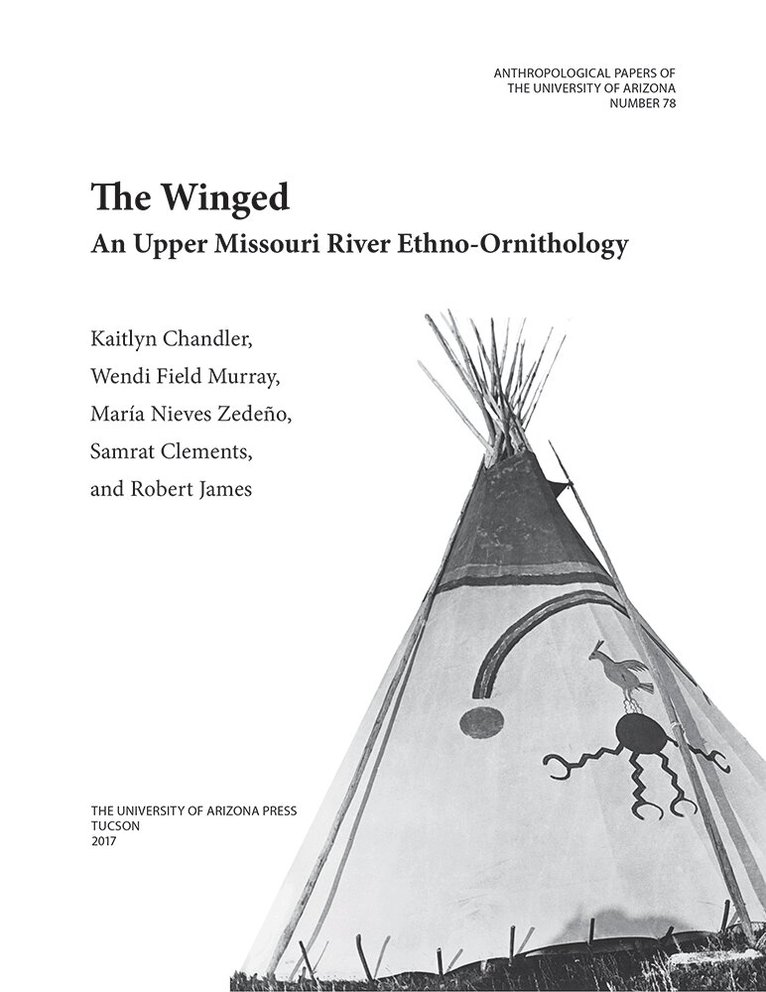
Winged
An Upper Missouri River Ethno-ornithology
Av Kaitlyn Moore Chandler, Wendi Field Murray m. fl.
Häftad, 2017
309 kr
Tillfälligt slut
The Missouri River Basin is home to thousands of bird species that migrate across the Great Plains of North America each year, marking the seasonal cycle and filling the air with their song. In time immemorial, Native inhabitants of this vast region established alliances with birds that helped them …