
Maria Ntinou – författare
Visar alla böcker från författaren . Handla med fri frakt och snabb leverans.
3 produkter
3 produkter
Häftad, Spanska, 2002
1 091 kr
Skickas inom 5-8 vardagar
Del 42 - Prehistory Monographs
Neolithic Settlement of Knossos in Crete
New Evidence for the Early Occupation of Crete and the Aegean Islands
Inbunden, Engelska, 2013
1 327 kr
Skickas inom 5-8 vardagar
The site of Knossos on the Kephala hill in central Crete is of great archaeological and historical importance for both Greece and Europe. Dating to 7000 B.C., it is the home of one of the earliest farming societies in southeastern Europe, and, in the later Bronze Age periods, it developed into a remarkable center of economic and social organization within the island, enjoying extensive relations with the Aegean, the Greek mainland, the Near East, and Egypt. After the systematic excavation of the deep Neolithic occupation levels by J.D. Evans in the late 1950s and later and more limited investigations of the Prepalatial deposits undertaken primarily during restoration work, no thorough exploration of the earliest occupation of the mound had been attempted. This monograph fills the gap, detailing the recent studies of the stratigraphy, architecture, ceramics, sedimentology, economy, and ecology that were a result of the opening of a new excavation trench in 1997. Together, these studies by 13 different contributors to the volume re-evaluate the importance of Neolithic Knossos and place it within the wider geographic context of the early island prehistory of the eastern Mediterranean.
Häftad, Engelska, 2022
1 096 kr
Skickas inom 3-6 vardagar
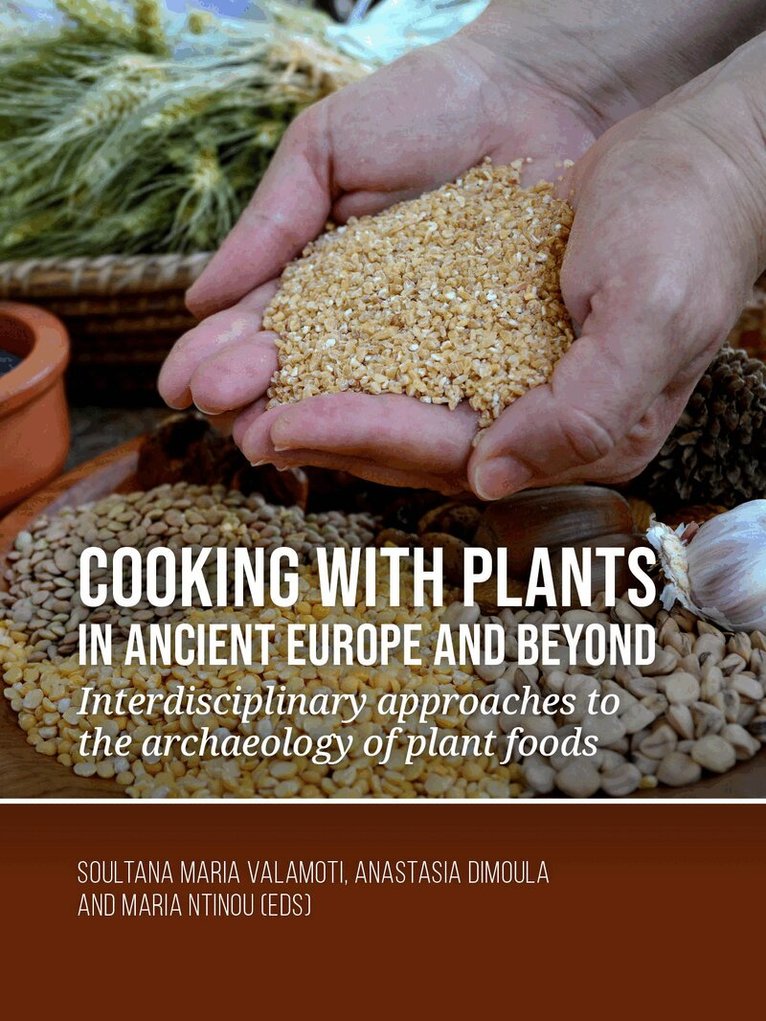
Plants have constituted the basis of human subsistence. This volume focuses on plant food ingredients that were consumed by the members of past societies and on the ways these ingredients were transformed into food. The thirty chapters of this book unfold the story of culinary transformation of cereals, pulses as well as of a wide range of wild and cultivated edible plants. Regional syntheses provide insights on plant species choices and changes over time and fragments of recipes locked inside amorphous charred masses. Grinding equipment, cooking installations and cooking pots are used to reveal the ancient cooking steps in order to pull together the pieces of a culinary puzzle of the past. From the big picture of spatiotemporal patterns and changes to the micro-imaging of usewear on grinding tool surfaces, the book attempts for the first time a comprehensive and systematic approach to ancient plant food culinary transformation. Focusing mainly on Europe and the Mediterranean world in prehistory, the book expands to other regions such as South Asia and Latin America and covers a time span from the Palaeolithic to the historic periods. Several of the contributions stem from original research conducted in the context of ERC project PlantCult: Investigating the Plant Food Cultures of Ancient Europe. The book’s exploration into ancient cuisines culminates with an investigation of the significance of ethnoarchaeology towards a better understanding of past foodways as well as of the impact of archaeology in shaping modern culinary and consumer trends. The book will be of interest to archaeologists, food historians, agronomists, botanists as well as the wider public with an interest in ancient cooking.