Maria Repnikova - Böcker
Visar alla böcker från författaren Maria Repnikova. Handla med fri frakt och snabb leverans.
5 produkter
5 produkter
370 kr
Kommande
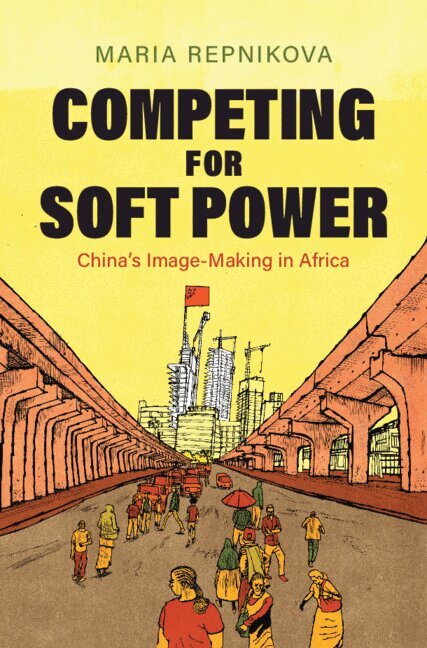
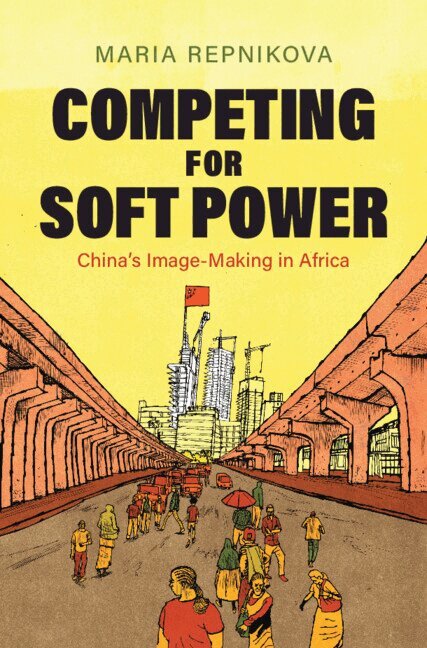
Through the critical case study of Ethiopia, Maria Repnikova examines the ambitious but disjointed display of Chinese diplomatic influence in Africa. In doing so, she develops a new theoretical approach to understanding China's practice of soft power, identifying the core mechanisms as tangible enticement with material and experiential offerings, ideational promotion of values, visions, and governance practices, and censorial power over the production and dissemination of China narratives. Through in-depth field work, including interviews and focus groups, Repnikova builds a clear picture of the uneven implementation and reception of this image-making, in which Chinese messengers can improvise official agendas, and Ethiopian recipients can strategically appropriate and negotiate Chinese power. Contrary to popular claims about China replacing the West in the Global South, this innovative research reveals the successes, but also the inconsistencies and limitations of Chinese influence, as well as the ever-present shadow of the West in mediating soft-power encounters.
1 264 kr
Kommande
Through the critical case study of Ethiopia, Maria Repnikova examines the ambitious but disjointed display of Chinese diplomatic influence in Africa. In doing so, she develops a new theoretical approach to understanding China's practice of soft power, identifying the core mechanisms as tangible enticement with material and experiential offerings, ideational promotion of values, visions, and governance practices, and censorial power over the production and dissemination of China narratives. Through in-depth field work, including interviews and focus groups, Repnikova builds a clear picture of the uneven implementation and reception of this image-making, in which Chinese messengers can improvise official agendas, and Ethiopian recipients can strategically appropriate and negotiate Chinese power. Contrary to popular claims about China replacing the West in the Global South, this innovative research reveals the successes, but also the inconsistencies and limitations of Chinese influence, as well as the ever-present shadow of the West in mediating soft-power encounters.
916 kr
Skickas inom 7-10 vardagar
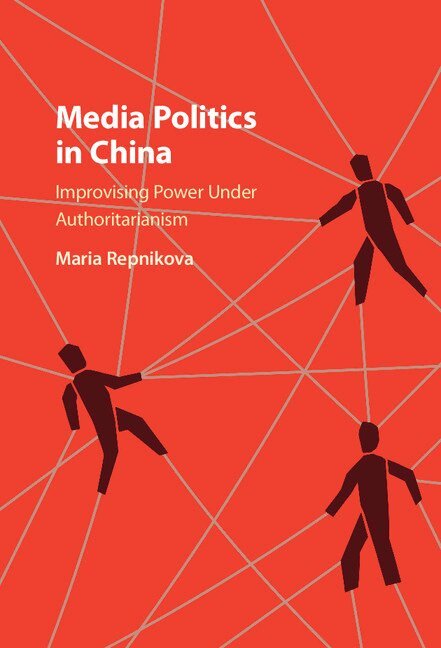
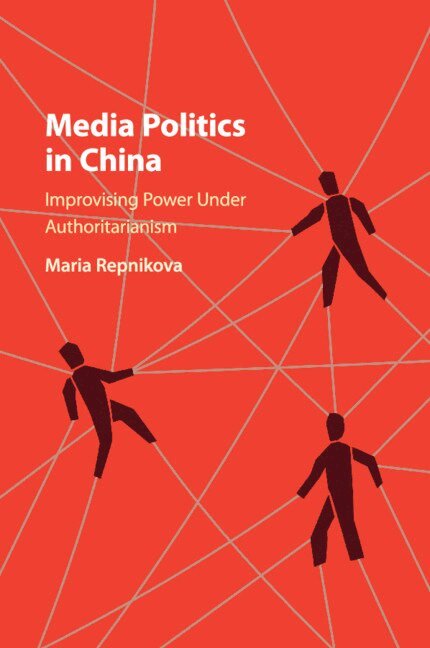
Who watches over the party-state? In this engaging analysis, Maria Repnikova reveals the webs of an uneasy partnership between critical journalists and the state in China. More than merely a passive mouthpiece or a dissident voice, the media in China also plays a critical oversight role, one more frequently associated with liberal democracies than with authoritarian systems. Chinese central officials cautiously endorse media supervision as a feedback mechanism, as journalists carve out space for critical reporting by positioning themselves as aiding the agenda of the central state. Drawing on rare access in the field, Media Politics in China examines the process of guarded improvisation that has defined this volatile partnership over the past decade on a routine basis and in the aftermath of major crisis events. Combined with a comparative analysis of media politics in the Soviet Union and contemporary Russia, the book highlights the distinctiveness of Chinese journalist-state relations, as well as the renewed pressures facing them in the Xi era.
234 kr
Skickas inom 7-10 vardagar
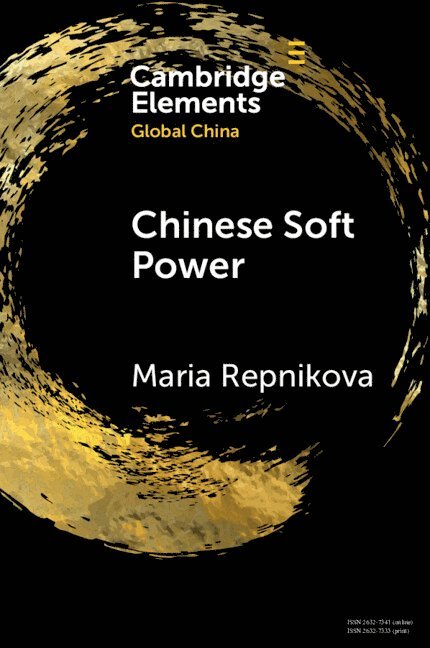
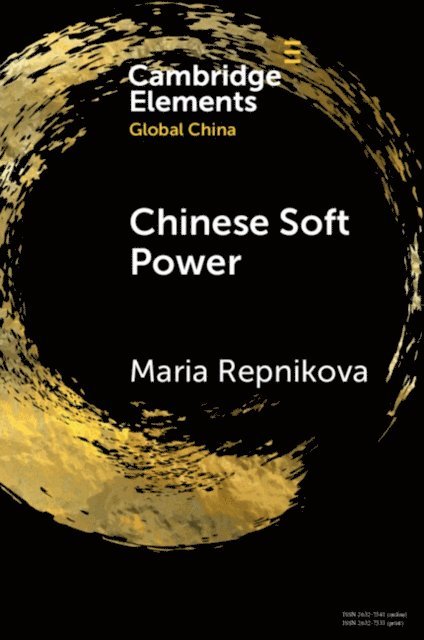
This Element presents an overarching analysis of Chinese visions and practices of soft power. Maria Repnikova's analysis introduces the Chinese theorization of the idea of soft power, as well as its practical implementation across global contexts. The key channels or mechanisms of China's soft power examined include Confucius Institutes, international communication, education and training exchanges, and public diplomacy spectacles. The discussion concludes with suggestions for new directions for the field, drawing on the author's research on Chinese soft power in Africa.
428 kr
Skickas inom 7-10 vardagar
Who watches over the party-state? In this engaging analysis, Maria Repnikova reveals the webs of an uneasy partnership between critical journalists and the state in China. More than merely a passive mouthpiece or a dissident voice, the media in China also plays a critical oversight role, one more frequently associated with liberal democracies than with authoritarian systems. Chinese central officials cautiously endorse media supervision as a feedback mechanism, as journalists carve out space for critical reporting by positioning themselves as aiding the agenda of the central state. Drawing on rare access in the field, Media Politics in China examines the process of guarded improvisation that has defined this volatile partnership over the past decade on a routine basis and in the aftermath of major crisis events. Combined with a comparative analysis of media politics in the Soviet Union and contemporary Russia, the book highlights the distinctiveness of Chinese journalist-state relations, as well as the renewed pressures facing them in the Xi era.