María Sierra - Böcker
Visar alla böcker från författaren María Sierra. Handla med fri frakt och snabb leverans.
4 produkter
4 produkter
313 kr
Skickas inom 3-6 vardagar
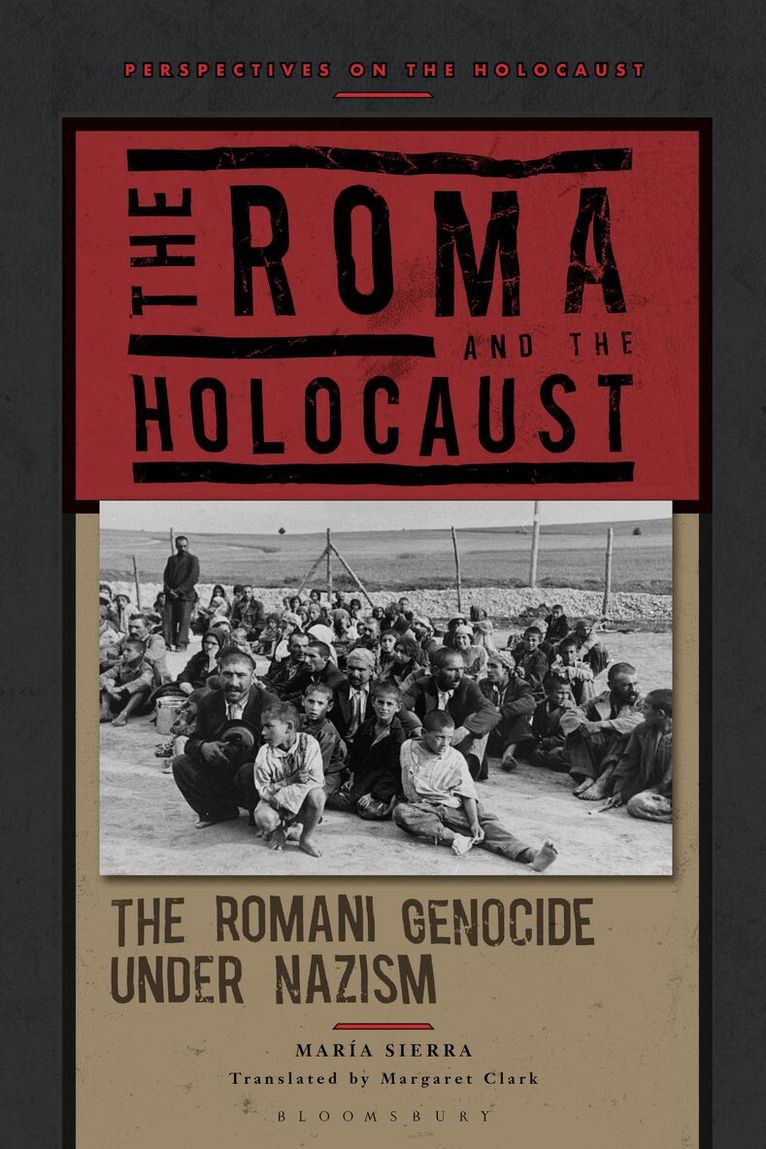
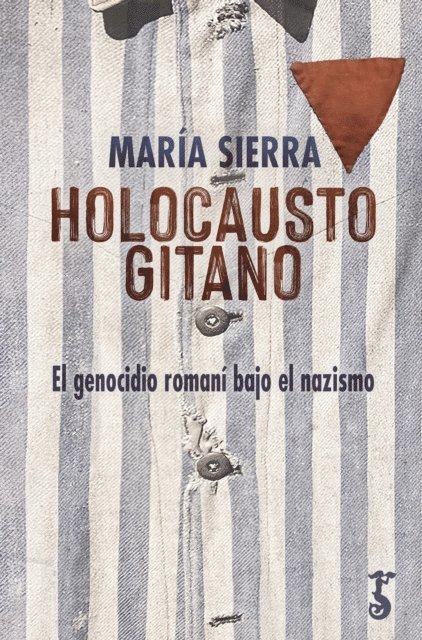
Half a million European Roma were exterminated by the Nazi regime; many more were subjected to a policy of racial discrimination similar to that suffered by the Jewish people. However, the persecution and torment of Roma in Hitler's Europe has little presence in the history books. The Roma and the Holocaust places the Roma genocide in the context of the widespread violence of the Second World War, while offering an explanation that places it within a broader trajectory of anti-Roma persecution in modern societies.The book explores the separation and destruction of families, the sterilisation of adults and children, the plunder of property and deprivation of livelihoods, slave labour, medical experiments, the horror of extermination camps and the mass murder that the Romani people were subjected to. María Sierra uses the first section of the book to provide a much-needed critical overview and synthesis of the fragmented research and scholarship in the area that has been conducted in various languages. In the second section, Sierra shines a light the autobiographical accounts of several Roma survivors of the Nazi genocide in order for the voices of the victims who have claimed recognition and rights for the Roma people to be heard. This journey through the memories of Philomena Franz, Ceija Stojka, Lily Van Angeren, Otto Rosenberg, Walter Winter and Ewald Hanstein, in addition to other testimonies, is contextualized within the framework of other Holocaust survivors’ memoirs and has been approached from a history of emotions perspective.With the Romani people having been denied recognition as victims of Nazism after the end of the war, this book crucially helps to bring about agency for the survivors, supporting their struggle for the right to memory in the process.
1 039 kr
Skickas inom 10-15 vardagar
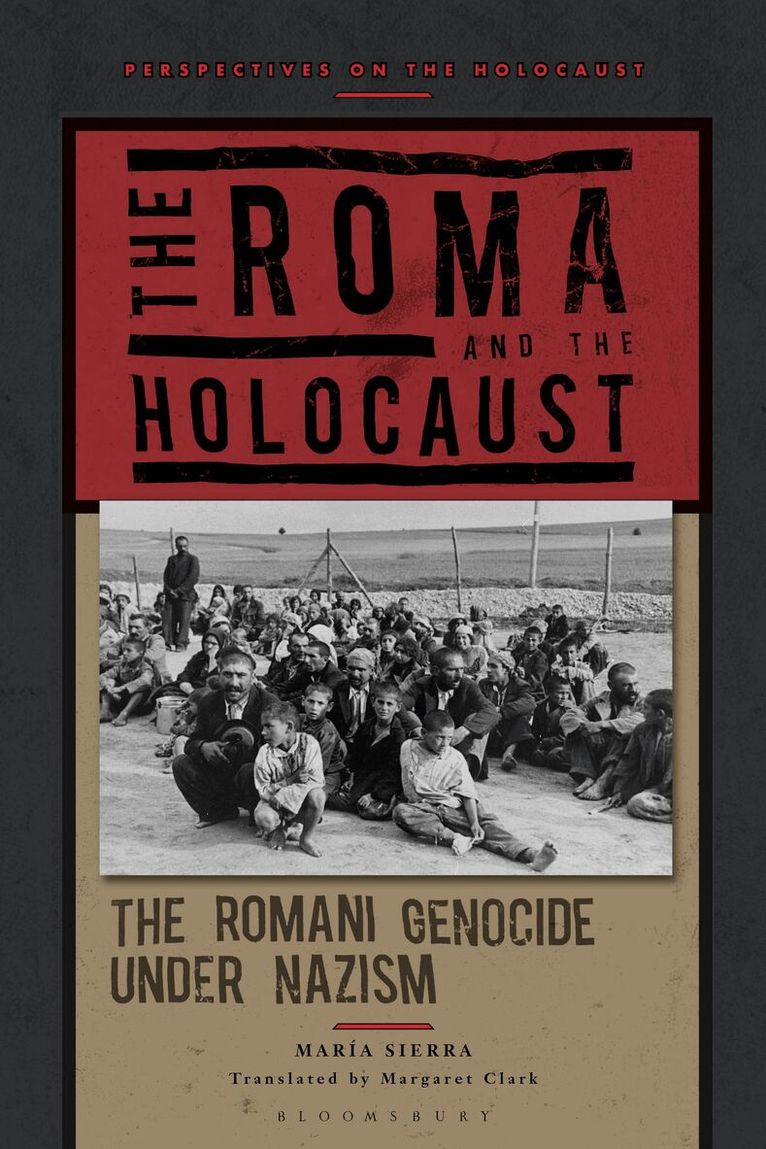
Half a million European Roma were exterminated by the Nazi regime; many more were subjected to a policy of racial discrimination similar to that suffered by the Jewish people. However, the persecution and torment of Roma in Hitler's Europe has little presence in the history books. The Roma and the Holocaust places the Roma genocide in the context of the widespread violence of the Second World War, while offering an explanation that places it within a broader trajectory of anti-Roma persecution in modern societies.The book explores the separation and destruction of families, the sterilisation of adults and children, the plunder of property and deprivation of livelihoods, slave labour, medical experiments, the horror of extermination camps and the mass murder that the Romani people were subjected to. María Sierra uses the first section of the book to provide a much-needed critical overview and synthesis of the fragmented research and scholarship in the area that has been conducted in various languages. In the second section, Sierra shines a light the autobiographical accounts of several Roma survivors of the Nazi genocide in order for the voices of the victims who have claimed recognition and rights for the Roma people to be heard. This journey through the memories of Philomena Franz, Ceija Stojka, Lily Van Angeren, Otto Rosenberg, Walter Winter and Ewald Hanstein, in addition to other testimonies, is contextualized within the framework of other Holocaust survivors’ memoirs and has been approached from a history of emotions perspective.With the Romani people having been denied recognition as victims of Nazism after the end of the war, this book crucially helps to bring about agency for the survivors, supporting their struggle for the right to memory in the process.
1 911 kr
Skickas inom 7-10 vardagar
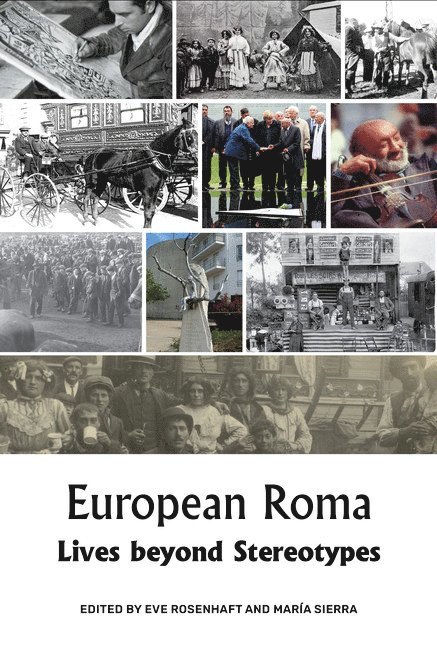
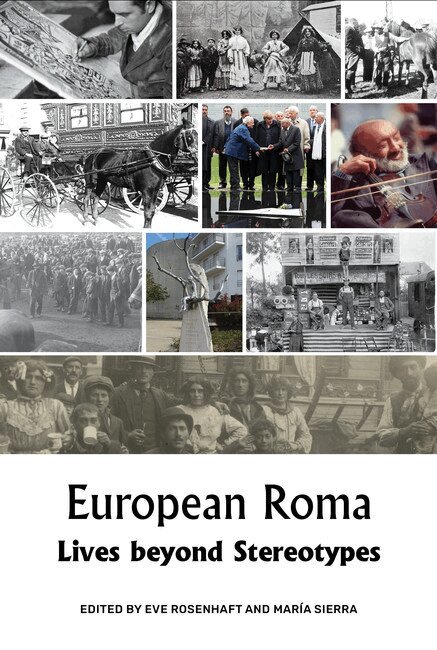
An Open Access edition of this book is available on the Liverpool University Press website and the OAPEN library.This book, designed as a resource for scholars, educators, activists and non-specialist readers, presents the results of new research on the role of Romani groups in European culture and society since the nineteenth century. Its specific focus is on the ways in which Romani actors, in their interactions with non-Romanies, have contributed to shaping Europe’s public spaces. Twelve chapters recount the experiences and accomplishments of individuals and families, from across Europe (England, France, Spain, Germany, Poland, Hungary, Romania and Finland) and Canada. All based on new research, and maintaining a focus on the real lives and activities of Romani people rather than on the perspective of the majority societies, these studies exemplify the creative presence of Romani people in the fields of politics, economics and culture. We see them as writers, artists and performers, political activists and resistance fighters, traders and entrepreneurs, circus and cinema managers and purveyors of popular science. Sensitive to the ambivalent position from which Roma act, the cases are linked and contextualized by a general introduction and by section introductions written by leading scholars of Romani studies with expertise in history, ethnography, musicology, literary and discourse studies and visual culture. The volume is richly illustrated, including many images that have never been published before, and includes an extensive bibliography / guide to further reading.Contributors to the volume: Begoña Barrera, Beatriz Carrillo de los Reyes, Malte Gasche, Paweł Lechowski, Anna G. Piotrowska, Laurence Prempain, Juan Pro, Eve Rosenhaft, Carolina García Sanz, María Sierra, and Tamara West.
533 kr
Skickas inom 7-10 vardagar
An Open Access edition of this book is available on the Liverpool University Press website and the OAPEN library.This book, designed as a resource for scholars, educators, activists and non-specialist readers, presents the results of new research on the role of Romani groups in European culture and society since the nineteenth century. Its specific focus is on the ways in which Romani actors, in their interactions with non-Romanies, have contributed to shaping Europe’s public spaces. Twelve chapters recount the experiences and accomplishments of individuals and families, from across Europe (England, France, Spain, Germany, Poland, Hungary, Romania and Finland) and Canada. All based on new research, and maintaining a focus on the real lives and activities of Romani people rather than on the perspective of the majority societies, these studies exemplify the creative presence of Romani people in the fields of politics, economics and culture. We see them as writers, artists and performers, political activists and resistance fighters, traders and entrepreneurs, circus and cinema managers and purveyors of popular science. Sensitive to the ambivalent position from which Roma act, the cases are linked and contextualized by a general introduction and by section introductions written by leading scholars of Romani studies with expertise in history, ethnography, musicology, literary and discourse studies and visual culture. The volume is richly illustrated, including many images that have never been published before, and includes an extensive bibliography / guide to further reading.Contributors to the volume: Begoña Barrera, Beatriz Carrillo de los Reyes, Malte Gasche, Paweł Lechowski, Anna G. Piotrowska, Laurence Prempain, Juan Pro, Eve Rosenhaft, Carolina García Sanz, María Sierra, and Tamara West.