Marie Juul Petersen – författare
Visar alla böcker från författaren Marie Juul Petersen. Handla med fri frakt och snabb leverans.
5 produkter
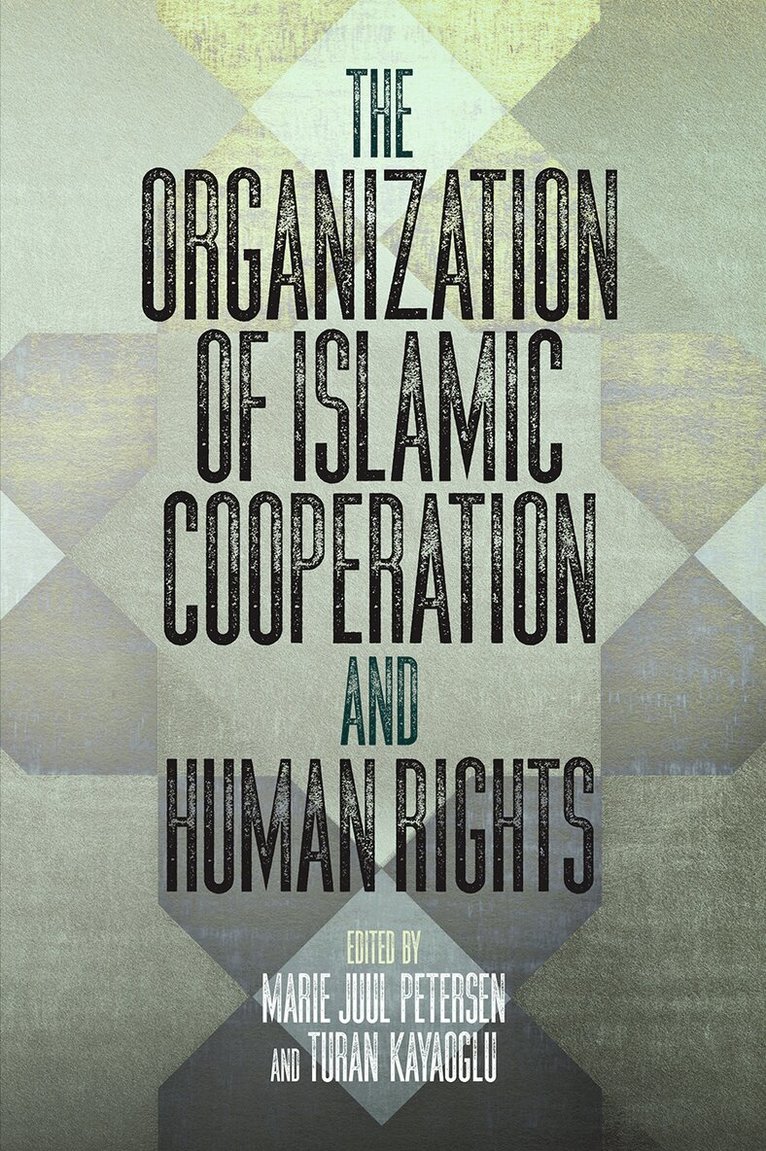
Organization of Islamic Cooperation and Human Rights
Av Marie Juul Petersen, Turan Kayaoglu
Inbunden, 2019
1084 kr
Lägg i varukorg
Established in 1969, the Organization of Islamic Cooperation (OIC) is an intergovernmental organization the purpose of which is the strengthening of solidarity among Muslims. Headquartered in Jeddah, the OIC today consists of fifty seven states from the Middle East, Asia, Africa, and Latin America. …
Organization of Islamic Cooperation and Human Rights
Av Marie Juul Petersen, Turan Kayaoglu
E-bok, 2019
1336 kr
Lägg i varukorg
Established in 1969, the Organization of Islamic Cooperation (OIC) is an intergovernmental organization the purpose of which is the strengthening of solidarity among Muslims. Headquartered in Jeddah, the OIC today consists of fifty seven states from the Middle East, Asia, Africa, and Latin America. …
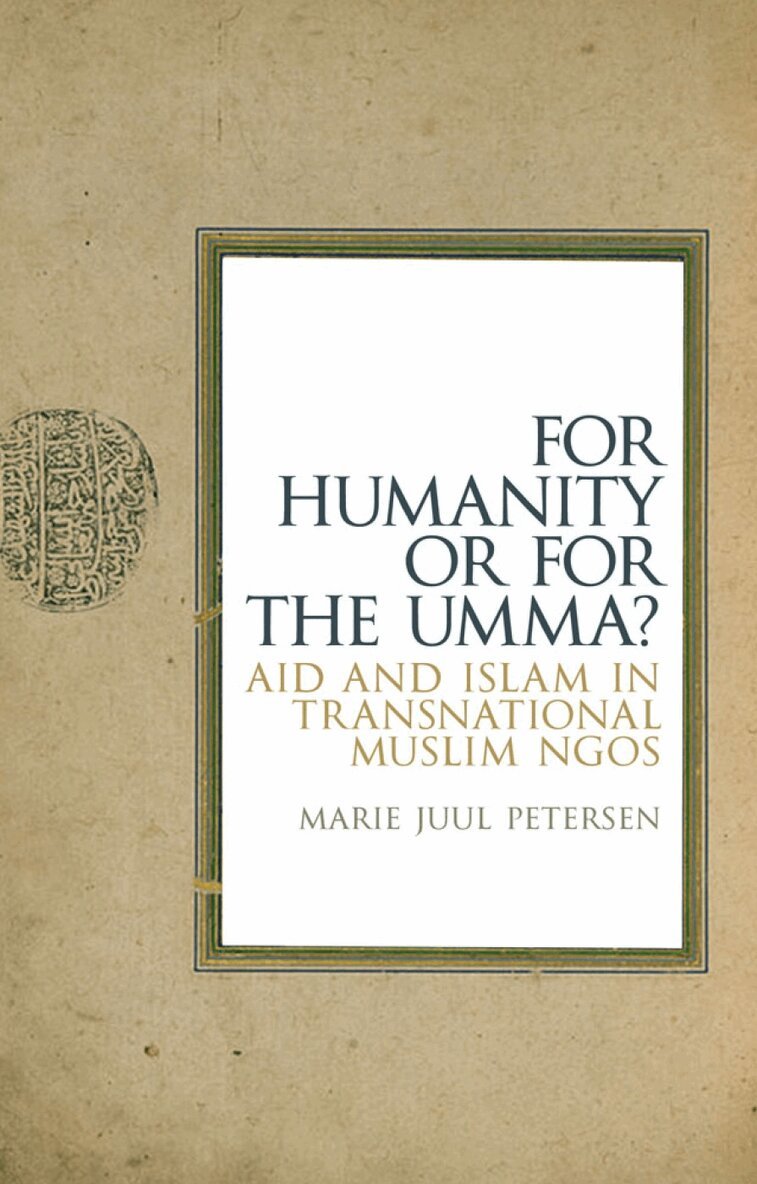
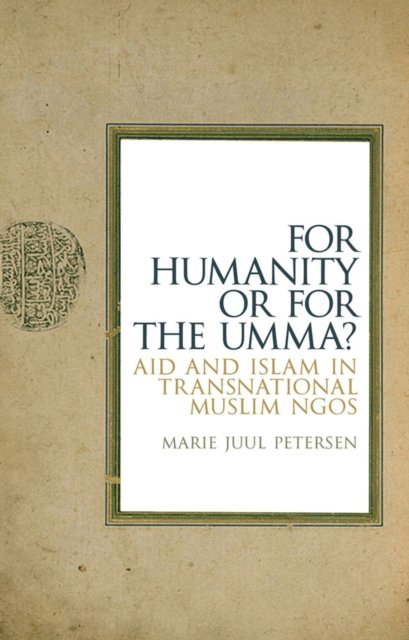
For Humanity or for the Umma?
Aid and Islam in Transnational Muslim NGOs
Inbunden, 2016
537 kr
Lägg i varukorg
In the wake of 9/11 and the 'War on Terror', transnational Muslim NGOs have too often been perceived as illegitimate fronts for global militant networks such as al-Qaeda or as backers of national political parties and resistance groups in Palestine, Afghanistan and elsewhere. Yet clearly there is …
For Humanity Or For The Umma?
Aid and Islam in Transnational Muslim NGOs
E-bok, 2016
444 kr
Lägg i varukorg
In the wake of 9/11 and the ‘War on Terror’, transnational Muslim NGOs have too often been perceived as illegitimate fronts for global militant networks such as al-Qaeda or as backers of national political parties and resistance groups in Palestine, Afghanistan and elsewhere. Yet clearly there …
For Humanity Or For The Umma?
Aid and Islam in Transnational Muslim NGOs
E-bok, 2016
444 kr
Lägg i varukorg
In the wake of 9/11 and the ‘War on Terror’, transnational Muslim NGOs have too often been perceived as illegitimate fronts for global militant networks such as al-Qaeda or as backers of national political parties and resistance groups in Palestine, Afghanistan and elsewhere. Yet clearly there …