Turan Kayaoglu – författare
Visar alla böcker från författaren Turan Kayaoglu. Handla med fri frakt och snabb leverans.
10 produkter
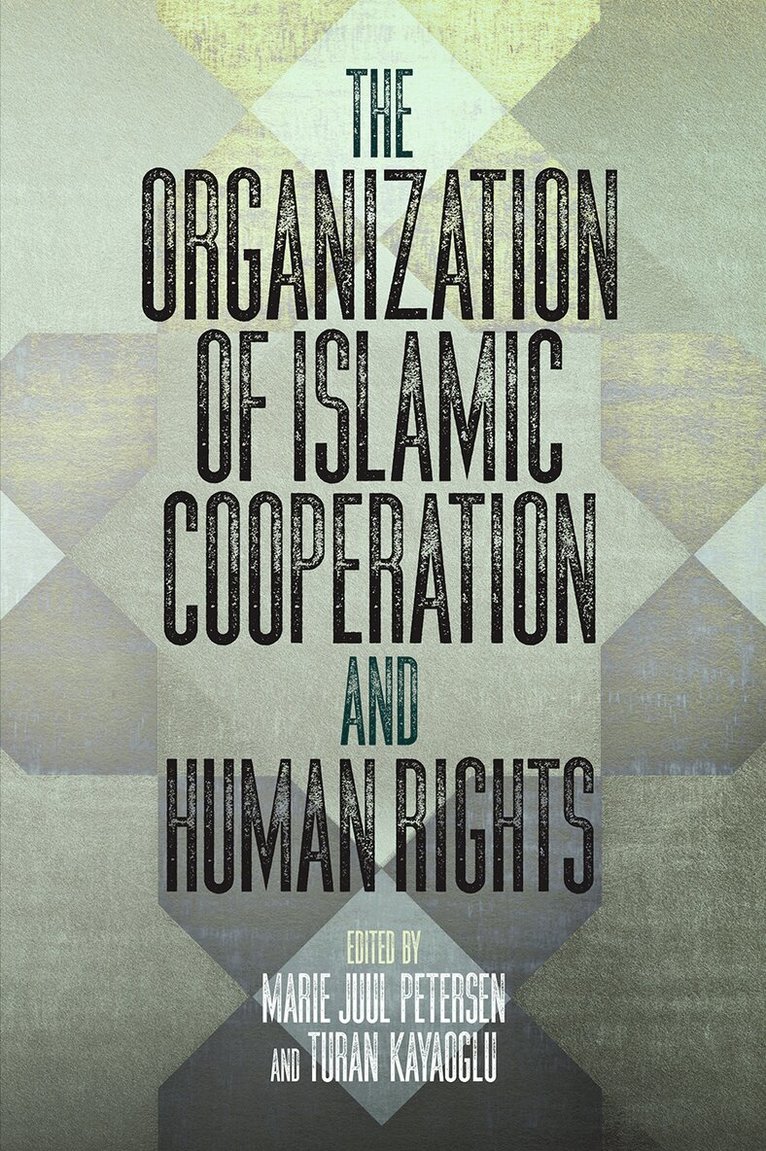
Organization of Islamic Cooperation and Human Rights
Av Marie Juul Petersen, Turan Kayaoglu
Inbunden, 2019
1084 kr
Lägg i varukorg
Established in 1969, the Organization of Islamic Cooperation (OIC) is an intergovernmental organization the purpose of which is the strengthening of solidarity among Muslims. Headquartered in Jeddah, the OIC today consists of fifty seven states from the Middle East, Asia, Africa, and Latin America. …
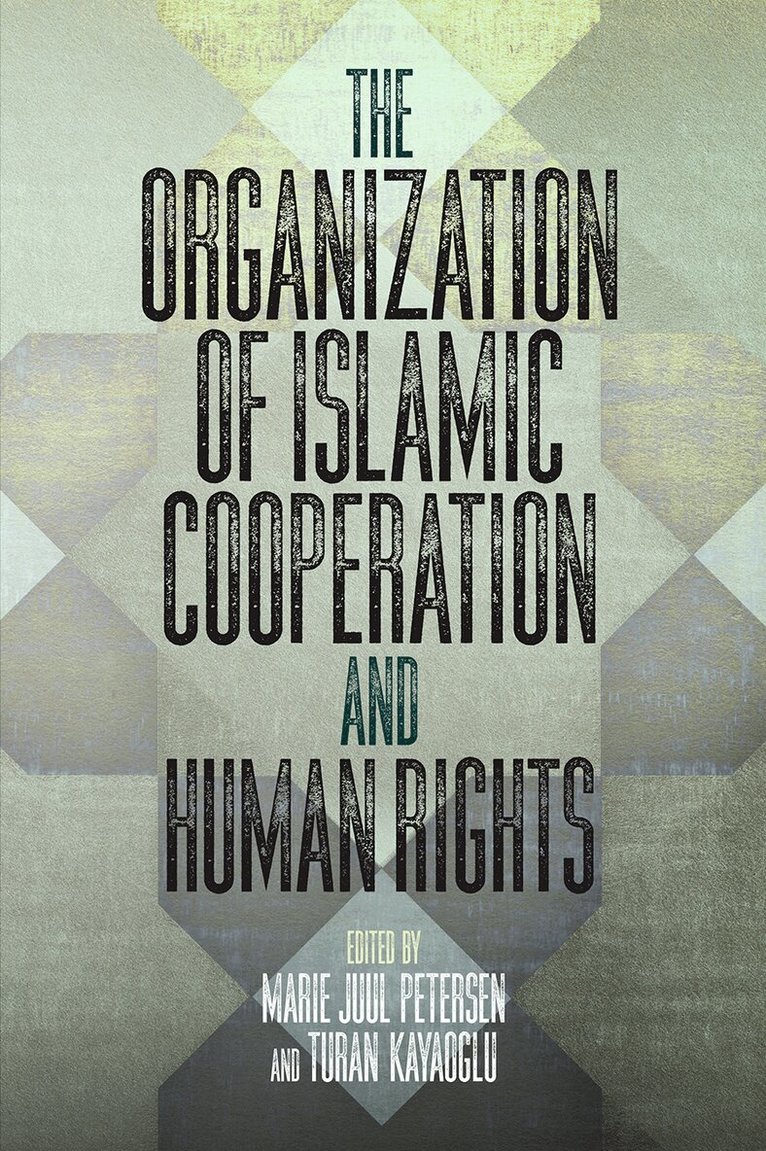
Organization of Islamic Cooperation and Human Rights
Av Marie Juul Petersen, Turan Kayaoglu
E-bok, 2019
1336 kr
Lägg i varukorg
Established in 1969, the Organization of Islamic Cooperation (OIC) is an intergovernmental organization the purpose of which is the strengthening of solidarity among Muslims. Headquartered in Jeddah, the OIC today consists of fifty seven states from the Middle East, Asia, Africa, and Latin America. …
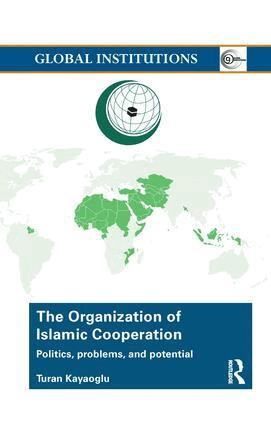
Organization of Islamic Cooperation
Politics, Problems, and Potential
Häftad, 2017
794 kr
Lägg i varukorg
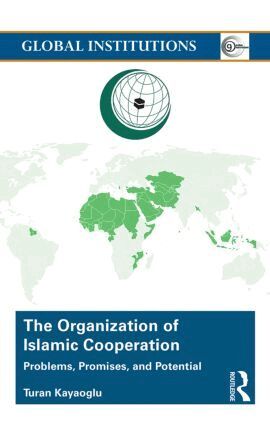
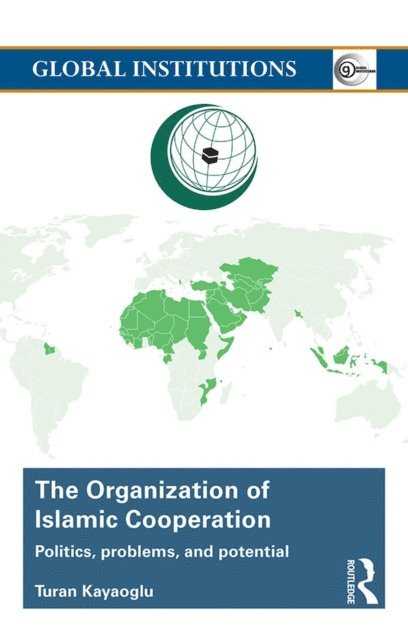
The Organization of Islamic Cooperation (OIC) is the world’s leading international Islamic organization. Turan Kayaoglu provides the first accessible and concise introduction and overview of this important organization. This book details the OIC’s struggle to address popular Muslim demands balanced …
Muslim World in International Relations
Discourse, Power, and Pluralism in Global Politics
E-bok, 2026
294 kr
Lägg i varukorg
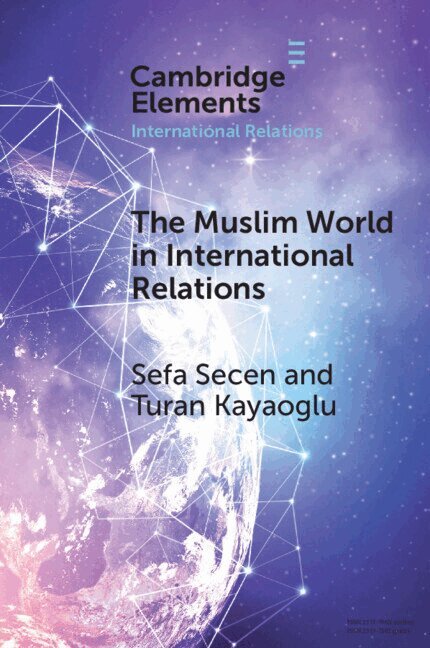
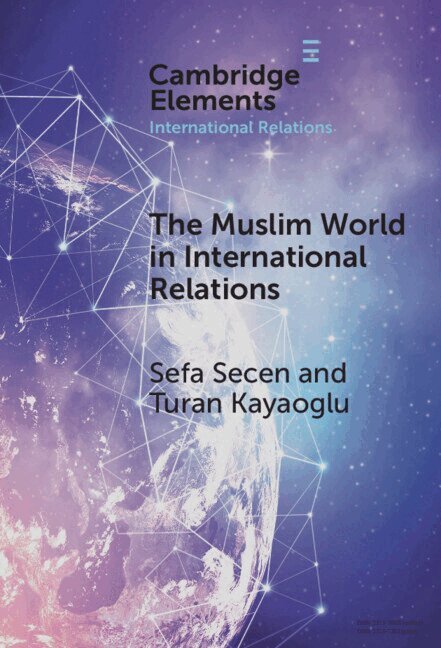
The Muslim World in International Relations
Discourse, Power, and Pluralism in Global Politics
Häftad, 2026
282 kr
Lägg i varukorg
Does the 'Muslim World' signify a geopolitical bloc, a civilizational unit, or a theological ideal? This Element interrogates the concept of the Muslim World as a persistent yet under-theorized category in International Relations (IR). Although widely invoked in policy discourse, academic …
The Muslim World in International Relations
Discourse, Power, and Pluralism in Global Politics
Inbunden, 2026
911 kr
Lägg i varukorg
Does the 'Muslim World' signify a geopolitical bloc, a civilizational unit, or a theological ideal? This Element interrogates the concept of the Muslim World as a persistent yet under-theorized category in International Relations (IR). Although widely invoked in policy discourse, academic …
Muslim World in International Relations
Discourse, Power, and Pluralism in Global Politics
E-bok, 2026
287 kr
Lägg i varukorg
Organization of Islamic Cooperation
Politics, Problems, and Potential
Inbunden, 2015
2746 kr
Lägg i varukorg
The Organization of Islamic Cooperation (OIC) is the world’s leading international Islamic organization. Turan Kayaoglu provides the first accessible and concise introduction and overview of this important organization. This book details the OIC’s struggle to address popular Muslim demands balanced …
Organization of Islamic Cooperation
Politics, Problems, and Potential
E-bok, 2015
935 kr
Lägg i varukorg
The Organization of Islamic Cooperation (OIC) is the world’s leading international Islamic organization. Turan Kayaoglu provides the first accessible and concise introduction and overview of this important organization. This book details the OIC’s struggle to address popular Muslim demands balanced …
Organization of Islamic Cooperation
Politics, Problems, and Potential
E-bok, 2015
935 kr
Lägg i varukorg
The Organization of Islamic Cooperation (OIC) is the world’s leading international Islamic organization. Turan Kayaoglu provides the first accessible and concise introduction and overview of this important organization. This book details the OIC’s struggle to address popular Muslim demands balanced …