Marie-Laure Buku Pongo - Böcker
Visar alla böcker från författaren Marie-Laure Buku Pongo. Handla med fri frakt och snabb leverans.
4 produkter
4 produkter
260 kr
Skickas inom 7-10 vardagar
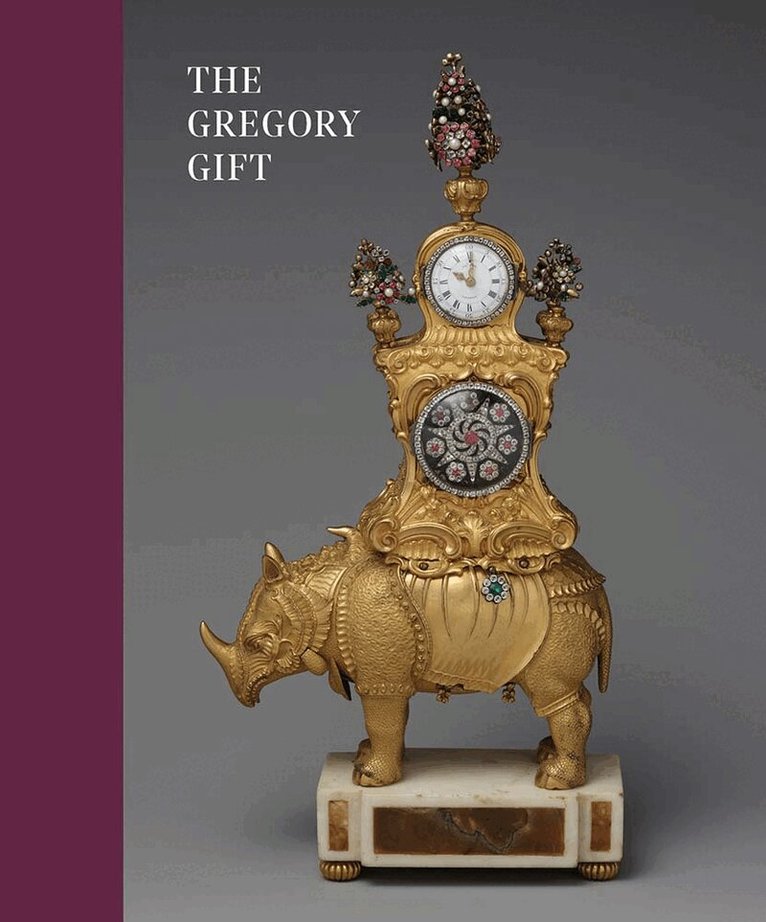
Presenting for the first time the Alexis Gregory Gift to The Frick Collection, this exquisite publication provides illuminating insights into Gregory’s magnificently eclectic collection, cataloging his fine and decorative works of art in detail. Twenty-eight works of art bequeathed to the Frick by Alexis Gregory range from Limoges enamels to Saint-Porchaire ware to pastels by the Venetian painter Rosalba Carriera. This remarkable gift has introduced new types of objects to the Frick: works in ivory and rhinoceros horn are the first of their kind to be held in the collection. Gregory’s gift includes fifteen Limoges enamels, one of them produced in the workshop of Suzanne de Court, the only woman known to have led an enamel workshop in Limoges. Also part of the gift are a gilt-bronze sculpture, an ivory hilt, a pomander, ewers, saltcellars, and two clocks. Many of Gregory’s objects came from such prestigious owners as the French royal collections and the Rothschilds. Included in the publication are commentaries on each gift. This lavishly illustrated publication accompanies an exhibition that will be on view at The Frick Collection February 16 through May 14, 2023.
228 kr
Skickas inom 7-10 vardagar
An informative guide to the most iconic works in The Frick Collection honoring the museum's reopening post-renovation. From paintings and sculpture to decorative arts, this publication encapsulates the range and depth of Henry Clay Frick's collection. Organized chronologically and by geographic school, The Frick Collection is designed to offer a sense of the connections between, and diversity among, contemporaneous artistic production across different fields, genres, and media in early modern Europe. When American industrialist Henry Clay Frick (1849–1919) built his New York home on the Upper East Side of Manhattan, he intended for it to one day become a public art museum for the "use and benefit of all persons whomsoever." After his death and that of his wife, Adelaide, in 1931, the house was transformed into a museum and was opened to the public in December 1935. The Frick's daughter Helen Clay Frick (1888–1984), along with a board of trustees, was instrumental in the continuance of her father's legacy and the care of his bequest. Over the years, the collection grew and the number of visitors increased, requiring renovation campaigns in the 1970s and 2020s to accommodate these changes, the latest giving access to the public for the first time to a suite of rooms on the second floor. Originally the Frick family's private quarters, these rooms are now galleries for works of art, providing space for more objects to be on view. The scope of the collection, which spans from about 1300 to 1900, was never intended to be encyclopedic and reflects the taste of the founder, who chose to acquire works for his home that were "pleasing to live with."
306 kr
Skickas inom 7-10 vardagar
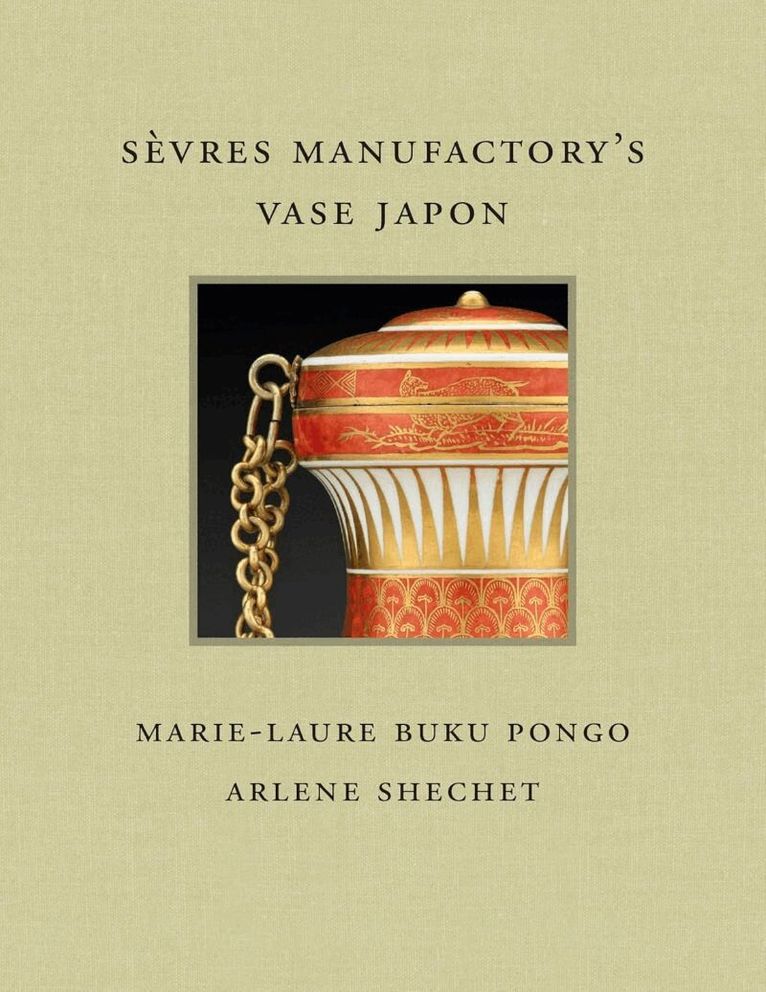
Despite its name suggesting otherwise, the Vase Japon is an interpretation of a Chinese bronze. Its design and decoration derive from a woodblock print of a Yu (or Hu) vase from the Han Dynasty (206 BCE–220 CE). The print was published in a 40-volume catalogue of the vast Chinese imperial collections compiled between 1749 and 1751 at the behest of the Qianlong emperor. Around 1767, a copy of this catalogue was sent to Henri Bertin, France’s secretary of state and commissaire du roi at the Sèvres factory. The Vase Japon was made in 1774 along with two other vases of the same size, shape, and decoration. Each bears the mark of the gilder-painter Jean-Armand Fallot (act. 1764−90). Of the three only this example is adorned with a silver-gilt handle and chain, which, like its shape and surface pattern, are directly inspired by the Chinese model. The mounts bear the mark of Charles Ouizille, who, in 1784, became the official jeweller of Louis XVI.
306 kr
Skickas inom 7-10 vardagar
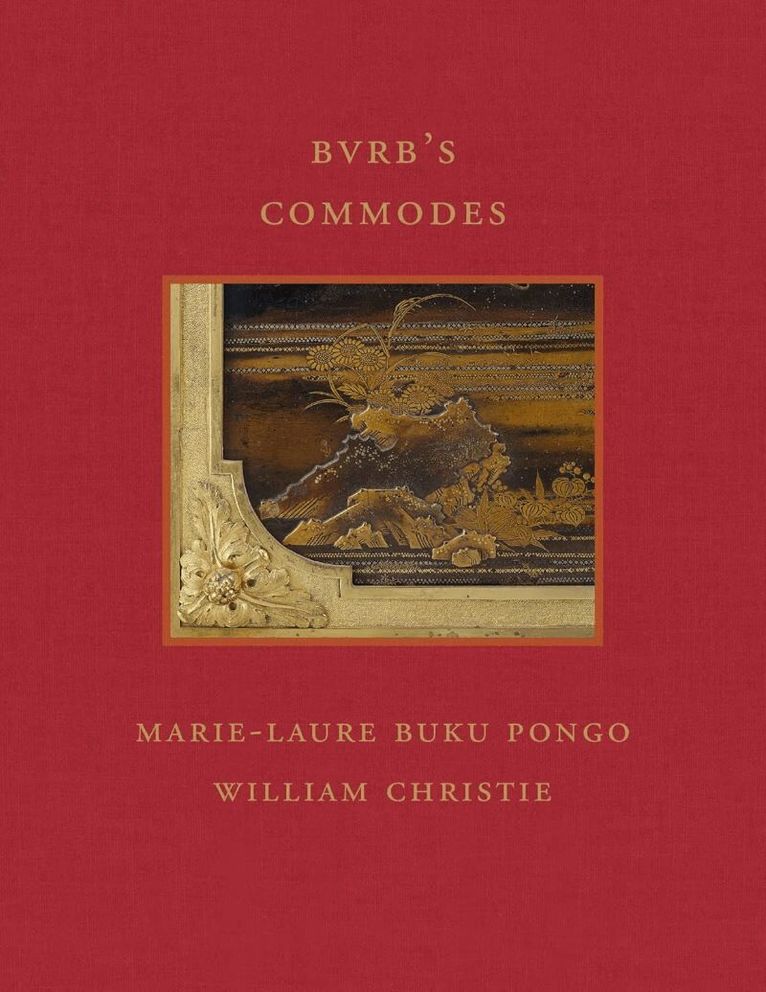
These two cabinets, stamped BVRB, may well be the last pieces of furniture made by the celebrated Parisian cabinetmaker Bernard van Risenburgh II just before he retired in 1764 and sold his workshop to his son, Bernard van Risenburgh III, who finished them. The cabinets feature panels of black-and-gold Japanese lacquer of exceptionally high quality taken from a seventeenth-century Japanese cabinet, chest, or screen. Beginning in the 1730s, the older van Risenburgh worked almost exclusively with the influential marchands-merciers or merchants of luxury goods, who provided the cabinetmaker with the rare and costly Oriental lacquers and sometimes with the design for the furniture on which to mount them.