Giulio Dalvit - Böcker
Visar alla böcker från författaren Giulio Dalvit. Handla med fri frakt och snabb leverans.
6 produkter
6 produkter
387 kr
Skickas inom 7-10 vardagar
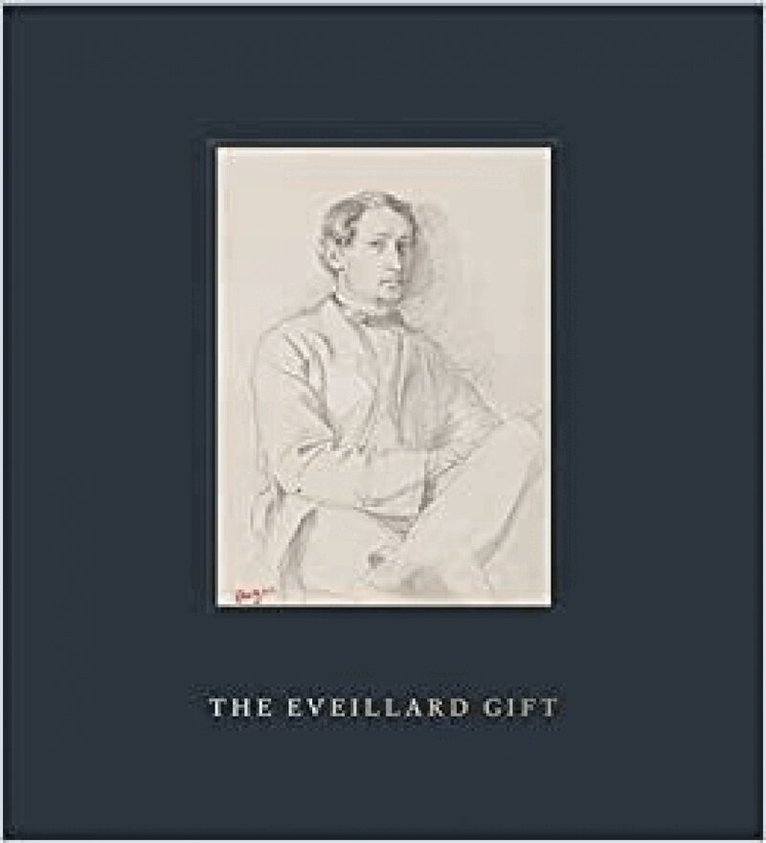
This beautiful publication presents for the first time the Eveillard Gift of drawings to The Frick Collection, the most important gift of drawings and pastels in its history. It accompanies an exhibition at the Frick and includes a catalogue of the works and commentaries by noted scholars. Twenty-six works of art promised to The Frick Collection by Elizabeth and Jean-Marie Eveillard dramatically advance the museum’s commitment to the research and display of European drawings. Included in this transformative gift from two longtime supporters of the Frick are exquisite drawings, pastels, prints, and one oil sketch by François Boucher, Gustave Caillebotte, Edgar Degas, Eugène Delacroix, Jean-Honoré Fragonard, Thomas Lawrence, Francisco de Goya y Lucientes, John Singer Sargent, Elisabeth Vigée Le Brun, and Jean-Antoine Watteau, among others. The works include figurative sketches, independent studies, portraits, and landscape scenes, each either deepening the museum’s celebrated holdings or bringing the work of an artist who is not – but should be – represented in the collection. This lavishly illustrated publication, which accompanies an exhibition at the Frick, includes a catalogue of the works, as well as comprehensive commentaries on each of promised gifts written by noted scholars in their field.
228 kr
Skickas inom 7-10 vardagar
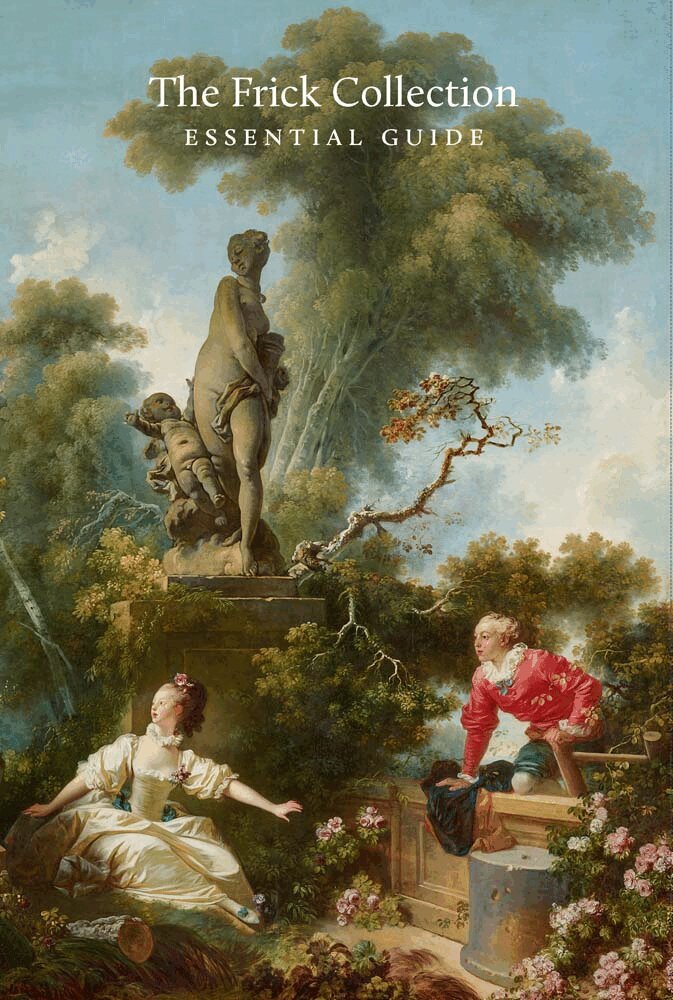
An informative guide to the most iconic works in The Frick Collection honoring the museum's reopening post-renovation. From paintings and sculpture to decorative arts, this publication encapsulates the range and depth of Henry Clay Frick's collection. Organized chronologically and by geographic school, The Frick Collection is designed to offer a sense of the connections between, and diversity among, contemporaneous artistic production across different fields, genres, and media in early modern Europe. When American industrialist Henry Clay Frick (1849–1919) built his New York home on the Upper East Side of Manhattan, he intended for it to one day become a public art museum for the "use and benefit of all persons whomsoever." After his death and that of his wife, Adelaide, in 1931, the house was transformed into a museum and was opened to the public in December 1935. The Frick's daughter Helen Clay Frick (1888–1984), along with a board of trustees, was instrumental in the continuance of her father's legacy and the care of his bequest. Over the years, the collection grew and the number of visitors increased, requiring renovation campaigns in the 1970s and 2020s to accommodate these changes, the latest giving access to the public for the first time to a suite of rooms on the second floor. Originally the Frick family's private quarters, these rooms are now galleries for works of art, providing space for more objects to be on view. The scope of the collection, which spans from about 1300 to 1900, was never intended to be encyclopedic and reflects the taste of the founder, who chose to acquire works for his home that were "pleasing to live with."
640 kr
Skickas inom 7-10 vardagar
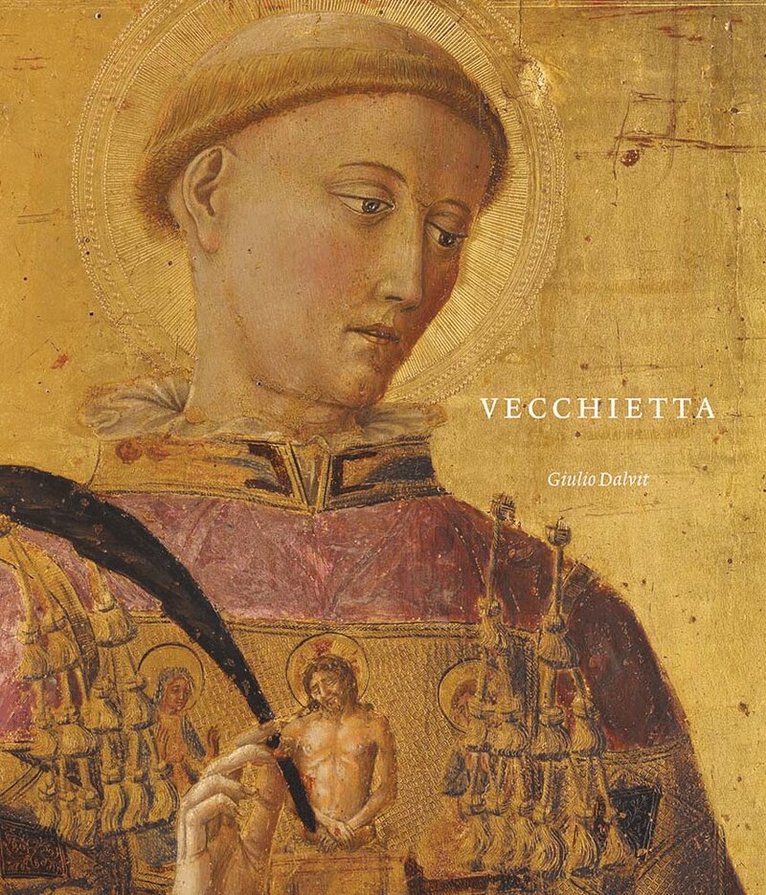
This monumental book is the first monograph devoted to the Sienese artist Lorenzo di Pietro, known as Vecchietta (1410–1480).A painter, sculptor, architect and goldsmith, Vecchietta is a towering figure in the history of Sienese art and, as this book demonstrates, a central protagonist of the Early Renaissance in Italy. His diverse oeuvre across multiple media provides a prism through which to re-evaluate the art of Quattrocento Siena, traditionally misinterpreted as ancillary to Florence. Vecchietta was one of the few Italian artists of the period to paint an independent self-portrait and the first to design a funerary chapel for himself. He signed and dated most of his work, presenting himself as a sculptor on his paintings and a painter on his sculptures. He is credited with innovations in style and technique that paved the way for the next generation of Sienese artists, most of whom trained in his workshop. The first monograph on the artist since a 1937 booklet by Giorgio Vigni, the volume subverts traditional expectations about the monograph itself to show how a different art history, capable of capturing the complexity of polymaths like Vecchietta, is not only possible, but necessary.Published by Paul Holberton Publishing Exhibition Schedule: Santa Maria della Scala, Siena(25 October 2025–29 March 2026)
186 kr
Skickas inom 7-10 vardagar
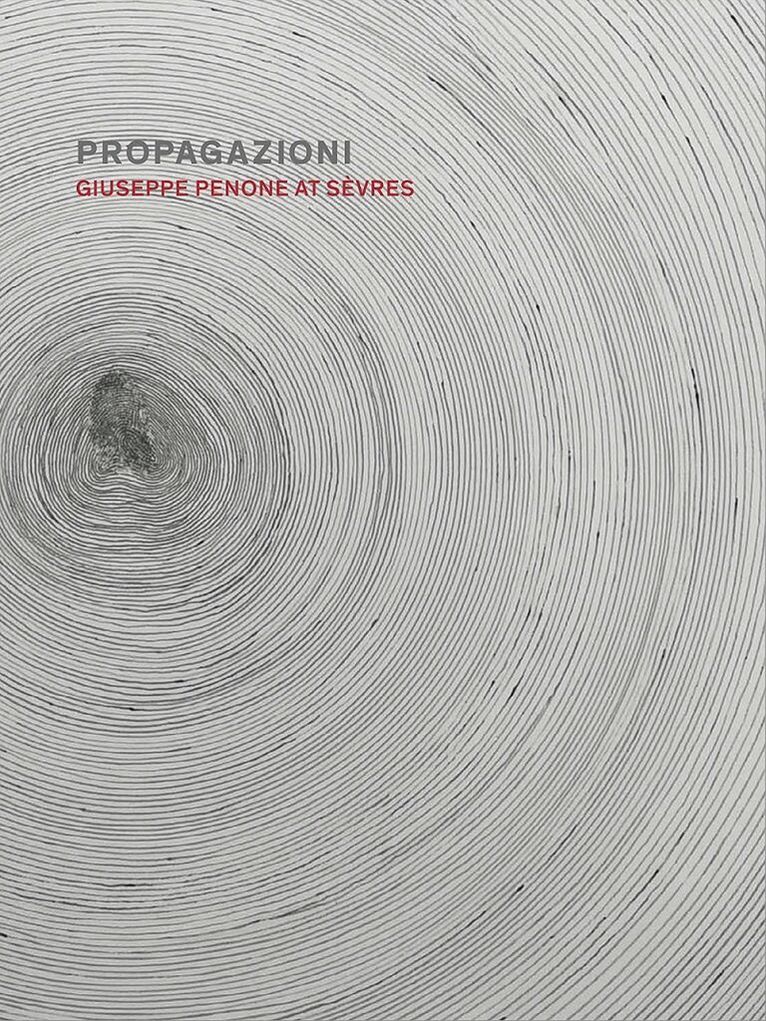
A major figure in the Arte Povera movement of the late 1960s, the renowned Italian artist Giuseppe Penone is known for his exploration of the relationship between art and the natural world in a body of work that includes sculpture, performance, works on paper, and even garden design. His first works in porcelain, the exquisite disks presented here draw attention to the moment of touch—the convergence of surface and skin—that underpins so much of his work.Published to accompany The Frick Collection, New York’s temporary installation of works by Penone, this new volume comprises eleven porcelain disks that the artist made during his 2013 residency at the Manufacture Nationale de Sèvres, the influential porcelain factory founded in the 18th century. A continuation of his Propagazioni (Propagations) series, begun in 1995, which includes various media, each disk bears the imprint of one of the artist’s fingertips. One of them is in gold, its imprint a variation on the artist’s index finger. Never before presented to the public, the installation of the disks in a gallery adjacent to the Frick’s early Italian paintings on gold grounds and the porcelain room kindles a rich artistic dialogue with both porcelain and gold.
306 kr
Skickas inom 7-10 vardagar
Various identities for the richly dressed, contemplative young man in this portrait have been proposed but none with any certainty. The mood of the subject and the diffused, gentle play of light over the broadly painted surfaces are strongly reminiscent of Titian’s Venetian contemporary Giorgione. In many ways, the Frick portrait epitomizes a new tendency in Italian Renaissance portraiture in which the depiction is intended less as a description of the sitter than as an encounter with them. A rich contribution by artist Elizabeth Peyton accompanies an illuminating essay by Giulio Dalvit which addresses the many questions of provenance, chronology, attribution and of who this mysterious young man might be.
580 kr
Kommande
A celebration of Sienese bronzes in Renaissance artThis book celebrates Siena’s brilliant tradition in bronze, a field in which the city reached extraordinary heights, especially in the years marked by two landmark events: Donatello’s stay in the Tuscan town in 1457–61 and the decision of the Sienese ruler Pandolfo Petrucci in 1506 to move Vecchietta’s immense bronze tabernacle to the high altar of the Cathedral of Siena, where Duccio’s Maestà had stood for nearly two hundred years. Sienese bronzes are unique in the range of their material texture (from jewel-like finishes to a rough sculptural sfumato), their technical ambition, their iconographical bizarreness, their typological exceptionality, their prominence in both public and private spaces, and their centrality in the liturgy. Essays by an international team of scholars, led by Giulio Dalvit, curator of the exhibition the catalogue accompanies, will present new documentary evidence and subvert longstanding Florentine-centric canons, highlighting the innovation, prestige, and ambition of local bronze production.