Marie Theresa Hernández – författare
Visar alla böcker från författaren Marie Theresa Hernández. Handla med fri frakt och snabb leverans.
3 produkter
3 produkter
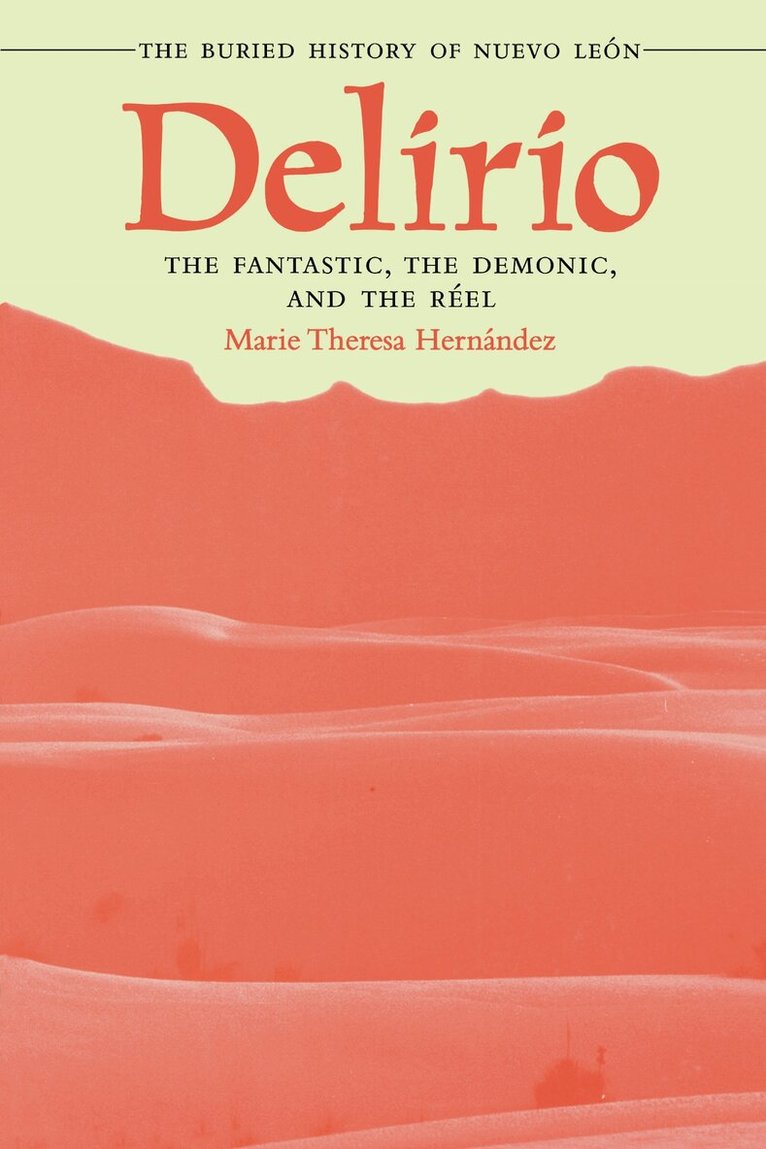
Delirio—the Fantastic, the Demonic, and the Réel
The Buried History of Nuevo León
Häftad, Engelska, 2002
314 kr
Skickas inom 10-15 vardagar
Striking, inexplicable stories circulate among the people of Nuevo LeÓn in northern Mexico. Stories of conversos (converted Jews) who fled the Inquisition in Spain and became fabulously wealthy in Mexico. Stories of women and children buried in walls and under houses. Stories of an entire, secret city hidden under modern-day Monterrey. All these stories have no place or corroboration in the official histories of Nuevo LeÓn. In this pioneering ethnography, Marie Theresa HernÁndez explores how the folktales of Nuevo LeÓn encode aspects of Nuevolenese identity that have been lost, repressed, or fetishized in "legitimate" histories of the region. She focuses particularly on stories regarding three groups: the Sephardic Jews said to be the "original" settlers of the region, the "disappeared" indigenous population, and the supposed "barbaric" society that persists in modern Nuevo LeÓn. HernÁndez's explorations into these stories uncover the region's complicated history, as well as the problematic and often fascinating relationship between history and folklore, between officially accepted "facts" and "fictions" that many Nuevoleneses believe as truth.
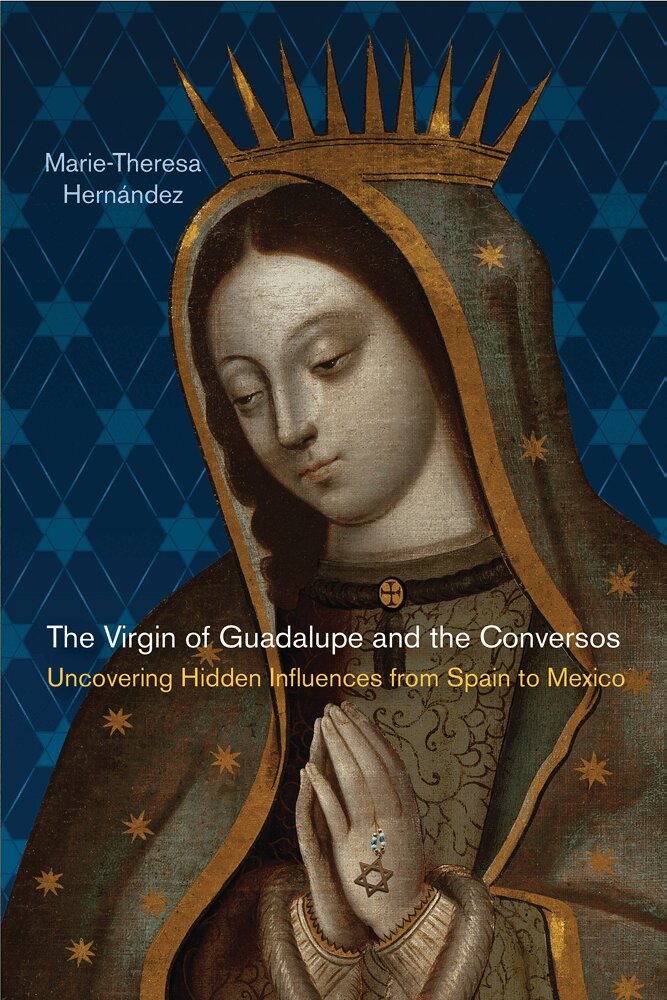
Virgin of Guadalupe and the Conversos
Uncovering Hidden Influences from Spain to Mexico
Häftad, Engelska, 2014
363 kr
Skickas inom 5-8 vardagar
Hidden lives, hidden history, and hidden manuscripts. In The Virgin of Guadalupe and the Conversos, Marie-Theresa HernÁndez unmasks the secret lives of conversos and judaizantes and their likely influence onthe Catholic Churchin the New World.The terms converso and judaizante are often used for descendants of Spanish Jews (the Sephardi, or Sefarditas as they are sometimes called), who converted under duress to Christianity in the fourteenth and fifteenth centuries. There are few, if any, archival documents that prove the existence of judaizantes after the Spanish expulsion of the Jews in 1492 and the Portuguese expulsion in 1497, as it is unlikely that a secret Jew in sixteenth-century Spain would have documented his allegiance to the Law of Moses, thereby providing evidence for the Inquisition.On a Da Vinci Code – style quest, HernÁndez persisted in hunting for a trove of forgotten manuscripts at the New York Public Library. These documents, once unearthed, describe the Jewish/Christian religious beliefs of an early nineteenth-century Catholic priest in Mexico City, focusing on the relationship between the Virgin of Guadalupe and Judaism. With this discovery in hand, the author traces the cult of Guadalupe backwards to its fourteenth-century Spanish origins. The trail from that point forward can then be followed to its interface with early modern conversos and their descendants at the highest levels of the Church and the monarchy in Spain and Colonial Mexico. She describes key players who were somehow immune to the dangers of the Inquisition and who were allowed the freedom to display, albeit in a camouflaged manner, vestiges of their family's Jewish identity.By exploring the narratives produced by these individuals, HernÁndez reveals the existence of those conversos and judaizantes who did not return to the “covenantal bond of rabbinic law,” who did not publicly identify themselves as Jews, and who continued to exhibit in their influential writings a covert allegiance and longing for a Jewish past. This is a spellbinding and controversial story that offers a fresh perspective on the origins and history of conversos.
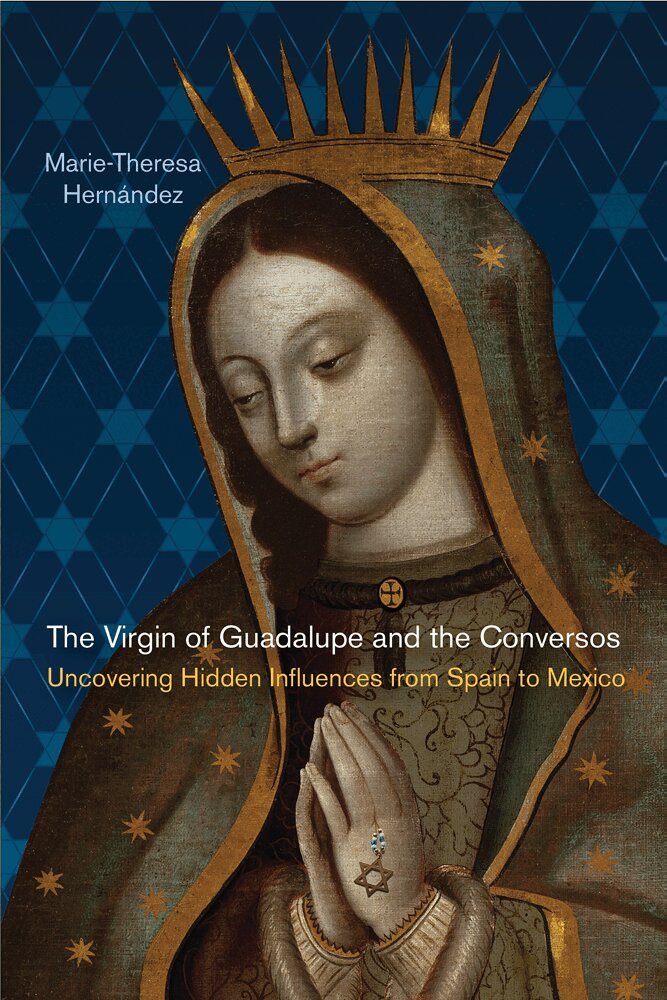
Virgin of Guadalupe and the Conversos
Uncovering Hidden Influences from Spain to Mexico
Inbunden, Engelska, 2014
1 391 kr
Skickas inom 5-8 vardagar
Hidden lives, hidden history, and hidden manuscripts. In The Virgin of Guadalupe and the Conversos, Marie-Theresa HernÁndez unmasks the secret lives of conversos and judaizantes and their likely influence onthe Catholic Churchin the New World.The terms converso and judaizante are often used for descendants of Spanish Jews (the Sephardi, or Sefarditas as they are sometimes called), who converted under duress to Christianity in the fourteenth and fifteenth centuries. There are few, if any, archival documents that prove the existence of judaizantes after the Spanish expulsion of the Jews in 1492 and the Portuguese expulsion in 1497, as it is unlikely that a secret Jew in sixteenth-century Spain would have documented his allegiance to the Law of Moses, thereby providing evidence for the Inquisition.On a Da Vinci Code – style quest, HernÁndez persisted in hunting for a trove of forgotten manuscripts at the New York Public Library. These documents, once unearthed, describe the Jewish/Christian religious beliefs of an early nineteenth-century Catholic priest in Mexico City, focusing on the relationship between the Virgin of Guadalupe and Judaism. With this discovery in hand, the author traces the cult of Guadalupe backwards to its fourteenth-century Spanish origins. The trail from that point forward can then be followed to its interface with early modern conversos and their descendants at the highest levels of the Church and the monarchy in Spain and Colonial Mexico. She describes key players who were somehow immune to the dangers of the Inquisition and who were allowed the freedom to display, albeit in a camouflaged manner, vestiges of their family's Jewish identity.By exploring the narratives produced by these individuals, HernÁndez reveals the existence of those conversos and judaizantes who did not return to the “covenantal bond of rabbinic law,” who did not publicly identify themselves as Jews, and who continued to exhibit in their influential writings a covert allegiance and longing for a Jewish past. This is a spellbinding and controversial story that offers a fresh perspective on the origins and history of conversos.