Marilee Wood - Böcker
Visar alla böcker från författaren Marilee Wood. Handla med fri frakt och snabb leverans.
4 produkter
4 produkter
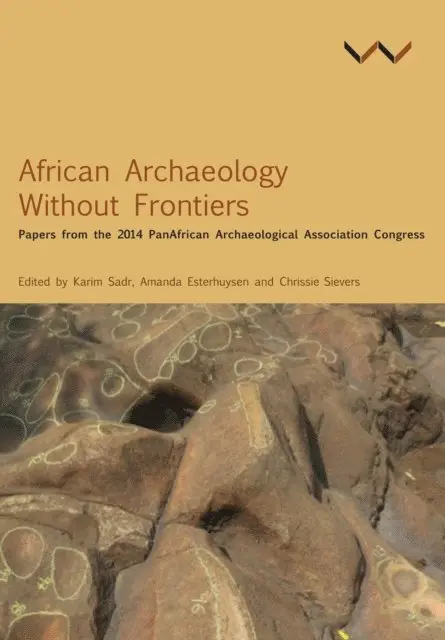
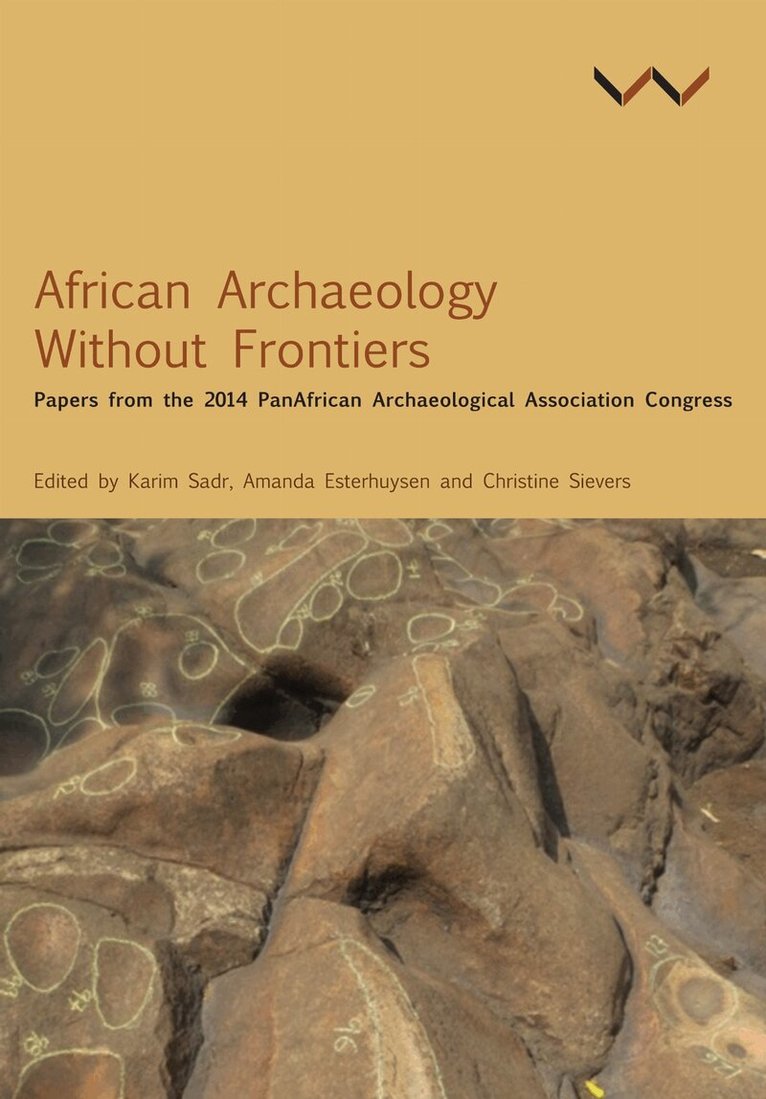
African Archaeology Without Frontiers
Papers from the 2014 PanAfrican Archaeological Association Congress
Häftad, Engelska, 2016
485 kr
Skickas inom 7-10 vardagar
Confronting national, linguistic and disciplinary boundaries, contributors to African Archaeology Without Frontiers argue against artificial limits and divisions created through the study of 'ages' that in reality overlap and cannot and should not be understood in isolation. Papers are drawn from the proceedings of the landmark 14th PanAfrican Archaeological Association Congress, held in Johannesburg in 2014, nearly seven decades after the conference planned for 1951 was re-located to Algiers for ideological reasons following the National Party's rise to power in South Africa. Contributions by keynote speakers Chapurukha Kusimba and Akin Ogundiran encourage African archaeologists to practise an archaeology that collaborates across many related fields of study to enrich our understanding of the past. The nine papers cover a broad geographical sweep by incorporating material on ongoing projects throughout the continent including South Africa, Botswana, Cameroon, Togo, Tanzania, Kenya and Nigeria. Thematically, the papers included in the volume address issues of identity and interaction, and the need to balance cultural heritage management and sustainable development derived from a continent racked by social inequalities and crippling poverty. Edited by three leading archaeologists, the collection covers many aspects of African archaeology, and a range of periods from the earliest hominins to the historical period. It will appeal to specialists and interested amateurs.
375 kr
Skickas inom 7-10 vardagar
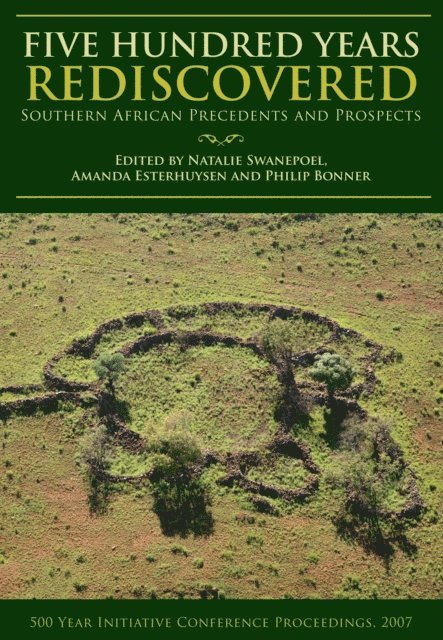
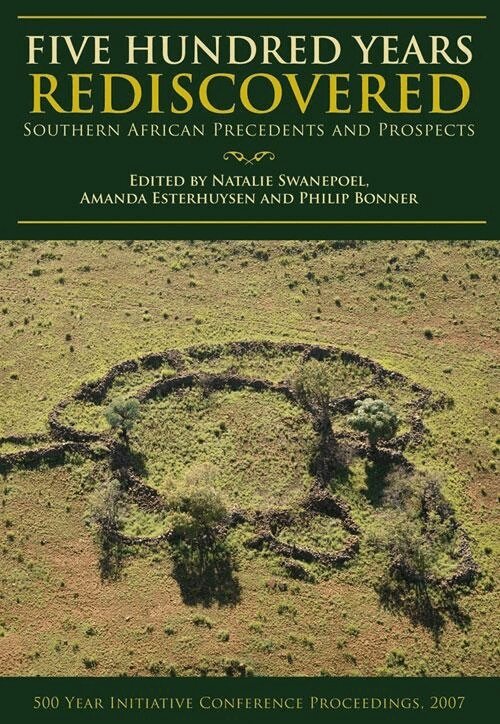
In the age of the African Renaissance, southern Africa has needed to reinterpret the past in fresh and more appropriate ways. The last 500 years represent a strikingly unexplored and misrepresented period which remains disfigured by colonial/apartheid assumptions, most notably in the way that African societies are depicted as fixed, passive, isolated, un-enterprising and unenlightened. This period is one the most formative in relation to southern Africa's past while remaining, in many ways, the least known. Key cultural contours of the sub-continent took shape, while in a jagged and uneven fashion some of the features of modern identities emerged. Enormous internal economic innovation and political experimentation was taking place at the same time as expanding European mercantile forces started to press upon southern African shores and its hinterlands. This suggests that interaction, flux and mixing were a strong feature of the period, rather than the homogeneity and fixity proposed in standard historical and archaeological writings. Five Hundred Years Rediscovered represents the first step, taken by a group of archaeologists and historians, to collectively reframe, revitalise and re-examine the last 500 years. By integrating research and developing trans-frontier research networks, the group hopes to challenge thinking about the region's expanding internal and colonial frontiers, and to broaden current perceptions about southern Africa's colonial past.
432 kr
Skickas inom 3-6 vardagar
Del 17 - Studies in Global Archaeology
Interconnections : glass beads and trade in southern and eastern Africa and the Indian Ocean - 7th to 16th centuries AD
Häftad, Engelska, 2011
275 kr
Skickas inom 5-8 vardagar
Glass beads comprise the most frequently found evidence of trade between southern Africa and the greater Indian Ocean between the 7th and 16th centuries AD. In this study beads recovered from southern African archaeological sites are organized into series, based on morphology and chemical composition determined by LA-ICP-MS analysis. The results are used to interpret the trade patterns and partners that linked eastern Africa to the rest of the Indian Ocean world, as well as interconnections between southern Africa andEast Africa. Comprehensive reports on bead assemblages from several archaeological sites are presented, including: Mapungubwe, K2 and Schroda in the Shashe-Limpopo Basin; Chibuene in southern Mozambique; Hlamba Mlonga in eastern Zimbabwe; Sibudu Cave in KwaZulu-Natal, Kaole Ruins in Tanzania and Mahilaka in northwest Madagascar. The conclusions reached show that trade relationships and socio-political development in the south were different from those on the East Coast and that changes in bead series in the south demonstrate it was fully integrated into the cycles of the Eurasian and African world-system.