Natalie Swanepoel – författare
Visar alla böcker från författaren Natalie Swanepoel. Handla med fri frakt och snabb leverans.
2 produkter
2 produkter
377 kr
Skickas inom 5-8 vardagar
In the age of the African Renaissance, southern Africa has needed to reinterpret the past in fresh and more appropriate ways. The last 500 years represent a strikingly unexplored and misrepresented period which remains disfigured by colonial/apartheid assumptions, most notably in the way that African societies are depicted as fixed, passive, isolated, un-enterprising and unenlightened. This period is one the most formative in relation to southern Africa's past while remaining, in many ways, the least known. Key cultural contours of the sub-continent took shape, while in a jagged and uneven fashion some of the features of modern identities emerged. Enormous internal economic innovation and political experimentation was taking place at the same time as expanding European mercantile forces started to press upon southern African shores and its hinterlands. This suggests that interaction, flux and mixing were a strong feature of the period, rather than the homogeneity and fixity proposed in standard historical and archaeological writings. Five Hundred Years Rediscovered represents the first step, taken by a group of archaeologists and historians, to collectively reframe, revitalise and re-examine the last 500 years. By integrating research and developing trans-frontier research networks, the group hopes to challenge thinking about the region's expanding internal and colonial frontiers, and to broaden current perceptions about southern Africa's colonial past.
1 492 kr
Kommande
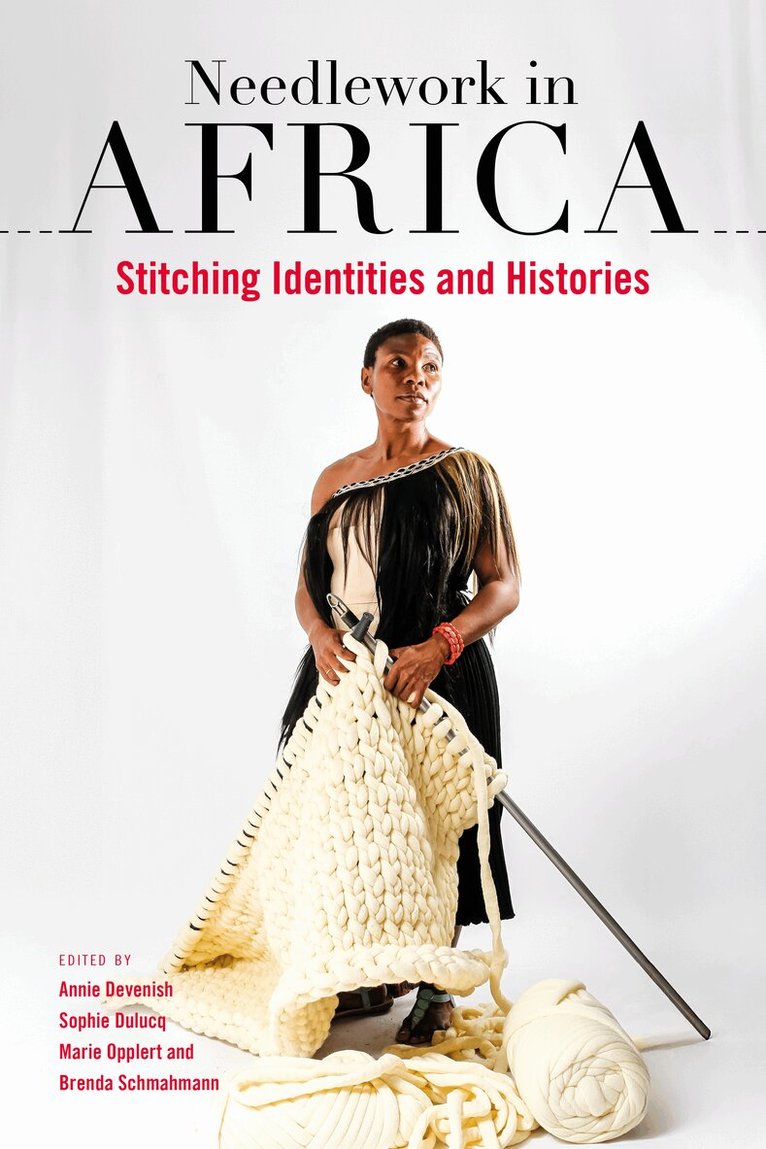
This beautifully crafted book explores needlework; encompassing sewing, embroidery, weaving, quilting, tattooing and more; as a lens for understanding gendered and marginalised histories and identities. Through case studies from across Africa, it highlights the work of fashion designers, weavers, seamstresses, LGBTQI activists, and artists. Their work reveals how needlework shapes and challenges identities, gender roles, and social structures, offering a platform for self-expression and historical storytelling. This collection also shows how embroidery, specifically, has enabled economic agency.Far from trivial, needlework serves as an alternative archive, uncovering voices often sidelined. The book examines how practices like beadwork, tapestry, and crochet reflect complex ideas of gender, identity, and belonging in African contexts. Each chapter illustrates how these crafts empower makers to tell their stories, blending artistry with cultural and historical significance.With striking visuals, this volume invites readers to see needlework anew; not as mere craft, but as a vital tool for documenting and reimagining history. It challenges assumptions about its importance, showing how these everyday acts of creation amplify marginalized perspectives. Needlework in Africa is an engaging read for those interested in how textiles and craftsmanship weave powerful narratives of identity and resilience.