Marina B. Mogilner - Böcker
Visar alla böcker från författaren Marina B. Mogilner. Handla med fri frakt och snabb leverans.
8 produkter
8 produkter
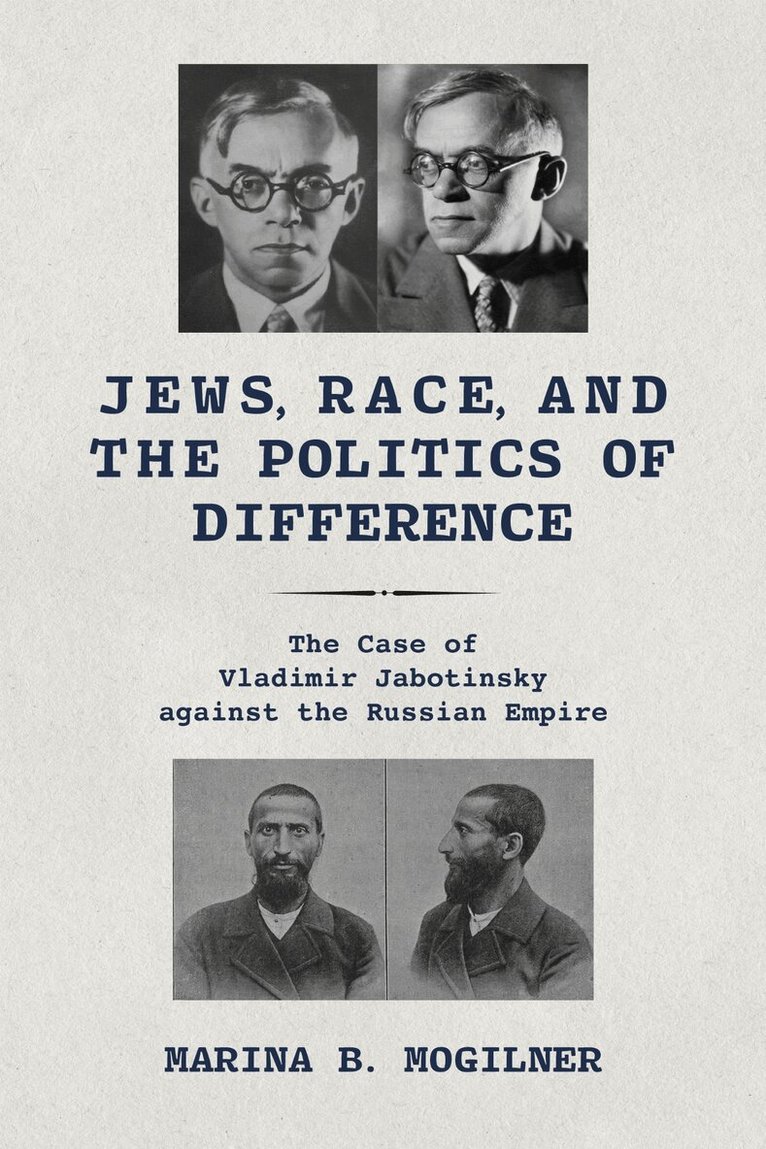
Jews, Race, and the Politics of Difference
The Case of Vladimir Jabotinsky Against the Russian Empire
Inbunden, Engelska, 2023
743 kr
Skickas inom 7-10 vardagar
Jews, Race, and the Politics of Difference explores how Russian Jewish writers and political activists such as Vladimir Jabotinsky turned to "race" as an operational concept in the late imperial politics of the Russian Empire.Building on the latest scholarship on racial thinking and Jewish identities, Marina Mogilner shows how Jewish anthropologists, ethnographers, writers, lawyers, and political activists in late imperial Russia sought to construct a Jewish identity based on racial categorization in addition to religious affiliation. By grounding nationality not in culture and territory but in blood and biology, race offered Jewish nationalists in Russia a scientifically sound and politically effective way to reaffirm their common identity.Jews, Race, and the Politics of Difference presents the works of Jabotinsky as a lens to understanding Jewish "self-racializing," and brings Jews and race together in a framework that is more multifaceted and controversial than that implied by the usual narratives of racial antisemitism.
Jews, Race, and the Politics of Difference
The Case of Vladimir Jabotinsky Against the Russian Empire
Häftad, Engelska, 2023
309 kr
Skickas inom 7-10 vardagar
Jews, Race, and the Politics of Difference explores how Russian Jewish writers and political activists such as Vladimir Jabotinsky turned to "race" as an operational concept in the late imperial politics of the Russian Empire.Building on the latest scholarship on racial thinking and Jewish identities, Marina Mogilner shows how Jewish anthropologists, ethnographers, writers, lawyers, and political activists in late imperial Russia sought to construct a Jewish identity based on racial categorization in addition to religious affiliation. By grounding nationality not in culture and territory but in blood and biology, race offered Jewish nationalists in Russia a scientifically sound and politically effective way to reaffirm their common identity.Jews, Race, and the Politics of Difference presents the works of Jabotinsky as a lens to understanding Jewish "self-racializing," and brings Jews and race together in a framework that is more multifaceted and controversial than that implied by the usual narratives of racial antisemitism.
1 059 kr
Skickas inom 7-10 vardagar
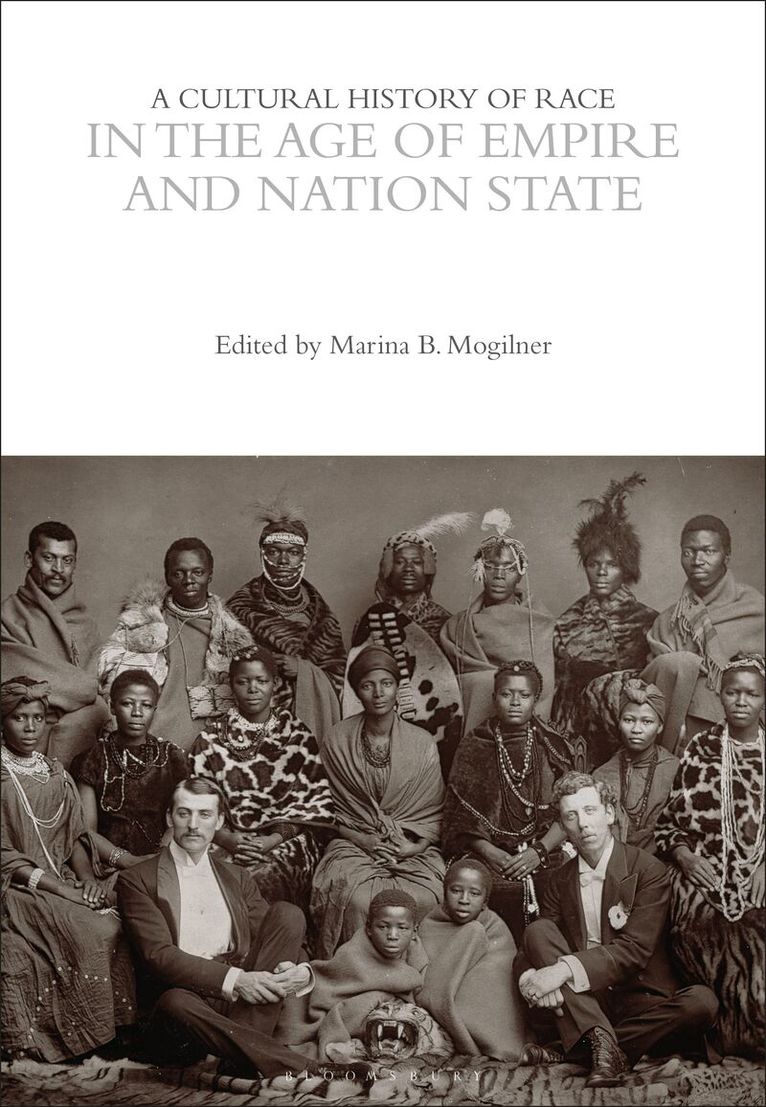
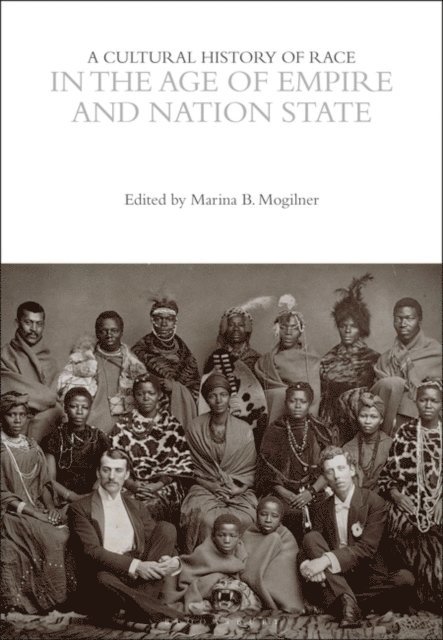
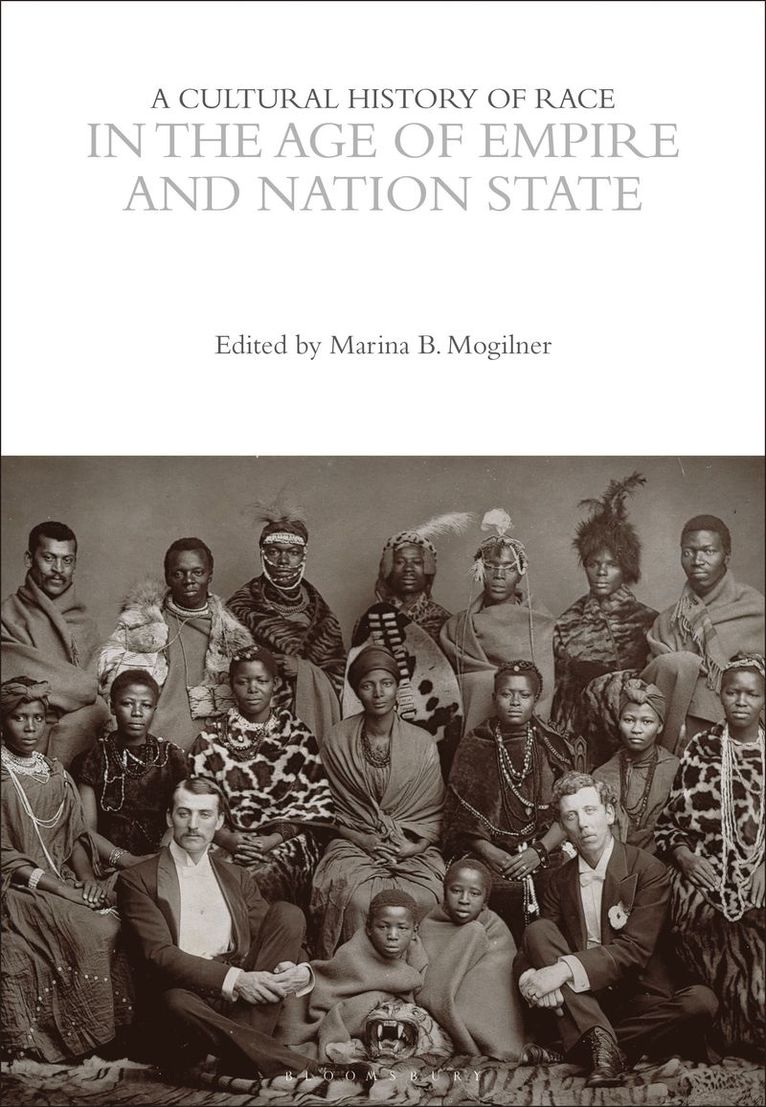
This volume covers the cultural history of race in ‘the long 19th century’ – the age of empire and nation-state, a transformative period during which a modern world had been forged and complex and hierarchical imperial formations were challenged by the emerging national norm. The concept of race emerged as a dominant epistemology in the context of the conflicting entanglement of empire and nation as two alternative but quite compatible forms of social imaginary. It penetrated all spheres of life under the novel conditions of the emerging mass culture and mass society and with the sanction of anthropocentric and positivistic science. Allegedly primeval and parasocial, ‘race’ was seen as a uniquely stable constant in a society in flux amid transforming institutions, economies, and political regimes. But contrary to this perception, there was nothing stable or natural about ‘race.’ The spread of racializing social and political imagination only reinforced the need for constant renegotiation and readjustment of racial boundaries. Therefore, avoiding any structuralist simplifications, this volume looks at specific imperial, nationalizing, and hybrid contexts framing the semantics and politics of race in the course of the long 19th century. In different parts of the globalizing world, various actors were applying their own notions of ‘race’ to others and to themselves, embracing it simultaneously as a language of othering and personal subjectivity. Consequently, the cultural history of race as told in this volume unfolds on many levels, in multiple loci, and in different genres, thus reflecting the qualities of race as an omnipresent and all-embracing discourse of the time
New Imperial History of Northern Eurasia, 600-1700
From Russian to Global History
Inbunden, Engelska, 2023
1 245 kr
Skickas inom 10-15 vardagar
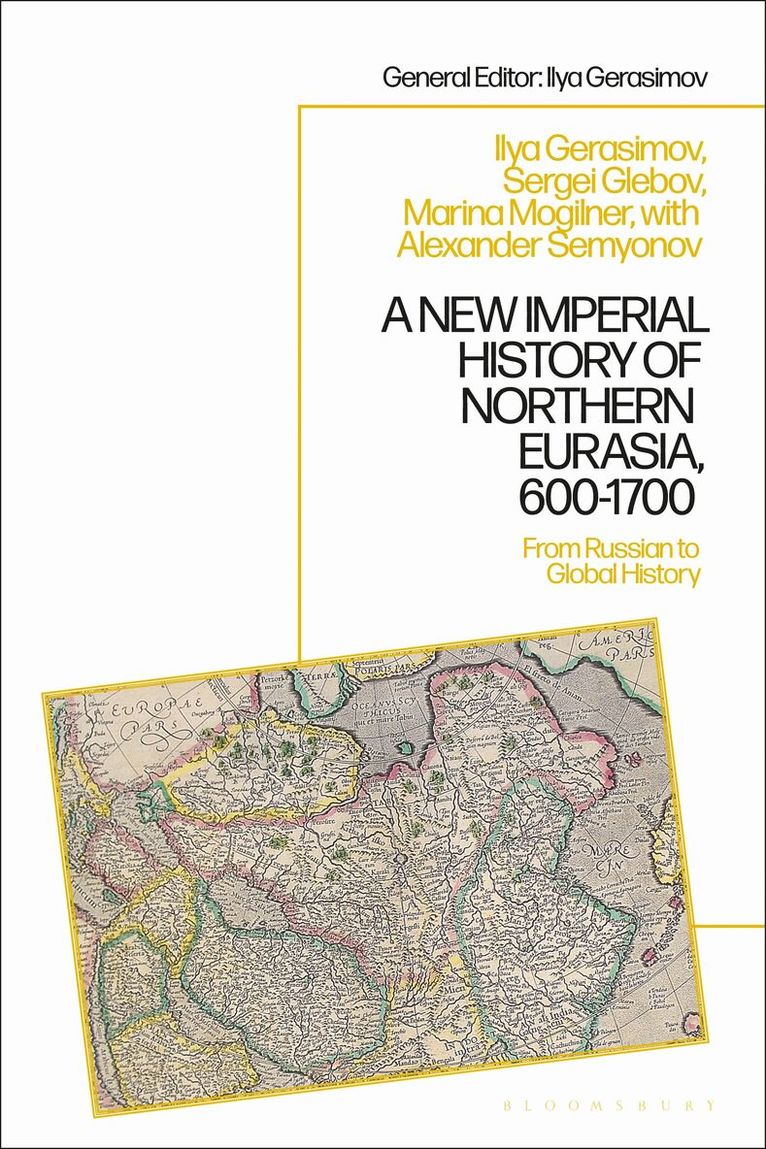
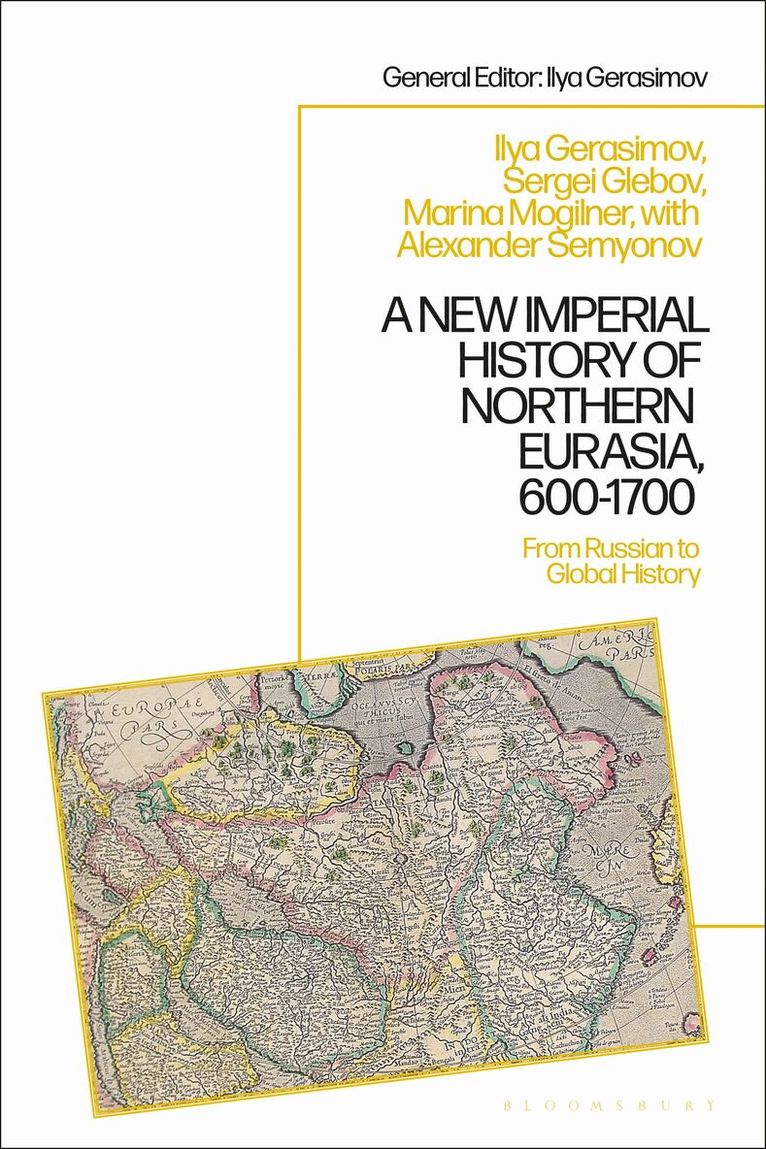
A New Imperial History of Northern Eurasia, 600-1700 proposes a new language for studying and conceptualizing the spaces, societies, and institutions that existed on the territory of today’s Northern Eurasia. This is not the story of a certain present-day state or people evolving through consecutive historical stages. Rather, the book is a modern analytical approach to the problem of human diversity as a fundamental social condition. Through cooperation and confrontation, various attempts to manage diversity fostered processes of societal self-organization, as new ideas, practices, and institutions were developed virtually from scratch or radically altered. Essentially, this is the story of individuals and societies creatively responding to their natural and social environments in unique historical circumstances.This volume explores how the mutual interactions of several local socio-political arrangements, and attempts to integrate with one of the universal cultures of the time, caused a string of unintended consequences. As a result, the enormous landmass from the Carpathian Mountains in the west to the Pacific Ocean in the east, from the Polar Circle in the north to the steppe belt in the south was divided among several regional powers. Ultimately unable to overtake each other by military force, they were locked in a zero-sum game until the uneven development of modern state institutions tilted the balance in favor of one of them – Russia.
New Imperial History of Northern Eurasia, 600-1700
From Russian to Global History
Häftad, Engelska, 2025
406 kr
Skickas inom 10-15 vardagar
A New Imperial History of Northern Eurasia, 600-1700 proposes a new language for studying and conceptualizing the spaces, societies, and institutions that existed on the territory of today’s Northern Eurasia. This is not the story of a certain present-day state or people evolving through consecutive historical stages. Rather, the book is a modern analytical approach to the problem of human diversity as a fundamental social condition. Through cooperation and confrontation, various attempts to manage diversity fostered processes of societal self-organization, as new ideas, practices, and institutions were developed virtually from scratch or radically altered. Essentially, this is the story of individuals and societies creatively responding to their natural and social environments in unique historical circumstances.This volume explores how the mutual interactions of several local socio-political arrangements, and attempts to integrate with one of the universal cultures of the time, caused a string of unintended consequences. As a result, the enormous landmass from the Carpathian Mountains in the west to the Pacific Ocean in the east, from the Polar Circle in the north to the steppe belt in the south was divided among several regional powers. Ultimately unable to overtake each other by military force, they were locked in a zero-sum game until the uneven development of modern state institutions tilted the balance in favor of one of them – Russia.
New Imperial History of Northern Eurasia, 1700-1918
From Russian to Global History
Häftad, Engelska, 2026
499 kr
Kommande
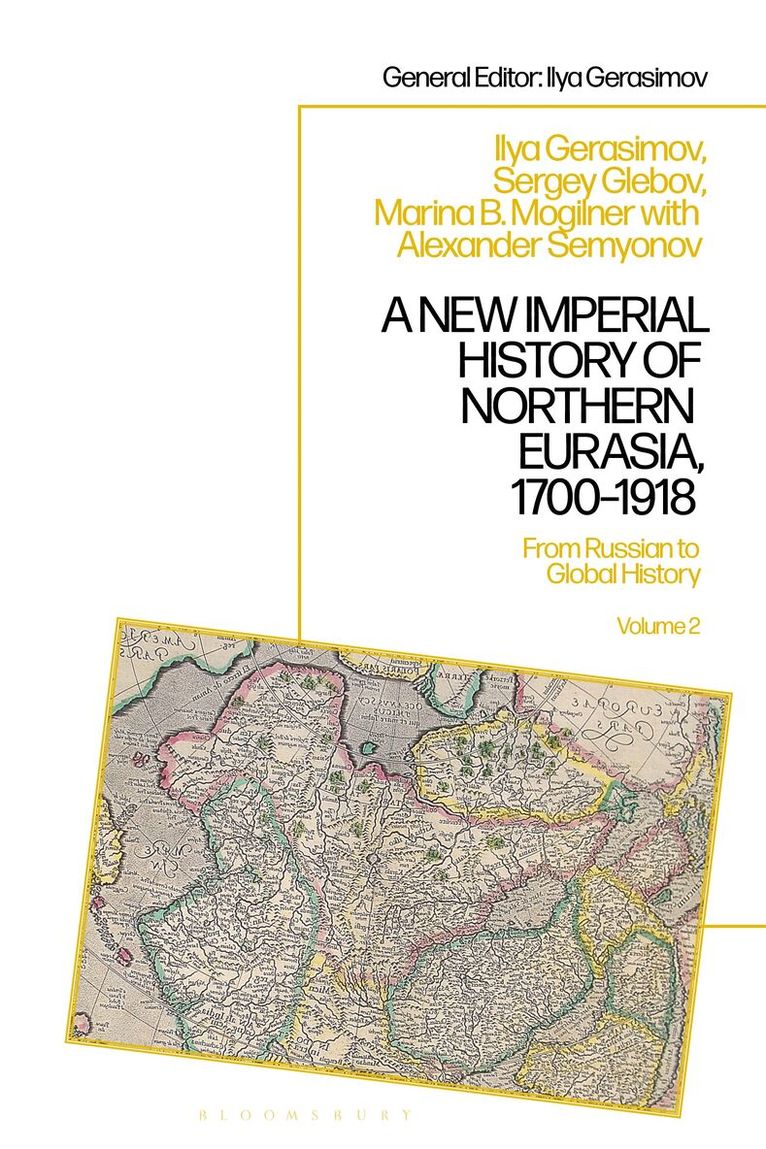
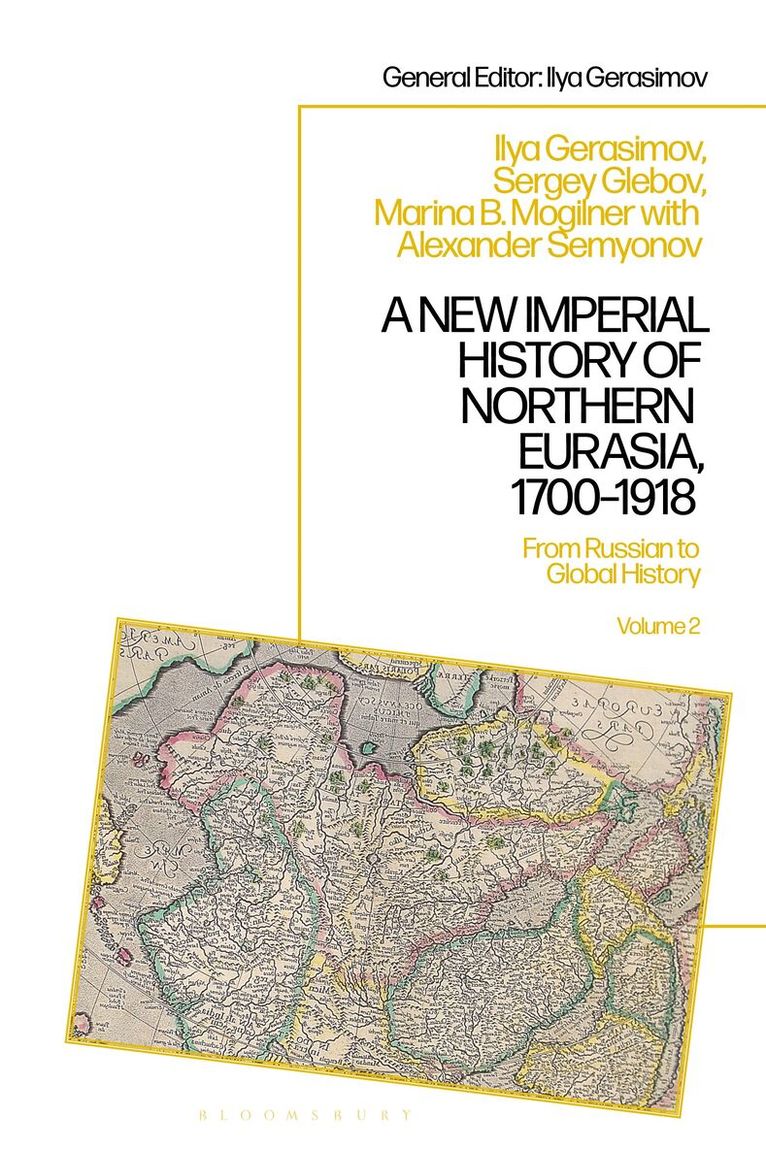
A New Imperial History of Northern Eurasia, 1700-1918 proposes a new language for studying and conceptualizing the spaces, societies, and institutions that existed on the territory of today’s Northern Eurasia, until recently part of the USSR. Traditional concepts and genealogies that frame human experience have to be avoided or reframed: this is not the story of a certain present-day state or people evolving through consecutive historical stages. Rather, the book’s point of departure is a modern analytical approach to the problem of human diversity as a fundamental social condition. In the form of cooperation and confrontation, various attempts to manage diversity fostered processes of societal self-organization, as new ideas, practices, and institutions were developed virtually from scratch or radically altered when borrowed. Essentially, this is the story of individuals and societies who creatively responded to their natural and social environments and sought answers to universal problems in unique historical circumstances.This volume, which brings together leading scholars from the United States and Russia, covers the period during which the enormous landmass from the Carpathian Mountains in the west to the Pacific Ocean in the east, from the Polar Circle in the north to the steppe belt in the south was put under the control of a single polity: the Russian Empire. Previously, the competing local scenarios of self-organization had taken specific political forms that suited them best. This book shows that the Russian Empire faced the daunting task of coordinating multifaceted diversity within a single political and legal body, under constantly changing domestic and international circumstances. The study reveals that, to this end, the imperial regime employed various means, from violence to science, from segregation to integration, and yet was still unable to block multiple political actors within the empire from advancing their own strategies of belonging, resistance, and participation.
New Imperial History of Northern Eurasia, 1700-1918
From Russian to Global History
Inbunden, Engelska, 2025
1 177 kr
Skickas inom 10-15 vardagar
A New Imperial History of Northern Eurasia, 1700-1918 proposes a new language for studying and conceptualizing the spaces, societies, and institutions that existed on the territory of today’s Northern Eurasia, until recently part of the USSR. Traditional concepts and genealogies that frame human experience have to be avoided or reframed: this is not the story of a certain present-day state or people evolving through consecutive historical stages. Rather, the book’s point of departure is a modern analytical approach to the problem of human diversity as a fundamental social condition. In the form of cooperation and confrontation, various attempts to manage diversity fostered processes of societal self-organization, as new ideas, practices, and institutions were developed virtually from scratch or radically altered when borrowed. Essentially, this is the story of individuals and societies who creatively responded to their natural and social environments and sought answers to universal problems in unique historical circumstances.This volume, which brings together leading scholars from the United States and Russia, covers the period during which the enormous landmass from the Carpathian Mountains in the west to the Pacific Ocean in the east, from the Polar Circle in the north to the steppe belt in the south was put under the control of a single polity: the Russian Empire. Previously, the competing local scenarios of self-organization had taken specific political forms that suited them best. This book shows that the Russian Empire faced the daunting task of coordinating multifaceted diversity within a single political and legal body, under constantly changing domestic and international circumstances. The study reveals that, to this end, the imperial regime employed various means, from violence to science, from segregation to integration, and yet was still unable to block multiple political actors within the empire from advancing their own strategies of belonging, resistance, and participation.
349 kr
Skickas inom 7-10 vardagar
This volume covers the cultural history of race in ‘the long 19th century’ – the age of empire and nation-state, a transformative period during which a modern world had been forged and complex and hierarchical imperial formations were challenged by the emerging national norm. The concept of race emerged as a dominant epistemology in the context of the conflicting entanglement of empire and nation as two alternative but quite compatible forms of social imaginary. It penetrated all spheres of life under the novel conditions of the emerging mass culture and mass society and with the sanction of anthropocentric and positivistic science. Allegedly primeval and parasocial, ‘race’ was seen as a uniquely stable constant in a society in flux amid transforming institutions, economies, and political regimes. But contrary to this perception, there was nothing stable or natural about ‘race.’ The spread of racializing social and political imagination only reinforced the need for constant renegotiation and readjustment of racial boundaries. Therefore, avoiding any structuralist simplifications, this volume looks at specific imperial, nationalizing, and hybrid contexts framing the semantics and politics of race in the course of the long 19th century. In different parts of the globalizing world, various actors were applying their own notions of ‘race’ to others and to themselves, embracing it simultaneously as a language of othering and personal subjectivity. Consequently, the cultural history of race as told in this volume unfolds on many levels, in multiple loci, and in different genres, thus reflecting the qualities of race as an omnipresent and all-embracing discourse of the time