Mario Erasmo - Böcker
Visar alla böcker från författaren Mario Erasmo. Handla med fri frakt och snabb leverans.
7 produkter
7 produkter
299 kr
Skickas inom 10-15 vardagar
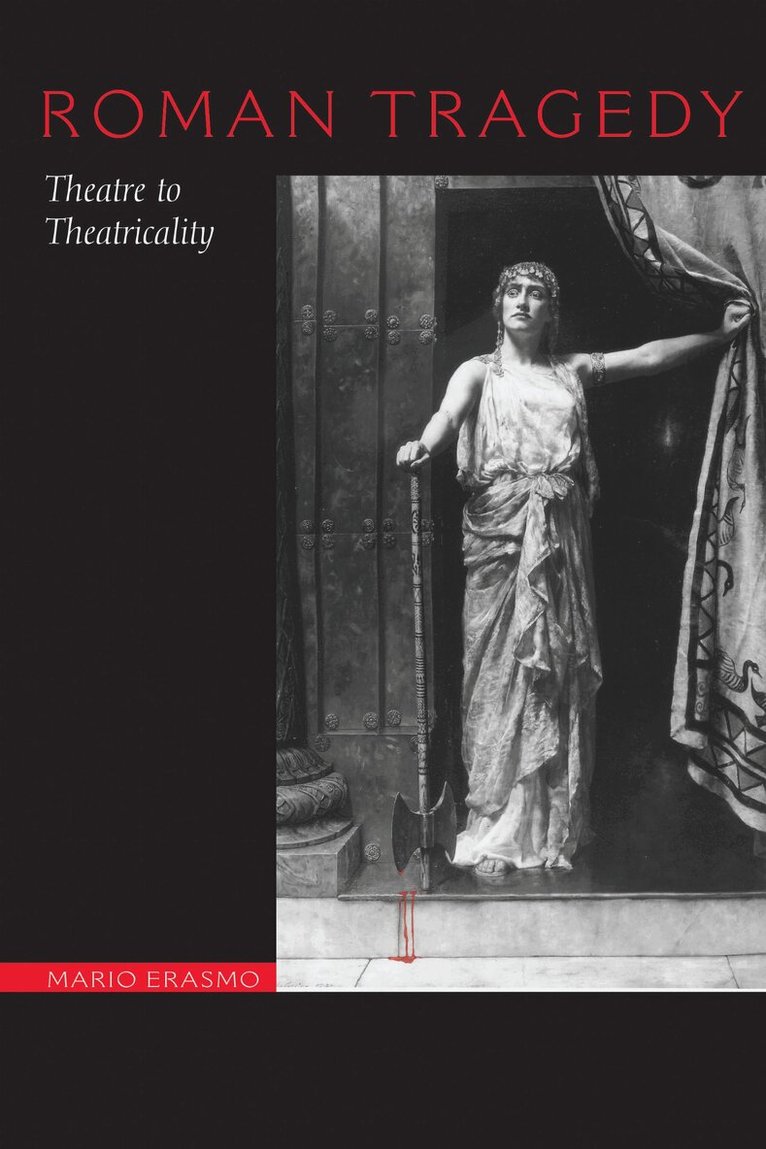
Roman tragedies were written for over three hundred years, but only fragments remain of plays that predate the works of Seneca in the mid-first century C.E., making it difficult to define the role of tragedy in ancient Roman culture. Nevertheless, in this pioneering book, Mario Erasmo draws on all the available evidence to trace the evolution of Roman tragedy from the earliest tragedians to the dramatist Seneca and to explore the role played by Roman culture in shaping the perception of theatricality on and off the stage. Performing a philological analysis of texts informed by semiotic theory and audience reception, Erasmo pursues two main questions in this study: how does Roman tragedy become metatragedy, and how did off-stage theatricality come to compete with the theatre? Working chronologically, he looks at how plays began to incorporate a rhetoricized reality on stage, thus pointing to their own theatricality. And he shows how this theatricality, in turn, came to permeate society, so that real events such as the assassination of Julius Caesar took on theatrical overtones, while Pompey's theatre opening and the lavish spectacles of the emperor Nero deliberately blurred the lines between reality and theatre. Tragedy eventually declined as a force in Roman culture, Erasmo suggests, because off-stage reality became so theatrical that on-stage tragedy could no longer compete.
737 kr
Skickas inom 5-8 vardagar
1 278 kr
Kommande
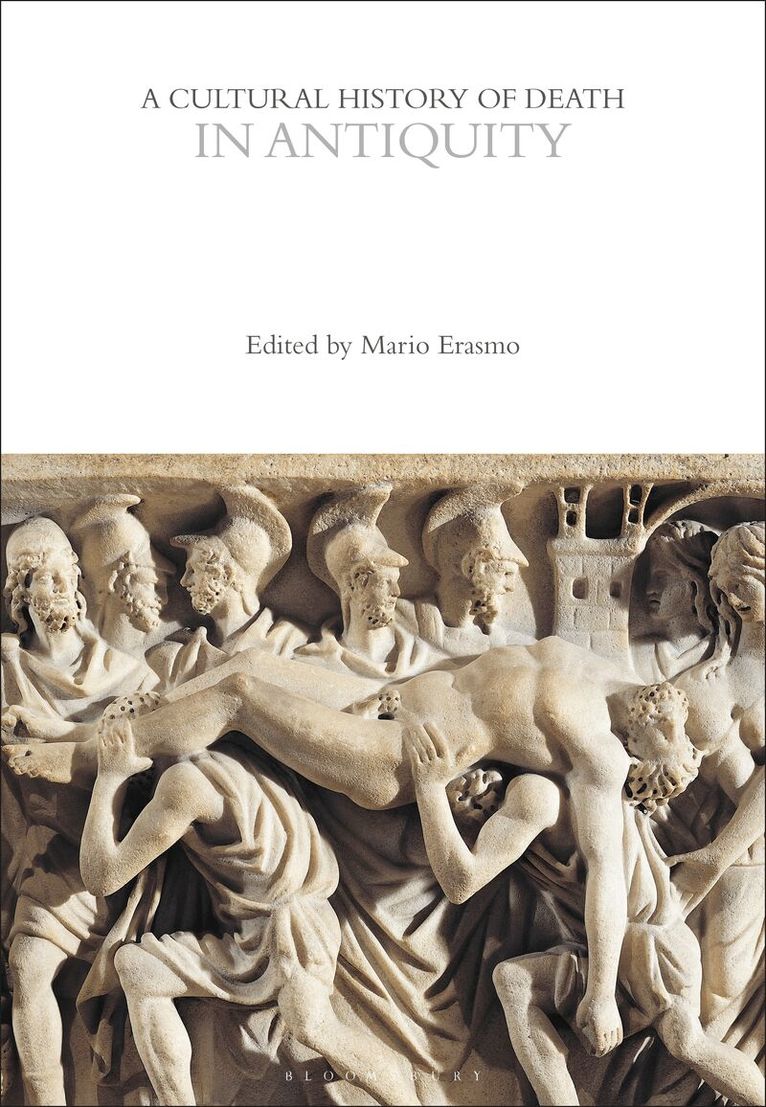
Ancient Greek and Roman burial, mourning, and commemoration practices may seem irrelevant in the digital age of instant and virtual communications and entertainment. The lives and deaths of ancient peoples comprising Greek and Roman cultures, however, not only inform modern funerary practices through the reception of Classical antiquity, but they provide a contrast to communicating grief and sympathy; political power, and identity, personal and collective, through gesture; performance; literature; art and architecture.The chapters in this volume focus on a wealth of evidence from all corners of the Roman empire and recent scholarship to examine: how beliefs in the afterlife, rituals of disposal, commemoration, and on-going social relationships with the dead permeated ancient Greek and Roman culture. Chapters also explore how burial practices contributed to changes in urbanization from the 5th century CE, when extramural burials, formerly in roadside tombs and catacombs, moved inside city walls into the decaying monuments of Imperial Rome and close to places of Christian worship. Examinations of the archaeological, artistic, and literary evidence from Homer to the rise of medieval Europe, reveal vibrant, at times elusive, and allusive practices to contemporary rituals.A Cultural History of Death is part of The Cultural Histories Series. Titles are available as hardcover sets for libraries needing just one subject or preferring a tangible reference for their shelves or as part of a fully-searchable digital library. The digital product is available to institutions by annual subscription or on perpetual access via www.bloomsburyculturalhistory.com. Individual volumes for academics and researchers interested in specific historical periods are also available in print or digitally via www.bloomsburycollections.com.
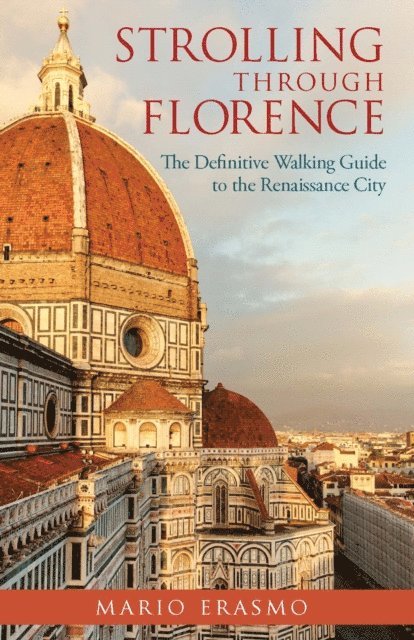
Strolling Through Florence: The Definitive Walking Guide to the Renaissance City
Häftad, Engelska, 2017
273 kr
Skickas inom 3-6 vardagar
207 kr
Skickas inom 10-15 vardagar
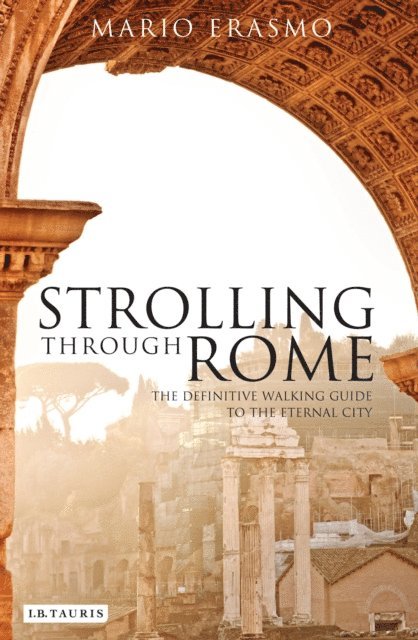
A rich cultural history of Rome that brings its epic past alive, illuminating the extraordinary sights and fascinating secrets of one of Europe's most beguiling cities.Rome, the Eternal City - birthplace of western civilisation and soul of the ancient world - has a history that stretches back two thousand five hundred years. It is also one of the most-visited places in the world, but where does one begin to delve into two millennia of history, culture, art and architecture, whilst also navigating the vibrant modern city?Mario Erasmo guides the traveller through Rome's many layers of history, exploring the streets, museums, piazze, ruins and parks of this 'city of the soul'. Punctuated with anecdote, myth and legend, these unique walks often retrace the very steps taken by ancient Romans, early Christians, medieval pilgrims, Renaissance artists and aristocrats on the Grand Tour. Here is a rich cultural history of Rome that brings its epic past alive, illuminating the extraordinary sights and fascinating secrets of one of Europe's most beguiling cities.
1 322 kr
Skickas inom 7-10 vardagar
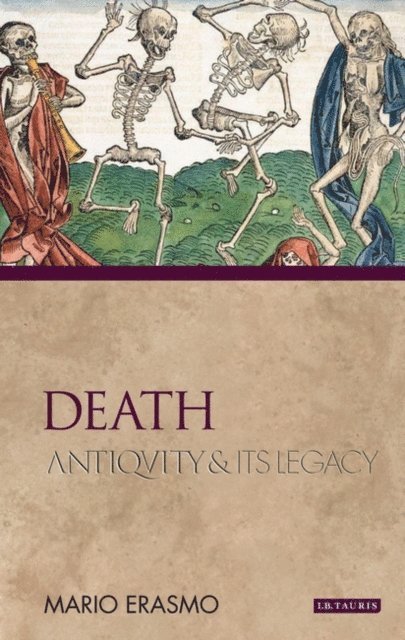
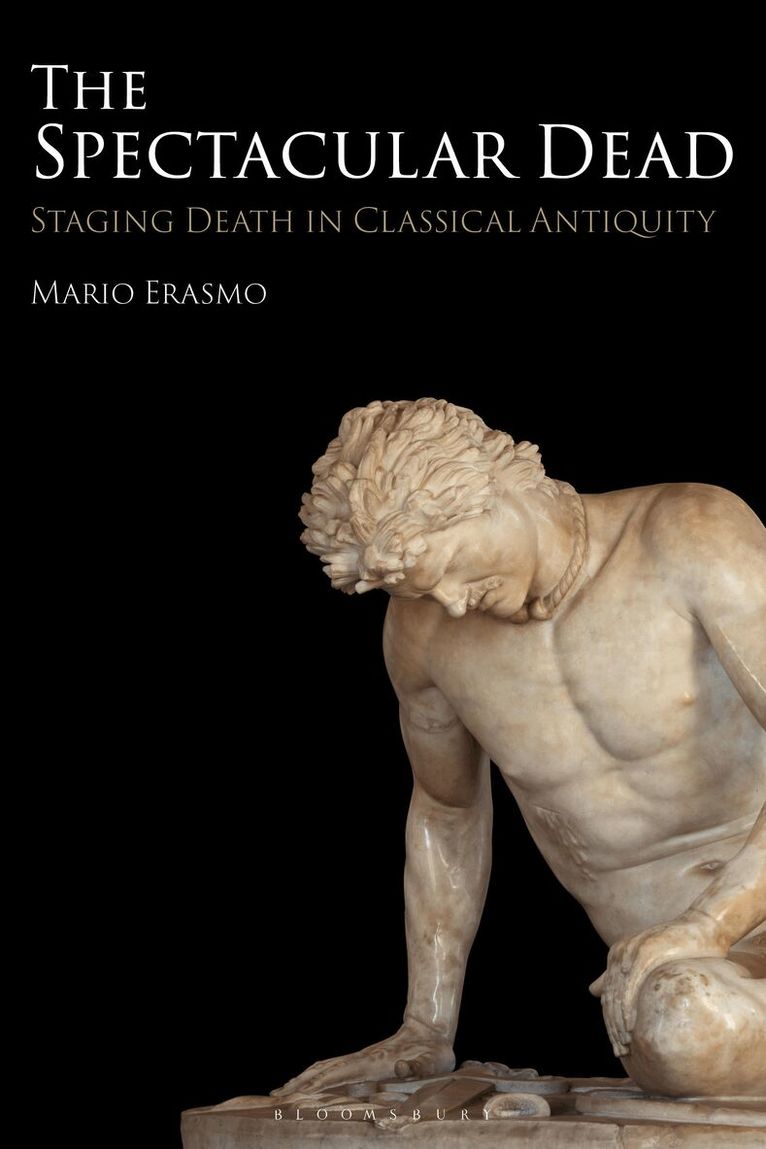
Personal and yet utterly universal, inevitable and yet unknowable, death has been a dominant theme in all cultures, since earliest times. Different societies address death and the act of dying in culturally diverse ways; yet, remarkably, across the span of several millennia, we can recognize in the customs of ancient Greece and Rome ceremonies and rituals that have enduring present-day resonance. For example, preparing the corpse of the deceased, holding a memorial service, the practice of cremation and of burial in 'resting places' are all liminal processes that can trace their origin to ancient practices. Such rites - described by Cicero and Herodotus, among others - have defined traditional modern funerals. Yet of late there has been a shift away from classical ritual and sombre memorialization as the dead are transformed into spectacles. Ad hoc roadside shrines, 'virtual' burials, online guest-books and even jazz memorial processions and firework displays have come to the fore as new modes of marking, even celebrating, bereavement. What is causing this change, and how do urbanisation, economic factors and the rise of individualism play a part?Mario Erasmo creatively explores the nexus between classical and contemporary approaches to dying, death and interment. From theme funerals in St Louis to Etruscan sarcophagi, he offers a rich and insightful discussion of finitude across the ages.
274 kr
Skickas inom 10-15 vardagar
Personal and yet utterly universal, inevitable and yet unknowable, death has been a dominant theme in all cultures, since earliest times. Different societies address death and the act of dying in culturally diverse ways; yet, remarkably, across the span of several millennia, we can recognize in the customs of ancient Greece and Rome ceremonies and rituals that have enduring present-day resonance. For example, preparing the corpse of the deceased, holding a memorial service, the practice of cremation and of burial in 'resting places' are all liminal processes that can trace their origin to ancient practices. Such rites - described by Cicero and Herodotus, among others - have defined traditional modern funerals. Yet of late there has been a shift away from classical ritual and sombre memorialization as the dead are transformed into spectacles. Ad hoc roadside shrines, 'virtual' burials, online guest-books and even jazz memorial processions and firework displays have come to the fore as new modes of marking, even celebrating, bereavement. What is causing this change, and how do urbanisation, economic factors and the rise of individualism play a part?Mario Erasmo creatively explores the nexus between classical and contemporary approaches to dying, death and interment. From theme funerals in St Louis to Etruscan sarcophagi, he offers a rich and insightful discussion of finitude across the ages.