Maris Köpcke - Böcker
Visar alla böcker från författaren Maris Köpcke. Handla med fri frakt och snabb leverans.
3 produkter
3 produkter
449 kr
Skickas inom 10-15 vardagar
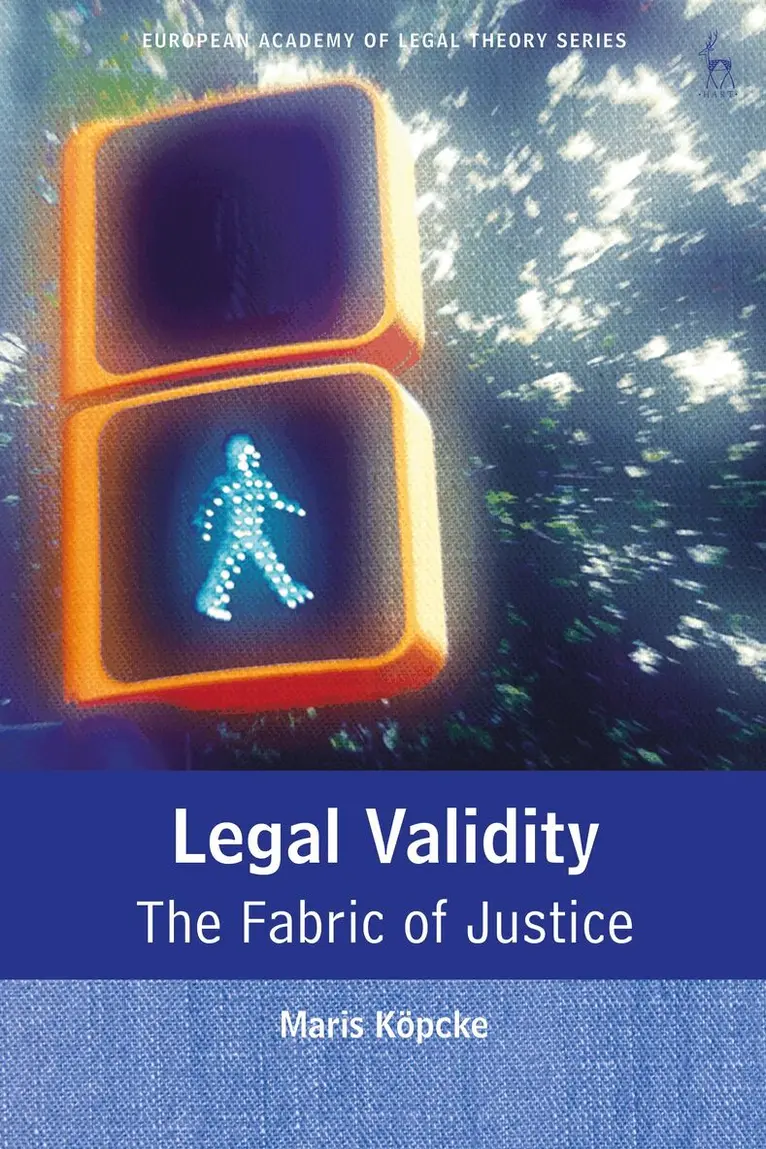
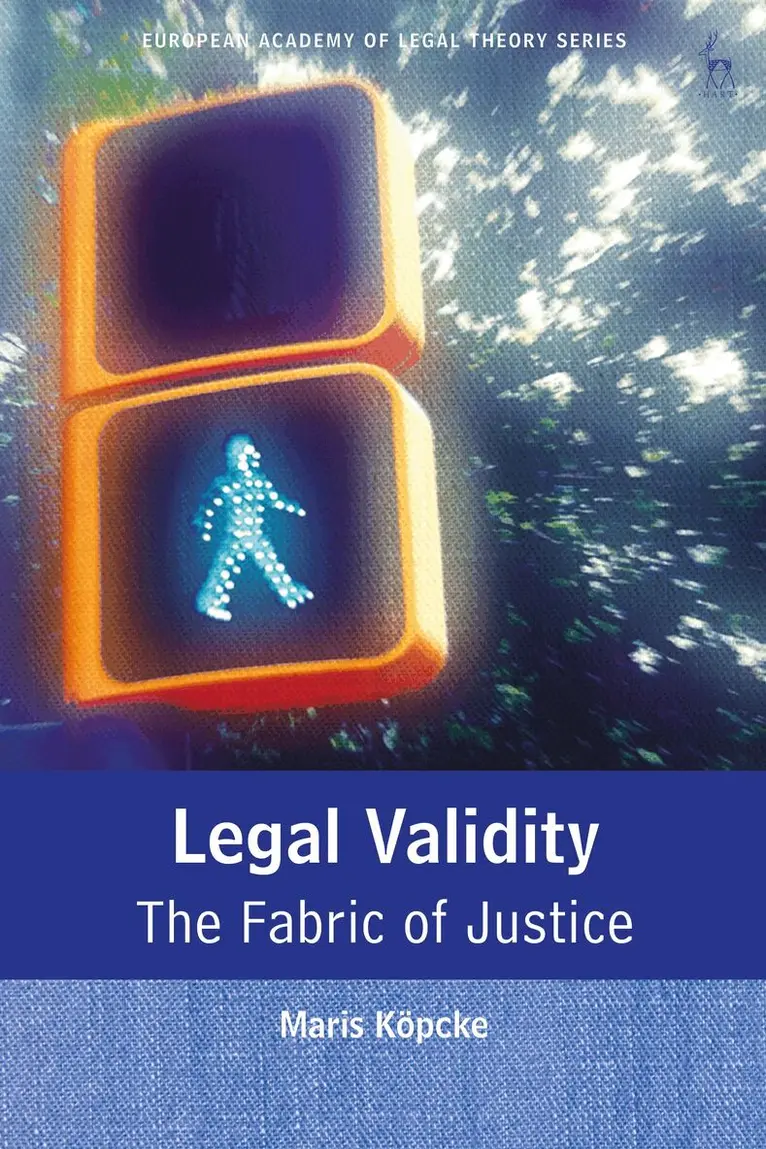
Critical human interests are affected on a daily basis by appeal to past decisions deemed to be ‘legally valid’. They include statutes, deportation orders, judgments, mortgage contracts, patents and wills. Through the technique of validity, lawyerly reasoning settles morally pressing matters in a way that largely bypasses moral argument. Legal philosophy has paid considerable attention to validity criteria, but it has neglected to explore validity’s point: whether, and if so how, the pervasive technique of validity can contribute to a legal system’s ability to realise justice and human rights.This book shows that validity can help a political community to foster justice precisely because validity does not primarily turn on moral considerations. Validity serves to both allocate, and limit, a distinct kind of power, a power that is key to forging valuable forms of enterprise and commitment in pursuit of individual and collective self-direction. By entrusting the capacity to decide to those who, in justice, ought to bear it, validity can enable persons and institutions to rally the resources and opportunities that only large-scale behavioural convergence can afford, thereby weaving a fabric of just relationships within the systemic framework of law.
Short History of Legal Validity and Invalidity
Foundations of Private and Public Law
Häftad, Engelska, 2019
712 kr
Skickas inom 5-8 vardagar
The twin ideas of legal validity and invalidity are ubiquitous in contemporary private and public law. But their roots lie buried deep in European legal culture. This book for the first time traces and reveals these roots. In the course of a 2000-year journey through landmark texts of the Western tradition, from Roman law to modern codification and constitutionalism, the book shows that, contrary to what is often assumed, validity and invalidity originated in the domain of private transactions and only gradually came to be deployed in the domain of official power and law-making. This went hand in hand with legal thought's acknowledgement that law-making itself can be (in)valid, because legally limited, most recently by a body of constitutionally enshrined human rights. Understanding why, not only when, the technique of validity appeared, teaches valuable lessons about the kinds of social and political transformation that this technique can help realise particularly in our age of emerging legal orders, shifting forms of governance, and fresh challenges to the regulation of exchanges in a digitally scripted world.This accessibly written work will appeal to anyone concerned with validity or invalidity in legal scholarship and practice, whether in public or private law.
1 051 kr
Skickas inom 10-15 vardagar
Critical human interests are affected on a daily basis by appeal to past decisions deemed to be ‘legally valid’. They include statutes, deportation orders, judgments, mortgage contracts, patents and wills. Through the technique of validity, lawyerly reasoning settles morally pressing matters in a way that largely bypasses moral argument. Legal philosophy has paid considerable attention to validity criteria, but it has neglected to explore validity’s point: whether, and if so how, the pervasive technique of validity can contribute to a legal system’s ability to realise justice and human rights.This book shows that validity can help a political community to foster justice precisely because validity does not primarily turn on moral considerations. Validity serves to both allocate, and limit, a distinct kind of power, a power that is key to forging valuable forms of enterprise and commitment in pursuit of individual and collective self-direction. By entrusting the capacity to decide to those who, in justice, ought to bear it, validity can enable persons and institutions to rally the resources and opportunities that only large-scale behavioural convergence can afford, thereby weaving a fabric of just relationships within the systemic framework of law.