Mark A. Reid - Böcker
Visar alla böcker från författaren Mark A. Reid. Handla med fri frakt och snabb leverans.
6 produkter
6 produkter
504 kr
Skickas inom 3-6 vardagar
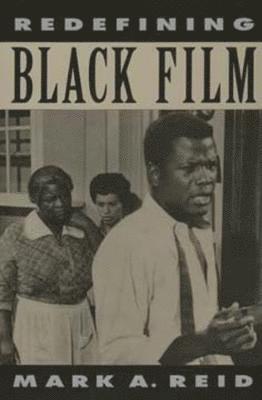
Can films about black characters, produced by white filmmakers, be considered 'black films'? In answering this question, Mark Reid reassesses black film history, carefully distinguishing between films controlled by blacks and films that utilize black talent, but are controlled by whites. Previous black film criticism has 'buried' the true black film industry, Reid says, by concentrating on films that are about, but not by, blacks. Reid's discussion of black independent films - defined as films that focus on the black community and that are written, directed, produced, and distributed by blacks - ranges from the earliest black involvement at the turn of the century up through the civil rights movement of the Sixties and the recent resurgence of feminism in black cultural production. His critical assessment of work by some black filmmakers such as Spike Lee notes how these films avoid dramatizations of sexism, homophobia, and classism within the black community. In the area of black commercial film controlled by whites, Reid considers three genres: African-American comedy, black family film, and black action film.He points out that even when these films use black writers and directors, a black perspective rarely surfaces. Reid's innovative critical approach, which transcends the 'black-image' language of earlier studies - and at the same time redefines black film - makes an important contribution to film history. Certain to attract film scholars, this work will also appeal to anyone interested in African-American and Women's Studies.
235 kr
Skickas inom 7-10 vardagar
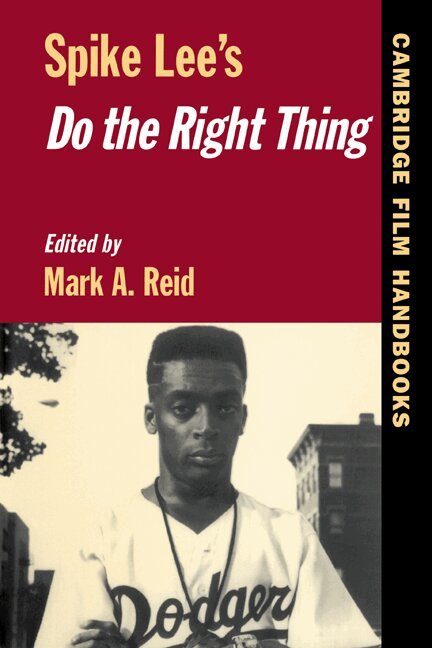
Spike Lee's Do the Right Thing brings together essays, specially written for this edition, that analyse this controversial film from a variety of methodological perspectives. Among the issues examined in this volume are the production history of the film, the use of music, and the urban sociology of New York in the 1980s. Collectively, these essays connect the inter-racial strife of New York as treated in Do the Right Thing with the contemporary social climate and racism in America. Also included are reviews of the film by influential critics, a large selection of production stills, and a complete bibliography.
546 kr
Skickas inom 10-15 vardagar
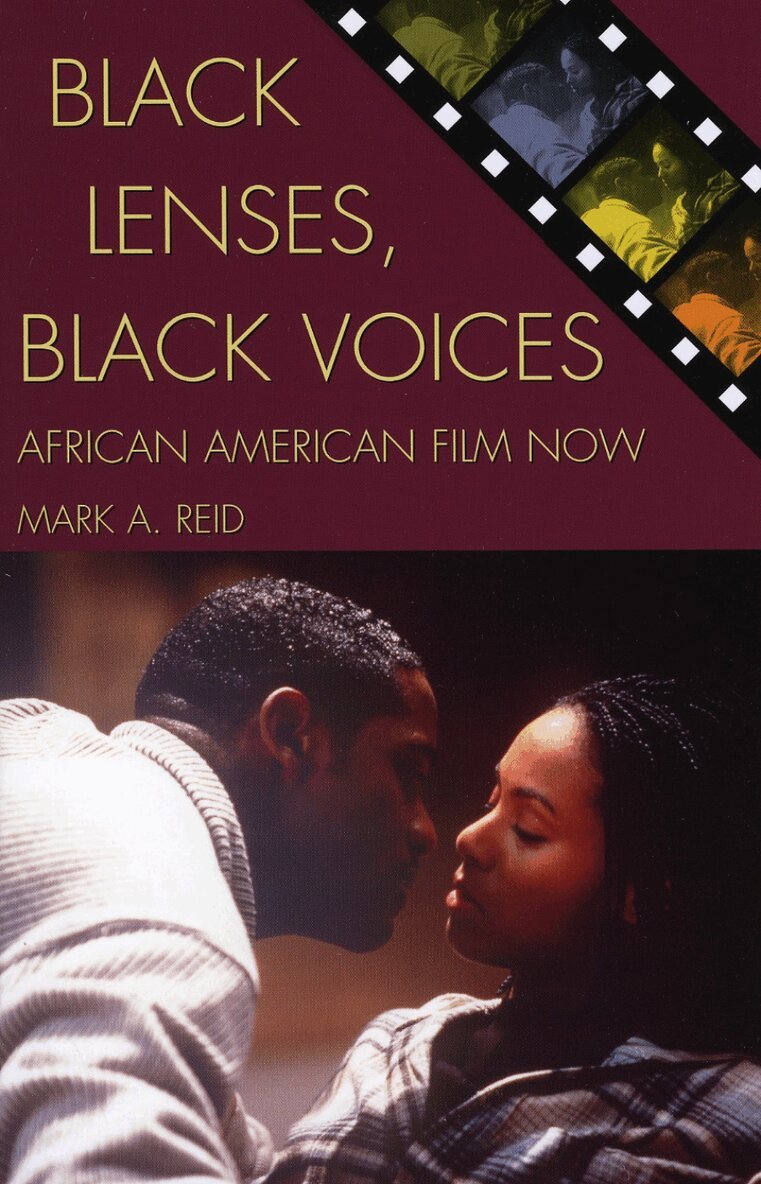
Black Lenses, Black Voices is a provocative look at films directed and written—and sometimes produced—by African Americans, as well as black-oriented films whose directors or screenwriters are not black. Mark Reid shows how certain films dramatize the contemporary African American community as a politically and economically diverse group, vastly different from film representations of the 1960s. Taking us through the development of African American independent filmmaking before and after World War II, he then illustrates the unique nature of African American family, action, horror, female-centered, and independent films, such as Eve's Bayou, Jungle Fever, Shaft, Souls of Sin, Bones, Waiting to Exhale, Monster's Ball, Sankofa, and many more.
1 050 kr
Skickas inom 7-10 vardagar
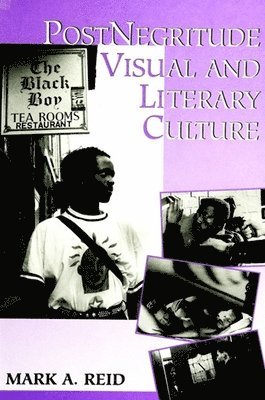
Shows how film, literature, photography, and television news broadcasts construct myths about race, gender, sexuality, and nation and reinforce socialized ways of looking at these identities, and examines how some creative works and public reactions challenge these myths.In the 1960s and 1970s, the civil rights movement and other national and cultural movements fractured dominant paradigms of American identity and demanded a reformulation of American values and norms. This book borrows the moral, ethical, and political purposes of these movements to show how film, literature, photography, and television news broadcasts construct essentialist myths about race, gender, sexuality, and nation. It also examines how some visual and literary works and public reactions challenge these essentialist myths by exploring racial, sexual, and national anxieties.Reid explains how artists such as filmmakers Julie Dash, Spike Lee, and Marlon Riggs, photographers Rotimi Fani-Kayode and Gordon Parks, novelists John A. Williams and Ayi Kwei Armah, playwright Adrienne Kennedy, and poet Bob Kaufman portray the fears of people in the grips of social and psychological change. In each chapter, he explores how an important social issue-black feminism, interracial intimacy, biracial and homosexual identity, and black erotica, for example-is presented in film, literature, and photography. Throughout the book Reid's analysis is driven by a postNegritude understanding of race and cultural identity as a socially acquired and unfixed process rather than a biological fact. By showing how visual and literary artists challenge hegemonies of power through the creative imagination, he challenges monolithic and fixed notions of race, ethnicity, sexuality, gender, religion, and cultural identity.
312 kr
Skickas inom 10-15 vardagar
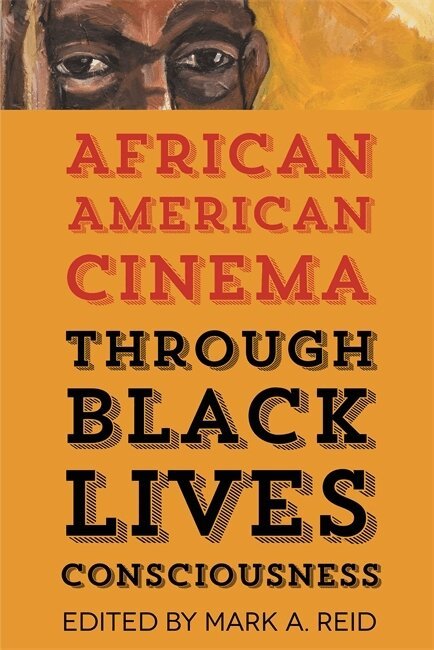
Employs an interdisciplinary critical approach to discuss a selected group of black-oriented films.African American Cinema through Black Lives Consciousness uses critical race theory to discuss American films that embrace contemporary issues of race, sexuality, class, and gender. Its linear history chronicles black-oriented narrative film from post–World War II through the presidential administration of Barack Obama. Editor Mark A. Reid has assembled a stellar list of contributors who approach their film analyses as an intersectional practice that combines queer theory, feminism/womanism, and class analytical strategies alongside conventional film history and theory. Taken together, the essays invigorate a ""Black Lives Consciousness,"" which speaks to the value of black bodies that might be traumatized and those bodies that are coming into being-ness through intersectional theoretical analysis and everyday activism.The volume includes essays such as Gerald R. Butters’s, ""Blaxploitation Film,"" which charts the genre and its uses of violence, sex, and misogyny to provoke a realization of other philosophical and sociopolitical themes that concern intersectional praxis. Dan Flory's ""African-American Film Noir"" explains the intertextual-fictional and socio-ecological-dynamics of black action films. Melba J. Boyd's essay, ""Who's that Nigga on that Nag"": Django Unchained and the Return of the Blaxploitation Hero"", argues that the film provides cultural and historical insight, ""signifi es"" on blackface stereotypes and chastises Hollywood cinema's misrepresentation of slavery. African American Cinema through Black Lives Consciousness embraces varied social experiences within a cinematic Black Lives Consciousness intersectionality.The interdisciplinary quality of the anthology makes it approachable to students and scholars of fields ranging from film to culture to African American studies alike.
909 kr
Skickas inom 10-15 vardagar
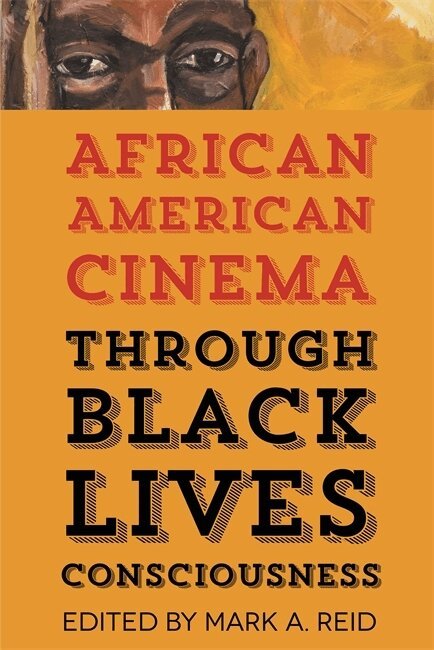
Employs an interdisciplinary critical approach to discuss a selected group of black-oriented films.African American Cinema through Black Lives Consciousness uses critical race theory to discuss American films that embrace contemporary issues of race, sexuality, class, and gender. Its linear history chronicles black-oriented narrative film from post–World War II through the presidential administration of Barack Obama. Editor Mark A. Reid has assembled a stellar list of contributors who approach their film analyses as an intersectional practice that combines queer theory, feminism/womanism, and class analytical strategies alongside conventional film history and theory. Taken together, the essays invigorate a ""Black Lives Consciousness,"" which speaks to the value of black bodies that might be traumatized and those bodies that are coming into being-ness through intersectional theoretical analysis and everyday activism.The volume includes essays such as Gerald R. Butters’s, ""Blaxploitation Film,"" which charts the genre and its uses of violence, sex, and misogyny to provoke a realization of other philosophical and sociopolitical themes that concern intersectional praxis. Dan Flory's ""African-American Film Noir"" explains the intertextual-fictional and socio-ecological-dynamics of black action films. Melba J. Boyd's essay, ""Who's that Nigga on that Nag"": Django Unchained and the Return of the Blaxploitation Hero"", argues that the film provides cultural and historical insight, ""signifi es"" on blackface stereotypes and chastises Hollywood cinema's misrepresentation of slavery. African American Cinema through Black Lives Consciousness embraces varied social experiences within a cinematic Black Lives Consciousness intersectionality.The interdisciplinary quality of the anthology makes it approachable to students and scholars of fields ranging from film to culture to African American studies alike.