Mark B. Garrison - Böcker
Visar alla böcker från författaren Mark B. Garrison. Handla med fri frakt och snabb leverans.
3 produkter
3 produkter
1 433 kr
Skickas inom 5-8 vardagar
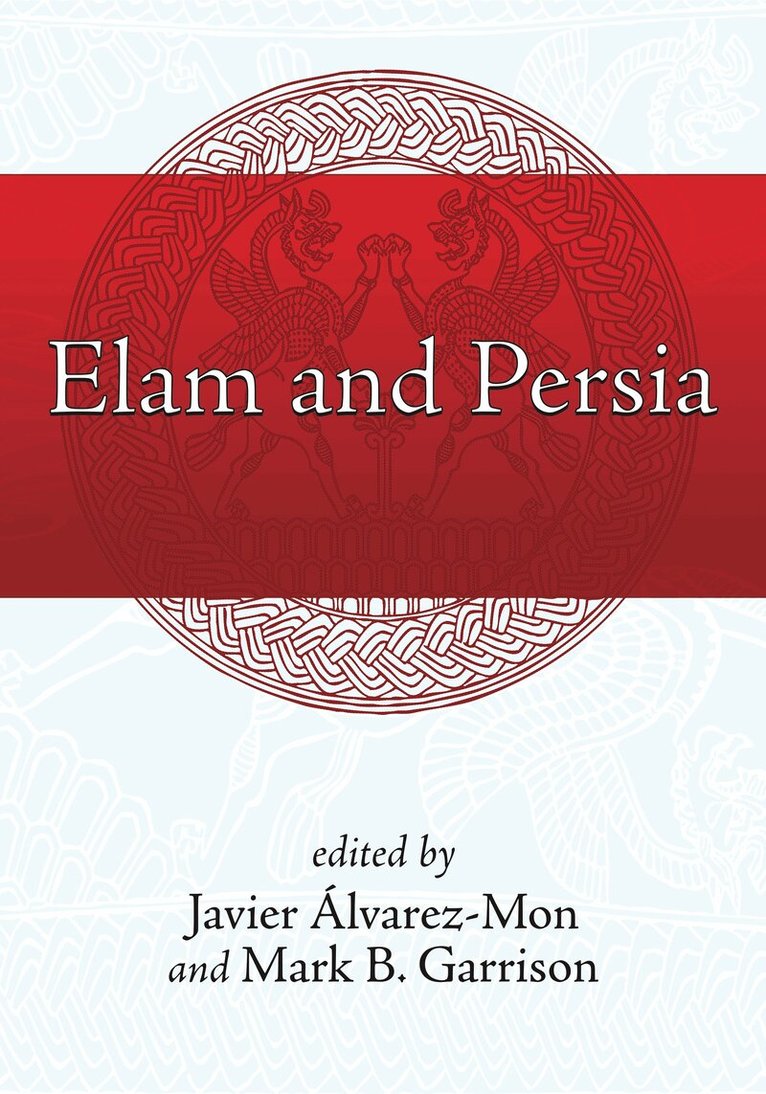
The late 7th and 6th centuries B.C. were a period of tremendous upheaval and change in ancient western Asia, marked by the destruction of the Assyrian Empire, the rise and collapse of the Neo-Babylonian state, and the stunning ascent of what was to become the Achaemenid Persian Empire, the largest polity the world had yet seen. Of the major cultural entities involved in these far-reaching events, Elam has long remained the least understood. The essays contained in this book are part of a continuing reassessment of the nature and significance of Elam in the early 1st millennium B.C., with a focus on the relationship between “Elamite” culture of the Neo-Elamite period and the emerging “Persian” culture in southwestern Iran in the 7th and 6th centuries B.C.The conception of this volume goes back to the 2003 meeting of the American Schools of Oriental Research that took place in Philadelphia, Pennsylvania, where two sessions were dedicated to the rich cultural heritage of ancient Iran. It was also the first time that Iranian archaeology was represented at ASOR since the Iranian Revolution. This volume contains 14 contributions by leading scholars in the discipline, organized into 3 sections: archaeology, texts, and images (art history).The volume is richly illustrated with more than 200 drawings and photographs.
Del 72 - Studies in Ancient Oriental Civilization
Ritual Landscape at Persepolis
Häftad, Engelska, 2017
486 kr
Skickas inom 5-8 vardagar
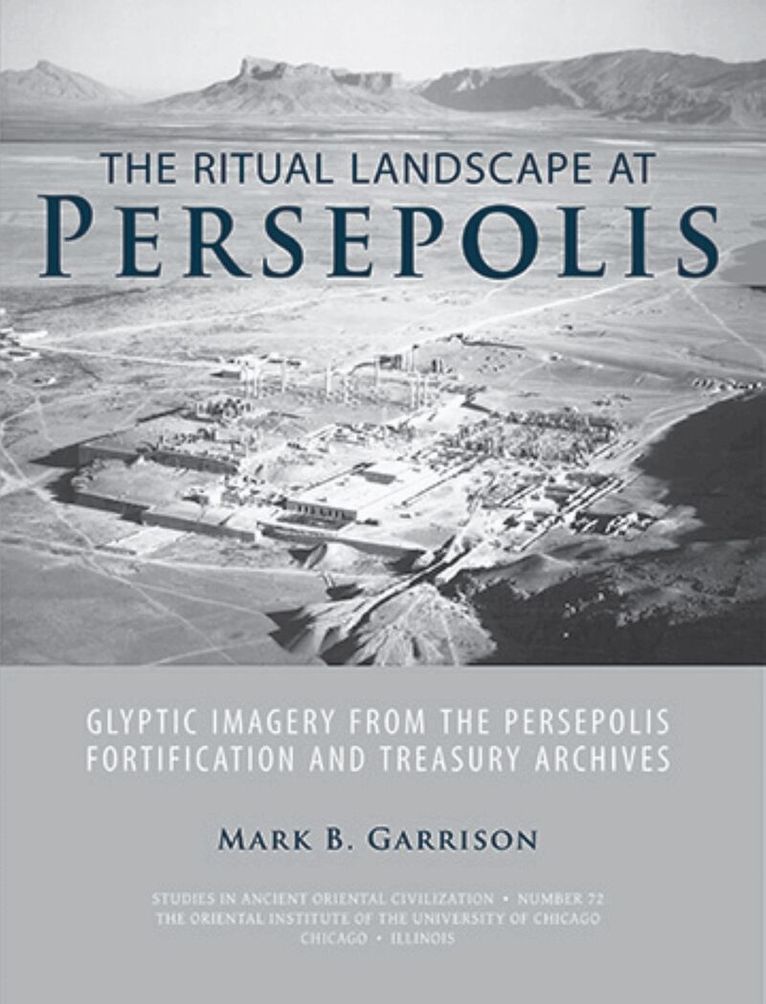
There are, perhaps, no more contentious issues within the study of Achaemenid Persia than those surrounding its religion(s) and religious iconography. Owing to the role that fire plays in Zoroastrian beliefs in later periods in Iran, almost any discussion of the subject of Achaemenid religion will eventually turn to the identification of sacred fire, fire temples, fire worship, and fire altars in the archaeological, epigraphic, and literary records. The focus of this book is a corpus of glyptic imagery preserved as impressions on two large archives of administrative tablets from Persepolis, the Persepolis Fortification archive (509-493 BC) and the Persepolis Treasury archive (492-457 BC). The glyptic imagery here published concerns representations of what have been traditionally termed "fire altars" and/or "fire temples." Most of this glyptic evidence has never been published; many of the structures and the scenes in which they occur are strikingly original.The goals of this study are to introduce a new corpus of visual imagery concerning religious ritual in the Achaemenid period and to explore the significance of this visual language for our understanding of ritual traditions emerging within the heart of the empire at its most critical formative period, the reign of Darius I. This study seeks also to use the Persepolitan glyptic evidence as a springboard to re-visit the most famous "fire altar" depicted in Achaemenid art, that on the tomb relief of Darius I at Naqs-e Rostam. This study is an initial step in the development of a religious topography for the zone encompassing Persepolis and Naqs-e Rostam, both a topography on the imaginary level (through images) and a topography on the physical level (through the built space). The glyptic images assembled in this study are the most numerous, the most visually complex, and the best dated and contextualized evidence that currently exists for the study of fire in ritual, and religious ritual more broadly, in early Achaemenid Iran.
Del 117 - Oriental Institute Publications
Seals on the Persepolis Fortification Tablets, Volume I
Images of Heroic Encounter
Inbunden, Engelska, 2001
2 365 kr
Tillfälligt slut
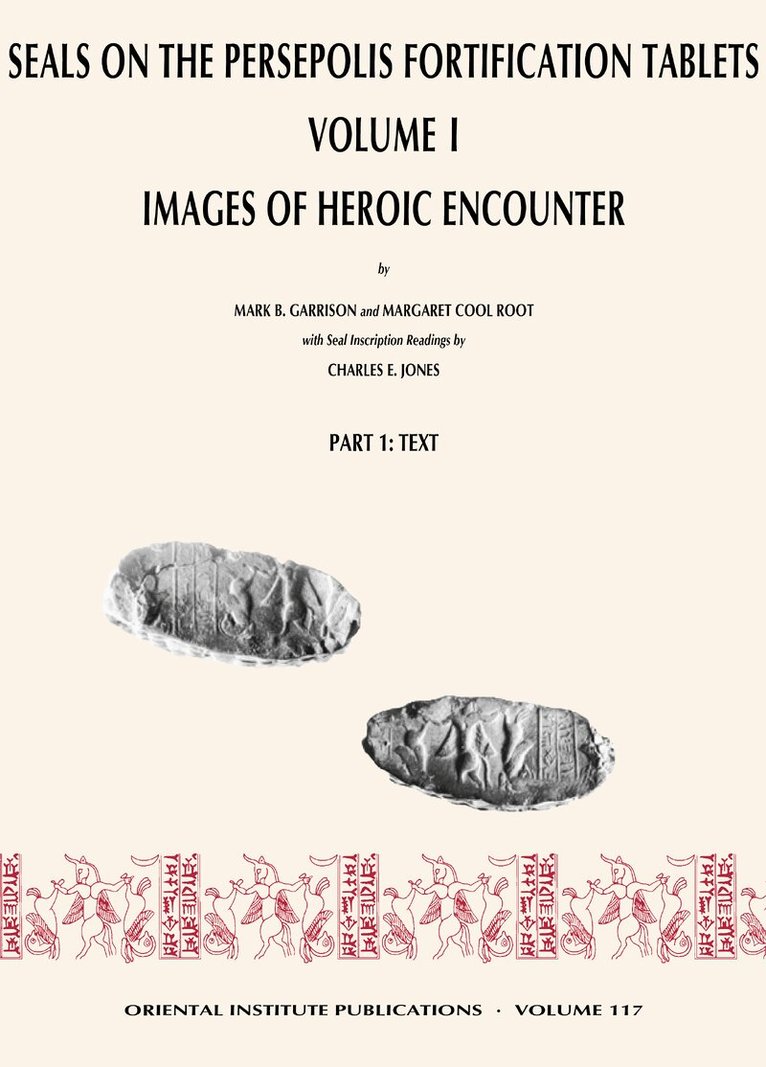
This is the first volume (text and plates) of the analytically legible seals (ca. 1,162) retrieved through many thousands of full or partial impressions preserved on the 2,087 Elamite administrative tablets recovered during the 1930s excavations at Persepolis, Iran, and published by Richard T Hallock (OIP 92) in 1969. The tablets are dated by date formulae in the texts to the years 509-494 BC in the reign of Darius the Great.Volume I introduces the archive and documents the 312 seals of heroic encounter (retrieved via 1,970 impressions) with high quality composite drawings and a separate volume of 291 halftone and line plate illustrations presented at a scale of 2:1. Entries provide commentary on administrative, social, stylistic, and iconographical features of the seals as well as systematic analysis of seal application patterns. The thirty-four seal inscriptions are presented by Charles E Jones. Twelve appendices synthesize formal and iconographical data and integrate the seals with their associated texts.Volume I is in two parts: Part 1: text 562pp; Part 2: plates 1-291 318pp