Mark Blagrove – författare
Visar alla böcker från författaren Mark Blagrove. Handla med fri frakt och snabb leverans.
3 produkter
3 produkter
483 kr
Skickas inom 10-15 vardagar
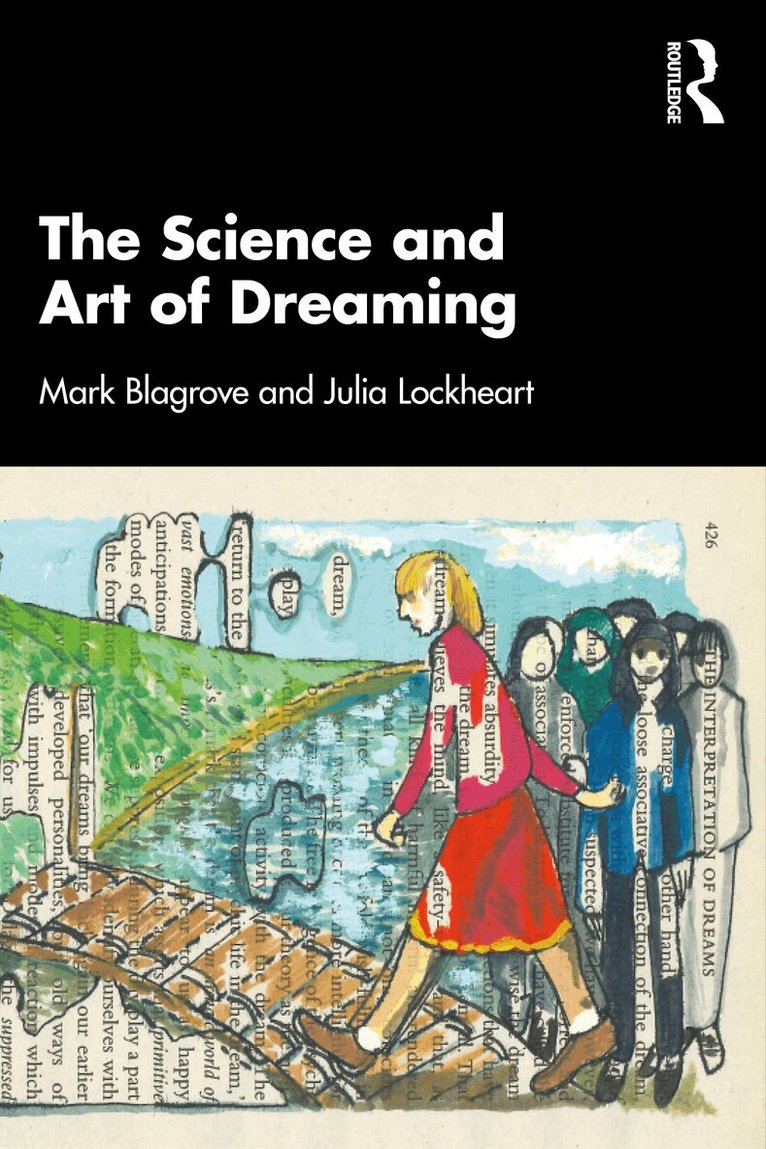
The Science and Art of Dreaming is an innovative text that reviews the neuroscience and psychology of how dreams are produced, how they are recalled and their relationship to waking life events and concerns of the dreamer. Featuring beautiful original artwork based on dream representations, the book delves deeply into what happens when we dream, the works of art we produce when asleep and the relevance of dreaming to science, art and film. The book examines the biological, psychological and social causes of dreaming, and includes recent advances in the study of nightmares and lucid dreaming. It shows how sleep can process memories and that dreams may reflect these processes, but also that dreams can elicit self-disclosure and empathy when they are shared after waking. The playfulness, originality and metaphorical content of dreams also link them to art, and especially to the cultural movement that has most valued dreams – Surrealism. The book details the history of scientific research into dreams, including a re-reading of the two dreams of Freud’s patient, the feminist hero Dora, and also the history of Surrealism and of films that draw on dreams and dream-like processes. Each chapter starts with a dream narrative and accompanying painting of the dream to highlight aspects of each of the chapter themes. This highly engaging book will be relevant to researchers, students and lecturers in the fields of psychology, neuroscience, psychoanalysis, consciousness and social evolution. It will also be of value within the study and practice of visual art, design and film, and will be of interest to the general reader and anyone who holds a personal interest in their own dreams.
1 966 kr
Skickas inom 10-15 vardagar
The Science and Art of Dreaming is an innovative text that reviews the neuroscience and psychology of how dreams are produced, how they are recalled and their relationship to waking life events and concerns of the dreamer. Featuring beautiful original artwork based on dream representations, the book delves deeply into what happens when we dream, the works of art we produce when asleep and the relevance of dreaming to science, art and film. The book examines the biological, psychological and social causes of dreaming, and includes recent advances in the study of nightmares and lucid dreaming. It shows how sleep can process memories and that dreams may reflect these processes, but also that dreams can elicit self-disclosure and empathy when they are shared after waking. The playfulness, originality and metaphorical content of dreams also link them to art, and especially to the cultural movement that has most valued dreams – Surrealism. The book details the history of scientific research into dreams, including a re-reading of the two dreams of Freud’s patient, the feminist hero Dora, and also the history of Surrealism and of films that draw on dreams and dream-like processes. Each chapter starts with a dream narrative and accompanying painting of the dream to highlight aspects of each of the chapter themes. This highly engaging book will be relevant to researchers, students and lecturers in the fields of psychology, neuroscience, psychoanalysis, consciousness and social evolution. It will also be of value within the study and practice of visual art, design and film, and will be of interest to the general reader and anyone who holds a personal interest in their own dreams.
964 kr
Skickas inom 7-10 vardagar
How and why does the sleeping brain generate dreams? Though the question is old, a paradigm shift is now occurring in the science of sleep and dreaming that is making room for new answers. From brainstem-based models of sleep cycle control, research is moving toward combined brainstem/forebrain models of sleep cognition itself. The book presents five papers by leading scientists at the center of the current firmament, and more than seventy-five commentaries on those papers by nearly all of the other leading authorities in the field. Topics include mechanisms of dreaming and REM sleep, memory consolidation in REM sleep, and an evolutionary hypothesis of the function of dreaming. The papers and commentaries, together with the authors' rejoinders, represent a huge leap forward in our understanding of the sleeping and dreaming brain. The book's multidisciplinary perspective will appeal to students and researchers in neuroscience, cognitive science, and psychology.