Mark Cauchi – författare
Visar alla böcker från författaren Mark Cauchi. Handla med fri frakt och snabb leverans.
4 produkter
4 produkter
594 kr
Skickas inom 3-6 vardagar
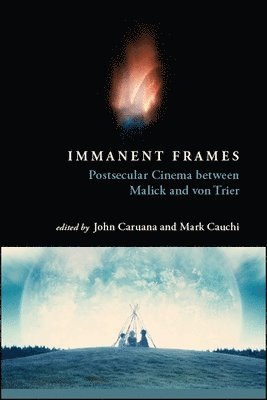
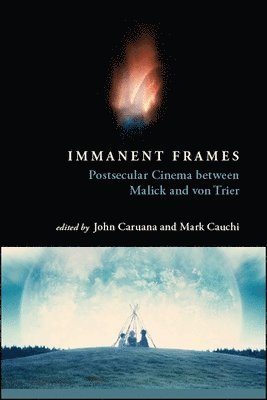
Explores a growing number of films and filmmakers that challenge the strict boundaries between belief and unbelief.For some time now, thinkers across the humanities and social sciences have increasingly called into question the once-dominant view of the relationship between modernity and secularism, prompting some to speak of a "postsecular turn." Until now, film studies has largely been silent about this development, even though cinema itself has been a major vehicle for such reflection. This fact became inescapable in 2011 when Terrence Malick's The Tree of Life and Lars von Trier's Melancholia were released within days of each other. While these two audacious and controversial films present seemingly opposite perspectives-the former a thoughtful meditation on faith, the latter a portrayal of nontriumphalist atheism-together they raise critical questions about transcendence and immanence in modern life. These films are, however, only the most conspicuous of a growing body of works that call forth similar and related questions-what this collection aptly calls "postsecular cinema."Taking the nearly simultaneous release of The Tree of Life and Melancholia as its starting point and framing device, this pioneering collection sets out to establish the idea of postsecular cinema as a distinct body of films and a viable critical category. Adopting a film-philosophy approach, one group of essays examines Malick's and von Trier's films, while another looks at works by Chantal Akerman, Denys Arcand, the Dardenne brothers, and John Michael McDonagh, among others. The volume closes with two important interviews with Luc Dardenne and Jean-Luc Nancy that invite us to reflect more deeply on some of the central concerns of postsecular cinema.
1 057 kr
Tillfälligt slut
Explores a growing number of films and filmmakers that challenge the strict boundaries between belief and unbelief.For some time now, thinkers across the humanities and social sciences have increasingly called into question the once-dominant view of the relationship between modernity and secularism, prompting some to speak of a "postsecular turn." Until now, film studies has largely been silent about this development, even though cinema itself has been a major vehicle for such reflection. This fact became inescapable in 2011 when Terrence Malick's The Tree of Life and Lars von Trier's Melancholia were released within days of each other. While these two audacious and controversial films present seemingly opposite perspectives-the former a thoughtful meditation on faith, the latter a portrayal of nontriumphalist atheism-together they raise critical questions about transcendence and immanence in modern life. These films are, however, only the most conspicuous of a growing body of works that call forth similar and related questions-what this collection aptly calls "postsecular cinema."Taking the nearly simultaneous release of The Tree of Life and Melancholia as its starting point and framing device, this pioneering collection sets out to establish the idea of postsecular cinema as a distinct body of films and a viable critical category. Adopting a film-philosophy approach, one group of essays examines Malick's and von Trier's films, while another looks at works by Chantal Akerman, Denys Arcand, the Dardenne brothers, and John Michael McDonagh, among others. The volume closes with two important interviews with Luc Dardenne and Jean-Luc Nancy that invite us to reflect more deeply on some of the central concerns of postsecular cinema.
394 kr
Skickas inom 10-15 vardagar
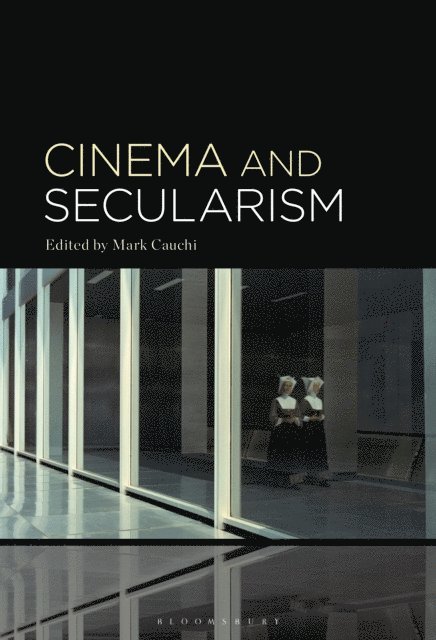
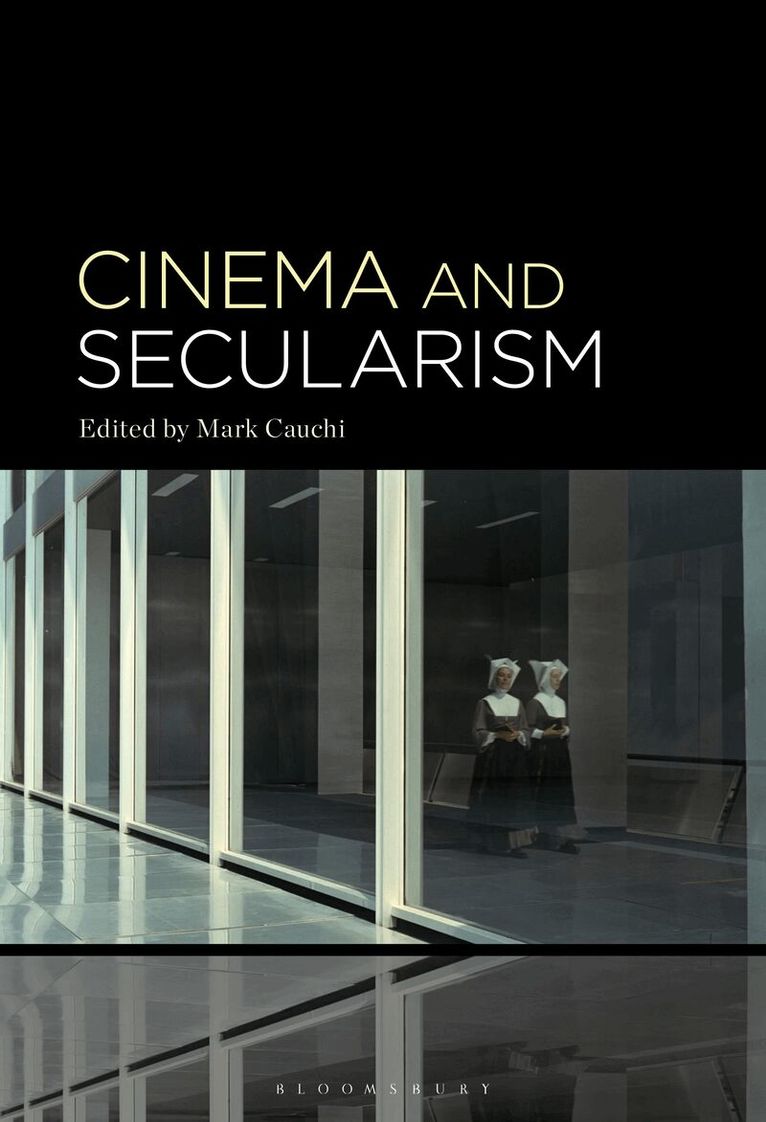
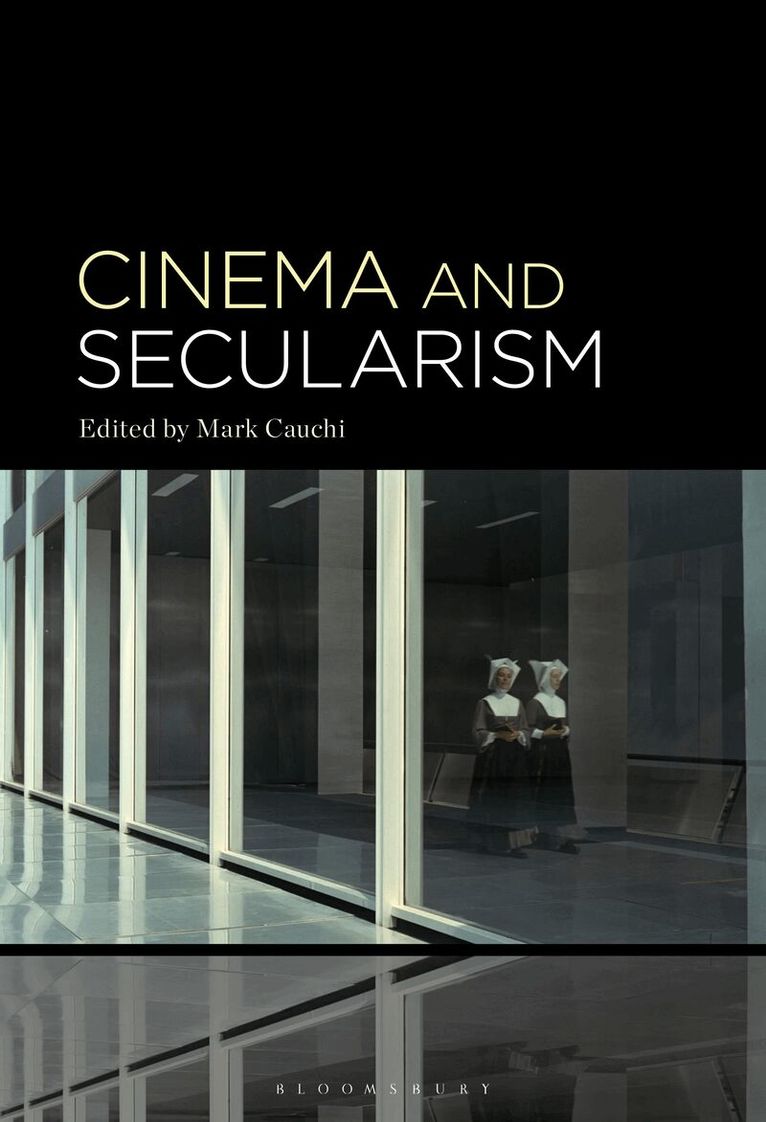
Cinema and Secularism is the first collection to make the relationship between cinema and secularism thematic, utilizing a number of different methodological approaches to examine their identification and differentiation across film theory, film aesthetics, film history, and throughout global cinema.The emergence of moving images and the history of cinema historically coincide with the emergence of secularism as a concept and discourse. More than historically coinciding, however, cinema and secularism would seem to have—and many contemporary theorists and critics seem to assume—a more intrinsic, almost ontological connection to each other. While early film theorists and critics explicitly addressed questions about secularism, religion, and cinema, once the study of film was professionalized and secularized in the Western academy in both film studies and religious studies, explicit and critical attention to the relationship between cinema and secularism rapidly declined. Indeed, if one canvases film scholarship today, one will find barely any works dedicated to thinking critically about the relationship between cinema and secularism. Extending the recent “secular turn” in the humanities and social sciences, Cinema and Secularism provokes critical reflection on its titular concepts. Making contributions to theory, philosophy, criticism, and history, the chapters in this pioneering volume collectively interrogate the assumption that cinema is secular, how secularism is conceived and related to cinema differently in different film cultures, and whether the world is disenchanted or enchanted in cinema. Coming from intellectually diverse backgrounds in film studies, religious studies, and philosophy, the interdisciplinary contributors to this book cover films and traditions of thought from America, Europe, Africa, the Middle East, South Asia, and East Asia. In these ways, Cinema and Secularism opens new areas of inquiry in the study of film and contributes to the ongoing interrogation of secularism more broadly.
1 276 kr
Skickas inom 10-15 vardagar
Cinema and Secularism is the first collection to make the relationship between cinema and secularism thematic, utilizing a number of different methodological approaches to examine their identification and differentiation across film theory, film aesthetics, film history, and throughout global cinema.The emergence of moving images and the history of cinema historically coincide with the emergence of secularism as a concept and discourse. More than historically coinciding, however, cinema and secularism would seem to have—and many contemporary theorists and critics seem to assume—a more intrinsic, almost ontological connection to each other. While early film theorists and critics explicitly addressed questions about secularism, religion, and cinema, once the study of film was professionalized and secularized in the Western academy in both film studies and religious studies, explicit and critical attention to the relationship between cinema and secularism rapidly declined. Indeed, if one canvases film scholarship today, one will find barely any works dedicated to thinking critically about the relationship between cinema and secularism. Extending the recent “secular turn” in the humanities and social sciences, Cinema and Secularism provokes critical reflection on its titular concepts. Making contributions to theory, philosophy, criticism, and history, the chapters in this pioneering volume collectively interrogate the assumption that cinema is secular, how secularism is conceived and related to cinema differently in different film cultures, and whether the world is disenchanted or enchanted in cinema. Coming from intellectually diverse backgrounds in film studies, religious studies, and philosophy, the interdisciplinary contributors to this book cover films and traditions of thought from America, Europe, Africa, the Middle East, South Asia, and East Asia. In these ways, Cinema and Secularism opens new areas of inquiry in the study of film and contributes to the ongoing interrogation of secularism more broadly.