Mark Kramer – författare
Visar alla böcker från författaren Mark Kramer. Handla med fri frakt och snabb leverans.
19 produkter
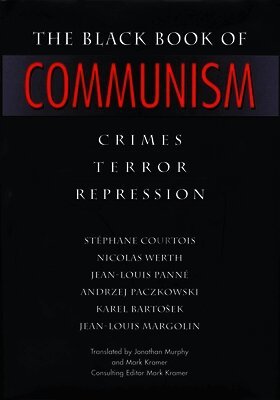
Black Book of Communism
Crimes, Terror, Repression
Av Stéphane Courtois, Nicolas Werth m. fl.
Inbunden, 1999
4,7 utav 5 stjärnor. Totalt antal röster: (3)
635 kr
Lägg i varukorg
Already famous throughout Europe, this international bestseller plumbs recently opened archives in the former Soviet bloc to reveal the actual, practical accomplishments of Communism around the world: terror, torture, famine, mass deportations, and massacres. Astonishing in the sheer detail it …
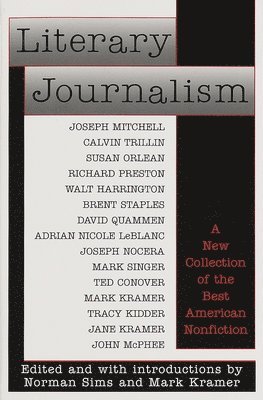
Literary Journalism: A New Collection of the Best American Nonfiction
Häftad, 1995
287 kr
Lägg i varukorg
Telling True Stories
A Nonfiction Writers' Guide from the Nieman Foundation at Harvard University
Häftad, 2007
222 kr
Lägg i varukorg
Interested in journalism and creative writing and want to write a book? Read inspiring stories and practical advice from America’s most respected journalists. The country’s most prominent journalists and nonfiction authors gather each year at Harvard’s Nieman Conference on Narrative Journalism. …
Domes
The Discovery
Av Mark Kramer
E-bok, 2020
157 kr
Lägg i varukorg
500,000 years before ancient men lit fire, alien beings, possessed of technology beyond all comprehension, discovered planet earth. What they found and had been seeking, was a bounty of resources: water, minerals, food, plants, and animals. Their discovery warranted an investment in engineering and …
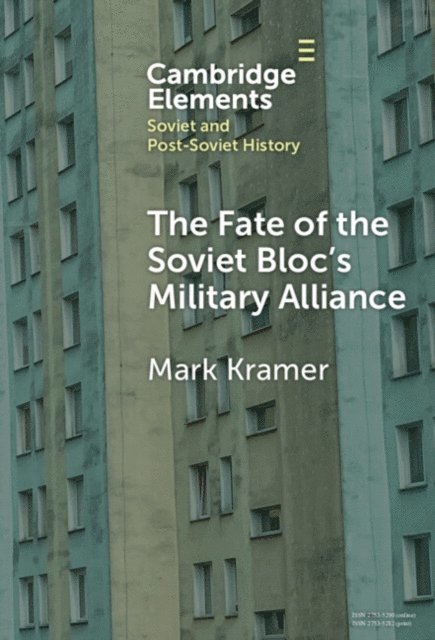
The Fate of the Soviet Bloc's Military Alliance
Reform, Adaptation, and Collapse of the Warsaw Pact, 1985-1991
Av Mark Kramer
Häftad, 2025
308 kr
Lägg i varukorg
When Mikhail Gorbachev became the leader of the Soviet Union in 1985, the Warsaw Pact was a robust military alliance. It was capable of waging a large-scale war in Europe and was an instrument of Soviet hegemony in Eastern Europe, keeping orthodox Communist regimes in power. The alliance over the …
Fate of the Soviet Bloc's Military Alliance
Reform, Adaptation, and Collapse of the Warsaw Pact, 1985-1991
Av Mark Kramer
E-bok, 2025
303 kr
Lägg i varukorg
Fate of the Soviet Bloc's Military Alliance
Reform, Adaptation, and Collapse of the Warsaw Pact, 1985-1991
Av Mark Kramer
E-bok, 2025
303 kr
Lägg i varukorg
The Fate of the Soviet Bloc's Military Alliance
Reform, Adaptation, and Collapse of the Warsaw Pact, 1985-1991
Av Mark Kramer
Inbunden, 2025
911 kr
Lägg i varukorg
When Mikhail Gorbachev became the leader of the Soviet Union in 1985, the Warsaw Pact was a robust military alliance. It was capable of waging a large-scale war in Europe and was an instrument of Soviet hegemony in Eastern Europe, keeping orthodox Communist regimes in power. The alliance over the …
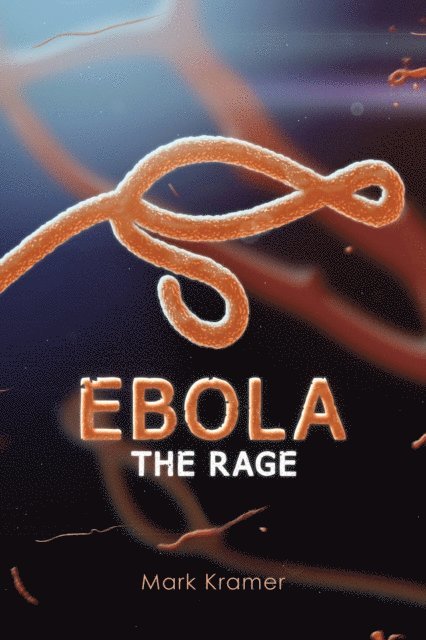
Ebola: The Rage
Av Mark Kramer
E-bok, 2021
180 kr
Lägg i varukorg
A flu virus emerges in Mumbai, India. For weeks, no one is concerned. After all, the flu appears every year. But this virus is different. It has one unusual symptom. Some of those infected with the virus become enraged. They become violent and destructive. As the virus progresses, the Rage, as it …
Telling True Stories
A Nonfiction Writers'' Guide from the Nieman Foundation at Harvard University
E-bok, 2007
209 kr
Lägg i varukorg
Inspiring stories and practical advice from America’s most respected journalists The country’s most prominent journalists and nonfiction authors gather each year at Harvard’s Nieman Conference on Narrative Journalism. Telling True Stories presents their best advice—covering everything from finding …
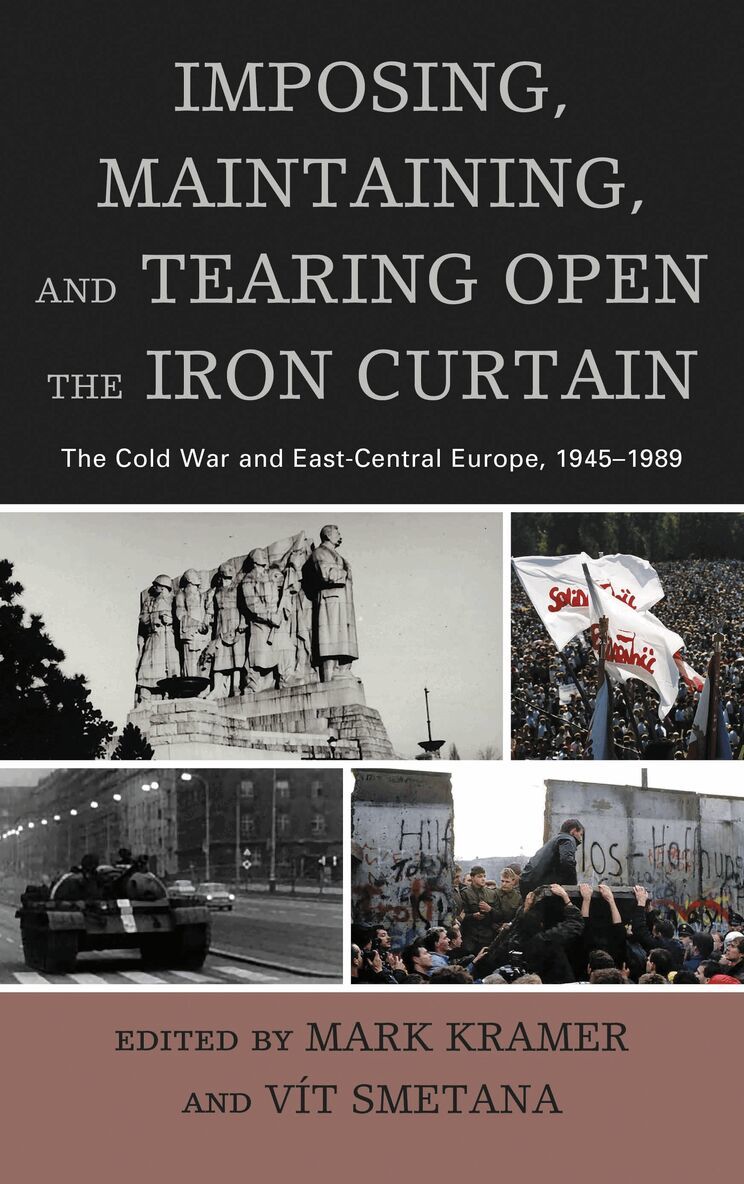
Imposing, Maintaining, and Tearing Open the Iron Curtain
The Cold War and East-Central Europe, 1945–1989
Häftad, 2015
956 kr
Lägg i varukorg
The Cold War began in Europe in the mid-1940s and ended there in 1989. Notions of a “global Cold War” are useful in describing the wide impact and scope of the East-West divide after World War II, but first and foremost the Cold War was about the standoff in Europe. The Soviet Union established a …
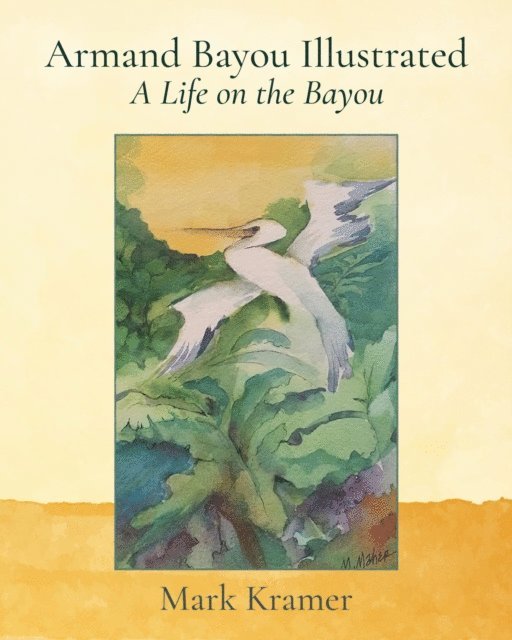
Armand Bayou Illustrated A Life on the Bayou
Av Mark Kramer
E-bok, 2021
390 kr
Lägg i varukorg
Armand Bayou Illustrated - A Life on the Bayou is the story of a person and a place. It is a naturalist''s chronicle exploring the local ecology and natural history of the Bayou City''s most beautifully preserved waterway. It offers a unique perspective into the natural world and its wildlife from …
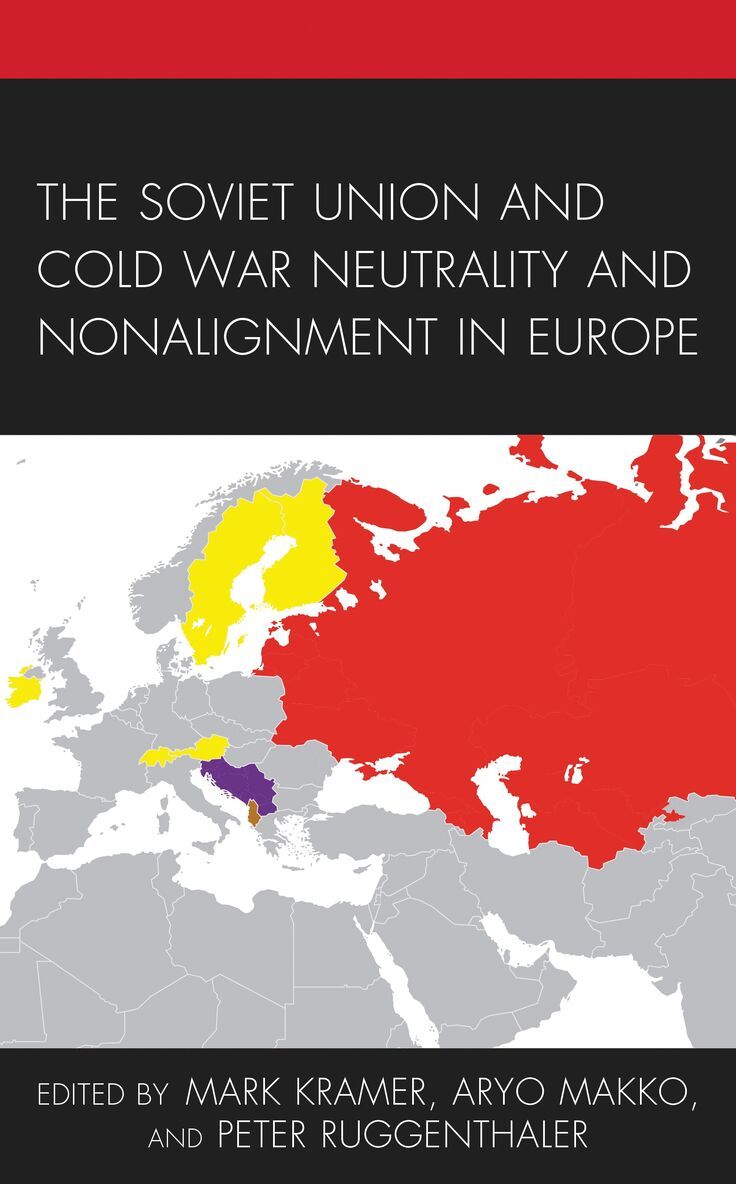
Soviet Union and Cold War Neutrality and Nonalignment in Europe
Av Mark Kramer, Aryo Makko m. fl.
Inbunden, 2021
2051 kr
Lägg i varukorg
The Soviet Union and Cold War Neutrality and Nonalignment in Europe examines how the neutral European countries and the Soviet Union interacted after World War II. Amid the Cold War division of Europe into Western and Eastern blocs, several long-time neutral countries abandoned neutrality and …
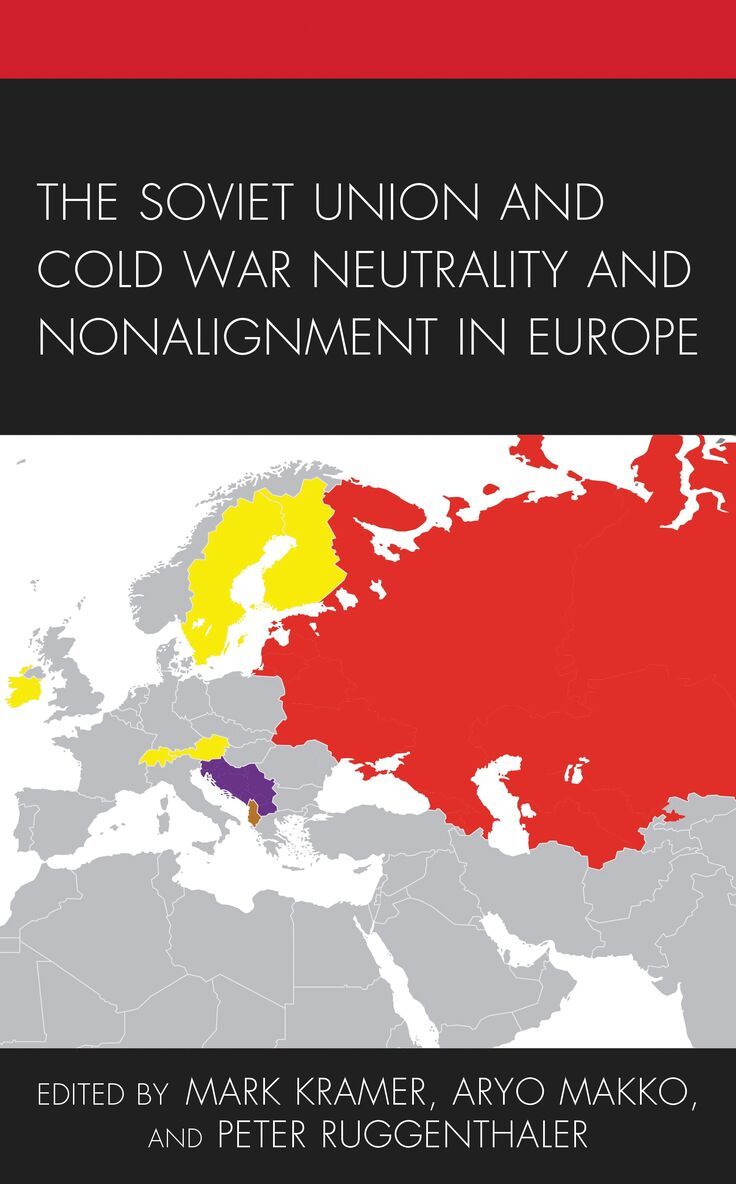
Soviet Union and Cold War Neutrality and Nonalignment in Europe
Av Mark Kramer, Aryo Makko m. fl.
Häftad, 2022
737 kr
Lägg i varukorg
The Soviet Union and Cold War Neutrality and Nonalignment in Europe examines how the neutral European countries and the Soviet Union interacted after World War II. Amid the Cold War division of Europe into Western and Eastern blocs, several long-time neutral countries abandoned neutrality and …
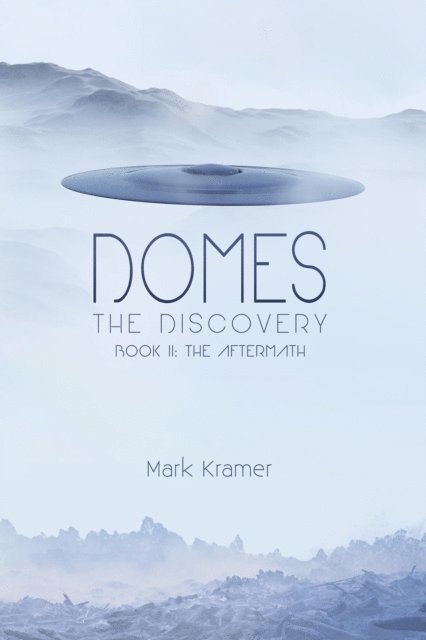
Domes The Discovery
Book II: The Aftermath
Av Mark Kramer
E-bok, 2023
157 kr
Lägg i varukorg
When Earth Dimension 2 is threatened by aliens, Dr. Farrow enlists a small group of enhanced humans to engage them. War ensues.