Mark Peffley - Böcker
Visar alla böcker från författaren Mark Peffley. Handla med fri frakt och snabb leverans.
4 produkter
4 produkter
879 kr
Skickas inom 5-8 vardagar
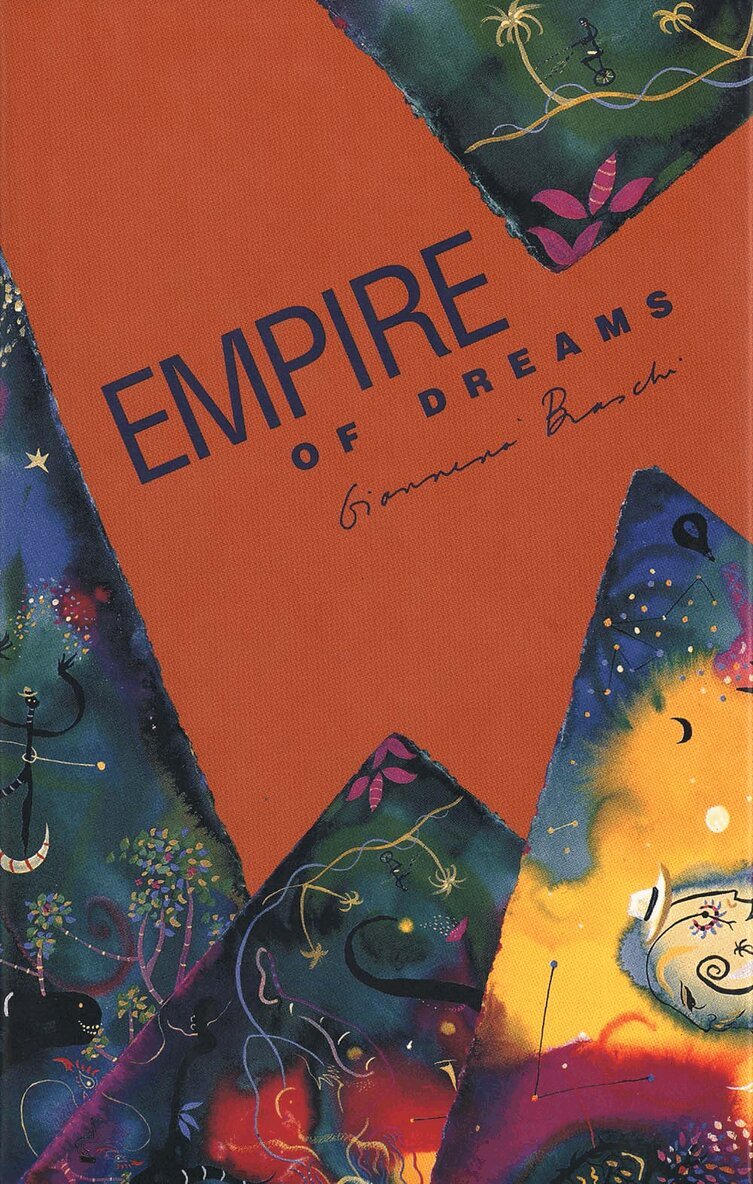
Straddling the line between fiction and poetry, Empire of Dreams speaks of Puerto Rican poet Giannina Braschi's love affair with New York City—her imagined social, political, erotic, and linguistic relationships to the place that has acted as a magnet to Puerto Ricans for so many years.The work deals with issues of performance, gender ambiguity, and marginality. It is concerned with the boundaries of language and the possibilities of cross-dressing poetry as commercials, diary, tabloids, gossip, confessions, videos, autobiography, musicals, and manifesto. Characters turn into other characters. Clowns, buffoons, shepherds, lead soldiers, magicians, madmen, witches, fortune-tellers, and artists perform their fantasies in the city streets. An antinovel within the book satirizes the writer's role in the modern age and calls for a revolution of poetry. New York City becomes the site of liberation for its marginal citizens, as the narrator is led through a seeming phantasmagoria of internal and external trials in order to experience the center—of political power, of meaning, of feeling, and of personal identity.
799 kr
Skickas inom 5-8 vardagar
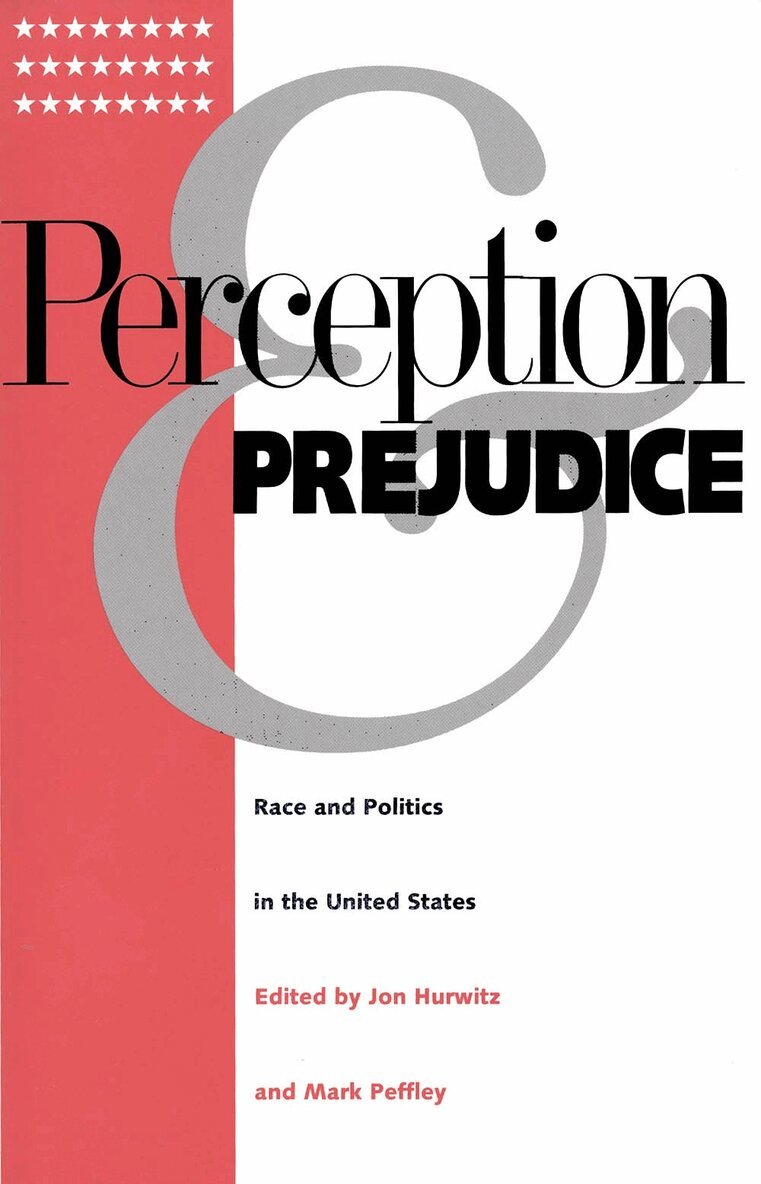
Based on one of the most extensive scientific surveys of race ever conducted, this book investigates the relationship between racial perceptions and policy choices in America. The contributors—leading scholars in the fields of public opinion, race relations, and political behavior—clarify and explore images of African-Americans that white Americans hold and the complex ways that racial stereotypes shape modern political debates about such issues as affirmative action, housing, welfare, and crime.The authors make use of the largest national study of public opinion on racial issues in more than a generation—the Race and Politics Study (RPS) conducted by the Survey Research Center at the University of California. The RPS employed methodological improvements made possible by Computer Assisted Telephone Interviewing, a technique that enables analysts to combine the internal validity of laboratory experiments with the external validity of probability sampling. Taking full advantage of these research methods, the authors offer highly nuanced analyses of subjects ranging from the sources of racial stereotypes to the racial policy preferences of Democrats and Republicans to the reasons for resistance to affirmative action. Their findings indicate that while crude and explicit forms of racial prejudice may have declined in recent decades, racial stereotypes persist among many whites and exert a powerful influence on the ways they view certain public policies.
1 034 kr
Skickas inom 7-10 vardagar
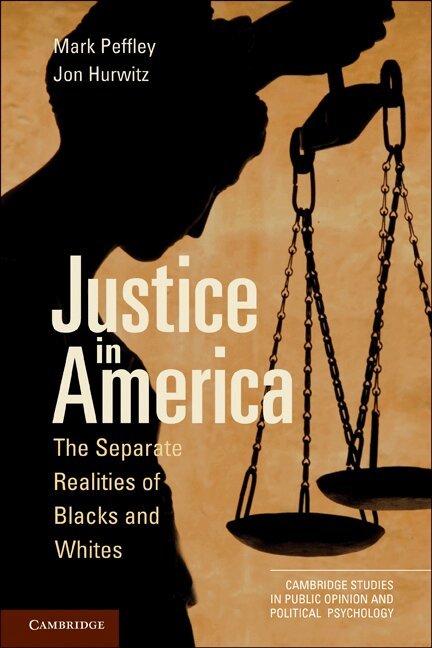
As reactions to the O. J. Simpson verdict, the Rodney King beating, and the Amadou Diallo killing make clear, whites and African Americans in the United States inhabit two different perceptual worlds, with the former seeing the justice system as largely fair and color blind and the latter believing it to be replete with bias and discrimination. The authors tackle two important questions in this book: what explains the widely differing perceptions, and why do such differences matter? They attribute much of the racial chasm to the relatively common personal confrontations that many blacks have with law enforcement - confrontations seldom experienced by whites. More importantly, the authors demonstrate that this racial chasm is consequential: it leads African Americans to react much more cynically to incidents of police brutality and racial profiling, and also to be far more skeptical of punitive anti-crime policies ranging from the death penalty to three-strikes laws.
334 kr
Skickas inom 7-10 vardagar
As reactions to the O. J. Simpson verdict, the Rodney King beating, and the Amadou Diallo killing make clear, whites and African Americans in the United States inhabit two different perceptual worlds, with the former seeing the justice system as largely fair and color blind and the latter believing it to be replete with bias and discrimination. The authors tackle two important questions in this book: what explains the widely differing perceptions, and why do such differences matter? They attribute much of the racial chasm to the relatively common personal confrontations that many blacks have with law enforcement - confrontations seldom experienced by whites. More importantly, the authors demonstrate that this racial chasm is consequential: it leads African Americans to react much more cynically to incidents of police brutality and racial profiling, and also to be far more skeptical of punitive anti-crime policies ranging from the death penalty to three-strikes laws.