Mark S. Frankel - Böcker
Visar alla böcker från författaren Mark S. Frankel. Handla med fri frakt och snabb leverans.
2 produkter
2 produkter
295 kr
Tillfälligt slut
The Human Genome Project, discoveries in molecular biology and new reproductive technologies have advanced our understanding of how genetic science may be used to treat persons with genetic disorders. Greater knowledge may also make possible genetic interventions to "enhance" normal human characteristics, such as height, hair or eye colour, strength, or memory, as well as the transmittal of such modifications to future generations. The prospect of inheritable genetic modifications, or IGMs, whether for therapeutic or enhancement purposes, raises complex scientific, ethical and regulatory issues. This volume presents 20 essays by physicians, scientists, philosophers, theologians, lawyers and policy analysts addressing these issues from diverse perspectives. In three sections, the authors discuss the short- and long-term scientific feasibility of IGM technology; ethical and religious issues related to safety, justice, morality, reproductive rights, and enhancement; and regulatory issues including the necessity of public input and oversight and the influence of commercialization.Their goal is to open a dialogue engaging not only scholars and scientists but also government officials and concerned citizens. The authors conclude that while IGM cannot be carried out safely and responsibly on humans utilizing current methods, it is important to begin public discussion now to determine whether, and if so how, to proceed.
1 498 kr
Skickas inom 10-15 vardagar
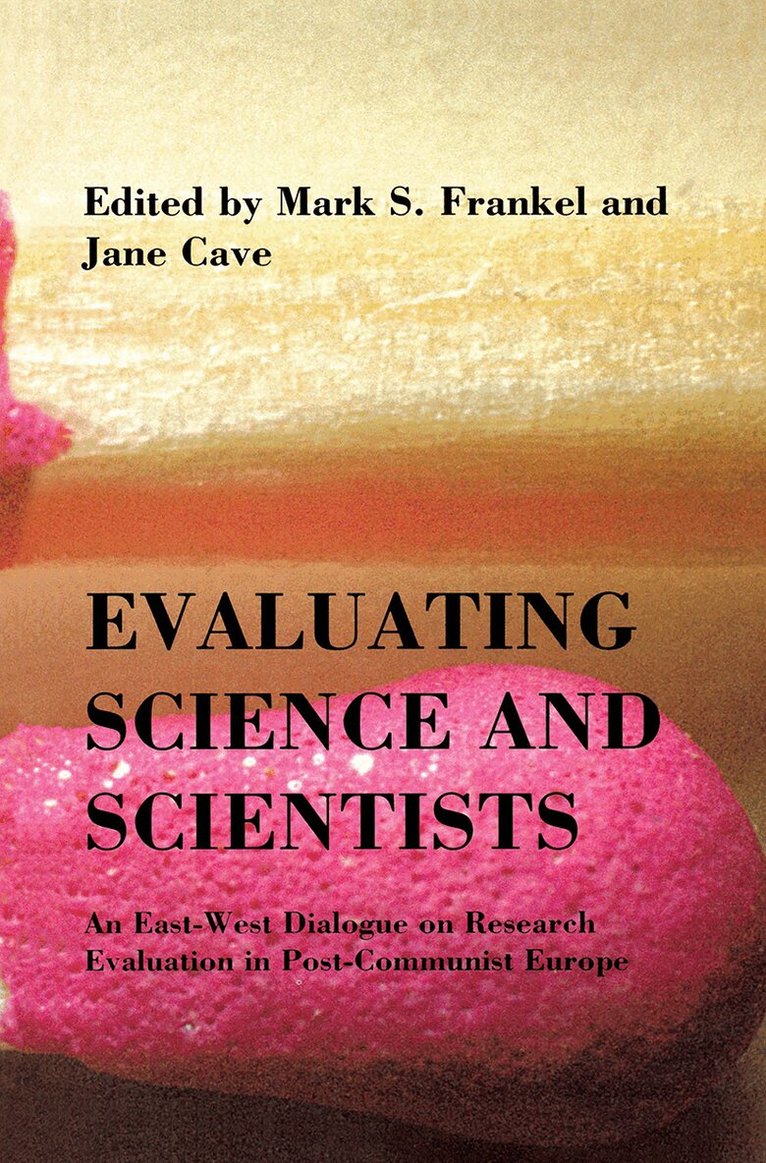
The shift to a market economy in post-communist Eastern Europe has had a profound impact on science and scientists across the region, leading to reforms in research management practices and to drastic cuts in funding levels everywhere. Many countries are moving to a system of competitive research grants awarded on the basis of peer review. The introduction of peer review is not simply a technical matter. It signifies a fundamental change in the social structure of science, enhancing profession-al autonomy and giving working scientists a voice in the allocation of resources. This book combines first-hand accounts of the reform process with analyses of the strengths and weaknesses of both peer review and quantitative indicators.