Mark Shiel – författare
Visar alla böcker från författaren Mark Shiel. Handla med fri frakt och snabb leverans.
8 produkter
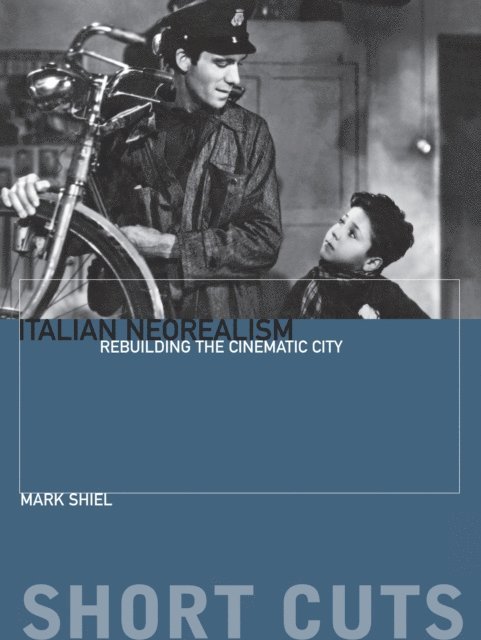
Italian Neorealism
Rebuilding the Cinematic City
Av Mark Shiel
E-bok, 2006
289 kr
Lägg i varukorg
Italian Neorealism: Rebuilding the Cinematic City is a valuable introduction to one of the most influential of film movements. Exploring the roots and causes of neorealism, particularly the effects of the Second World War, as well as its politics and style, Mark Shiel examines the portrayal of the …
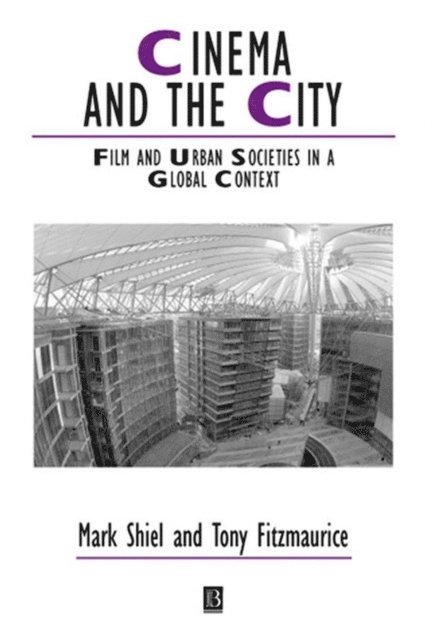
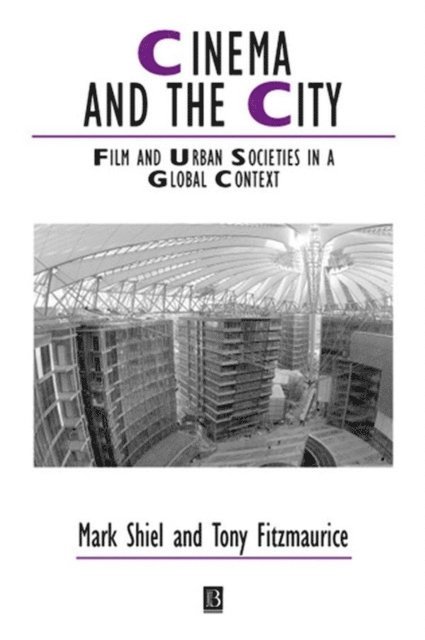
Cinema and the City
Film and Urban Societies in a Global Context
Av Tony Fitzmaurice, Mark Shiel
E-bok, 2008
957 kr
Lägg i varukorg
This book brings together the literature of urban sociology and film studies to explore new analytical and theoretical approaches to the relationship between cinema and the city, and to show how these impact on the realities of life in urban societies.
Cinema and the City
Film and Urban Societies in a Global Context
Av Shiel, Mark Shiel m. fl.
Häftad, 2001
371 kr
Lägg i varukorg
This book brings together the literature of urban sociology and film studies to explore new analytical and theoretical approaches to the relationship between cinema and the city, and to show how these impact on the realities of life in urban societies.
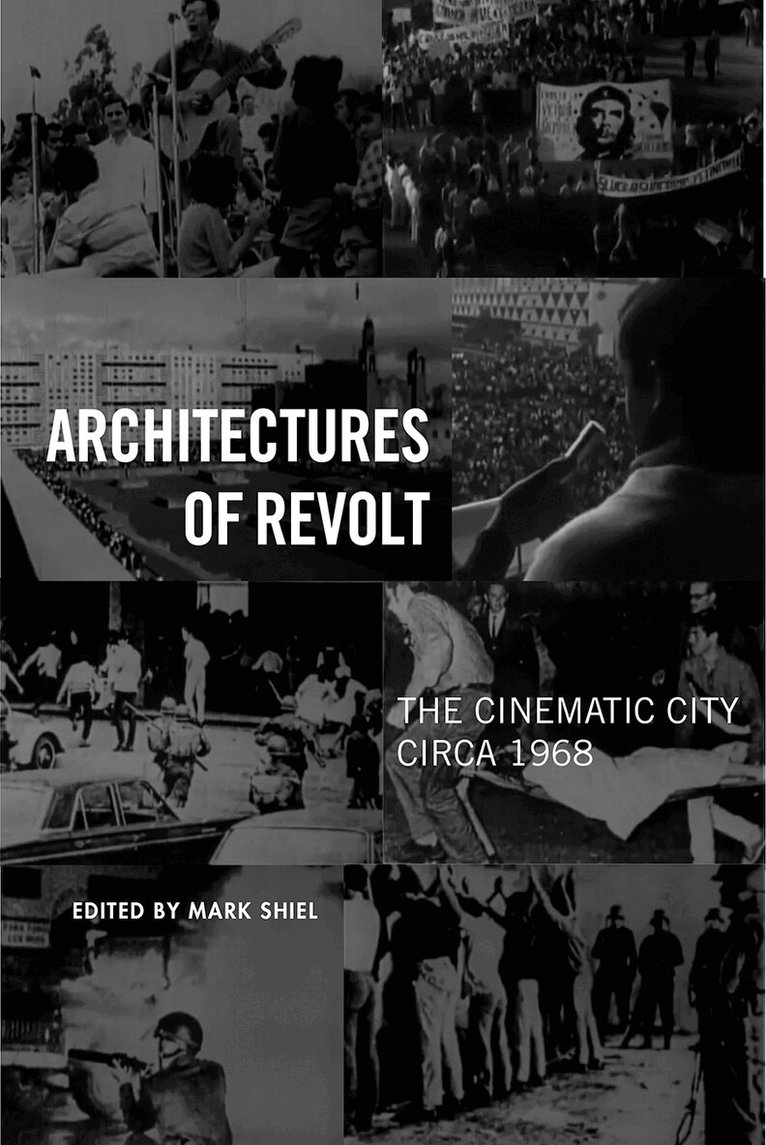
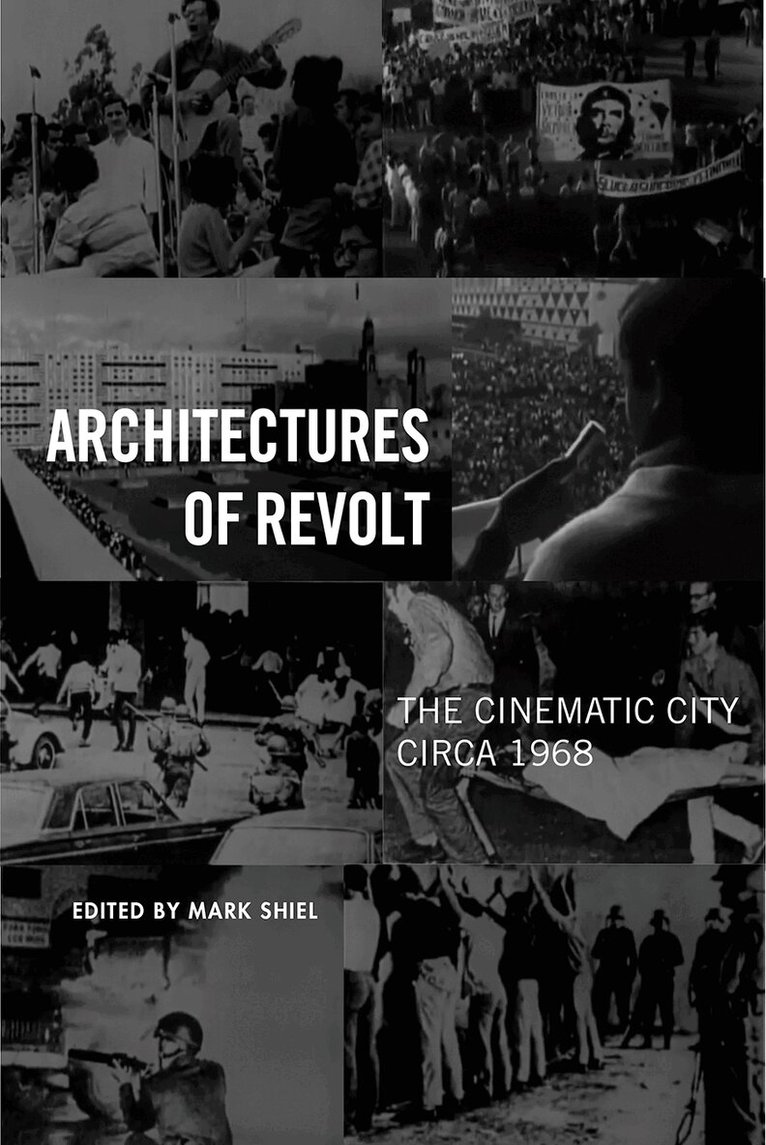
Architectures of Revolt
The Cinematic City Circa 1968
Av Mark Shiel
Inbunden, 2018
1164 kr
Lägg i varukorg
Coinciding with the fiftieth anniversary of the worldwide mass protest movements of 1968-against war, imperialism, racism, poverty, misogyny, and homophobia-the exciting anthology Architectures of Revolt explores the degree to which the real events of political revolt in the urban landscape in 1968 …
Architectures of Revolt
The Cinematic City Circa 1968
Av Mark Shiel
Häftad, 2018
413 kr
Lägg i varukorg
Coinciding with the fiftieth anniversary of the worldwide mass protest movements of 1968-against war, imperialism, racism, poverty, misogyny, and homophobia-the exciting anthology Architectures of Revolt explores the degree to which the real events of political revolt in the urban landscape in 1968 …
Cinema and the City
Film and Urban Societies in a Global Context
Av Tony Fitzmaurice, Mark Shiel
E-bok, 2011
424 kr
Lägg i varukorg
This book brings together the literature of urban sociology and film studies to explore new analytical and theoretical approaches to the relationship between cinema and the city, and to show how these impact on the realities of life in urban societies.
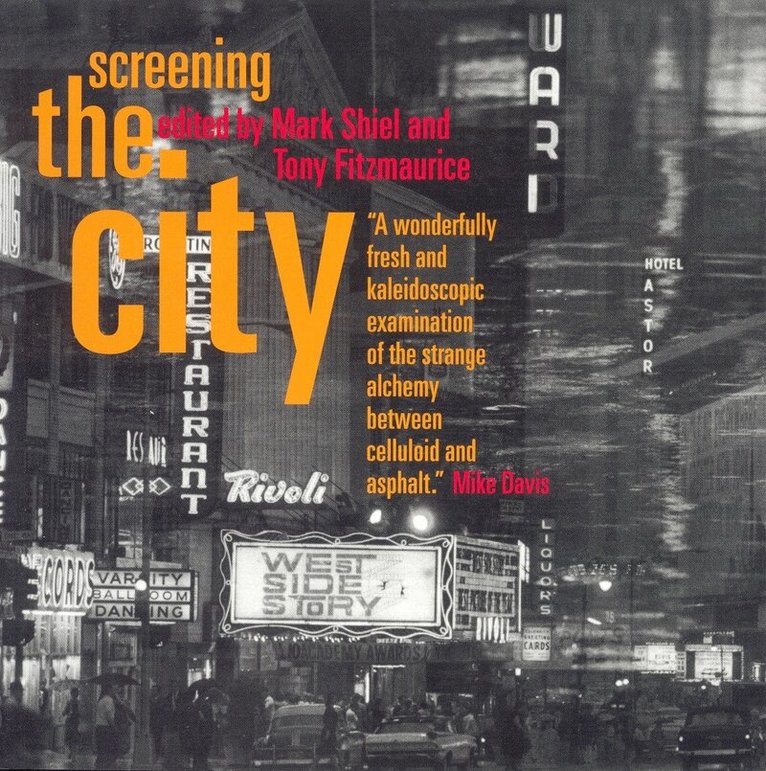
Screening the City
Av Mark Shiel, Tony Fitzmaurice
Häftad, 2003
325 kr
Lägg i varukorg
The city has long been an important location for film-makers. Visually compelling and always "modern," it is the perfect metaphor for man's place in the contemporary world.In this provocative collection of essays, a diverse range of films are examined in terms of the relationship between cinema and …