Mark Stout - Böcker
Visar alla böcker från författaren Mark Stout. Handla med fri frakt och snabb leverans.
11 produkter
11 produkter
495 kr
Skickas
A comparative international perspective challenges conventional narratives about unacknowledged intervention"Covert action" is generally understood as politically motivated and plausibly deniable interference by one state in the affairs of another state. It includes propaganda, political or economic subversion, paramilitary action, and assassinations. Covert action is the most consequential and controversial form of secret statecraft, and it has become a ubiquitous feature of international politics. However, it is often sensationalized or seen through a narrow, US-centric lens.Covert Action challenges this conventional narrative and redefines secret statecraft by offering a groundbreaking comparative international perspective that explores the practice of unacknowledged intervention across twenty countries and a range of eras. Bringing together leading scholars from around the world, this volume moves beyond the American, and wider, anglosphere perspectives to examine covert action practices across states, regime types, and time.This book will be important reading for historians, political scientists, and policymakers, and it provides a foundational study of the hidden mechanisms of international power. It takes a global perspective and thus transforms the understanding of how nations truly interact behind the scenes, revealing covert action as a complex form of international statecraft.
655 kr
Skickas inom 7-10 vardagar
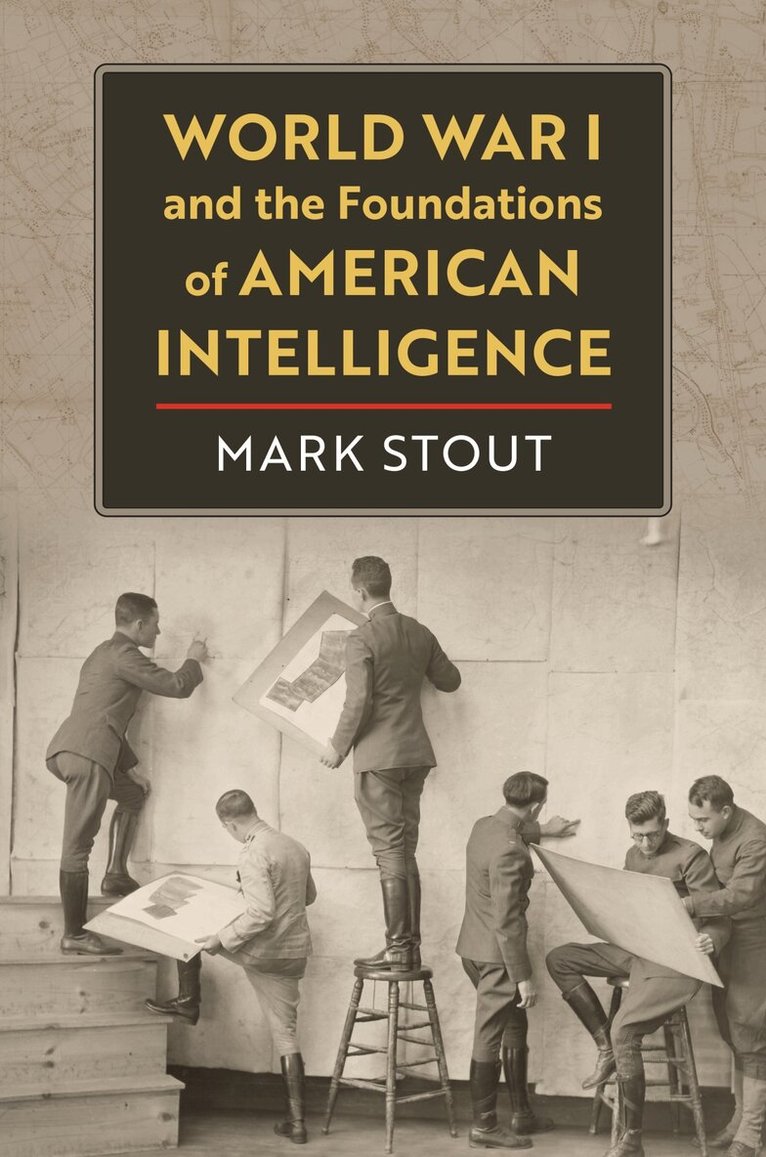
Ask an American intelligence officer to tell you when the country started doing modern intelligence and you will probably hear something about the Office of Strategic Services in World War II or the National Security Act of 1947 and the formation of the Central Intelligence Agency. What you almost certainly will not hear is anything about World War I. In World War I and the Foundations of American Intelligence, Mark Stout establishes that, in fact, World War I led to the realization that intelligence was indispensable in both wartime and peacetime.After a lengthy gestation that started in the late nineteenth century, modern American intelligence emerged during World War I, laying the foundations for the establishment of a self-conscious profession of intelligence. Virtually everything that followed was maturation, reorganization, reinvigoration, or reinvention. World War I ushered in a period of rapid changes. Never again would the War Department be without an intelligence component. Never again would a senior American commander lead a force to war without intelligence personnel on their staff. Never again would the United States government be without a signals intelligence agency or aerial reconnaissance capability.Stout examines the breadth of American intelligence in the war, not just in France, not just at home, but around the world and across the army, navy, and State Department, and demonstrates how these far-flung efforts endured after the Armistice in 1918. For the first time, there came to be a group of intelligence practitioners who viewed themselves as different from other soldiers, sailors, and diplomats. Upon entering World War II, the United States had a solid foundation from which to expand to meet the needs of another global hot war and the Cold War that followed.
452 kr
Skickas inom 7-10 vardagar
Intelligence history comes alive in this delightful collection of stories and photographs.Secrets on Display takes readers on a tour of the thrilling, real-life history of intelligence and espionage from around the world. With tales of spies, codebreakers, moles, terrorist-hunters, spy chiefs, propagandists, and secret agents, these new histories uncover a world that many of us only see in the movies. Bringing together stories and artifacts from the International Spy Museum in Washington, DC, this book makes the world’s largest museum devoted to intelligence history accessible to everyone.Secrets on Display brings this hidden history to life with over 200 photographs, including nearly 100 color images of artifacts—among them, James Bond’s Aston Martin DB5, the axe used to assassinate Leon Trotsky, a portion of the secret MI6 and CIA tunnel beneath East Berlin, and a precursor to the Predator drone, as well as concealment devices, secret cameras, disguise kits, cipher machines, and a host of other rare objects seldom seen by the public.These stories, told by historians, intelligence officers, and museum professionals, will fascinate scholars, intrigue practitioners, and entice those interested in a world of secrecy that most of us can scarcely imagine.
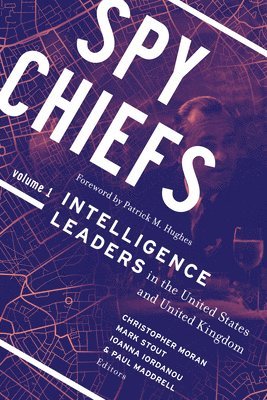
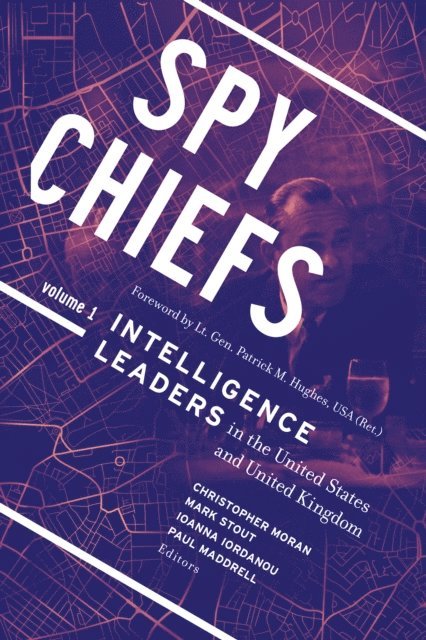
Spy Chiefs: Volume 1
Intelligence Leaders in the United States and United Kingdom
Inbunden, Engelska, 2018
1 130 kr
Skickas inom 5-8 vardagar
In literature and film the spy chief is an all-knowing, all-powerful figure who masterfully moves spies into action like pieces on a chessboard. How close to reality is that depiction, and what does it really take to be an effective leader in the world of intelligence? This first volume of Spy Chiefs broadens and deepens our understanding of the role of intelligence leaders in foreign affairs and national security in the United States and United Kingdom from the early 1940s to the present. The figures profiled range from famous spy chiefs such as William Donovan, Richard Helms, and Stewart Menzies to little-known figures such as John Grombach, who ran an intelligence organization so secret that not even President Truman knew of it. The volume tries to answer six questions arising from the spy-chief profiles: how do intelligence leaders operate in different national, institutional, and historical contexts? What role have they played in the conduct of international relations and the making of national security policy? How much power do they possess? What qualities make an effective intelligence leader? How secretive and accountable to the public have they been?Finally, does popular culture (including the media) distort or improve our understanding of them? Many of those profiled in the book served at times of turbulent change, were faced with foreign penetrations of their intelligence service, and wrestled with matters of transparency, accountability to democratically elected overseers, and adherence to the rule of law. This book will appeal to both intelligence specialists and general readers with an interest in the intelligence history of the United States and United Kingdom.
Spy Chiefs: Volume 1
Intelligence Leaders in the United States and United Kingdom
Häftad, Engelska, 2018
309 kr
Skickas inom 7-10 vardagar
In literature and film the spy chief is an all-knowing, all-powerful figure who masterfully moves spies into action like pieces on a chessboard. How close to reality is that depiction, and what does it really take to be an effective leader in the world of intelligence? This first volume of Spy Chiefs broadens and deepens our understanding of the role of intelligence leaders in foreign affairs and national security in the United States and United Kingdom from the early 1940s to the present. The figures profiled range from famous spy chiefs such as William Donovan, Richard Helms, and Stewart Menzies to little-known figures such as John Grombach, who ran an intelligence organization so secret that not even President Truman knew of it. The volume tries to answer six questions arising from the spy-chief profiles: how do intelligence leaders operate in different national, institutional, and historical contexts? What role have they played in the conduct of international relations and the making of national security policy? How much power do they possess? What qualities make an effective intelligence leader? How secretive and accountable to the public have they been?Finally, does popular culture (including the media) distort or improve our understanding of them? Many of those profiled in the book served at times of turbulent change, were faced with foreign penetrations of their intelligence service, and wrestled with matters of transparency, accountability to democratically elected overseers, and adherence to the rule of law. This book will appeal to both intelligence specialists and general readers with an interest in the intelligence history of the United States and United Kingdom.
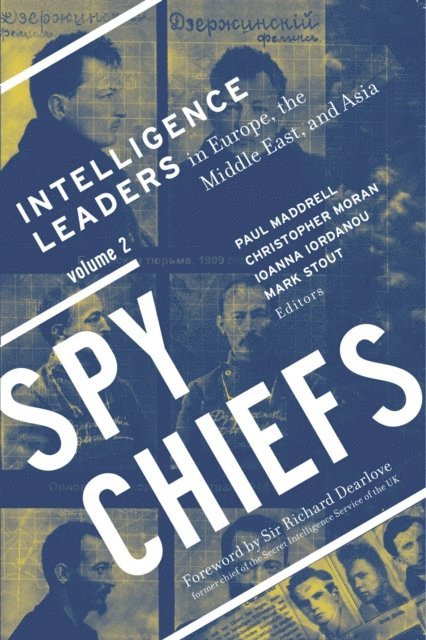
Spy Chiefs: Volume 2
Intelligence Leaders in Europe, the Middle East, and Asia
Inbunden, Engelska, 2018
1 316 kr
Skickas inom 5-8 vardagar
Throughout history and across cultures, the spy chief has been a leader of the state security apparatus and an essential adviser to heads of state. In democracies, the spy chief has become a public figure, and intelligence activities have been brought under the rule of law. In authoritarian regimes, however, the spy chief was and remains a frightening and opaque figure who exercises secret influence abroad and engages in repression at home. This second volume of Spy Chiefs goes beyond the commonly studied spy chiefs of the United States and the United Kingdom to examine leaders from Renaissance Venice to the Soviet Union, Germany, India, Egypt, and Lebanon in the twentieth century. It provides a close-up look at intelligence leaders, good and bad, in the different political contexts of the regimes they served. The contributors to the volume try to answer the following questions: how do intelligence leaders operate in these different national, institutional and historical contexts? What role have they played in the conduct of domestic affairs and international relations? How much power have they possessed?How have they led their agencies and what qualities make an effective intelligence leader? How has their role differed according to the political character of the regime they have served? The profiles in this book range from some of the most notorious figures in modern history, such as Feliks Dzerzhinsky and Erich Mielke, to spy chiefs in democratic West Germany and India.
360 kr
Skickas inom 7-10 vardagar
Throughout history and across cultures, the spy chief has been a leader of the state security apparatus and an essential adviser to heads of state. In democracies, the spy chief has become a public figure, and intelligence activities have been brought under the rule of law. In authoritarian regimes, however, the spy chief was and remains a frightening and opaque figure who exercises secret influence abroad and engages in repression at home. This second volume of Spy Chiefs goes beyond the commonly studied spy chiefs of the United States and the United Kingdom to examine leaders from Renaissance Venice to the Soviet Union, Germany, India, Egypt, and Lebanon in the twentieth century. It provides a close-up look at intelligence leaders, good and bad, in the different political contexts of the regimes they served. The contributors to the volume try to answer the following questions: how do intelligence leaders operate in these different national, institutional and historical contexts? What role have they played in the conduct of domestic affairs and international relations? How much power have they possessed?How have they led their agencies and what qualities make an effective intelligence leader? How has their role differed according to the political character of the regime they have served? The profiles in this book range from some of the most notorious figures in modern history, such as Feliks Dzerzhinsky and Erich Mielke, to spy chiefs in democratic West Germany and India.
1 819 kr
Skickas inom 7-10 vardagar
Save when you purchase Volumes 1 and 2 in a bundle! The first volume of Spy Chiefs broadens and deepens our understanding of the role of intelligence leaders in foreign affairs and national security in the United States and United Kingdom from the early 1940s to the present. The figures profiled range from famous spy chiefs such as William Donovan, Richard Helms, and Stewart Menzies to little-known figures such as John Grombach, who ran an intelligence organization so secret that not even President Truman knew of it. The volume tries to answer six questions arising from the spy-chief profiles: how do intelligence leaders operate in different national, institutional, and historical contexts? What role have they played in the conduct of international relations and the making of national security policy? How much power do they possess? What qualities make an effective intelligence leader? How secretive and accountable to the public have they been? Finally, does popular culture (including the media) distort or improve our understanding of them?Many of those profiled in the book served at times of turbulent change, were faced with foreign penetrations of their intelligence service, and wrestled with matters of transparency, accountability to democratically elected overseers, and adherence to the rule of law. This book will appeal to both intelligence specialists and general readers with an interest in the intelligence history of the United States and United Kingdom. The second volume of Spy Chiefs goes beyond the commonly studied spy chiefs of the United States and the United Kingdom to examine leaders from Renaissance Venice to the Soviet Union, Germany, India, Egypt, and Lebanon in the twentieth century. It provides a close-up look at intelligence leaders, good and bad, in the different political contexts of the regimes they served. The contributors to the volume try to answer the following questions: how do intelligence leaders operate in these different national, institutional and historical contexts? What role have they played in the conduct of domestic affairs and international relations? How much power have they possessed? How have they led their agencies and what qualities make an effective intelligence leader?How has their role differed according to the political character of the regime they have served? The profiles in this book range from some of the most notorious figures in modern history, such as Feliks Dzerzhinsky and Erich Mielke, to spy chiefs in democratic West Germany and India.
611 kr
Skickas inom 7-10 vardagar
Save when you purchase Volumes 1 and 2 in a bundle! The first volume of Spy Chiefs broadens and deepens our understanding of the role of intelligence leaders in foreign affairs and national security in the United States and United Kingdom from the early 1940s to the present. The figures profiled range from famous spy chiefs such as William Donovan, Richard Helms, and Stewart Menzies to little-known figures such as John Grombach, who ran an intelligence organization so secret that not even President Truman knew of it. The volume tries to answer six questions arising from the spy-chief profiles: how do intelligence leaders operate in different national, institutional, and historical contexts? What role have they played in the conduct of international relations and the making of national security policy? How much power do they possess? What qualities make an effective intelligence leader? How secretive and accountable to the public have they been? Finally, does popular culture (including the media) distort or improve our understanding of them?Many of those profiled in the book served at times of turbulent change, were faced with foreign penetrations of their intelligence service, and wrestled with matters of transparency, accountability to democratically elected overseers, and adherence to the rule of law. This book will appeal to both intelligence specialists and general readers with an interest in the intelligence history of the United States and United Kingdom. The second volume of Spy Chiefs goes beyond the commonly studied spy chiefs of the United States and the United Kingdom to examine leaders from Renaissance Venice to the Soviet Union, Germany, India, Egypt, and Lebanon in the twentieth century. It provides a close-up look at intelligence leaders, good and bad, in the different political contexts of the regimes they served. The contributors to the volume try to answer the following questions: how do intelligence leaders operate in these different national, institutional and historical contexts? What role have they played in the conduct of domestic affairs and international relations? How much power have they possessed? How have they led their agencies and what qualities make an effective intelligence leader?How has their role differed according to the political character of the regime they have served? The profiles in this book range from some of the most notorious figures in modern history, such as Feliks Dzerzhinsky and Erich Mielke, to spy chiefs in democratic West Germany and India.
1 471 kr
Skickas
A comparative international perspective challenges conventional narratives about unacknowledged intervention"Covert action" is generally understood as politically motivated and plausibly deniable interference by one state in the affairs of another state. It includes propaganda, political or economic subversion, paramilitary action, and assassinations. Covert action is the most consequential and controversial form of secret statecraft, and it has become a ubiquitous feature of international politics. However, it is often sensationalized or seen through a narrow, US-centric lens.Covert Action challenges this conventional narrative and redefines secret statecraft by offering a groundbreaking comparative international perspective that explores the practice of unacknowledged intervention across twenty countries and a range of eras. Bringing together leading scholars from around the world, this volume moves beyond the American, and wider, anglosphere perspectives to examine covert action practices across states, regime types, and time.This book will be important reading for historians, political scientists, and policymakers, and it provides a foundational study of the hidden mechanisms of international power. It takes a global perspective and thus transforms the understanding of how nations truly interact behind the scenes, revealing covert action as a complex form of international statecraft.
213 kr
Skickas inom 5-8 vardagar