Mark V. Tushnet – författare
Visar alla böcker från författaren Mark V. Tushnet. Handla med fri frakt och snabb leverans.
24 produkter
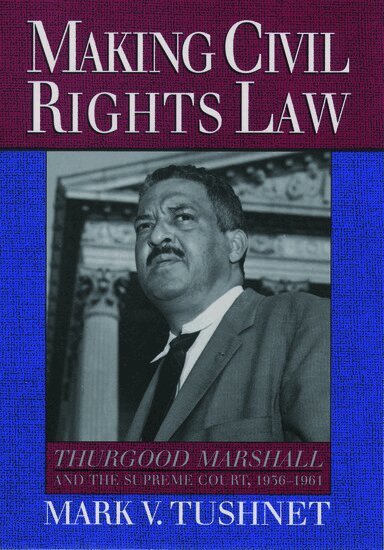
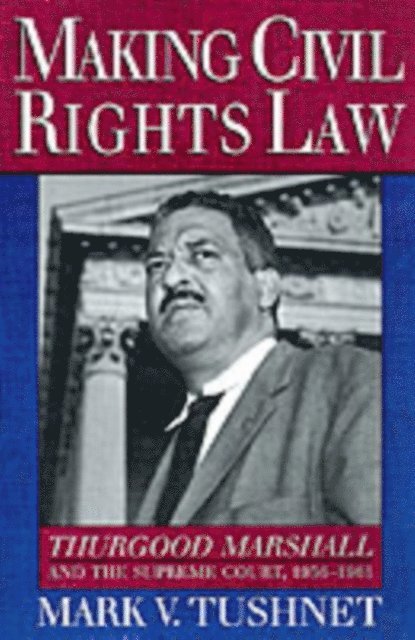
Making Civil Rights Law
Thurgood Marshall and the Supreme Court, 1936-1961
Inbunden, 1994
2705 kr
Lägg i varukorg
From the 1930s to the early 1960s civil rights law was made primarily through constitutional litigation. Before Rosa Parks could ignite a Montgomery Bus Boycott, the Supreme Court had to strike down the Alabama law which made segregated bus service required by law; before Martin Luther King could …
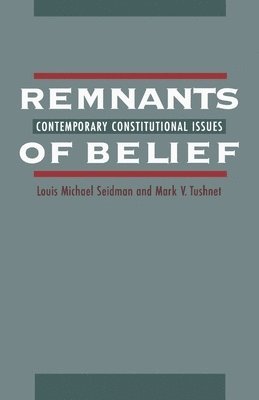
Remnants of Belief
Contemporary Constitutional Issues
Av Louis Michael Seidman, Mark V. Tushnet
Häftad, 1996
1042 kr
Lägg i varukorg
Designed as a supplement for constitutional law courses and seminars, Seidman and Tushnet use examples drawn from the popular press, public discussion and law articles to show how and why constitutional debate has evolved into the political conundrum it's become.
Making Civil Rights Law
Thurgood Marshall and the Supreme Court, 1936-1961
Häftad, 1996
968 kr
Lägg i varukorg
From the 1930s to the early 1960s civil rights law was made primarily through constitutional litigation. Before Rosa Parks could ignite a Montgomery Bus Boycott, the Supreme Court had to strike down the Alabama law which made segregated bus service required by law; before Martin Luther King could …
The Regulatory and Administrative State
Materials, Cases, Comments
Av Lisa Heinzerling, Mark V. Tushnet
Inbunden, 2006
1384 kr
Lägg i varukorg
The casebook introduces students to the reasons for regulation, the ways in which regulation can go awry, the choice of legal institutions, the choice of regulatory instruments, and the art of statutory interpretation. The book uses several substantive subject areas as recurring themes, all …
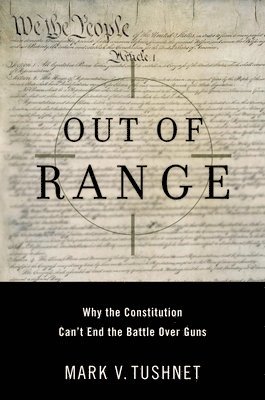
Out of Range: Why the Constitution Can't End the Battle Over Guns
Inbunden, 2007
460 kr
Lägg i varukorg
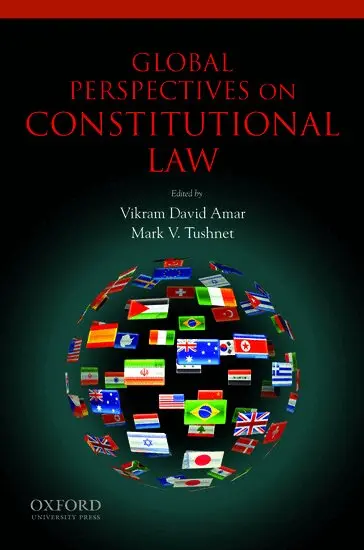
Global Perspectives on Constitutional Law
Av Vikram Amar, Mark Tushnet m. fl.
Häftad, 2009
613 kr
Lägg i varukorg
An ideal supplement for professors who wish to incorporate comparative law into their constitutional law courses, Global Perspectives on Constitutional Law introduces students to the various ways that nations other than the United States resolve contemporary constitutional questions. Covering both …
Making Civil Rights Law
Thurgood Marshall and the Supreme Court, 1936-1961
E-bok, 1994
604 kr
Lägg i varukorg
From the 1930s to the early 1960s civil rights law was made primarily through constitutional litigation. Before Rosa Parks could ignite a Montgomery Bus Boycott, the Supreme Court had to strike down the Alabama law which made segregated bus service required by law; before Martin Luther King could …
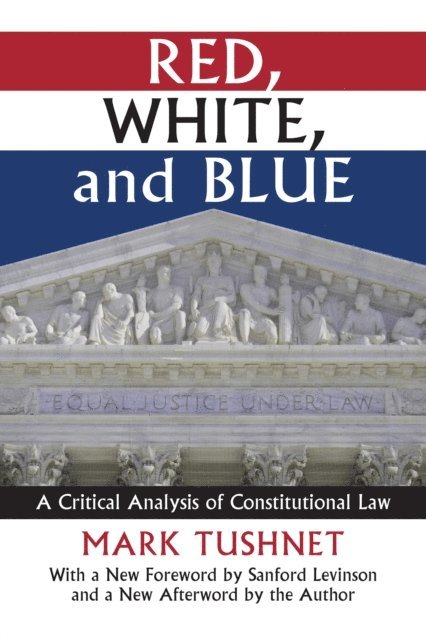
Red, White, and Blue
A Critical Analysis of Constitutional Law
E-bok, 2015
606 kr
Lägg i varukorg
The first paperback edition of a classic of American constitutional theory. The book is divided into two parts. In Part I Professor Tushnet appraises the five major competing “grand theories” of constitutional law and interpretation, and, argues that none of them satisfy their own requirements for …
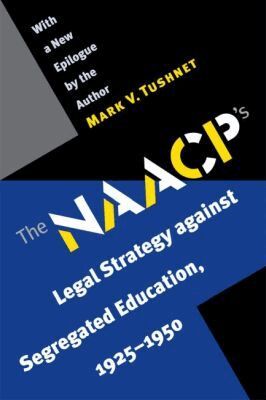
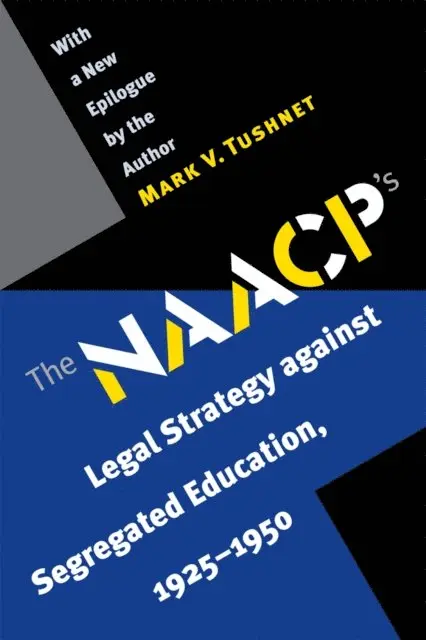
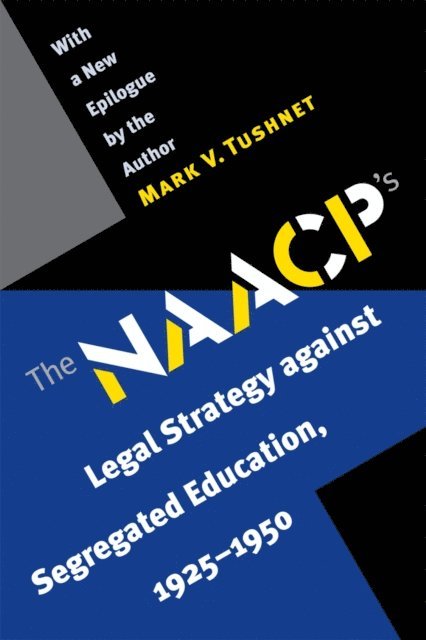
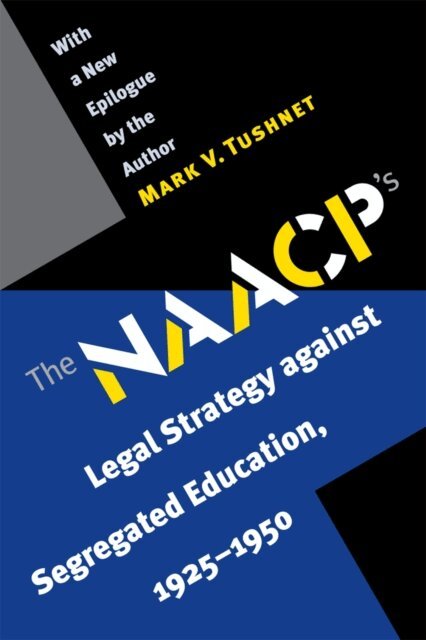
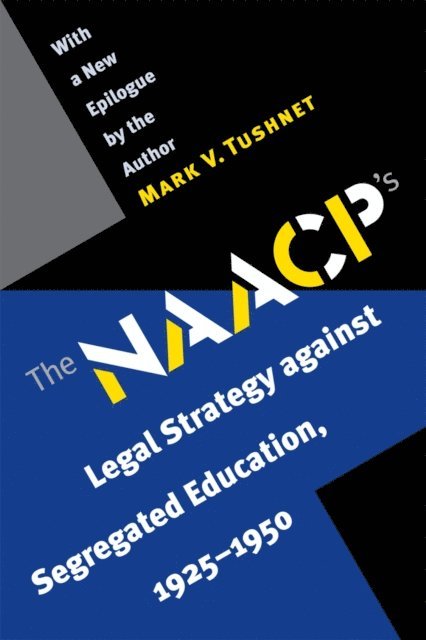
NAACP's Legal Strategy Against Segregated Education, 1925-1950
Häftad, 2005
431 kr
Lägg i varukorg
The NAACP's fight against segregated education - the first public interest litigation campaign - culminated in the 1954 Brown decision. While touching on the general social, political, and economic climate in which the NAACP acted, Mark V. Tushnet emphasizes the internal workings of the …
NAACP's Legal Strategy against Segregated Education, 1925-1950
E-bok, 2012
303 kr
Lägg i varukorg
The NAACP''s fight against segregated education--the first public interest litigation campaign--culminated in the 1954 Brown decision. While touching on the general social, political, and economic climate in which the NAACP acted, Mark V. Tushnet emphasizes the internal workings of the organization …
Constitutional Law
Av Mark V. Tushnet, Mark V. Tushnet
Inbunden, 1992
2274 kr
Lägg i varukorg
"All readers interested in today's constitutional courts will profit from eavesdropping on this conversation." --Judicature This collection of essays on constitutional law is designed to introduce the reader to the range of issues concerning constitutional theory that occupy the attention of …
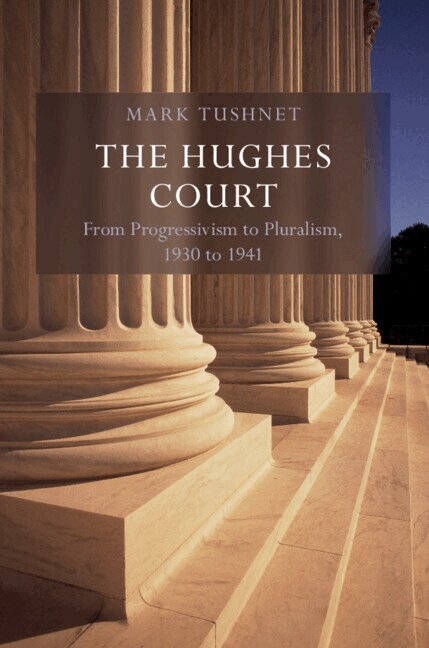
Hughes Court: Volume 11
From Progressivism to Pluralism, 1930 to 1941
E-bok, 2022
750 kr
Lägg i varukorg
The Hughes Court: From Progressivism to Pluralism, 1930 to 1941 describes the closing of one era in constitutional jurisprudence and the opening of another. This comprehensive study of the Supreme Court from 1930 to 1941 – when Charles Evans Hughes was Chief Justice – shows how nearly all justices, …
Hughes Court: Volume 11
From Progressivism to Pluralism, 1930 to 1941
E-bok, 2022
750 kr
Lägg i varukorg
The Hughes Court: From Progressivism to Pluralism, 1930 to 1941 describes the closing of one era in constitutional jurisprudence and the opening of another. This comprehensive study of the Supreme Court from 1930 to 1941 – when Charles Evans Hughes was Chief Justice – shows how nearly all justices, …
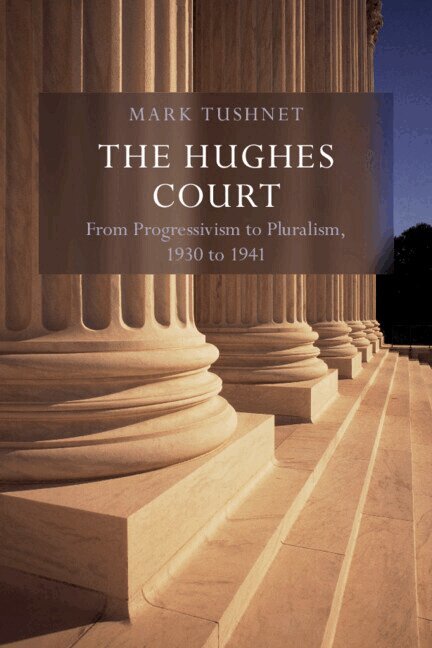
The Hughes Court: Volume 11
From Progressivism to Pluralism, 1930 to 1941
Häftad, 2025
689 kr
Lägg i varukorg
The Hughes Court: From Progressivism to Pluralism, 1930 to 1941 describes the closing of one era in constitutional jurisprudence and the opening of another. This comprehensive study of the Supreme Court from 1930 to 1941 - when Charles Evans Hughes was Chief Justice - shows how nearly all justices, …
The Hughes Court: Volume 11
From Progressivism to Pluralism, 1930 to 1941
Inbunden, 2022
3010 kr
Lägg i varukorg
The Hughes Court: From Progressivism to Pluralism, 1930 to 1941 describes the closing of one era in constitutional jurisprudence and the opening of another. This comprehensive study of the Supreme Court from 1930 to 1941 - when Charles Evans Hughes was Chief Justice - shows how nearly all justices, …
NAACP's Legal Strategy against Segregated Education, 1925-1950
E-bok, 2014
598 kr
Lägg i varukorg
The NAACP''s fight against segregated education--the first public interest litigation campaign--culminated in the 1954 Brown decision. While touching on the general social, political, and economic climate in which the NAACP acted, Mark V. Tushnet emphasizes the internal workings of the organization …
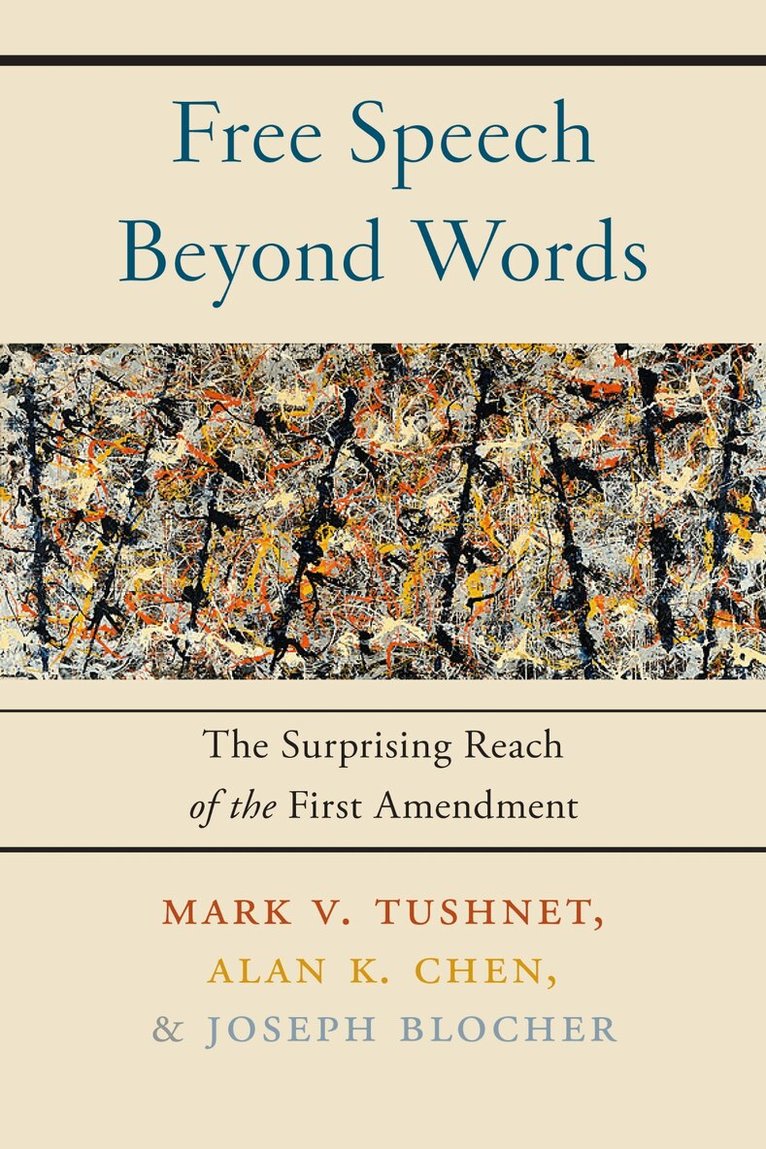
Free Speech Beyond Words
The Surprising Reach of the First Amendment
Av Mark V. Tushnet, Alan K. Chen m. fl.
Häftad, 2020
250 kr
Lägg i varukorg
A look at First Amendment coverage of music, non-representational art, and nonsense The Supreme Court has unanimously held that Jackson Pollock's paintings, Arnold Schöenberg's music, and Lewis Carroll's poem "Jabberwocky" are "unquestionably shielded" by the First Amendment. Nonrepresentational …
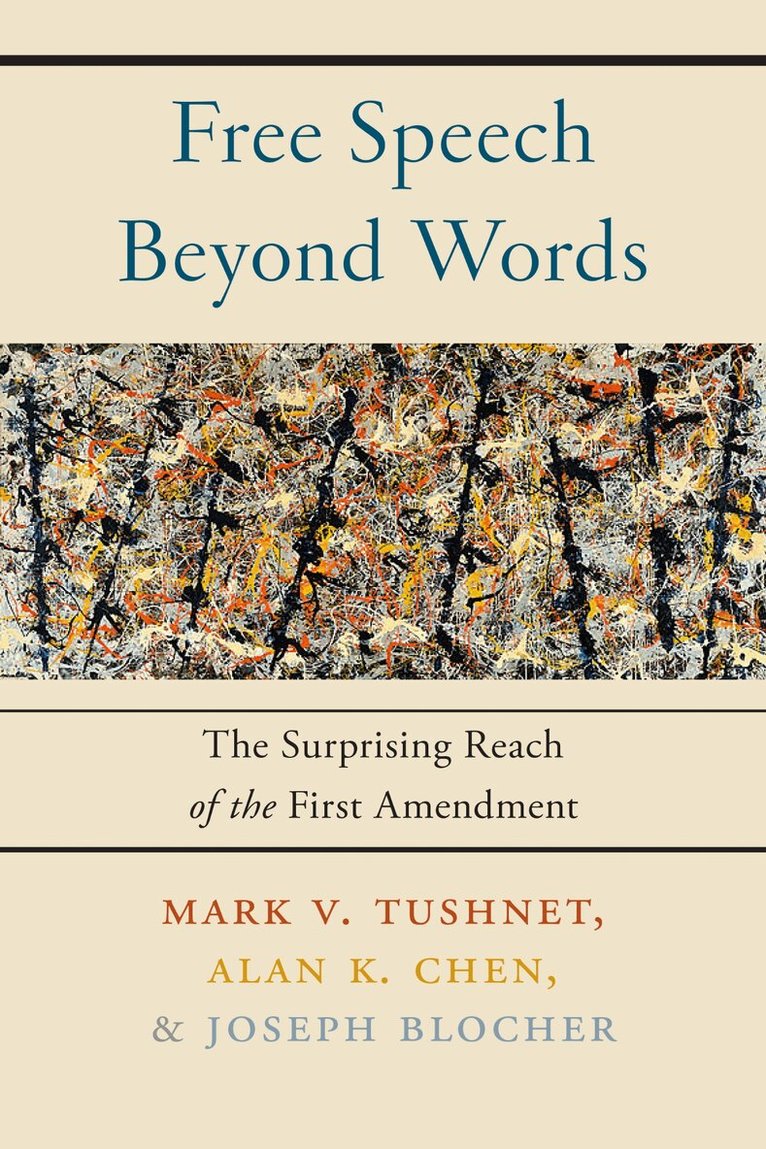
Free Speech Beyond Words
The Surprising Reach of the First Amendment
Av Mark V. Tushnet, Alan K. Chen m. fl.
Inbunden, 2017
1030 kr
Lägg i varukorg
A look at First Amendment coverage of music, non-representational art, and nonsense The Supreme Court has unanimously held that Jackson Pollock's paintings, Arnold Schöenberg's music, and Lewis Carroll's poem "Jabberwocky" are "unquestionably shielded" by the First Amendment. Nonrepresentational …
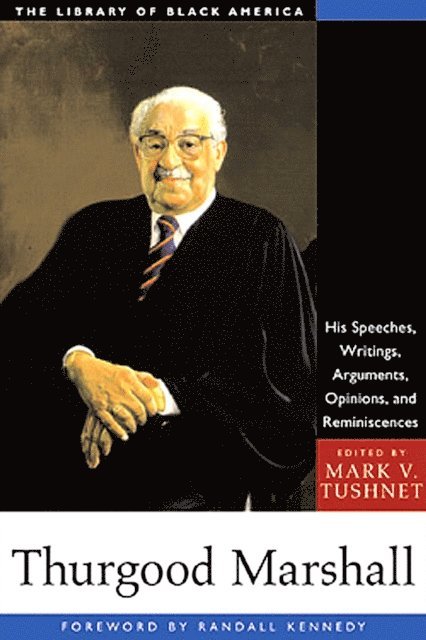
Thurgood Marshall
His Speeches, Writings, Arguments, Opinions, and Reminiscences
E-bok, 2001
156 kr
Lägg i varukorg
Much has been written about Thurgood Marshall, but this is the first book to collect his own words. Here are briefs he filed as a lawyer, oral arguments for the landmark school desegregation cases, investigative reports on race riots and racism in the Army, speeches and articles outlining the …
NAACP's Legal Strategy against Segregated Education, 1925-1950
E-bok, 2012
303 kr
Lägg i varukorg
The NAACP''s fight against segregated education--the first public interest litigation campaign--culminated in the 1954 Brown decision. While touching on the general social, political, and economic climate in which the NAACP acted, Mark V. Tushnet emphasizes the internal workings of the organization …
NAACP's Legal Strategy against Segregated Education, 1925-1950
E-bok, 2014
757 kr
Lägg i varukorg
The NAACP''s fight against segregated education--the first public interest litigation campaign--culminated in the 1954 Brown decision. While touching on the general social, political, and economic climate in which the NAACP acted, Mark V. Tushnet emphasizes the internal workings of the organization …
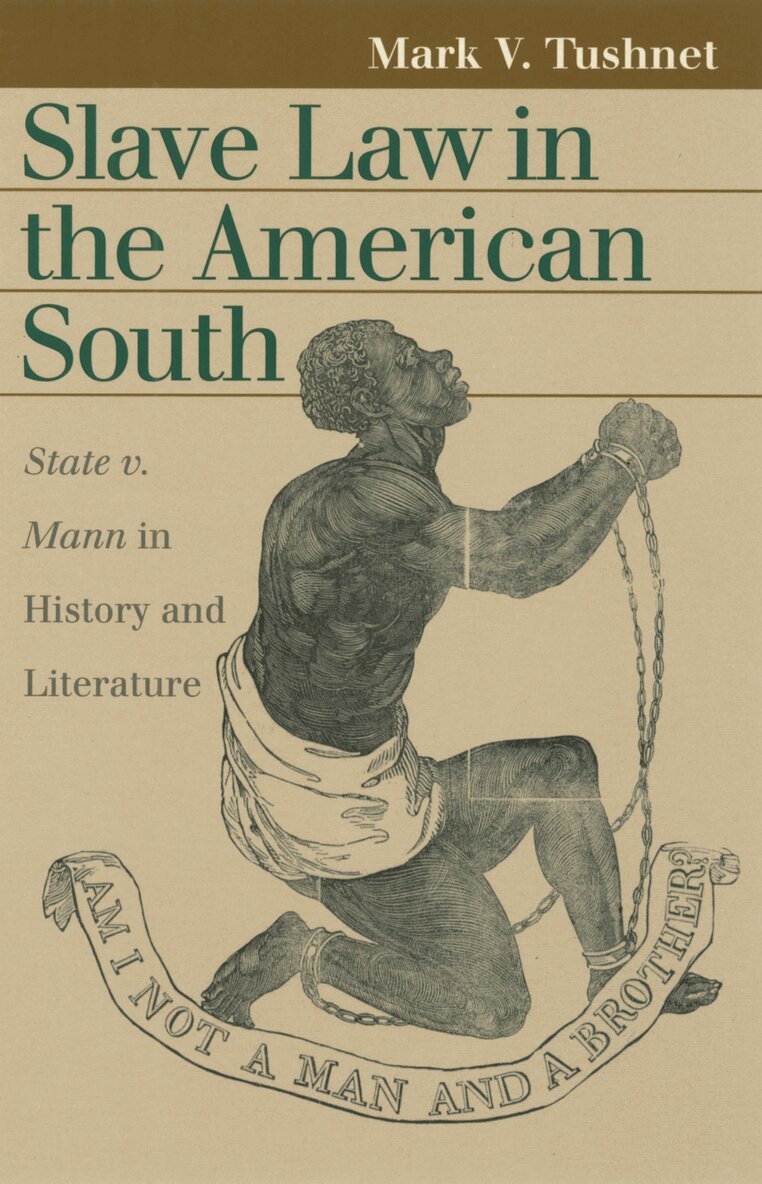
Slave Law in the American South
State V. Mann in History and Literature
Häftad, 2003
339 kr
Tillfälligt slut
Tying together legal, historical, social, political and literary strands to show how the law itself was implicated in the persistence of slavery, this work sheds new light on slavery and Southern history, as it probes the conscience of a troubled jurist incapable of fully transcending his times.
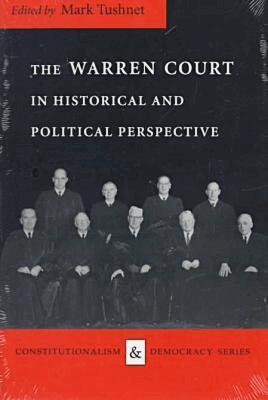
Warren Court in Historical and Political Perspective
Av Mark Tushnet, Mark V. Tushnet
Inbunden, 1993
797 kr
Tillfälligt slut
The tenure of Earl Warren as chief justice of the United States Supreme Court (1953-1969) was marked by a series of decisions unique in the history of the Court for the progressive agenda they bespoke. This text explores how each justice contributed to make the Warren Court so distinctive.
Warren Court in Historical and Political Perspective
Av Mark Tushnet, Mark V. Tushnet
Häftad, 1993
309 kr
Tillfälligt slut
The tenure of Earl Warren as chief justice of the United States Supreme Court (1953-69) was marked by a series of decisions unique in the history of the Court for the progressive agenda they bespoke. This work explores how each justice contributed to the distinctiveness of the Warren Court.