Mark W. MacWilliams – författare
Visar alla böcker från författaren Mark W. MacWilliams. Handla med fri frakt och snabb leverans.
6 produkter
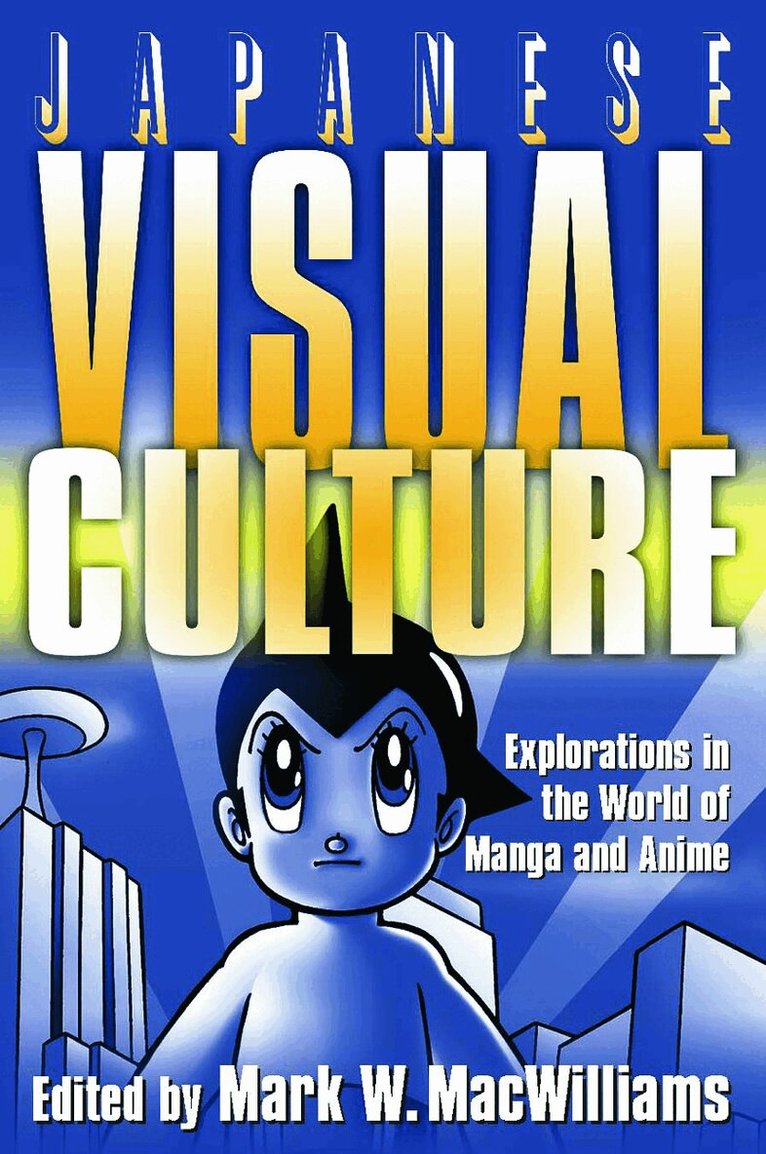
Japanese Visual Culture
Explorations in the World of Manga and Anime
Inbunden, 2008
2910 kr
Lägg i varukorg
Born of Japan's cultural encounter with Western entertainment media, manga (comic books or graphic novels) and anime (animated films) are two of the most universally recognized forms of contemporary mass culture. Because they tell stories through visual imagery, they vault over language barriers. …
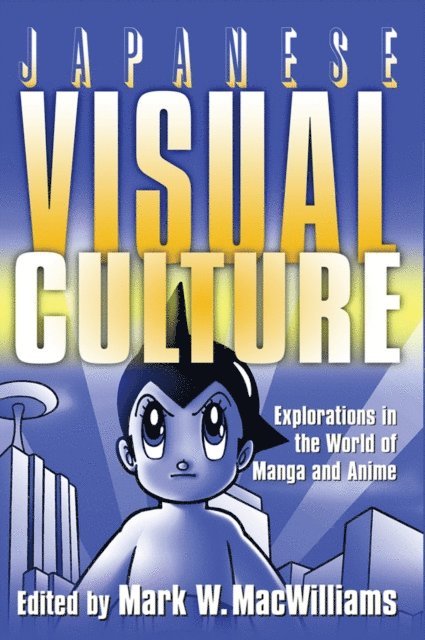
Japanese Visual Culture
Explorations in the World of Manga and Anime
Häftad, 2008
863 kr
Lägg i varukorg
Born of Japan's cultural encounter with Western entertainment media, manga (comic books or graphic novels) and anime (animated films) are two of the most universally recognized forms of contemporary mass culture. Because they tell stories through visual imagery, they vault over language barriers. …
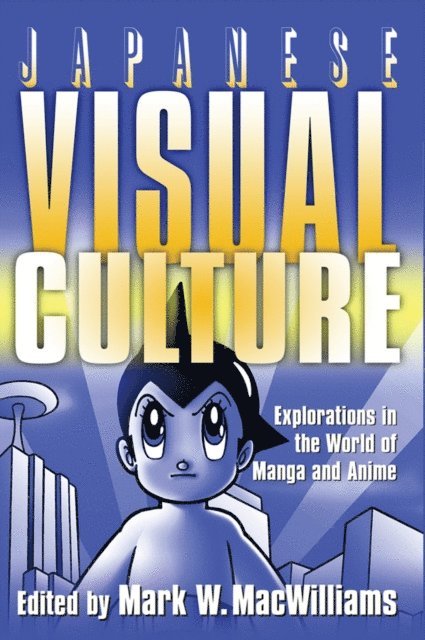
Japanese Visual Culture
Explorations in the World of Manga and Anime
E-bok, 2014
918 kr
Lägg i varukorg
Born of Japan''s cultural encounter with Western entertainment media, manga (comic books or graphic novels) and anime (animated films) are two of the most universally recognized forms of contemporary mass culture. Because they tell stories through visual imagery, they vault over language barriers. …
Japanese Visual Culture
Explorations in the World of Manga and Anime
E-bok, 2014
918 kr
Lägg i varukorg
Born of Japan''s cultural encounter with Western entertainment media, manga (comic books or graphic novels) and anime (animated films) are two of the most universally recognized forms of contemporary mass culture. Because they tell stories through visual imagery, they vault over language barriers. …
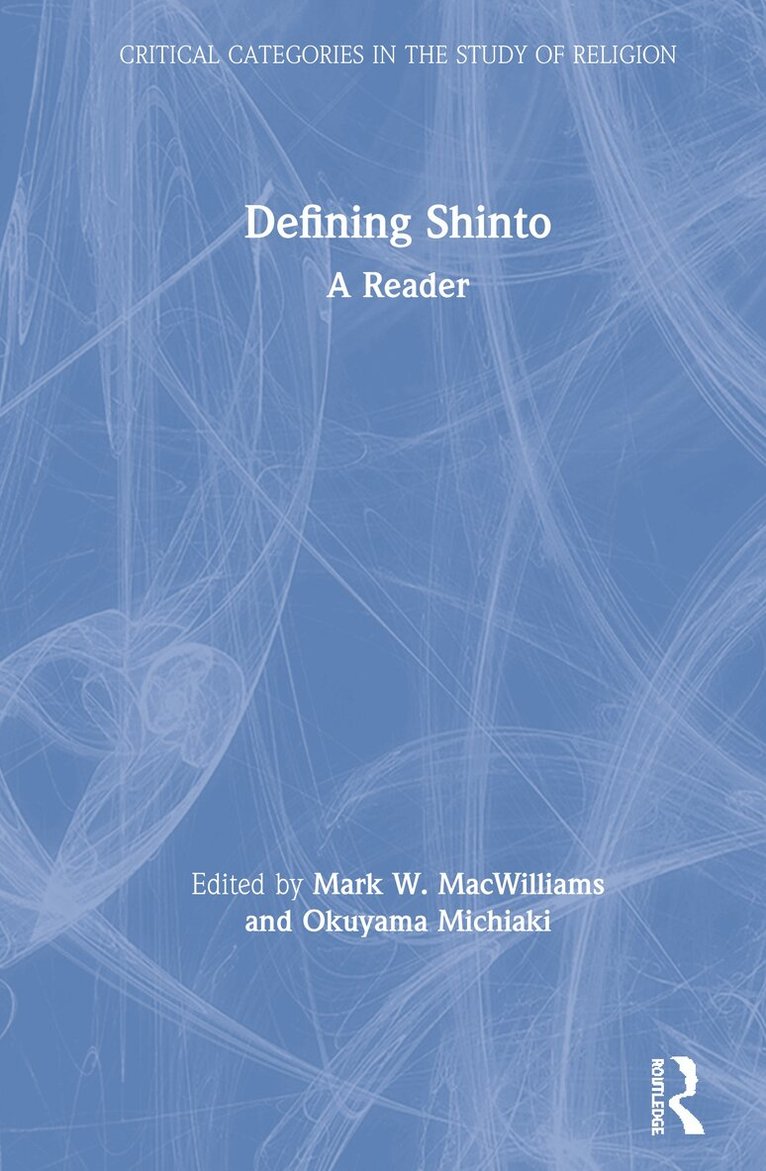
Defining Shinto
A Reader
Av Mark W. MacWilliams, Okuyama Michiaki
Inbunden, 2019
3781 kr
Lägg i varukorg
This book provides key official documents alongside political, religious-philosophical, and historical essays, illustrating how the term "Shinto" has metamorphosed terminologically from Japan’s emergence as a modern nation state in the late 19th century to the postmodern Japan of today. "Shinto" is …
Defining Shinto
A Reader
Av Mark W. MacWilliams, Okuyama Michiaki
Häftad, 2019
805 kr
Lägg i varukorg
This book provides key official documents alongside political, religious-philosophical, and historical essays, illustrating how the term "Shinto" has metamorphosed terminologically from Japan’s emergence as a modern nation state in the late 19th century to the postmodern Japan of today. "Shinto" is …