Mark Wilcox – författare
Visar alla böcker från författaren Mark Wilcox. Handla med fri frakt och snabb leverans.
18 produkter
Chiligaraget : från frö till hotsauce
Av Mark Wilcox
E-bok, 2018
169 kr
Lägg i varukorg
I boken Chiligaraget beskriver Mark Wilcox hur det är möjligt att odla chili i köksfönstret, på balkongen eller i växthuset. Alla sorter från snällt fruktiga till galet superheta. I boken ges svar på alla frågor som kan dyka upp hos nybörjaren och den som vill odla chili för husbehov: Vilka sorter …
Chiligaraget : från frö till hotsauce
Av Mark Wilcox
E-bok, 2018
169 kr
Lägg i varukorg
I boken Chiligaraget beskriver Mark Wilcox hur det är möjligt att odla chili i köksfönstret, på balkongen eller i växthuset. Alla sorter från snällt fruktiga till galet superheta. I boken ges svar på alla frågor som kan dyka upp hos nybörjaren och den som vill odla chili för husbehov: Vilka sorter …
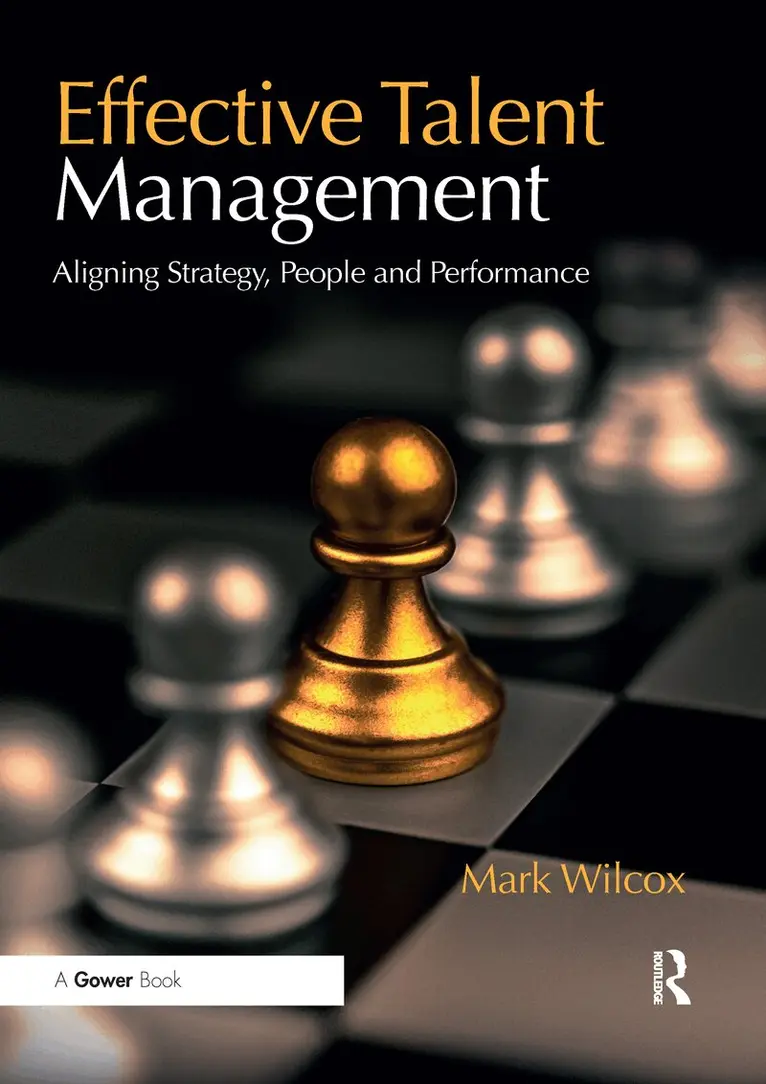
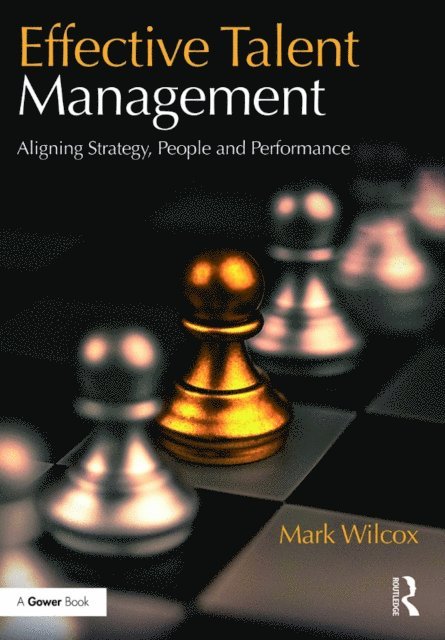
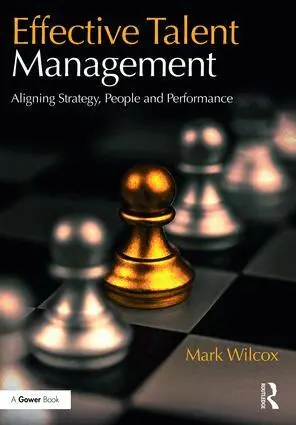
Effective Talent Management
Aligning Strategy, People and Performance
Av Mark Wilcox
Häftad, 2020
578 kr
Lägg i varukorg
Effective talent management is about aligning the business's approach to talent with the strategic aims and purpose of the organisation. The core rationale of any talent strategy should be to have a direct positive impact on the organisation's goals but in many cases this is not so. The ideas, …
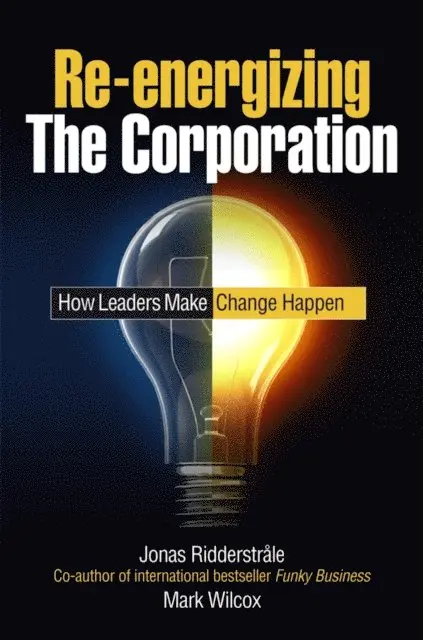
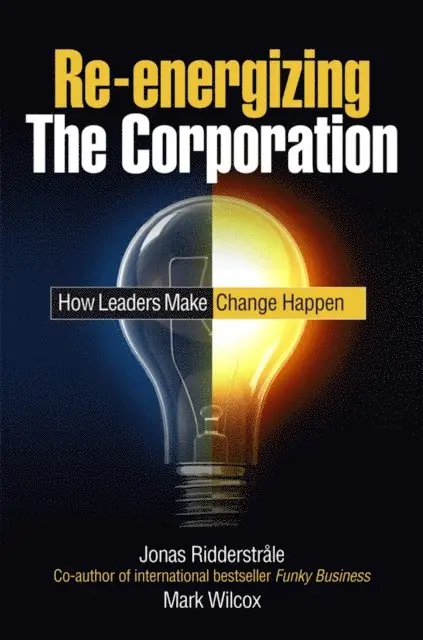
Re-energizing the Corporation
How Leaders Make Change Happen
Av Jonas Ridderstrale, Mark Wilcox
Inbunden, 2008
227 kr
Lägg i varukorg
Re-energizing The Corporation is built on the groundbreaking 3e leadership model which makes sense of the three Es of Envisioning, Engaging and Executing. By understanding and following the model, you will be able to create compelling pictures of the future of your organization; build a following …
Re-energizing the Corporation
How Leaders Make Change Happen
Av Mark Wilcox, Jonas Ridderstrale
E-bok, 2009
271 kr
Lägg i varukorg
Re-energizing The Corporation is built on the groundbreaking 3e leadership model which makes sense of the three Es of Envisioning, Engaging and Executing. By understanding and following the model, you will be able to create compelling pictures of the future of your organization; build a following …
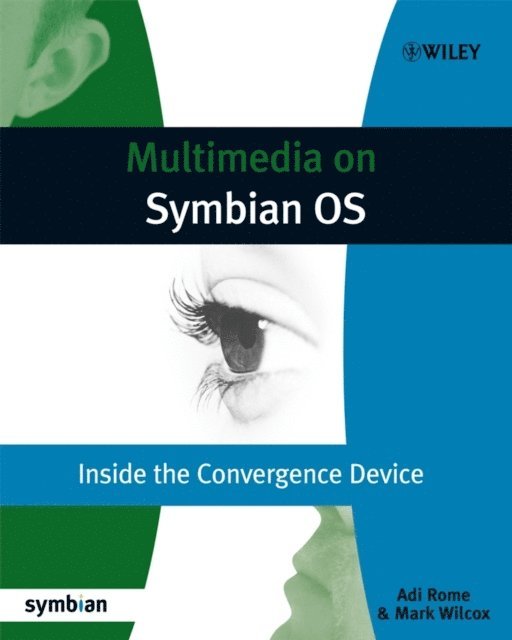
Multimedia on Symbian OS
Inside the Convergence Device
Av Mark Wilcox, Adi Rome
E-bok, 2008
504 kr
Lägg i varukorg
Multimedia on Symbian OS is the only book available to discuss multimedia on Symbian OS at this level. It covers key areas of multimedia technology, with information about APIs and services provided by Symbian OS. Other key features include details of UI platform-specific APIs from S60 and UIQ. …
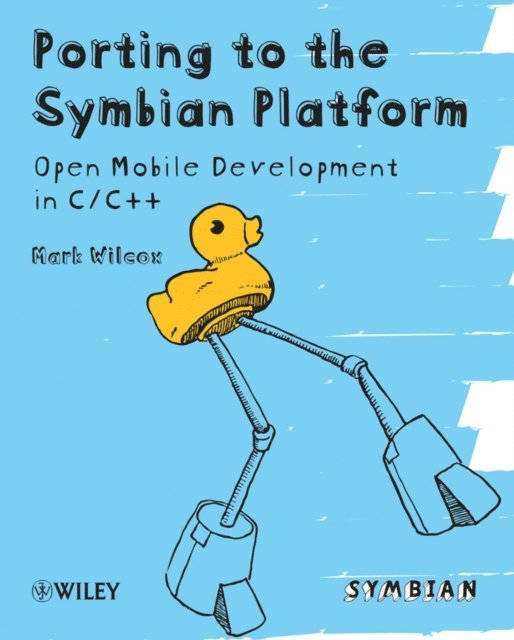
Porting to the Symbian Platform
Open Mobile Development in C/C++
Av Mark Wilcox
E-bok, 2009
588 kr
Lägg i varukorg
If you want to write mobile applications without the idioms of Symbian C++, have existing software assets that you''d like to re-use on Symbian devices, or are an open source developer still waiting for an open Linux-based device to gain significant market penetration, this is the book for you! …
Re-energizing the Corporation
How Leaders Make Change Happen
Av Mark Wilcox, Jonas Ridderstrale
E-bok, 2008
277 kr
Lägg i varukorg
Re-energizing The Corporation is built on the groundbreaking 3e leadership model which makes sense of the three Es of Envisioning, Engaging and Executing. By understanding and following the model, you will be able to create compelling pictures of the future of your organization; build a following …
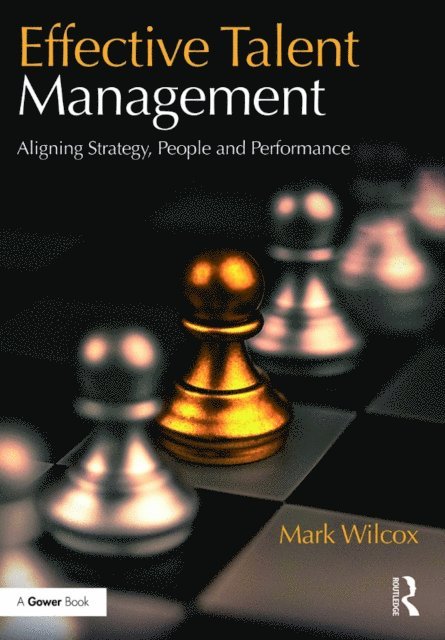
Effective Talent Management
Aligning Strategy, People and Performance
Av Mark Wilcox
E-bok, 2016
539 kr
Lägg i varukorg
Effective talent management is about aligning the business''s approach to talent with the strategic aims and purpose of the organisation. The core rationale of any talent strategy should be to have a direct positive impact on the organisation''s goals but in many cases this is not so. The ideas, …
Effective Talent Management
Aligning Strategy, People and Performance
Av Mark Wilcox
E-bok, 2016
539 kr
Lägg i varukorg
Effective talent management is about aligning the business''s approach to talent with the strategic aims and purpose of the organisation. The core rationale of any talent strategy should be to have a direct positive impact on the organisation''s goals but in many cases this is not so. The ideas, …
Effective Talent Management
Aligning Strategy, People and Performance
Av Mark Wilcox
Inbunden, 2016
2581 kr
Lägg i varukorg
Effective talent management is about aligning the business's approach to talent with the strategic aims and purpose of the organisation. The core rationale of any talent strategy should be to have a direct positive impact on the organisation's goals but in many cases this is not so. The ideas, …
All That Can Be Expected
The Battle of Camden and the British High Tide in the South, August 16, 1780
Av Mark Wilcox, Robert Orrison
E-bok, 2023
216 kr
Lägg i varukorg
A history and analysis of the 1780 South Carolina battle that marked the turning point for Great Britain in the American Revolutionary War. "An impressive work of collaborative historical research by historians Robert Orrison and Mark Wilcox, this is the newest title in the simply outstanding …
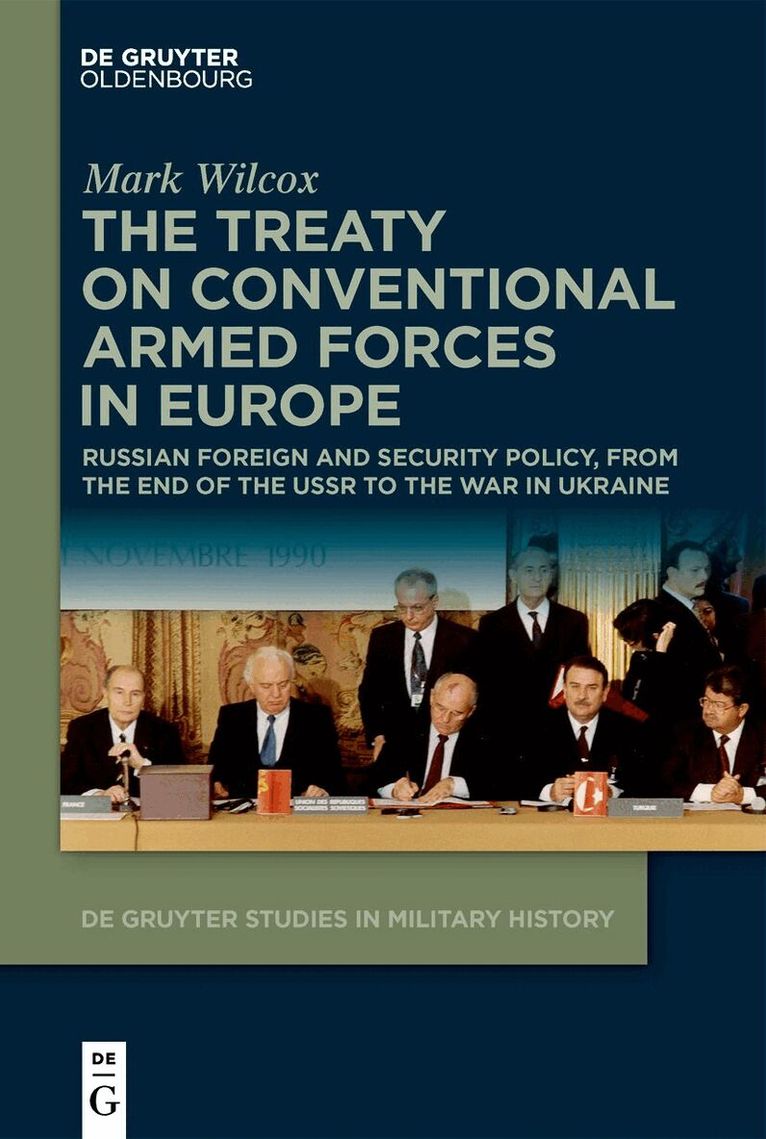
Treaty on Conventional Armed Forces in Europe
Russian Foreign and Security Policy, from the End of the USSR to the War in Ukraine
Av Mark Wilcox
Inbunden, 2024
1362 kr
Lägg i varukorg
This work examines the CFE Treaty as a factor in Russia’s foreign and security policy. Moscow showed amazing persistence in their relationship with the "cornerstone of European security." Their approach to the treaty was a genuine attempt to shape the security environment in Europe and the former …
Treaty on Conventional Armed Forces in Europe
Russian Foreign and Security Policy, from the End of the USSR to the War in Ukraine
Av Mark Wilcox
E-bok, 2024
1293 kr
Lägg i varukorg
This work examines the CFE Treaty as a factor in Russia’s foreign and security policy. Moscow showed amazing persistence in their relationship with the "cornerstone of European security." Their approach to the treaty was a genuine attempt to shape the security environment in Europe and the former …
Treaty on Conventional Armed Forces in Europe
Russian Foreign and Security Policy, from the End of the USSR to the War in Ukraine
Av Mark Wilcox
E-bok, 2024
1293 kr
Lägg i varukorg
This work examines the CFE Treaty as a factor in Russia’s foreign and security policy. Moscow showed amazing persistence in their relationship with the "cornerstone of European security." Their approach to the treaty was a genuine attempt to shape the security environment in Europe and the former …
All That Can Be Expected
The Battle of Camden and the British High Tide in the South, August 16, 1780
Av Robert Orrison, Mark Wilcox
Häftad, 2024
168 kr
Tillfälligt slut
“They have done all that can be expected of them; we are outnumbered and outflanked,” so described Lt. Col. Benjamin Ford of the desperate situation for his Marylanders at Camden on August 16, 1780. The battle of Camden is considered by many historians as the high tide of Great Britain’s prospects …